Can a Scrum Master get a PMP?
Can I do PgMP without PMP?
Can I skip CAPM and go to PMP?
Can I study for PMP on my own?
Key takeawaysCan I take PMP course online?SWOT works best when it is specific, balanced, and turned into decisions. Use SWOT to separate internal strengths and weaknesses from external opportunities and threats, so strategy is grounded in reality.
Collect detailed evidence from staff input, market research, and financials to avoid vague, unhelpful statements.Does PMP certification expire?Apply the MECE approach to keep categories distinct and complete, reducing overlap and blind spots.











Waterfall method
image
Learn about the linear and sequential approach to software development and project management called the waterfall method. The article will detail the steps, pros, and cons of this method.
. This occurs when the analysis lacks detail and specificity. Vague or broad statements can obscure the real issues and lead to ineffective strategies. For instance, listing “good customer service” as a strength without specifics does not provide actionable insights.Project management triangle
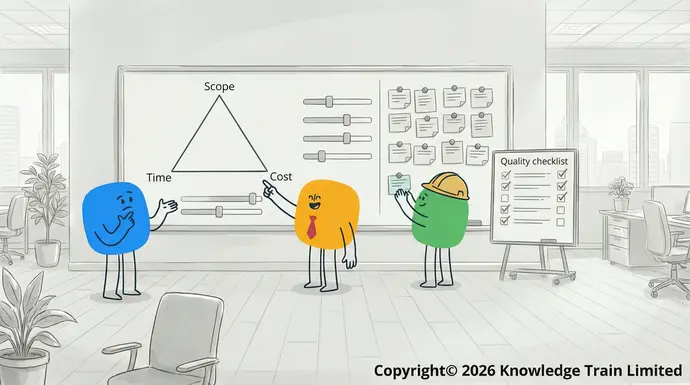
Project management triangleTo avoid this, focus on precise details. Instead of general statements, identify specific aspects like “high customer retention rate” or “24/7 customer support”. This level of detail helps in understanding the true strengths and weaknesses, allowing for more targeted strategies. Detailed analysis not only clarifies the current situation but also enhances confidence in decision-making, reducing stress associated with ambiguity.
Ignoring external factorsimage
while focusing solely on internal elements. A balanced SWOT analysis considers both internal strengths and weaknesses, as well as external opportunities and threats. Overlooking external factors can result in missed opportunities and unanticipated threats.The project management triangle is a key factor in the success of a project. Learn how to balance scope, time and cost for project goals and deliver exceptional results.To maintain balance, ensure that your analysis gives equal weight to external conditions. This includes market trends, regulatory changes, and competitive dynamics. Incorporating external analysis provides a comprehensive view of the environment, enabling more informed strategic decisions. Addressing both internal and external factors reduces uncertainty, fostering a sense of preparedness and confidence.
Lack of actionable insights
How APM qualifications can help your careerCase studies
. The company effectively utilised SWOT to refine its strategy and enhance its market position. By identifying internal strengths such as brand recognition and a loyal customer base, Starbucks capitalised on these assets to expand its global footprint. The company also recognised weaknesses, including high operational costs, and addressed them through efficiency improvements.The Association for Project Management (APM), a leading UK educational charity, offers qualifications that boost your career at any stage. Read on to discover how these credentials can enhance your professional journey.Externally, Starbucks identified opportunities in emerging markets and digital innovation. It leveraged these by expanding into new regions and enhancing its digital platforms. The company also acknowledged threats such as economic downturns and increased competition. By using SWOT, Starbucks developed strategies to mitigate these risks, ensuring continued growth and resilience. This structured approach not only facilitated strategic clarity but also reduced the uncertainty associated with expanding into new markets.
Lessons from failures
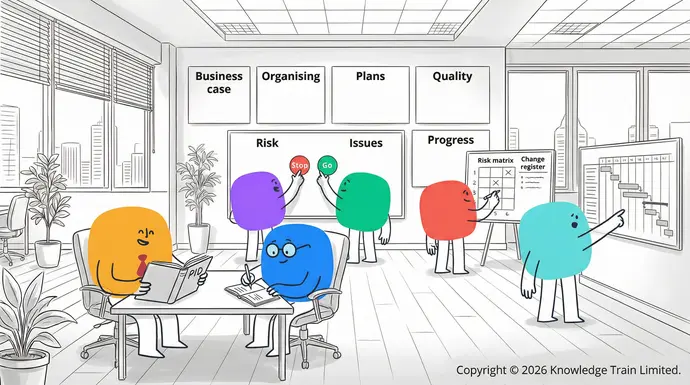
PRINCE2 practices: Free ebookindustries
. Each sector has unique characteristics, and a well-executed SWOT analysis can help address these specific needs.image
Tailoring SWOT to specific industries ensures that the analysis is relevant and actionable. By focusing on industry-specific factors, organisations can develop targeted strategies that enhance their market position. This approach not only clarifies decision-making but also reduces stress by providing a structured framework to address sector-specific challenges.Get a free ebook on PRINCE2 practices to prepare for your PRINCE2 Foundation exam. Discover the integrated elements of PRINCE2 by reading further.In summary, real-world applications of SWOT analysis demonstrate its utility across various contexts. Whether leading to successful outcomes or offering lessons from failures, SWOT remains a powerful tool for strategic planning. By tailoring the analysis to specific industries, organisations can further enhance its effectiveness, ensuring they are well-equipped to navigate their unique environments.
Enhancing SWOT with advanced techniques
Google Project Management Certificate.
, it aligns internal capabilities with external macro-environmental factors. Porter’s five forces model examines Competitive rivalry, Supplier power, Buyer power, Threat of substitution and Threat of new entrants, helping assess how industry forces impact opportunities and threats within the SWOT framework.Discover sought-after project management abilities through Google's specialised courses. Acquire effective project leadership skills to improve your career prospects by obtaining a recognised certificate.By integrating these frameworks, organisations can develop more nuanced strategies that consider both internal capabilities and external pressures. This holistic approach enhances strategic decision-making and reduces the uncertainties associated with dynamic markets.
Leveraging technology in SWOT
Incorporating technology into the SWOT analysis process can significantly enhance its efficiency and effectiveness.
Software tools and digital platforms
streamline data collection, organisation, and analysis.
Software tools such as Microsoft Power BI, Tableau and specialist strategy software can automate SWOT data entry and categorisation, reducing manual errors. Digital platforms that offer visualisation capabilities help present SWOT findings clearly through charts and graphs, making complex data more accessible. These platforms support scenario planning by enabling users to simulate different strategic outcomes based on SWOT findings. Leveraging technology not only enhances the clarity and organisation of SWOT analysis but also reduces the cognitive load on teams. The structured nature of technology-assisted SWOT analysis can lead to stress reduction and heightened focus, allowing decision-makers to concentrate on crafting effective strategies.Project delivery essentials
Project delivery essentialsIn summary, enhancing SWOT analysis with advanced techniques involves integrating complementary strategic frameworks and leveraging technology. This approach provides a more comprehensive and efficient method for understanding and responding to organisational challenges and opportunities. By doing so, organisations can ensure their strategies are robust, informed, and capable of driving sustained success.
Conclusionimage
SWOT analysisRefine project delivery skills and improve your chances of landing the project management job you’ve been dreaming of. process and its substantial benefits. This strategic tool helps identify internal strengths and weaknesses alongside external opportunities and threats. By conducting a detailed analysis, organisations can gain valuable insights into their current position and future prospects. The use of frameworks like MECE ensures clarity and organisation, while real-world examples illustrate both successful applications and important lessons from failures. The collaborative nature of SWOT discussions, as highlighted in strategic meetings, allows for an inclusive approach that captures diverse perspectives. This structured approach reduces stress by providing a clear path forward and enhances decision-making by fostering a comprehensive understanding of strategic factors.
Final thoughts
Implementing SWOT analysis can provide a considerable strategic advantage. It encourages organisations to look both inward and outward, ensuring a balanced view of their position. By translating findings into actionable strategies, companies can leverage strengths, address weaknesses, seize opportunities, and mitigate threats. This proactive mindset enhances organisational resilience and boosts stakeholder confidence. SWOT’s adaptability across various industries makes it relevant and actionable in different contexts. As a dynamic and inclusive tool, it captures insights that might otherwise be overlooked, facilitating smarter decisions and strategic planning. Embrace the power of SWOT to navigate challenges and seize opportunities, ultimately driving sustained growth and success. By maintaining a realistic, fact-based, and data-driven approach, organisations can ensure that their strategic plans are robust and forward-thinking.
FAQs What is the main purpose of SWOT analysis? The primary purpose of a
SWOT analysis
is to provide a structured framework for identifying and evaluating an organisation’s internal strengths and weaknesses, as well as external opportunities and threats. This analysis aids in strategic planning by offering a clear understanding of the organisation’s current position and potential future directions.Managing Successful Projects with PRINCE2: Book review
Managing Successful Projects with PRINCE2: Book reviewHow often should a SWOT analysis be conducted?
The frequency of conducting a SWOT analysis depends on the organisation’s dynamic environment. Generally, it is advisable to perform the analysis annually or whenever there is a significant change in the market or the organisation. Regular updates ensure that strategies remain relevant and proactive.image
What are some common mistakes in SWOT analysis?Explore the updated 7th edition of 'Managing Successful Projects with PRINCE2' in this book review. Learn about new features and updates relevant to practitioners.Common mistakes include
overgeneralisation
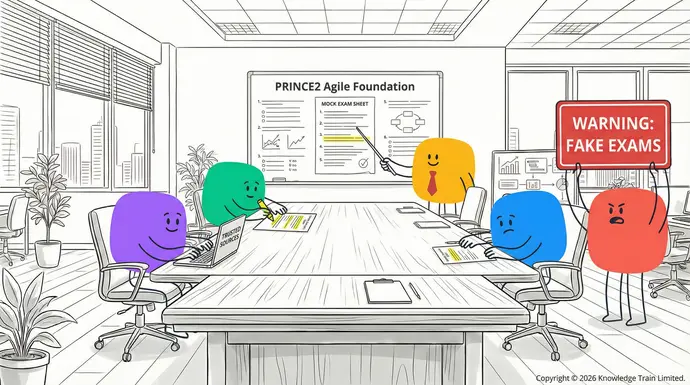
PRINCE2 Agile Foundation sample exam questionsSubscribe now
image
Evaluate the quality of PRINCE2 Agile Foundation sample exam questions available online. Read this guide to find reliable practice resources.{"@context":"https://schema.org","@type":"ImageObject","contentUrl":"https://www.knowledgetrain.co.uk/training-courses/res/images/business-analysis/business-analysis-technique-swot-analysis-800x2635.webp","description":"Business analysis technique | SWOT","license":"https://www.knowledgetrain.co.uk/license","acquireLicensePage":"https://www.knowledgetrain.co.uk/license","creditText":"Knowledge Train","uploadDate":"2023-05-16T08:24:49.000Z","copyrightNotice":"© 2023 Knowledge Train Limited. All rights reserved.","creator":{"@type":"Organization","name":"Knowledge Train","url":"https://www.knowledgetrain.co.uk"}}
Related articles
Project Management Body of Knowledge (PMBOK)<sup>®</sup> – Book Review
Project Management Body of Knowledge (PMBOK) ® – Book Review
image
Explore a thorough review of the PMBOK® Guide - Seventh Edition, detailing its relevance and use in project management. Read on to assess its value for your projects.
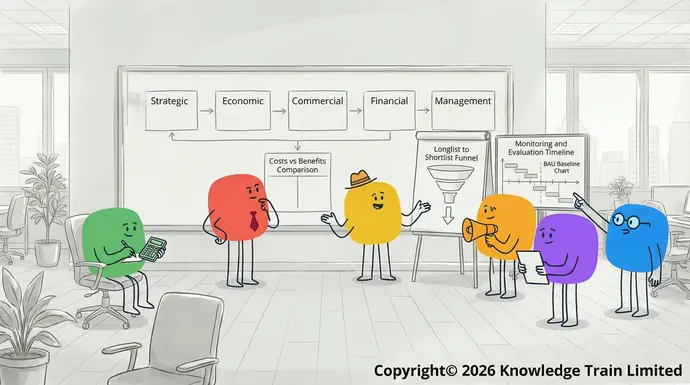
HM Treasury Green Book – what is it?
image
Discover the HM Treasury Green Book's guidelines for evaluating policies and projects. Read on to understand its monitoring and evaluation directives.Uncovering the benefits of PESTLE analysis for informed decision-making
Portfolios and portfolio management
image
Understand the strategic benefits of project portfolio management in aligning projects with organizational goals. Learn more by reading on.How to become a business analyst with no experience?
How to write a business case
image
Master the art of writing a compelling business case to secure project investment. Learn essential skills on business analyst courses by reading further.Unlocking organisational potential with the POPIT model