to project risk managementA Project Management Office (PMO) is an organisational structure that defines and maintains project management standards, supports project teams, and ensures alignment with business objectives. PMOs play a crucial role in enabling successful project, programme and and how to protect your projects from potential risks.practicesportfolio management
Understanding project risks, reinforcing by offering governance, methodology, resource management and oversight.
Definition of project riskcontinual improvementThe concept of a PMO has evolved as organisations recognise the need for a dedicated group to enhance consistency, optimise resources, and improve
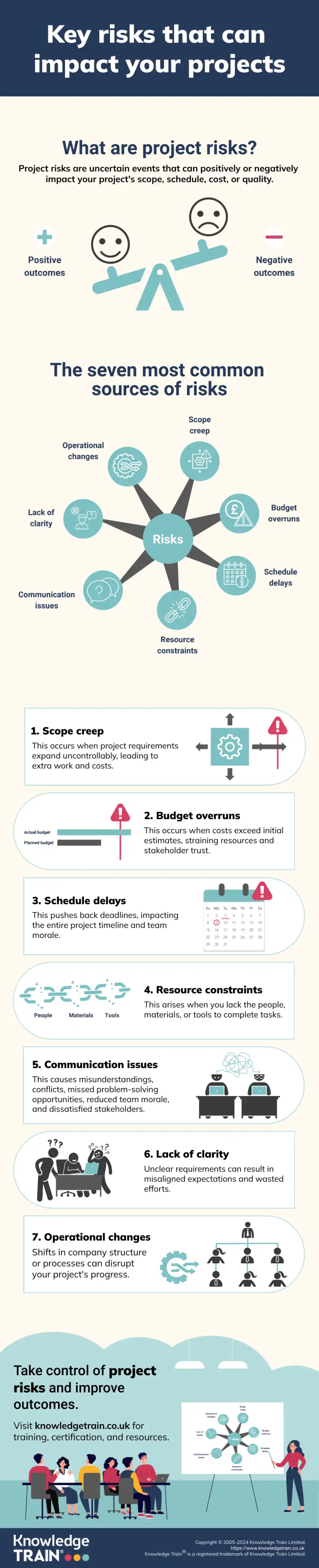
A .project deliveryproject riskIntegrates outcomes. PMOs may operate at the project, programme, or portfolio level and are commonly found in sectors such as refers to an uncertain event or condition that, if it occurs, has the potential to either positively or negatively affect the outcome of a project. Risks can impact project objectives such as scope, schedule, cost, or quality. Examples of project risks include changes in customer requirements, budget constraints, delays in schedules, technical issues, resource shortages, and more.agileIT
Types of project risks, , government, construction, and finance.
Project risks can be classified into various categories, including:DevOpsPMO functions and roles
- Internal risks, and lean methodologies.PMOs perform a wide range of functions, adapting their roles according to organisational needs. The main functions and roles typically include:: These risks originate from within the project or the organisation itself. They can be related to factors such as team dynamics, resource availability, or management decisions.Differences from earlier versions:Governance:
- External risksBroader focus from ITSM processes to end-to-end service and value delivery. Establishing frameworks, processes and controls for effective decision-making and : These risks arise from factors outside the project’s control, such as economic conditions, regulatory changes, natural disasters, or market trends.Greater adaptability for digital businesses and cloud environments.risk management
- Technical risksImproved role of value streams and stakeholder experience. across the project lifecycle.: Technical risks are associated with the technology or methodologies used in the project. They may involve issues like software glitches, hardware failures, integration challenges, or inadequate technical expertise.Core principles of ITIL 4Standardisation:
- Financial risksFocus on value Implementing and maintaining : Financial risks impact the project’s budget, funding, or financial resources. They can include factors like unexpected cost overruns, currency fluctuations, or inadequate financial planning.Start where you areproject management methodologies
- Operational risksProgress iteratively with feedback, best practices, and standards.: Operational risks affect the day-to-day functioning of the project. They can encompass issues like human errors, process inefficiencies, supply chain disruptions, or equipment failures.Collaborate and promote visibilitySupport:
- Strategic risksThink and work holistically Providing guidance, templates, tools, training and mentoring for Project Managers and teams.: Strategic risks influence the project’s alignment with the organisation’s overall business goals. They may involve risks related to changing market demands, competitive pressures, or organisational changes.Keep it simple and practicalMethodology Enforcement:
Impact of risks on project successOptimise and automate Ensuring consistent application of
Risks can have a variety of impacts on a project’s success:Core processes and practicesproject management approaches
- Positive effectsITIL outlines essential for delivery excellence.: These could include opportunities for innovation or efficiency improvementsprocessesResource Management:
- Negative effects for effective IT Service Management within a Coordinating allocation and utilisation of project personnel, tools, and budgets.: These could lead to delays, cost overruns, or quality issues.service lifecyclePortfolio Management
Effective context. In ITIL 4, these are termed :risk managementpractices Overseeing and prioritising is important for minimising negative impacts and maximising the potential for opportunities and overall project success.:projects
By identifying and assessing risks, Incident management to align with strategic objectives and maximise value.project managersProblem managementProcess Improvement: can develop contingency plans and take proactive steps to mitigate potential problems. This helps increase the chances of achieving project goals and delivering value to stakeholders.Change management Reviewing and refining
Common project management risksIncrementally enhance services and practicesOrganisations may adapt their PMO model based on size, maturity, and strategic needs. A PMO may evolve from supportive to controlling or directive as project management capability matures.
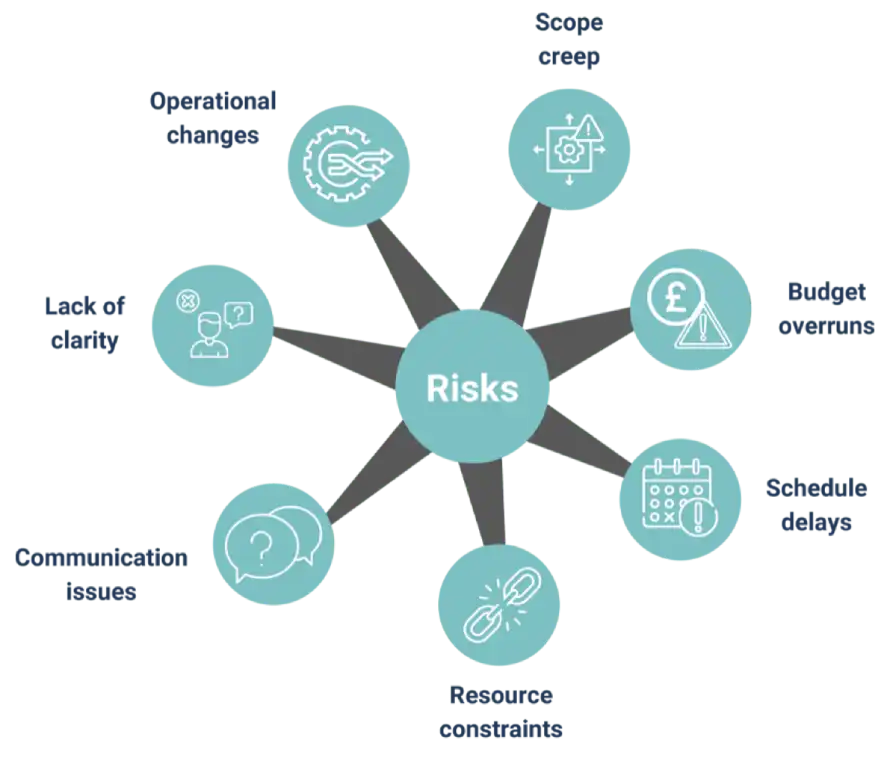
Scope creepRoles and responsibilities in ITIL
- FAQs
Can a PMO be one person?
Yes, a
Project Management Office (PMO)
can consist of just one person. In smaller organisations or teams, a single PMO professional may handle essential functions such as tracking project performance, standardising documentation, and supporting
Project Managers
.Although capacity is limited, even a one-person PMO can significantly improve project consistency and governance by establishing clear standards and frameworks.
How does a PMO add value?
A
PMO
adds value by improving project success rates, optimising resource allocation, and ensuring projects align with organisational objectives. It also enhances communication across teams, enforces compliance with methodologies, and provides transparency on project performance through dashboards and reporting.
Ultimately, a well-functioning PMO ensures that project investments deliver measurable business benefits.
Is PMO a stressful job?Whether a
PMO role
is stressful depends on the organisation’s structure and culture. When supported by leadership and empowered to influence project decisions, PMO professionals typically thrive. However, if the PMO is under-resourced or lacks authority, managing multiple priorities without visible impact can create pressure and stress.
Strong governance, clear goals, and management support help minimise stress and enable PMO teams to work effectively.
What are the 4 P’s of PMO?
The 4 P’s of a
PMO are
- People, Product, Process,
- and
- Project
- :
People:
Define clear roles and responsibilities for the project team.
Product: Ensure the right deliverables reach the right stakeholders.Process:
Implement consistent procedures to manage and control delivery.
- PMO
- stands for Project Management Office
. It is an organisational function responsible for standardising governance processes, sharing methodologies,
tools
, and
- techniques, and improving overall project success.A PMO may vary in size—from a single individual to an enterprise-wide team—but its purpose remains the same: to improve project performance and ensure alignment with
- business strategy.
- What is the difference between a PMO and a Project Manager?
Tools and techniques for project risk managementp>Whether a PMO role is stressful depends on the organisation’s structure and culture. When supported by leadership and empowered to influence project decisions, PMO professionals typically thrive. However, if the PMO is under-resourced or lacks authority, managing multiple priorities without visible impact can create pressure and stress.
Risk register>
A p>Strong governance, clear goals, and management support help minimise stress and enable PMO teams to work effectively. risk register>"}},{"@type":"Question","name":"What are the 4 P’s of PMO?","acceptedAnswer":{"@type":"Answer","text":" is a document that lists all identified risks along with their potential impact and planned mitigation. Components to include are:p>The 4 P’s of a PMO are
- Risk descriptionstrong>People, Product, Process,5 reasons to study ITIL Foundation online
- Probability and impact assessment> and
- Risk ownerstrong>ProjectSimon Buehring
- Mitigation strategies>:27 Mar 2026
- Contingency plans.>
Maintain your risk register throughout the project, regularly updating it as needed.ul>Discover why studying ITIL Foundation online is efficient and effective. Read this article for insights on online learning advantages.
SWOT analysisli>
SWOT analysisstrong>People: is used to identify factors that may impact your project:> Define clear roles and responsibilities for the project team.
- Strengths: Project advantages>
- Weaknesses: Areas for improvementli>
- Opportunities: Potential benefitsstrong>Product:
- Threats: Possible risks.> Ensure the right deliverables reach the right stakeholders.
Performing a SWOT analysis gives you a well-rounded view of your project’s risk landscape.>What is GDPR?
Brainstorming sessionsli>
Organise structured strong>Process:Simon Buehringbrainstorming sessions> Implement consistent procedures to manage and control delivery.19 Feb 2026 with your team to identify potential risks. Encourage open discussion and creative thinking. Techniques you can use include:>
- Nominal group techniqueli>GDPR has significantly changed data protection in the EU. Learn what it means for you and your organization by reading on.
- Affinity diagrammingstrong>Project:
- Mind mapping.> Oversee the successful execution of initiatives aligned with strategy.
Brainstorming sessions can help identify risks that might be overlooked otherwise.>
Project management software>"}},{"@type":"Question","name":"What are the different types of PMOs?","acceptedAnswer":{"@type":"Answer","text":"
Project management softwarep>The three main types of PMOs are: is a valuable tool for helping to streamline your risk management processes. Features to consider include:>
- Risk tracking and monitoringul>
- Automated alerts for risk triggersli>DevOps careers: Free ebook
- Collaboration tools for team communicationstrong>Supportive PMO:
- Reporting capabilities for stakeholder updates.> Provides templates, best practices, and guidance to Project Managers.Simon Buehring
Project management software can greatly improve your ability to manage risks throughout your project.>19 Feb 2026
Strategies for mitigating common project risksli>
Preventing scope creepstrong>Controlling PMO:DevOps is shaping modern IT careers. Download our free ebook to understand DevOps job roles, qualifications, and salary expectations.
- Clearly define project boundaries and scope during the planning stage> Enforces standards, methodologies, and reporting requirements.
- Implement a change control process to evaluate and approve scope changes>
- Communicate the impact of scope changes to all stakeholders.li>
Managing budget risksstrong>Directive PMO:
- Accurate cost estimation and inclusion of contingency reserves> Takes direct ownership of project delivery and management.
- Regular budget monitoring and reporting>
- Cost control measures and prioritisation of expenses.>
Addressing schedule delaysp>Each type varies in authority and responsibility, depending on organisational needs and project complexity.DevOps certification roadmap
- Utilise >"}},{"@type":"Question","name":"What does a PMO do?","acceptedAnswer":{"@type":"Answer","text":" critical path analysisp>A PMO establishes and maintains project management standards across the organisation. It supports Project Managers, ensures project governance, and aligns initiatives with business goals. The PMO often oversees project portfolios to prioritise strategic investments and optimise resource use.Simon Buehring to identify key milestones and dependencies>"}},{"@type":"Question","name":"What does PMO stand for?","acceptedAnswer":{"@type":"Answer","text":"6 Mar 2026
- Build buffer time into p> project schedulesstrong>PMOExplore the DevOps certification roadmap and how it can help in career advancement. Read on to understand the qualifications offered by the DevOps Institute.
- Regularly review and adjust timelines based on progress updates.> stands for Project Management Office. It is an organisational function responsible for standardising governance processes, sharing methodologies, tools, and techniques, and improving overall project success.
Optimising resource allocation>
- Conduct thorough resource planning at the outset of the projectp>A PMO may vary in size—from a single individual to an enterprise-wide team—but its purpose remains the same: to improve project performance and ensure alignment with business strategy.
- Utilise >"}},{"@type":"Question","name":"What is the difference between a PMO and a Project Manager?","acceptedAnswer":{"@type":"Answer","text":" resource levellingp>The difference between a PMO and a Project Manager lies in scope and responsibility. A Project Manager delivers specific projects, managing budgets, timelines, and teams. The PMO, however, provides governance, guidance, and support to multiple projects, ensuring consistency and strategic alignment across the organisation. >"}},{"@type":"Question","name":"What is the purpose of a PMO?","acceptedAnswer":{"@type":"Answer","text":" techniques to balance workloads <
- p>The primary purpose of a PMO is to introduce structure, consistency, and strategic alignment to project management practices. By standardising processes and methodologies, a PMO helps organisations improve project success rates and realise greater value from project investments.Maintain a skills inventory to quickly identify and address skill gaps.
What is GDPR?
- Knowledge Train
- 29 Apr 2026
- The General Data Protection Regulation (GDPR) is the leading data protection law in the European Union, establishing standards for personal data processing. This guide explains GDPR’s principles, individual rights, organisational responsibilities, penalties, and compliance tips.