p>PRINCE2 Practitioner training provides students with an understanding of how to apply PRINCE2 on non-complex projects. Students gain an understanding of:
>
- ul>
- li>
- span>How to tailor the PRINCE2 themes, processes, and management products in a non-complex project scenario
- >
- >
- li>
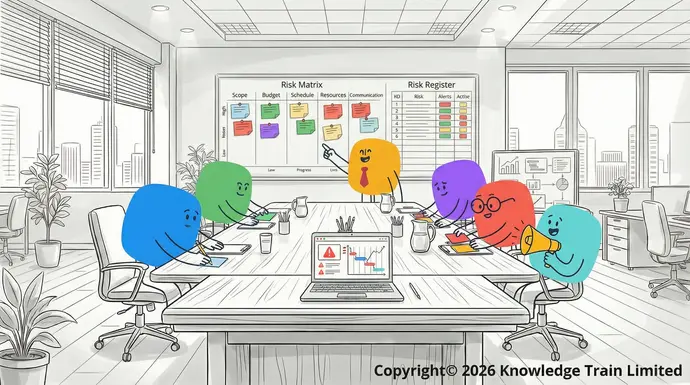
li>Closing a project.Common project management risks
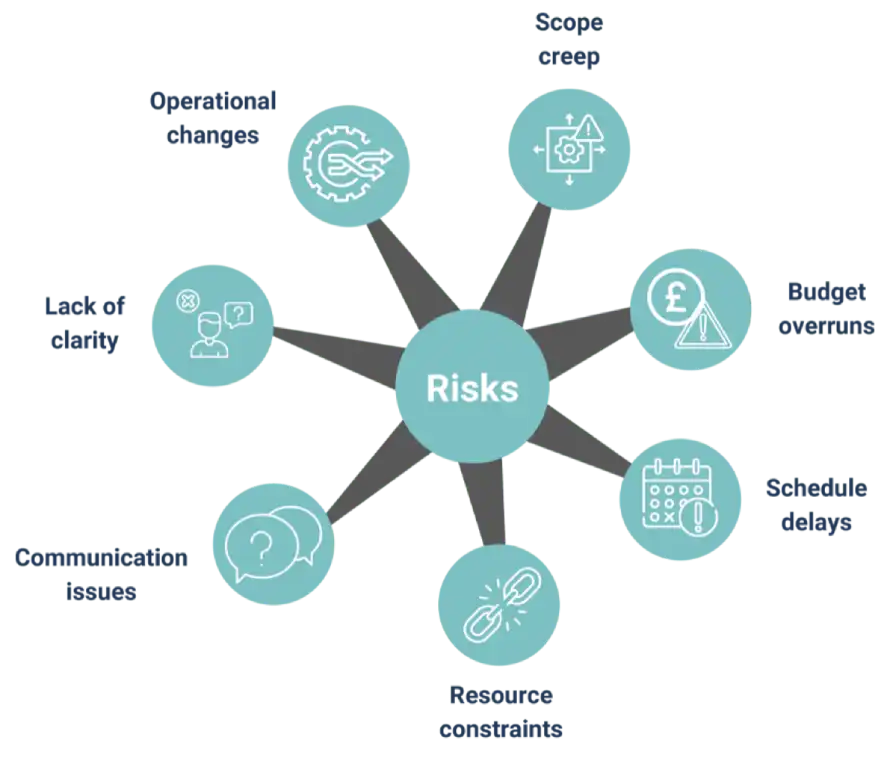
>Scope creepImplementing McKinsey 7S >Common causes <
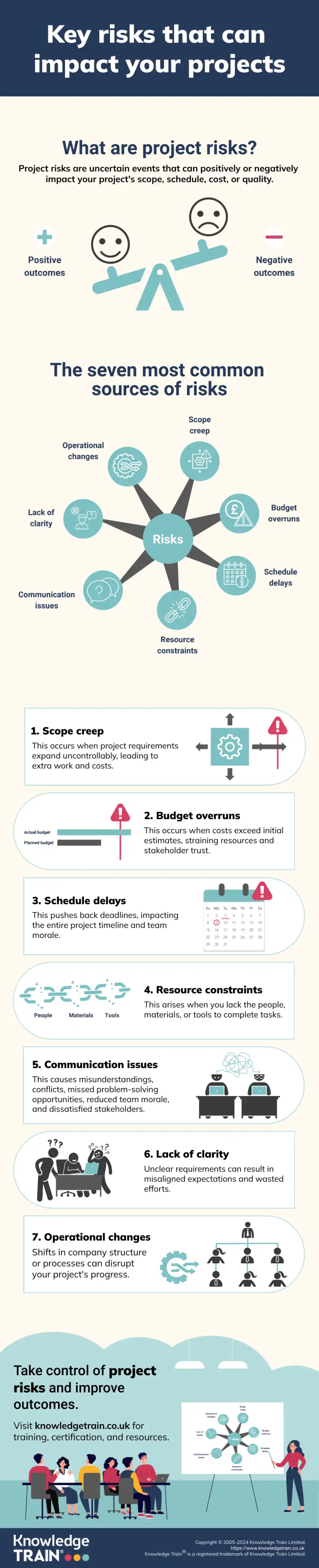
h5>Exam prepScope creepApplications 5> is the uncontrolled expansion of a project’s scope without corresponding adjustments to time, budget, and resources. Common causes of scope creep include ambiguous initial requirements, lack of change control processes, Stakeholder pressure for additional features, and insufficient stakeholder engagement. <
ul>ImpactBenefits and limitations<
li>How to approach the examScope creep can have several impacts on a project:
- >It can increase the project’s duration, require more resources and increase costsCase study <
- li>Two sample exams.It can lead to delays and missed deadlines
- >It can cause the project to lose focus and drift away from its original objectivesConclusion
- >","about":"PRINCE2 Practitioner (with Foundation) self-paced online course","abstract":"It can lead to team burnout and demotivation. <
p>PRINCE2 Foundation & Practitioner self-paced online course with 12 months access, exam and certificationTo prevent scope creep, it is crucial to have a clear understanding of the project’s objectives and requirements, and to establish change control processes to manage and approve any changes to the project scope.FAQs
>","copyrightHolder":"Knowledge Train","keywords":[""],"offers":{"@type":"Offer","url":"https://www.knowledgetrain.co.uk/project-management/prince2/prince2-course/prince2-practitioner","price":"899","priceCurrency":"","availability":"http://schema.org/InStock","category":"Paid","validFrom":"2026-05-27"},"hasCourseInstance":[{"@type":"CourseInstance","name":"PRINCE2 Foundation self-paced online","description":"PRINCE2 Foundation self-paced online","url":"https://www.knowledgetrain.co.uk/project-management/prince2/prince2-course/prince2-foundation","image":"https://www.knowledgetrain.co.uk/training-courses/res/logos/axelos-peoplecert-prince2-accredited-training-organisation-logo.svg","courseMode":"Online","maximumAttendeeCapacity":"16","performer":{"@type":"Person","name":"Susan Tuttle"},"location":{"@type":"VirtualLocation","url":"https://www.knowledgetrain.co.uk/project-management/prince2/prince2-course/prince2-foundation"},"offers":{"@type":"Offer","url":"https://www.knowledgetrain.co.uk/project-management/pBudget overruns rince2/prince2-course/prince2-foundation","price":null,"priceCurrency":null,"availability":"http://schema.org/InStock","validFrom":"2026-05-27"},"courseSchedule":{"@type":"Schedule","startDate":"1970-01-01","endDate":"1970-01-01","repeatCount":1,"repeatFrequency":"Daily"}},{"@type":"CourseInstance","name":"PRINCE2 Practitioner self-paced online","description":"PRINCE2 Practitioner self-paced online","url":"https://www.knowledgetrain.co.uk/project-management/prince2/prince2-course/prince2-practitioner","image":"https://www.knowledgetrain.co.uk/training-courses/res/logos/axelos-peoplecert-prince2-accredited-training-organisation-logo.svg","courseMode":"Online","maximumAttendeeCapacity":"16","performer":{"@type":"Person","name":"Susan Tuttle"},"location":{"@type":"VirtualLocation","url":"https://www.knowledgetrain.co.uk/project-management/prince2/prince2-course/prince2-practitioner"},"offers":{"@type":"Offer","url":"https://www.knowledgetrain.co.uk/project-management/prince2/prince2-course/prince2-practitioner",
"price":null,"priceCurrency":null,"availability":"http://schema.org/InStock","validFrom":"2026-05-27"},"courseSchedule":{"@type":"Schedule","startDate":"1970-01-01","endDate":"1970-01-01","repeatCount":1,"repeatFrequency":"Daily"}},{"@type":"CourseInstance","name":"PRINCE2 Practitioner (with Foundation) self-paced online","description":"PRINCE2 Practitioner (with Foundation) self-paced online","url":"https://www.knowledgetrain.co.uk/project-management/prince2/prince2-course/prince2-practitioner","image":"https://www.knowledgetrain.co.uk/training-courses/res/logos/axelos-peoplecert-prince2-accredited-training-organisation-logo.svg","courseMode":"Online","maximumAttendeeCapacity":"16","performer":{"@type":"Person","name":"Susan Tuttle"},"location":{"@type":"VirtualLocation","url":"https://www.knowledgetrain.co.uk/project-management/prince2/prince2-course/prince2-practitioner"},"offers":{"@type":"Offer","url":"https://www.knowledgetrain.co.uk/project-management/prince2/prince2-course/prince2-practitioner","priceCommon causesInfographic":null,"priceCurrency":null,"availability":"http://schema.org/InStock","validFrom":"2026-05-27"},"courseSchedule":{"@type":"Schedule","startDate":"1970-01-01","endDate":"1970-01-01","repeatCount":1,"repeatFrequency":"Daily"}}]}
Budget overrunsIntroduction to the McKinsey 7S model occur when the actual cost of a project exceeds the initially allocated budget. Common causes of budget overruns include inaccurate cost estimation, scope changes, unforeseen expenses, and poor resource management.Origins and developmentNeed training for your team?
ImpactThe Easily enrol multiple courses online in a single checkout, or
Prevent budget problems by performing a detailed cost analysis and ensuring financial reporting is transparent throughout the project.McKinsey 7S modelrequest a bespoke quote
Schedule delays emerged in 1978, developed by consultants Tom Peters, Robert Waterman Jr., Richard Pascale and Anthony Athos at McKinsey & Company. This innovative framework addressed a critical gap in organisational theory. Prior to its creation, companies primarily focused on structural aspects for effectiveness. The 7S Model expanded this perspective, recognising that multiple interconnected factors contribute to organisational success. for tailored group training.
Common causesOverview of the 7S framework
Schedule delaysThe model comprises can occur due to a variety of reasons:seven elements
- Unrealistic time estimates, categorised as either ‘hard’ or ‘soft’:Knowledge Train were efficient and supportive when organising my training and exam booking, which helped the experience feel seamless.
- Resource unavailabilityHard elements are easier to identify and manage:Patrick J., Project Lead
- Dependency conflictsStrategyWhy choose Knowledge Train?
- External factors (e.g. weather, supplier delays).Structure Proven exam success
ImpactSystems.
Schedule delays can lead to missed deadlines and milestones, increased costs due to prolonged project duration, reduced stakeholder satisfaction and potential loss of competitive advantage.Soft elements: Our PRINCE2 learners achieve pass rates well above national averages.
To address time-related risks, implement effective project scheduling techniques and regularly monitor project progress.Shared values PeopleCert-certified
Resource constraintsSkills
Types of resource risksStyle Accredited PRINCE2 training provider and exam partner.
Resource risksStaff. Expert trainers can take various forms, such as:These components form a cohesive system, emphasising that changes in one area inevitably affect others. The model’s strength lies in its holistic approach, highlighting the importance of alignment across all elements. By considering these factors collectively, organisations can achieve greater effectiveness and navigate change more successfully.
- Skill shortagesThe 7 elements of the McKinsey model Accredited project professionals with years of real-world experience.
- Equipment or material unavailabilityHard elements Free resit guarantee
- Insufficient fundingThe McKinsey 7S Model comprises three hard elements that are more easily identifiable and manageable:
- Limited time availability.Strategy Retake your exam at no extra cost if you don’t pass first time.
Impact on project performance: This element outlines how the organisation plans to achieve its long-term objectives and how it allocates its resources to implement these plans. An effective strategy aligns with the company’s mission and adapts to changing market conditions. It guides decision-making processes and resource allocation across the organisation. All-inclusive pricing
Resource constraints can result in reduced productivity, compromised quality of deliverables, increased stress on team members and potential project delays.Structure
Conduct thorough resource planning and maintain open communication with stakeholders to proactively address resource-related issues.: This refers to the organisational hierarchy and how different departments and teams are organised. The structure determines reporting lines, decision-making authority, and communication channels. An optimal structure facilitates efficient operations and supports the implementation of the strategy. Course, exam, materials, and certification — all in one price.
Communication issuesSystems Trusted by top organisations
Importance of effective communication: These encompass all procedures, processes, and technologies that support daily operations. Systems include everything from
Effective communicationIT Chosen by professionals from NHS, BBC, HSBC, and many more. is vital for project success. It facilitates alignment of project objectives, timely issue resolution, stakeholder engagement and buy-in and efficient team collaboration. infrastructure to performance management processes. Well-designed systems enhance productivity and ensure consistent quality across the organisation.
Consequences of poor communicationSoft elements
Poor communication can lead to misunderstandings and conflicts, missed opportunities for problem-solving, reduced team morale and productivity and stakeholder dissatisfaction.The four
Establish clear communication channels and protocols to promote open and transparent dialogue throughout the project.soft elements
Lack of clarity are less tangible but equally crucial for organisational success:
Sources of unclear requirementsShared values
Unclear requirements: These are the core principles and beliefs that guide the organisation’s behaviour. Shared values form the foundation of corporate culture and influence decision-making at all levels. They should align with the organisation’s mission and strategy. can stem from ambiguous project objectives, insufficient stakeholder input, lack of detailed documentation and changing business needs.Skills
Effects on project outcomes: This element represents the collective capabilities and expertise of the organisation’s workforce. It includes both technical and soft skills. Continuously developing and aligning skills with strategic objectives is essential for maintaining competitive advantage.
Enhance your skills with our expert-led courses
- Self-paced
BCS Foundation Certificate in Business Analysis self-paced online
BCS International Diploma in Business Analysis self-paced online
- £2,199 +vat
Self-paced
BCS Business Analysis Practice self-paced online
£749 +vat
- Implementing the McKinsey 7S model
- Analysing current stateTo effectively implement the
- McKinsey 7S Model
- , begin by examining your organisation’s current state. This involves a thorough analysis of the seven elements:
strategy, structure
,
systems
- , shared values
- , style
- , staff
, and
skills
. Each component should be evaluated individually to understand its present condition. Engage with key stakeholders to gather insights and perspectives. Use surveys and interviews to collect data, ensuring a comprehensive understanding of each element. The goal is to establish a clear baseline that will guide future improvements and alignments.
- Identifying gaps and misalignmentsOnce the current state is assessed, focus on identifying any gaps and misalignments among the seven elements. These discrepancies can hinder organisational effectiveness and should be addressed promptly. Compare the current state with the desired future state to pinpoint areas needing attention. Look for inconsistencies between strategy
- and structure
- , or mismatches in skills
- and staff
deployment. Prioritise issues that have the most significant impact on performance. This step is crucial for setting the foundation for an actionable plan that addresses these discrepancies.
Developing an action plan
With a clear understanding of gaps and misalignments, the next step involves crafting an actionable plan. This plan should address each of the seven elements with specific, measurable objectives. Assign responsibilities and timelines to ensure accountability. Develop strategies to realign misaligned elements, such as restructuring teams or enhancing
- skills
- through targeted training. Regularly review progress and adjust the plan as necessary to maintain alignment. Effective communication is key; keep all stakeholders informed and engaged throughout the process. This strategic approach encourages sustainable change and enhances organisational performance.
- Applications of the 7S framework
- Strategic planning
The McKinsey 7S Model serves as a powerful tool for
strategic planning
,
structure
, systems, and
- shared values
- , organisations can achieve greater alignment and efficiency. Although implementing the model requires effort, its benefits in fostering sustainable change are substantial. We encourage organisations to apply this framework to identify misalignments and develop targeted action plans. By doing so, they can enhance performance and create a cohesive organisational culture. Embracing the McKinsey 7S Model can lead to long-term success and resilience in a competitive environment.
- FAQs
What is the McKinsey 7S model used for?
The
McKinsey 7S Model is utilised for evaluating organisational effectiveness by analysing seven interdependent elements:
- strategy
- ,
- structure
- ,
systems
,
shared values
- ,
- style
- ,
staff
- , and
- skills
- .
How do organisations benefit from the model?
- Organisations benefit by achieving alignment between these elements, which enhances overall efficiency and effectiveness. It aids in identifying gaps and formulating targeted action plans.Are there any limitations?The model requires significant resources to implement properly and primarily focuses on internal factors, which may necessitate additional frameworks for external analysis.
- InfographicSubscribe to our exclusive offers and promotions
Subscribe now
- {"@context":"https://schema.org","@type":"ImageObject","contentUrl":"https://www.knowledgetrain.co.uk/training-courses/mckinsey-7-s-model-business-analysis-technique-890x501.webp","description":"PRINCE2 Careers","license":"https://www.knowledgetrain.co.uk/license","acquireLicensePage":"https://www.knowledgetrain.co.uk/license","creditText":"Knowledge Train","uploadDate":"2023-05-16T07:19:20.000Z","copyrightNotice":"© 2023 Knowledge Train Limited. All rights reserved.","creator":{"@type":"Organization","name":"Knowledge Train","url":"https://www.knowledgetrain.co.uk"}}
- {"@context":"https://schema.org","@type":"ImageObject","contentUrl":"https://www.knowledgetrain.co.uk/training-courses/res/images/business-analysis/mckinsey-s-s-model-gap-analysis-infographic-800x3660.webp","description":"McKinsey 7-S model business analysis technique infographic.","license":"https://www.knowledgetrain.co.uk/license","acquireLicensePage":"https://www.knowledgetrain.co.uk/license","creditText":"Knowledge Train","uploadDate":"2023-05-16T07:19:20.000Z","copyrightNotice":"© 2023 Knowledge Train Limited. All rights reserved.","creator":{"@type":"Organization","name":"Knowledge Train","url":"https://www.knowledgetrain.co.uk"}}
- Related articles