How to create an effective project plan28 Apr 2026

Key takeawaysClear requirements and validation reduce project risk and improve solution fit, cost and feasibility.
An effective project plan aligns scope, time, cost, resources, and communication into one workable roadmap.Techniques like SWOT, gap analysis, process modelling and data analysis expose opportunities and bottlenecks.
- Start with an executive summary that clarifies purpose, outcomes, timing, budget, and headline risks.Embedding analysis in governance strengthens planning, transparency and measurable outcomes.
- Define scope and acceptance criteria early to prevent scope creep and manage expectations.Rigour can be maintained alongside speed by using consistent standards, templates and lightweight frameworks.
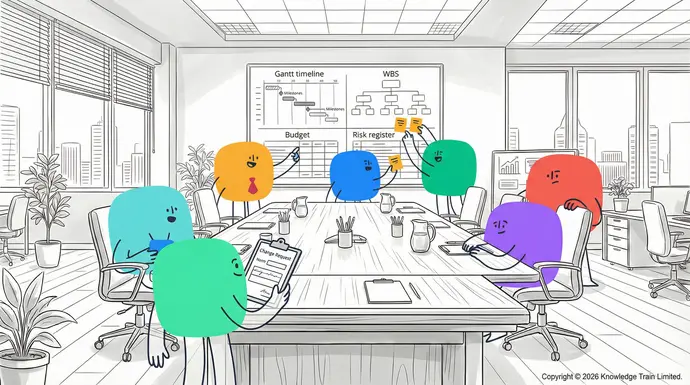
- Use a WBS and a timeline with dependencies to make work, milestones, and the critical path visible.
- Allocate resources realistically, including skills, tools, contractors, and contingency budget.
- Manage risk and change proactively with owners, mitigation actions, and a clear approval process.
- Review and update the plan regularly, supported by consistent stakeholder communication.Contents
Introduction is a professional discipline that involves understanding business needs and problems, eliciting and documenting requirements, and proposing solutions that drive
What is a project planprocess improvement
A and deliver value. It acts as a bridge between stakeholders and technical teams, ensuring that strategic objectives are aligned with operational execution. Reputable bodies such as the project planInternational Institute of Business Analysis (IIBA) is a document that outlines the objectives, scope, structure, resources, and timeline of a project. It serves as a roadmap for project managers and team members to guide them through the project lifecycle. define business analysis as the practice of enabling change in an organisational context by defining needs and recommending solutions that yield benefits for key stakeholders.
- Definition and purposeThe objectives and value of business analysis: A project plan defines the goals of a project and how to achieve them. It provides a structured approach to project execution and management.Identifying business needs and opportunities for improvement
- Key componentsSupporting stakeholders in achieving strategic goals: Essential elements include:Facilitating
- Executive summarychange management
- Project scope processes
- Work Breakdown StructureReducing project risk through clear requirements and solution assessment (WBS)Ensuring solutions are feasible, cost-effective, and aligned with business requirements
- Timeline and milestonesBusiness analysts enable informed decision-making, increase process efficiency, and help organisations remain competitive.
- Resource allocationKey responsibilities of a business analyst
- BudgetThe
- Risk management plan.business analyst
- Importance plays a critical role throughout project lifecycles and change initiatives. Their main responsibilities include:: Effective project plans:Requirements elicitation:
- Keep Facilitating workshops, interviews, and surveys to gather needs from stakeholdersprojectsRequirements documentation: on track Creating clear business and technical requirements using various formats (e.g.,
- Prevent scope creepuser stories
- Improve resource management, use cases)
- Enhance communicationGap analysis and feasibility studies:
- Increase project success rates. Assessing current and desired future states to highlight improvements and evaluate solution viability
A project plan is a vital part of Stakeholder engagement:project management Communicating with diverse stakeholders to ensure requirements are validated and aligned, as it outlines the steps needed to complete a project, as well as the resources and stakeholders involved.Process mapping and
Project planning processbusiness process modelling
Understanding the project planning phase:
It’s time to understand the project planning phase. This is an essential step in the project management process, and one that will have a significant impact on your chances of successfully completing your project. Let’s look at the project lifecycle in general and then the key tasks that make up the planning phase. Visualising workflows for process improvement opportunities
Project management lifecycle overviewSolution assessment and validation:
The four phases of the project management lifecycle are as follows: Reviewing proposals to ensure solutions address documented
- Project initiationrequirements: This is where you first identify a business need or problem, then offer a potential solution. Key activities here include: and deliver value
- Preparing a project charterChange management
- Identifying project stakeholders:
- Conducting feasibility studies and research. Supporting the transition of solutions into the business and managing effects on people and processes
- Project planningMain business analysis processes: This is the second phase and an extremely important one. We will be discussing this in more detail below.Process
- Project executionDescription: This phase sees your team begin to execute the project plan. This involves:Requirements elicitation
- Allocating and managing resourcesGathering information from stakeholders using interviews, workshops, observation, and document analysis
- Tracking progressRequirements documentation
- Communicating with stakeholders.Capturing business and technical requirements in written formats, such as
- Project close-outuser stories: The last phase involves looking back at your project, analysing its success, and determining what can be improved upon next time. Key activities include:, use cases, or requirement specifications
- Reviewing project performanceRequirements validation
- Conducting a post-mortemEnsuring requirements are accurate, feasible, and aligned with business goals
- Archiving documents.Stakeholder engagement
Key tasks in the project planning phaseBuilding relationships with all parties affected by the change to ensure their needs are met
The planning phase of a project typically includes the following important activities:Process improvement
- Establishing a budgetAnalysing existing workflows and recommending enhancements for efficiency: The cost estimate and allocation of financial resources is a critical step. The following may be considered:Solution assessment
- LabourEvaluating potential solutions against requirements
- Materials and equipmentChange management
- Overheads.Supporting successful adoption of new processes or systems
- Defining the project scheduleCommon business analysis techniques: It is necessary to create a timeline to include:SWOT analysis
- Duration of tasks:
- Milestones Identifying strengths, weaknesses, opportunities, and threats related to a business area or solution
- Task dependencies.Gap analysis:
- Developing WBS Comparing current and target states to identify improvement areas: A Work Breakdown Structure (Use case modelling:WBS Mapping user interactions with systems to define requirements) is a hierarchical representation of the project. The following are useful:Business process modelling:
- Identification of all necessary tasks Creating diagrams (such as BPMN) to visualise business processes
- Assignment of responsibilitiesStakeholder analysis:
- Resource estimation. Identifying stakeholder interests, influence, and engagement needs
- Identification of resourcesUser stories: The resources needed to complete the project need to be identified. The following may be considered::
- Human resources (team members, skills required) Documenting concise functional requirements, typically in Agile projects
- Equipment and toolsFeasibility study:
- Materials and supplies. Analysing proposed solutions for practicality and viability
- Evaluating potential roadblocksData analysis:: Conducting a risk assessment involves: Using quantitative and qualitative data to inform decision-making
- Identification of risks and potential issuesBusiness analysis tools and methodologies
- Development of risk mitigation strategiesKey tools
- Creation of contingency plans.Requirements management software (for example, Jira, Confluence, or Azure
- What is the BABOK?Cash flow projections, if applicable.
ct and increase the likelihood of its success.delivering projects
Communication plan within scope, time, and budget constraints.
Define a Subscribe to our exclusive offers and promotionscommunication plan, which should:Subscribe now
- Identify the key stakeholders and their information needs
- Describe the communication methods and frequency
- Establish reporting structures and escalation procedures
- Specify the tools and platforms for information sharing.
- Trello : A visual, card-based task management platform that is great for team collaboration and keeping tasks organised
- Asana : A team collaboration and project management tool with features for task tracking, project timelines, and communicationHow to become a business analyst with no experience?
- Jira : A popular Simon BuehringAgile project management19 Feb 2026 and software development tool with powerful features for sprint planning, issue tracking, and workflow automation.
When choosing a project management software, it’s important to consider your team’s needs, the complexity of your projects, and how well the software will integrate with your existing tools and systems.Explore how to start a career in business analysis with no prior experience. Read on for pathways to enter the field.
Gantt charts and timeline tools
Gantt charts are a popular tool for visualising project timelines and dependencies. Some of the best Gantt chart tools include:
- TeamGantt : A user-friendly tool for creating and collaborating on Gantt charts, with features for task tracking, file sharing, and project management
- GanttPRO : A customisable Gantt chart software with features for resource management, task assignment, and team collaborationUnlocking organisational potential with the POPIT model
- Smartsheet : A spreadsheet-like platform that combines the functionality of a project management tool with Gantt chart visualisation.Simon Buehring
These tools make it easy for 19 Feb 2026project managers to create clear and informative Gantt charts that show project timelines and milestones at a glance.Discover how the POPIT model can enhance organisational efficiency and effectiveness. Read on to find practical insights and strategies for successful implementation.
Resource management tools
Proper resource allocation and management is critical to any project’s success, so having a resource management tool can be an important part of project planning. Consider these options for managing your team’s resources:
- Resource Guru : A resource scheduling and team capacity planning tool that helps project managers avoid overallocation of team members
- Float : A resource planning and workload management tool with visual resource planning capabilities
- Forecast : A project and resource management tool with features for visual planning, team capacity management, and AI-powered insights.
By utilising these tools, you can optimise your resource utilisation and ensure that team members are not overallocated.
Useful project plan templates
There are many kinds of useful project plan templates to organise all the information you need. The ones we’ve highlighted in this list are the ones we’ve found to be the most beneficial to your project planning.
General project plan template
A general project plan template should include the following:
- Project overview and objectives
- Scope and deliverables
- Timeline and milestones
- Resource allocation
- Budget and cost estimates
- Risk management .
This type of template is a good all-round starting point for most
- Or chat with us using the link at the bottom of the screen.Allocated hours per task/project
- Capacity and availabilityContact us with questions about the courses on this page, or about which project management certification or training is best for you.
- Utilisation rates.Finance FAQs
A resource utilisation template will prevent your team members from becoming overallocated and is the key to managing your team effectively.Contact
Project cost management templateCookies
A project cost management template could include the following:Privacy
- Cost categories (e.g. labour, materials, equipment)Terms
- Estimated and actual costsCustomer Support
- Budget variance analysis
- Cost forecasting.[email protected]
A project cost management template is the most effective way to stay on top of costs and keep your project within budget.Join Our Team
Project timeline template
A risk register template is a great way to keep your projects under control from the risk perspective.
With these key tools and templates, project managers will be able to plan better and will be more successful in project delivery., MSP
Best practices for effective project planning®
Tips for creating successful project plans, ITIL
To help your projects go more smoothly, I have compiled a list of best practices for effective project planning. These tips will help you create successful project plans and increase the likelihood of your projects succeeding.®
Involving stakeholders in the planning process, P3O
To make your project planning more effective, it is important to ®involve all the stakeholders, PRINCE2 in the process. This includes not only the project team but also the customer, sponsors, and other interested parties.®
To involve stakeholders in the planning process, you can: Agile, RESILIA
- Identify all the stakeholders at the beginning of the project®
- Meet with each stakeholder to discuss their requirements and expectations, and the Swirl logo are registered trademarks of the PeopleCert group. Used under licence from PeopleCert. All rights reserved. AgilePM
- Involve stakeholders in the planning meetings and decision-making®
- Get stakeholder buy-in before starting the project. and AgileBA
Following these tips will help you create a project plan that meets the needs of all the stakeholders involved in the project.®
Maintaining flexibility in your plan are registered trademarks of Agile Business Consortium Limited. All rights reserved. The APMG International AgilePM and Swirl Device logo, APMG International AgileBA and Swirl Device Logo, APMG International Change Management and APMG International Better Business Cases and Swirl Device logo are trademarks of The APM Group Limited, used under permission of The APM Group Limited. All rights reserved. Better Business Cases™ is a trademark of Her Majesty’s Treasury. All rights reserved. DevOps Foundation
Although it is important to have a detailed project plan, it is equally important to keep your plan ®flexible is a registered mark of the DevOps Institute. “PMI”, “PMBOK. The reason for this is that no matter how well you plan a project, there will always be unforeseen circumstances that arise.®
To keep your plan flexible, you can: Guide”, “PMP” and “CAPM” are registered marks of Project Management Institute, Inc. Knowledge Train Scrum Essentials™, Business Learning Library (BLL)™, Business Analysis Learning Library (BALL)™, Agile Learning Library (ALL)™, IT Learning Library (ITLL)™, and Compliance Learning Library (CLL)™ are trademarks of Knowledge Train Limited. All rights reserved.
- Build contingency time into your project scheduleKnowledge Train Ltd is an Introducer Appointed Representative of NewDay Cards Ltd for the Newpay finance product provided by NewDay Ltd. NewDay Cards Ltd acts as a credit broker, not a lender. We will introduce you exclusively to Newpay finance products provided by NewDay Limited under this Introducer Appointed Representative arrangement. Finance available from other lenders is not covered by this arrangement. NewDay Ltd and Newday Cards Ltd are authorised and regulated by the Financial Conduct Authority (ref nos 690292 and 682417 respectively).
- Use rolling wave planning techniques for long-term projects
- Be prepared to adjust your plan as the project progresses
- Explore Agile methodologies for projects with evolving requirements.
Keeping your plan flexible will help you to deal with the unexpected without causing too much disruption to your project.Search
Regularly reviewing and updating the project plan
Your project plan is a living document that should be reviewed and updated on a regular basis. This is because as your project progresses, new information will come to light that may necessitate changes to the plan.
To review and update your project plan, you can:
- Schedule regular project plan review meetings
- Update the project plan to reflect changes in task progress or requirements
- Review the risk register and update risk mitigation plans
- Update timelines and budgets considering actual progress.
Reviewing and updating your project plan on a regular basis will help to ensure that it always reflects the current state of the project.
Ensuring clear communication throughout the project
One of the most important aspects of project planning is Request a quoteclear communication with everyone involved in the project. This includes not only your project team but also the customer, sponsors, and other stakeholders.
To communicate clearly with everyone involved in the project, you can:
- Create a communication plan at the start of the project
- Use visuals such as charts and diagrams to help communicate complex information
- Hold regular status meetings and provide status reports
- Utilise collaboration tools to enhance information sharing.
Communicating clearly with everyone involved in the project will help to avoid misunderstandings and keep everyone on the same page.Manage Consent
Leveraging project management methodologies
There are several To provide the best experiences, we use technologies like cookies to store and/or access device information. Consenting to these technologies will allow us to process data such as browsing behavior or unique IDs on this site. Not consenting or withdrawing consent, may adversely affect certain features and functions.project management methodologies that have been proven to be effective in managing projects. These include:
- Waterfall if your project has clear requirements and mostly sequential activities
- Agile if your project is more dynamic and has regular stakeholder feedback
- Hybrid approaches that mix features from multiple methodologies.Functional
The best methodology to use for your project will depend on the nature of the project and your organisation’s culture. However, by using a proven methodology, you will be better equipped to handle the challenges of project planning.
Common challenges and how to overcome them
Addressing project planning pitfalls
Project planning can be a minefield, with various pitfalls waiting to trip up even the most experienced project managers. Let’s explore some common planning mishaps and how to avoid them.
Dealing with scope creepFunctional
Scope creep happens when project requirements or features expand beyond what was initially planned. This can lead to delays and budget overruns. Always active
To avoid scope creep:
- Clearly define the project scope from the beginning
- Stick to the agreed-upon requirements and resist adding new features without a formal change request
- Regularly review and reaffirm the project scope with stakeholders.
Managing resource constraints
Projects can suffer if there aren’t enough resources (time, money, or people) allocated to complete them. To mitigate resource constraints:
- Plan resources carefully and realistically during the planning phaseThe technical storage or access is strictly necessary for the legitimate purpose of enabling the use of a specific service explicitly requested by the subscriber or user, or for the sole purpose of carrying out the transmission of a communication over an electronic communications network.
- Prioritise tasks and allocate resources based on priority
- Explore options like outsourcing or temporary staff if specialised skills are needed.
Handling unexpected changes and risks
Unexpected changes and risks can disrupt the project plan. To manage them:
- Identify and assess potential risks early in the projectPreferences
- Develop a risk management plan with mitigation strategies
- Include contingency time and budget in your plan for unforeseen events.
Overcoming communication barriers
Poor communication among team members and stakeholders can lead to misunderstandings and project delays. To improve communication:Preferences
- Establish clear communication channels and protocols
- Use collaborative tools for effective information sharing
- Hold regular team meetings and status updates.
By being aware of these common projects planning mishaps and taking proactive steps to avoid them, project managers can steer their projects towards a successful outcome.
Review and update your project plan regularly, at least once a week or after major milestones. This helps ensure that the plan stays relevant and accurate.
Can I use the same project plan template for all my projects?
You can start with a standard template but be sure to customise it for each project’s specific needs and characteristics.
What should I do if my project plan isn’t working?
Revisit the plan and identify where things are going wrong. Adjust as needed and get input from stakeholders and team members on how to improve.
How detailed should my project plan be?
A project plan should be detailed enough to guide the project execution without being so detailed that it becomes unmanageable. The level of detail will depend on the project’s complexity and size.