
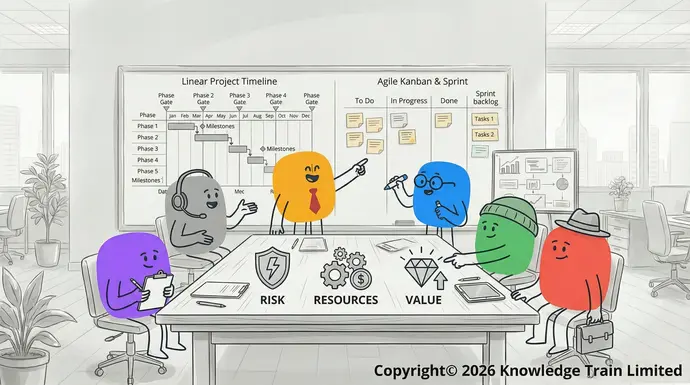
Core project management philosophies (WBS)
Project management methodologiesTimeline and milestones may be classified into two broad categories, based on their fundamental philosophies. These are Resource allocationlinearBudget and Risk management plan.iterativeImportance. It’s important to be aware of these core strategies when choosing the best approach for your project.: Effective project plans:
Linear (Waterfall) approachKeep
Description and key principlesprojects
The on trackWaterfallPrevent scope creep strategy is a linear approach where a project is broken down into distinct phases, and each phase is completed before progressing to the next. Core tenets of this approach include detailed upfront planning, comprehensive documentation at each phase, rigorous change control processes, and a strong emphasis on following the planned path.Improve resource management
Advantages and disadvantagesEnhance communication
Advantages:Increase project success rates.
- Clear structure and defined milestonesA project plan is a vital part of
- Well-defined deliverablesproject management
- Easier costs and timelines estimation., as it outlines the steps needed to complete a project, as well as the resources and stakeholders involved.
Disadvantages:Project planning process
- Limited flexibility to accommodate changesUnderstanding the project planning phase
- Late identification of issues or misalignmentsIt’s time to understand the project planning phase. This is an essential step in the project management process, and one that will have a significant impact on your chances of successfully completing your project. Let’s look at the project lifecycle in general and then the key tasks that make up the planning phase.
- Potentially longer development cycles.Project management lifecycle overview
Iterative (Agile) approachThe four phases of the project management lifecycle are as follows:
Description and key principlesProject initiation
Agile: This is where you first identify a business need or problem, then offer a potential solution. Key activities here include: methodologies, on the other hand, emphasise flexibility, collaboration, and the rapid delivery of working products. Core tenets of Agile approaches include iterative development cycles (known as sprints), continuous feedback and adaptation, close collaboration with stakeholders, and a focus on delivering value early and frequently.Preparing a project charter
Advantages and disadvantagesIdentifying project stakeholders
Advantages:Conducting feasibility studies and research.
- Adaptability to changing requirementsProject planning
- Early and frequent delivery of usable products: This is the second phase and an extremely important one. We will be discussing this in more detail below.
- Increased stakeholder satisfactionProject execution
- Quicker identification and resolution of issues.: This phase sees your team begin to execute the project plan. This involves:
Disadvantages:Allocating and managing resources
- Risk of scope creepTracking progress
- Challenges in estimating overall project timelinesCommunicating with stakeholders.
- Requires highly skilled and self-motivated team members.Project close-out
It’s worth noting that choosing between linear and iterative strategies depends on several factors, such as project complexity, stakeholder involvement, and the team’s capabilities. Additionally, some : The last phase involves looking back at your project, analysing its success, and determining what can be improved upon next time. Key activities include:projectsReviewing project performance may benefit from a hybrid approach that combines elements of both strategies to leverage their respective strengths.Conducting a post-mortem
Best use cases
Construction projects, manufacturing processes, large-scale infrastructure projects and projects with well-defined and stable requirements are particularly suitable for Waterfall.
Pros and consInstructor-led
Pros:Introduction to Project Management course
- Clear structure and timeline
- Easy to understand and manage£499 +vat
- Detailed documentation at each stage.
Cons:See all dates
- Limited flexibility for changes
- Late identification of issues
- Potentially lengthy development cycles.
Critical Path Method (CPM)Instructor-led
Key concepts and implementationProject Management Essentials
CPM is a scheduling technique for project activities. It involves identifying all necessary tasks, task dependencies, calculating the longest path of planned activities, and determining the minimum project duration.£999 +vat
Suitable projects and industries
CPM is commonly used in construction projects, product development, research initiatives, and event planning.See all dates
PRINCE2 (PRojects IN Controlled Environments)Essential elements of a project plan
Framework overviewComponents of an effective project plan
PRINCE2Executive summary is a process-based method that emphasises organisation and control. Its key features include division into manageable stages, defined roles and responsibilities, product-based planning approach and a strong focus on business justification.The
When to use PRINCE2executive summary
PRINCE2 is well-suited for large-scale government projects, IT implementations, business transformations and offers a concise overview of the entire project plan. It should:projectsA brief description of the project’s purpose and goals with a need for strict governance.Highlights of key deliverables and timelines
Project Management Body of Knowledge (PMBOK)A summary of resource requirements and budget
Core principles and processesA summary of potential risks and mitigation strategies.
PMBOKThe executive summary is t is a comprehensive guide that offers best practices across five process groups:
- Initiating
- Planning
Cash flow projections, if applicable.
- Improved product qualityA comprehensive budget or cost estimate provides a financial roadmap for the project, enabling effective financial management and control.
- Increased stakeholder satisfactionRisk management plan
- Better team collaboration.Include a
Challenges:risk
- Requires cultural shift management plan, which should:
- Potential for scope creepList identified risks and their potential impact
- Difficulty in estimating long-term projects.Describe the strategies for mitigating each risk
KanbanAssign risk owners and response plans
Visualising workflow with Kanban boardsExplain the process for ongoing risk monitoring and management.
KanbanProactively managing risks is crucial to minimise their impact on the project and increase the likelihood of its success. uses visual boards to represent work items as they move through different stages of completion.
Kanban is versatile and can be applied in various sectors, including software development, marketing and design, human resources, and manufacturing.Effective communication is key to project success, and a well-defined
Extreme Programming (XP)communication plan
Key practices and values can help to ensure that all stakeholders are informed and engaged throughout the project lifecycle.
XPSteps to create a project plan emphasises technical excellence and customer satisfaction. Core practices include pair programming, test-driven development, continuous integration, and small, frequent releases.How to write a project plan in 6 steps
Best scenarios for XP implementationA good project plan is a project manager’s best friend. Follow these six steps to write a comprehensive project plan.
XP is particularly effective for projects with changing requirements, small to medium-sized development teams, and environments that value close collaboration with customers.Step 1: Start with an executive summary
CrystalAn executive summary is a brief overview of the main points covered in the rest of the project plan. It is usually the first section to be read by stakeholders, which makes it an important one as well.
Family of methodologiesKey points to cover
CrystalProject purpose and objectives is a family of A high-level overview of scope, timeline, and budgetAgile methodologiesKey deliverables and milestones
