Introduction to Senge’s system thinking model4-day course including Foundation.
Overview of system thinkingLean Six Sigma
Definition and significanceYellow Belt
System thinking is a holistic approach to understanding how various parts of an organisation interrelate. It focuses on recognising patterns and interdependencies rather than isolated events. This approach is crucial in today’s organisational contexts because it allows leaders to foresee long-term consequences and make informed decisions. By considering the broader picture, organisations can address complex problems more effectively and sustainably.Self-paced training course to gain LSS Yellow Belt.
Historical backgroundPMI
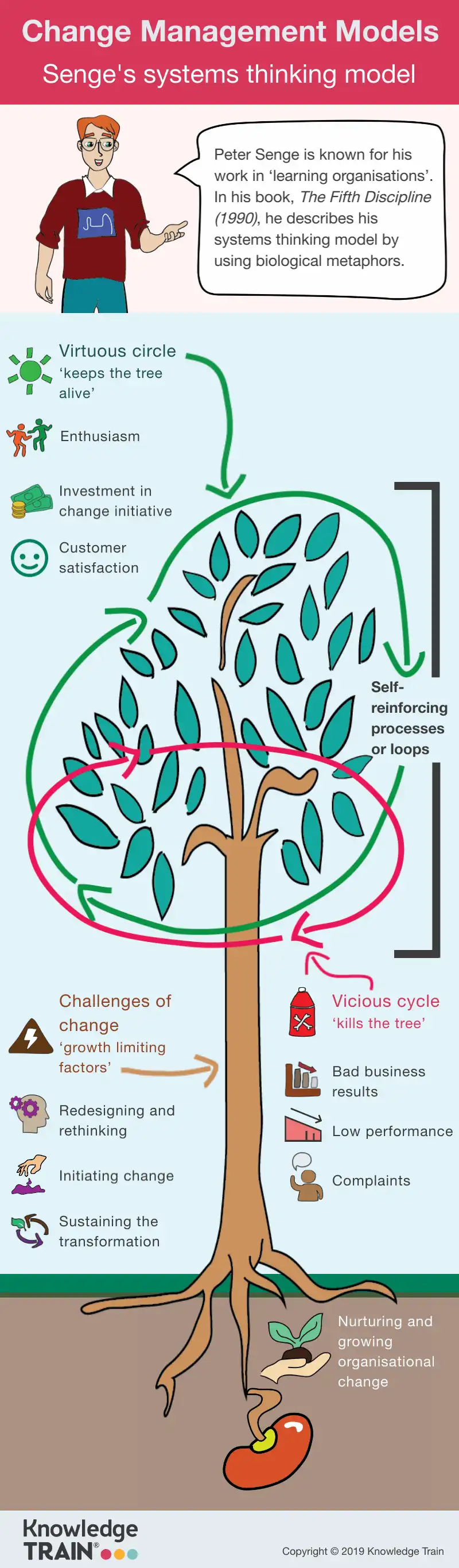
Systems thinking emerged from General Systems Theory developed by Ludwig von Bertalanffy in the 1940s and cybernetics by Norbert Wiener. These foundations shaped modern systems thinking approaches in organisations. Pioneers in management theory recognised that understanding these interactions is essential for fostering innovation and resilience. As a result, system thinking became integral to modern management practices.®
Introduction to Peter SengePMI-ACP
About Peter SengeSelf-paced course to prepare you for the exam (exam not included).
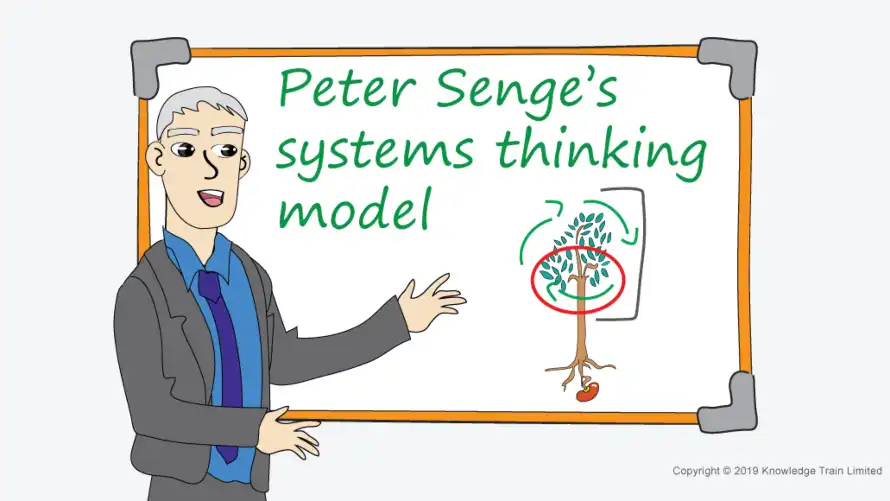
Peter SengeKanban is a renowned scholar and author in the field of management. He is a senior lecturer at MIT, and his work has revolutionised how organisations approach learning and change. Senge’s research emphasises the importance of creating learning organisations that continuously adapt and grow.Estimating for Agile Foundation
The fifth discipline
Requirements Engineering
Team learningGain practitioner certificate in requirements engineering.
Team learning develops through dialogue and discussion. Senge emphasises two distinct practices: dialogue (free exploration of complex issues) and discussion (where different views are presented and defended). This discipline requires managing defensive routines that undermine collective learning. By learning together, teams can solve problems more effectively and innovate continuously. This discipline emphasises the importance of knowledge sharing and encourages a culture of mutual support.Business Analysis International Diploma
Systems thinkingAll 4 courses bundled into this Diploma certification package.
®
Interconnectedness of the disciplines – Agile Business Analysis
Synergistic effectsFoundation training
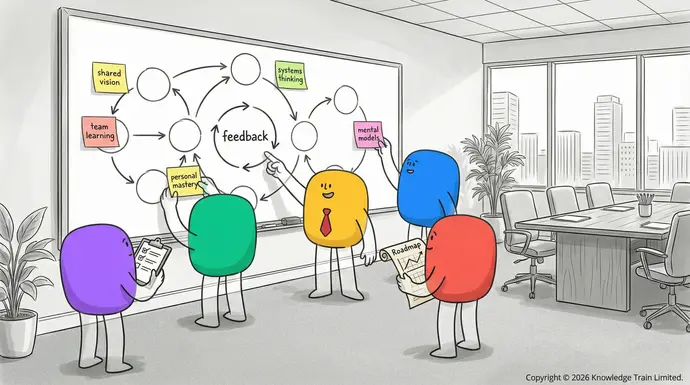
The integration of these five disciplines leads to synergistic effects that enhance organisational effectiveness. When combined, they provide a holistic approach to tackling challenges. Each discipline complements the others, creating a dynamic interplay that fosters resilience and adaptability. This synergy helps organisations navigate complex environments more successfully.Learn the fundamentals of Agile Business Analysis.
| DisciplinePractitioner | Key benefit4-day course including Foundation. |
| Personal masteryPMI | Enhances individual contribution® |
| Mental modelsPMI-PBA | Promotes open-mindednessSelf-paced course to prepare you for the exam (exam not included). |
| Shared visionBusiness Analysis Learning Library (BALL)™ | Unifies and motivates teamsCHANGE MANAGEMENT |
| Team learningAPMG Change Management | Facilitates collective innovationFoundation |
| Systems thinkingLearn the fundamentals of enterprise change management. | Addresses root causes of problemsPractitioner |
Practical implicationsIncludes Foundation & Practitioner combined option.
In practice, these interconnected disciplines translate into more effective leadership, strategic planning, and PROGRAMME MANAGEMENTchange managementMSP. For example, a shared vision aligns organisational efforts, while team learning accelerates problem-solving. Systems thinking ensures that decisions consider long-term impacts. By applying these principles, organisations can improve efficiency and innovation.®
The key takeaway from Senge’s “The Fifth Discipline” is that these principles are not standalone solutions. They must be applied collectively to realise their full potential. Embracing this model leads to psychological benefits such as reduced stress and enhanced collaboration, creating a thriving organisational culture.Foundation