Harnessing the power of SWOT analysis for effective strategiesScrum Master certification

- Convert every SWOT point into an action, priority, or mitigation plan, or the exercise adds little value.
- Revisit SWOT regularly and strengthen it with PESTLE, five forces, and digital tools for clearer analysis.How do I get PMP certification in UK?
Introduction to SWOT analysis
Understanding the basicsIs PMI ACP easier than PMP?
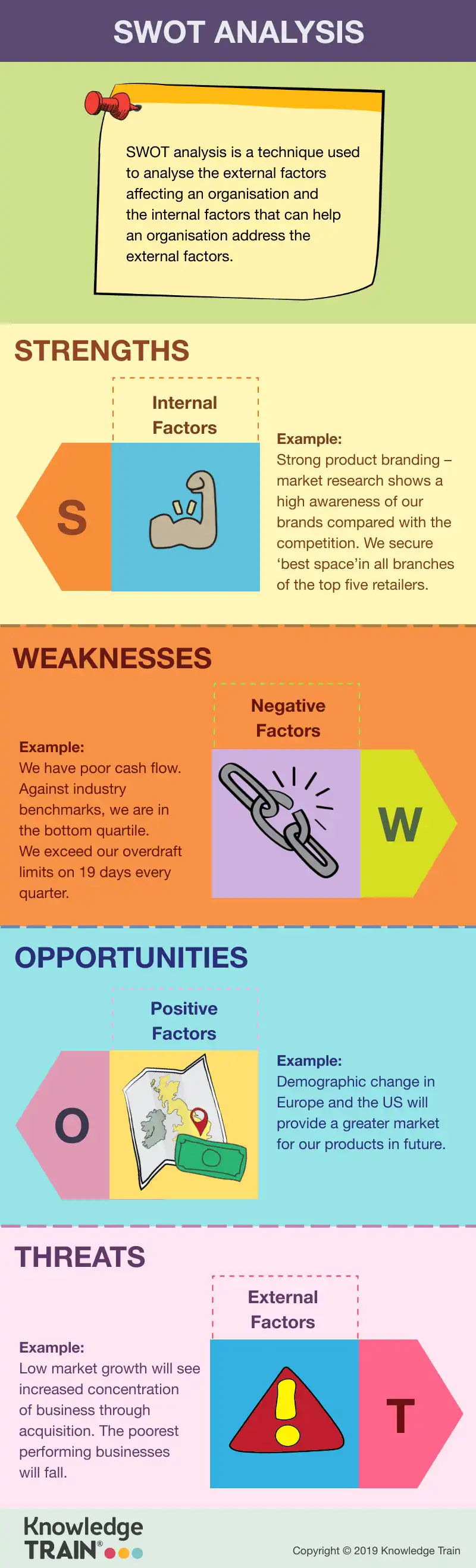
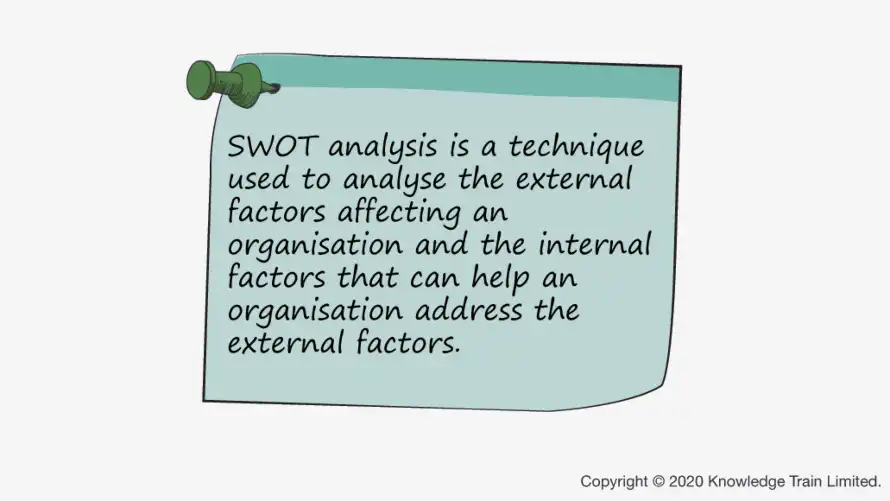
SWOT analysis is a strategic tool used to identify and evaluate the StrengthsIs PMI ACP harder than PMP?, Weaknesses , Is PMI-ACP better than PMP?Opportunities , and ThreatsIs PMP certification valid in the UK? facing an organisation. This method provides a structured approach to decision-making by systematically assessing internal and external factors. SWOT analysis was developed in the 1960s and 1970s at Stanford Research Institute by Albert Humphrey, who led a research project funded by Fortune 500 companies. It has since evolved into a staple of strategic planning across various industries. By categorising different aspects of a business, SWOT helps leaders to craft strategies that leverage strengths and opportunities while addressing weaknesses and mitigating threats.
Importance in strategic planning
The role of SWOT analysis in strategic planning cannot be overstated. It serves as a foundation for informed decision-making and strategic development.Is PMP certification worth it in 2025?
SWOT analysis enhances clarity by breaking down complex scenarios into manageable components, providing a clearer picture of the current situation. It guides resource allocation through understanding strengths and weaknesses, helping prioritise resources effectively. The approach stimulates proactive thinking by identifying opportunities and threats, encouraging forward-looking strategies rather than reactive measures.
Psychological benefitsIs PMP certification worth it? are also noteworthy. Engaging in a SWOT analysis can reduce stress by providing a structured approach to problem-solving. By mapping out a plan, individuals and teams experience enhanced focus and confidence. The process encourages open discussion and collaboration, which can lead to innovative solutions. This comprehensive approach makes SWOT analysis an invaluable tool in both personal and professional contexts.
In essence, SWOT analysis is not just a list-making exercise; it is a dynamic tool that guides strategic planning and fosters a proactive mindset in navigating challenges and seizing opportunities.
Conducting a SWOT analysisIs PMP easier than PRINCE2?
Preparing for the SWOT analysis
Conducting a SWOT analysisIs PMP good for beginners? begins with meticulous preparation . This stage is crucial to ensure that the analysis is both meaningful and actionable. The Is PMP or Agile better?specificity of data collection plays a vital role. General or vague information can lead to ambiguous conclusions that hinder strategic planning. To avoid this, gather detailed and relevant data reflecting the current state of your organisation.
Tools and techniques for gathering informationIs PMP or PRINCE2 better?
Information gathering involves several key approaches. Internal surveys and questionnaires help gather employee insights and pinpoint strengths and weaknesses through structured questions. Market research focuses on analysing industry trends and evaluating competitor strategies. Financial analysis includes reviewing statements for economic insights and identifying areas for improvement. SWOT templates help organise thoughts and ensure comprehensive coverage of all aspects.
This preparation reduces stress by providing a clear process to follow. By having a structured approach, individuals can focus on crafting actionable strategies rather than feeling overwhelmed.
Step-by-step guideIs PMP or Scrum better?
Once you have gathered the necessary information, categorise it into the four components of SWOT.
Identifying strengths
Strengths are internal factors that provide your organisation with an Is PMP still in demand?advantage . These could include a strong brand reputation, a skilled workforce, or proprietary technology. Identifying these elements helps leverage them for strategic gain. Consider unique resources that set your organisation apart from competitors. For instance, a robust R&D department can drive innovation, offering an edge in product development. Acknowledging these strengths is the first step in capitalising on them to enhance your market position.
Recognising weaknessesIs Scrum Master better than PMP?
Weaknesses are internal limitations that could hinder organisational performance. Common examples include inefficient processes, outdated technology, or a small human resources department. Identifying these challenges is crucial for improvement. Addressing weaknesses can involve streamlining operations or investing in new technology. By recognising and addressing these areas, organisations can minimise their impact and transform them into strengths. This proactive approach fosters resilience and adaptability in a competitive environment.Is the PMP exam hard?
Spotting opportunities
Opportunities are external factors that your organisation can exploit for growth. These could include technological advancements, emerging markets, or favourable regulatory changes. Identifying opportunities requires a keen eye on industry trends and market dynamics. For example, a company might spot an opportunity in a growing demand for sustainable products. By aligning its offerings with this trend, the company can capture new market segments. Seizing such opportunities can drive innovation and expansion, setting your organisation on a path to sustained growth.
Understanding threatsShould I do PRINCE2 or PMP?
Threats are external risks that could negatively impact your organisation. These might include market fluctuations, new competitors, or changing consumer preferences. Identifying threats is crucial for developing mitigation strategies. For instance, a threat could be a competitor launching a similar product. To counter this, an organisation might innovate or enhance its value proposition. By understanding and preparing for these threats, organisations can shield themselves from potential setbacks. This forward-thinking approach ensures long-term stability and success.Should I get CAPM or PMP?
In conclusion, conducting a SWOT analysis is a systematic process that requires preparation and thoughtful evaluation. By focusing on specific data and utilising appropriate tools, you can gain valuable insights that inform strategic planning. This not only enhances decision-making but also fosters a proactive approach to navigating challenges and seizing opportunities. The psychological benefits are noteworthy, as a structured analysis reduces stress and enhances focus and confidence. This comprehensive understanding ensures that your organisation is well-equipped to tackle future challenges.
MECE framework in SWOT analysisWhat is the failure rate for PMP certification?
Introduction to MECE framework
The MECE frameworkWhich course is better PMP or Agile? stands for “Mutually exclusive, collectively exhaustive”. It is a problem-solving approach used to organise information in a way that ensures clarity and completeness. The framework divides information into distinct, non-overlapping categories that cover all possible scenarios. This approach prevents duplication and omissions, making it a valuable tool in strategic analysis. Its significance lies in its ability to simplify complex data, providing a clear and structured view of the situation at hand. By ensuring that all aspects are covered without redundancy, the MECE framework supports effective decision-making.
Applying MECE in SWOT See all
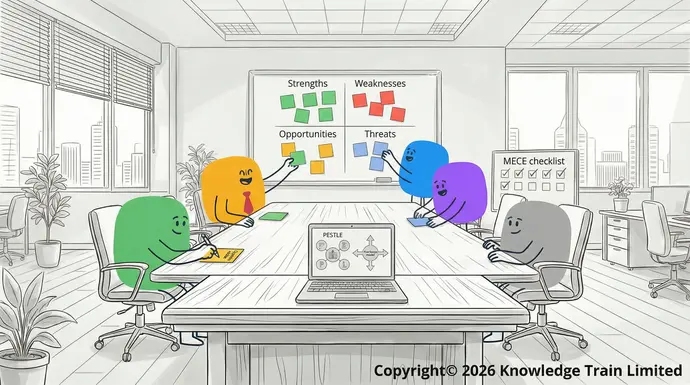
Applying the MECE framework to a SWOT analysis involves structuring the four components – PMI PMP FAQsStrengths , {"@context":"https://schema.org","@graph":[{"@type":"Organization","@id":"https://www.knowledgetrain.co.uk/#organization","name":"Knowledge Train","url":"https://www.knowledgetrain.co.uk/"},{"@type":"WebSite","@id":"https://www.knowledgetrain.co.uk/#website","url":"https://www.knowledgetrain.co.uk/","name":"Knowledge Train","publisher":{"@id":"https://www.knowledgetrain.co.uk/#organization"},"inLanguage":"en-GB"},{"@type":"WebPage","@id":"https://www.knowledgetrain.co.uk/project-management/pmi/pmi-faqs/is-scrum-master-better-than-pmp/#webpage","url":"https://www.knowledgetrain.co.uk/project-management/pmi/pmi-faqs/is-scrum-master-better-than-pmp","name":"Is Scrum Master better than PMP? | Knowledge Train","datePublished":"2026-03-18T12:59:25+00:00","dateModified":"2026-03-18T12:59:25+00:00","isPartOf":{"@id":"https://www.knowledgetrain.co.uk/#website"},"inLanguage":"en-GB"},{"@type":"Person","@id":"https://www.knowledgetrain.co.uk/author/knowledgetrain","name":"Simon Buehring","url":"https://www.knowledgetrain.co.uk/author/knowledgetrain","image":{"@type":"ImageObject","@id":"https://www.knowledgetrain.co.uk/training-courses/simon-96x96-2-96x96.webp","url":"https://www.knowledgetrain.co.uk/training-courses/simon-96x96-2-96x96.webp","caption":"Simon Buehring","inLanguage":"en-GB"},"sameAs":["https://www.knowledgetrain.co.uk/about/simon-buehring"],"worksFor":{"@id":"https://www.knowledgetrain.co.uk/#organization"}},{"@type":"Article","headline":"Is Scrum Master better than PMP? | Knowledge Train","datePublished":"2026-03-18T12:59:25+00:00","dateModified":"2026-03-18T12:59:25+00:00","author":{"@id":"https://www.knowledgetrain.co.uk/author/knowledgetrain","name":"Simon Buehring"},"publisher":{"@id":"https://www.knowledgetrain.co.uk/#organization"},"description":"Click to read this PRINCE2 frequently asked question: Is Scrum Master better than PMP?","name":"Is Scrum Master better than PMP? | Knowledge Train","@id":"https://www.knowledgetrain.co.uk/project-management/pmi/pmi-faqs/is-scrum-master-better-than-pmp#richSnippet","isPartOf":{"@id":"https://www.knowledgetrain.co.uk/project-management/pmi/pmi-faqs/is-scrum-master-better-than-pmp/#webpage"},"inLanguage":"en-GB","mainEntityOfPage":{"@id":"https://www.knowledgetrain.co.uk/project-management/pmi/pmi-faqs/is-scrum-master-better-than-pmp/#webpage"}}]}Weaknesses , {"@context":"https://schema.org","@type":"Question","name":"Is Scrum Master better than PMP?","text":"Is Scrum Master better than PMP?","acceptedAnswer":{"@type":"Answer","text":"Is Scrum Master better than PMP®? These two certifications serve distinct roles in project management. The PMP® certification is generally more applicable if you aspire to work as a project manager across various project types.However, a Scrum Master certification is particularly beneficial for projects that employ Agile methodologies.","dateCreated":"2026-03-18T12:59:25+00:00"},"author":{"@type":"Person","name":"Simon Buehring"},"dateCreated":"2026-03-18T12:59:25+00:00","dateModified":"2026-03-18T12:59:25+00:00","datePublished":"2026-03-18T12:59:25+00:00","mainEntityOfPage":{"@type":"WebPage","@id":"https://www.knowledgetrain.co.uk/project-management/pmi/pmi-faqs/is-scrum-master-better-than-pmp"}}Opportunities , and Project Management related articlesThreats – in a non-overlapping and exhaustive manner.
When applying MECE to SWOT analysis, internal factors like strengths and weaknesses must be categorised without overlap. For example, brand reputation and workforce skills should be distinct strengths. External factors such as opportunities and threats should also be categorised distinctly, with clear separation between elements like emerging markets and technological advancements.
By using the MECE framework, each element of the SWOT analysis is distinct and contributes to a comprehensive understanding of the organisational landscape. This structured approach ensures that no aspect is overlooked, and no two factors are confused with one another.
Benefits of using MECE
The primary benefits of incorporating the MECE framework into a SWOT analysis are clarity and Waterfall methodorganisation . These benefits extend beyond the analysis itself, offering psychological advantages such as stress reduction and enhanced confidence.Knowledge Train
The MECE framework brings clarity by ensuring distinct categorisation of factors, helping understand current situations and plan future strategies. Its structured nature facilitates organised thinking, aiding in prioritising actions and developing targeted strategies. Additionally, this organised approach reduces stress by providing clear direction, enhancing confidence for informed decision-making.19 Feb 2026
In summary, the MECE framework is an invaluable tool in conducting a SWOT analysis. It ensures that the analysis is both comprehensive and organised, providing the clarity needed for strategic planning. By eliminating overlap and ensuring completeness, MECE enhances the quality of insights gained, fostering a proactive and confident approach to decision-making. This structured methodology guarantees that organisations are well-prepared to address challenges and capitalise on opportunities.