Harnessing the power of SWOT analysis for effective strategiesUse As people understand what change truly means, they might lose motivation and confidence. Work quality and team spirit often decrease as everyone adjusts to new ways. Leaders should offer extra support and clear guidance during this difficult time.

In today’s constantly changing organisational landscape,
change management
- is crucial. Organisations must adapt to remain competitive and relevant.
- Change management
- provides a structured approach to transitioning individuals, teams, and whole organisations from a current state to a desired future state. The goal is to minimise resistance and maximise engagement. Here, the
- ADKAR
- model shines as a strategic framework. It offers a clear, step-by-step process that leaders can use to guide their teams through change effectively.
Unveiling the impact of Senge’s system thinking model on change management
Simon Buehring19 Feb 2026
Unlock the potential of Senge’s system thinking model to improve change management. Scroll down to discover how this approach can transform your organisational processes.
The essentials of Lewin’s change model for successful change management
Simon Buehring
19 Feb 2026
Learn how Lewin's change model can guide your organisation through change. Uncover practical strategies and insights to facilitate smooth transitions. Scroll down for more information.
How ADKAR can revolutionise your change management strategy
Simon Buehring23 Feb 2026
Uncover the essentials of the ADKAR model to effectively manage change. Learn how to confidently guide your team through transitions. Continue reading to master change management strategies.
How APMG Change Management qualifications can help your career
Simon Buehring
19 Feb 2026
Learn how APMG Change Management qualifications can enhance your career by aligning with global standards. Read more to discover their benefits.
What is a business change manager?
Simon Buehring
19 Feb 2026
Dive deep into the role of a business change manager and what you can learn on change management courses. Discover more by reading on.
SWOT can also assist smaller enterprises, such as a bakery looking to expand. By identifying strengths like a loyal customer base and opportunities in artisanal trends, small businesses can make strategic decisions without specialised expertise. However, SWOT captures a snapshot at a specific moment, so it’s crucial to revisit the analysis regularly to adapt to evolving market conditions. This ensures strategies remain relevant and forward-thinking. Implementing the ADKAR model in your organisation
Tailoring SWOT to specific industries ensures that the analysis is relevant and actionable. By focusing on industry-specific factors, organisations can develop targeted strategies that enhance their market position. This approach not only clarifies decision-making but also reduces stress by providing a structured framework to address sector-specific challenges. Preparing for change
In summary, real-world applications of SWOT analysis demonstrate its utility across various contexts. Whether leading to successful outcomes or offering lessons from failures, SWOT remains a powerful tool for strategic planning. By tailoring the analysis to specific industries, organisations can further enhance its effectiveness, ensuring they are well-equipped to navigate their unique environments. Implementing the ADKAR model requires careful preparation to ensure a smooth transition. Start by assessing the current organisational landscape. Identify areas where change is necessary and align them with strategic goals. It is critical to secure
Enhancing SWOT with advanced techniques leadership support
Integrating with other frameworks early on, as this endorsement sets the tone for the entire process.
Enhancing your SWOT analysis by integrating it with other strategic frameworks can provide a more comprehensive understanding of your organisational environment. Two popular frameworks that complement SWOT are What qualifications do change managers need?Next, communicate the impending change effectively. Use clear and consistent messaging to build awareness and desire among employees. Establish a timeline with specific milestones to track progress. This structured approach helps to minimise confusion and ensures that all critical elements of change management are addressed.PESTLE Customising the model and Simon BuehringEvery organisation is unique, so customising the ADKAR model to fit specific needs is essential. Begin by analysing the organisational culture and existing processes. This understanding will guide how each element of the model is tailored.Porter’s five forces19 Feb 2026Awareness. : Adapt communication strategies to suit the organisation’s culture, ensuring messages resonate with employees.
PESTLEDiscover the essential qualifications needed by change managers and how these credentials can boost your career. Read on for detailed information.Desire analysis examines Political, Economic, Social, Technological, Legal and Environmental factors affecting an organisation. When combined with : Identify key motivators for different employee groups and leverage these to build desire.SWOT Knowledge, it aligns internal capabilities with external macro-environmental factors. Porter’s five forces model examines Competitive rivalry, Supplier power, Buyer power, Threat of substitution and Threat of new entrants, helping assess how industry forces impact opportunities and threats within the SWOT framework. : Customise training programmes to align with the skills required for the change.
By integrating these frameworks, organisations can develop more nuanced strategies that consider both internal capabilities and external pressures. This holistic approach enhances strategic decision-making and reduces the uncertainties associated with dynamic markets. Ability
Leveraging technology in SWOT : Develop targeted support systems that cater to varying levels of ability within the organisation.
Incorporating technology into the SWOT analysis process can significantly enhance its efficiency and effectiveness. ReinforcementSoftware tools : Design reinforcement strategies that are relevant and meaningful to the organisation’s context. and By tailoring the model, organisations can address specific challenges and enhance the effectiveness of the change process.digital platforms Overcoming challenges streamline data collection, organisation, and analysis. Implementing the ADKAR model is not without challenges. Common obstacles include resistance to change, lack of engagement, and inadequate resources. Addressing these issues requires proactive strategies.
Software tools such as Microsoft Power BI, Tableau and specialist strategy software can automate SWOT data entry and categorisation, reducing manual errors. Digital platforms that offer visualisation capabilities help present SWOT findings clearly through charts and graphs, making complex data more accessible. These platforms support scenario planning by enabling users to simulate different strategic outcomes based on SWOT findings. Leveraging technology not only enhances the clarity and organisation of SWOT analysis but also reduces the cognitive load on teams. The structured nature of technology-assisted SWOT analysis can lead to stress reduction and heightened focus, allowing decision-makers to concentrate on crafting effective strategies. Resistance
In summary, enhancing SWOT analysis with advanced techniques involves integrating complementary strategic frameworks and leveraging technology. This approach provides a more comprehensive and efficient method for understanding and responding to organisational challenges and opportunities. By doing so, organisations can ensure their strategies are robust, informed, and capable of driving sustained success. : Engage stakeholders early and involve them in decision-making processes. This involvement can reduce resistance and foster a sense of ownership.
Conclusion Engagement
Recap of key points : Maintain open lines of communication and provide regular updates. Transparency builds trust and keeps employees engaged.
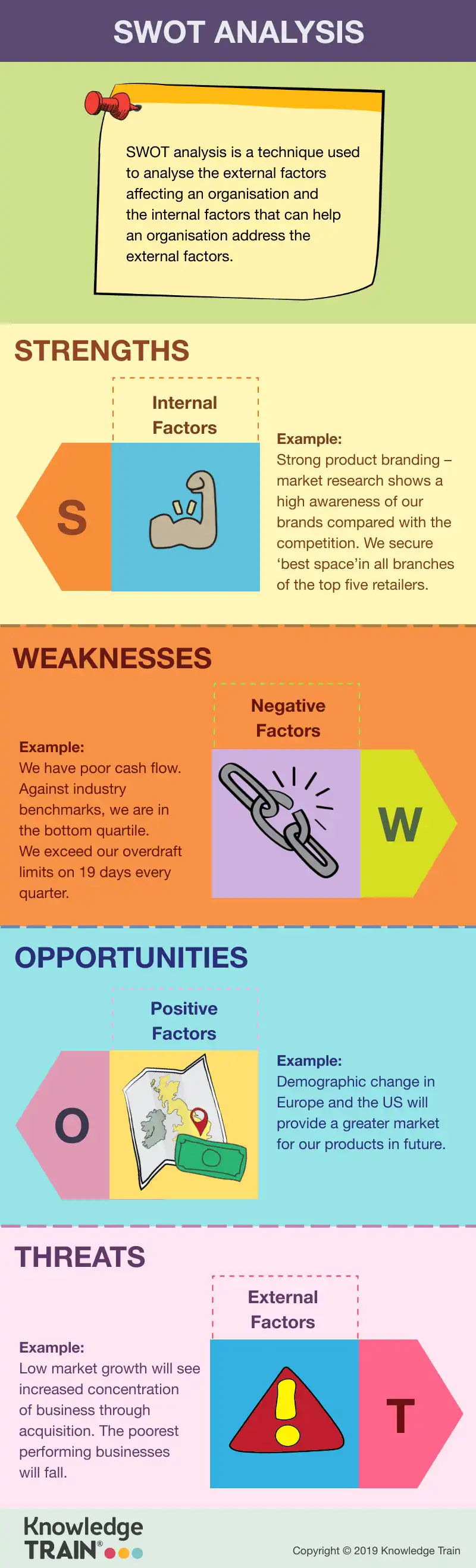
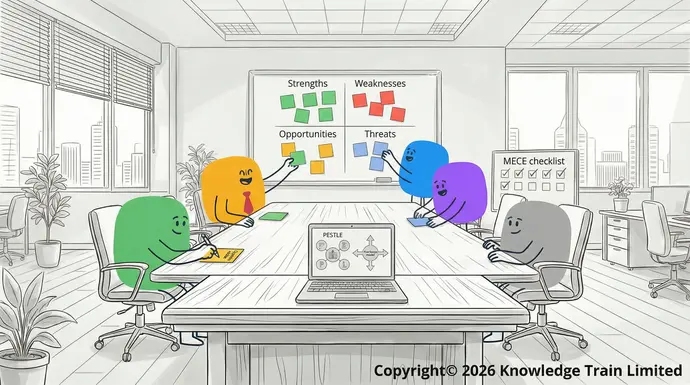
Throughout this discussion, we have delved into the ResourcesSWOT analysis : Ensure that adequate resources, such as time and funding, are allocated to support the change initiative. process and its substantial benefits. This strategic tool helps identify internal strengths and weaknesses alongside external opportunities and threats. By conducting a detailed analysis, organisations can gain valuable insights into their current position and future prospects. The use of frameworks like MECE ensures clarity and organisation, while real-world examples illustrate both successful applications and important lessons from failures. The collaborative nature of SWOT discussions, as highlighted in strategic meetings, allows for an inclusive approach that captures diverse perspectives. This structured approach reduces stress by providing a clear path forward and enhances decision-making by fostering a comprehensive understanding of strategic factors. A key component of implementing ADKAR is using the ADKAR Assessment tool. This diagnostic instrument helps identify which elements are acting as barriers to change for individuals or groups. By rating each element on a scale of 1 to 5,
Final thoughts change managers
Implementing SWOT analysis can provide a considerable strategic advantage. It encourages organisations to look both inward and outward, ensuring a balanced view of their position. By translating findings into actionable strategies, companies can leverage strengths, address weaknesses, seize opportunities, and mitigate threats. This proactive mindset enhances organisational resilience and boosts stakeholder confidence. SWOT’s adaptability across various industries makes it relevant and actionable in different contexts. As a dynamic and inclusive tool, it captures insights that might otherwise be overlooked, facilitating smarter decisions and strategic planning. Embrace the power of SWOT to navigate challenges and seize opportunities, ultimately driving sustained growth and success. By maintaining a realistic, fact-based, and data-driven approach, organisations can ensure that their strategic plans are robust and forward-thinking. can pinpoint where additional focus is needed. For example, if Ability scores are low but Knowledge scores are high, this suggests the need for more practical application opportunities rather than additional training.
FAQs Psychologically, the structured approach of the ADKAR model reduces stress and enhances confidence among employees. By focusing on individual change, it ensures that employees are well-equipped to adopt new behaviours. This focus leads to sustained improvements and long-term success.
What is the main purpose of SWOT analysis? Best practices for each ADKAR element
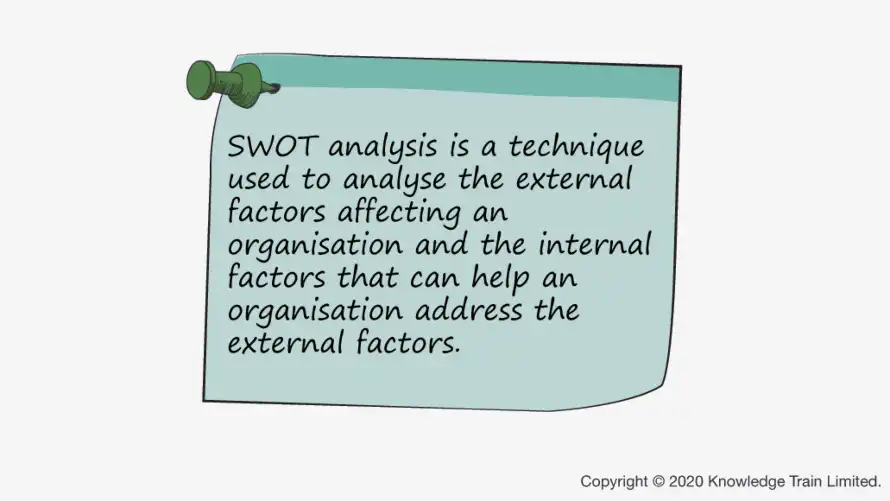
The primary purpose of a Aligning goals with elementsSWOT analysis Aligning organisational goals with the elements of the is to provide a structured framework for identifying and evaluating an organisation’s internal strengths and weaknesses, as well as external opportunities and threats. This analysis aids in strategic planning by offering a clear understanding of the organisation’s current position and potential future directions. ADKAR model
How often should a SWOT analysis be conducted? is essential for a cohesive change process. Begin by clearly defining your organisational objectives. Ensure that each of the ADKAR elements – Awareness, Desire, Knowledge, Ability, and Reinforcement – supports these objectives.
The frequency of conducting a SWOT analysis depends on the organisation’s dynamic environment. Generally, it is advisable to perform the analysis annually or whenever there is a significant change in the market or the organisation. Regular updates ensure that strategies remain relevant and proactive. Awareness
Give us a call
+44 (0)207 148 5985
Or chat with us using the link at the bottom of the screen.
Contact us with questions about the courses on this page, or about which project management certification or training is best for you.
Finance FAQs