- The technical storage or access is necessary for the legitimate purpose of storing preferences that are not requested by the subscriber or user.
Understanding fishbone diagram components Implementing the ADKAR model in your organisationCertification exam(s) where applicable
Basic structure of a fishbone diagram Preparing for changeAccredited training course materialsAccept
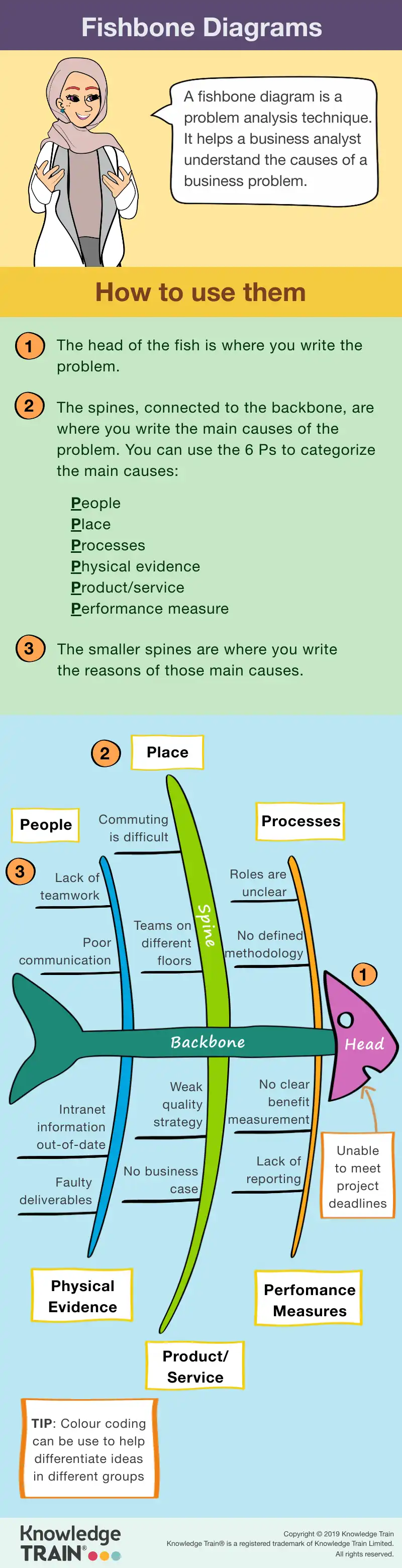
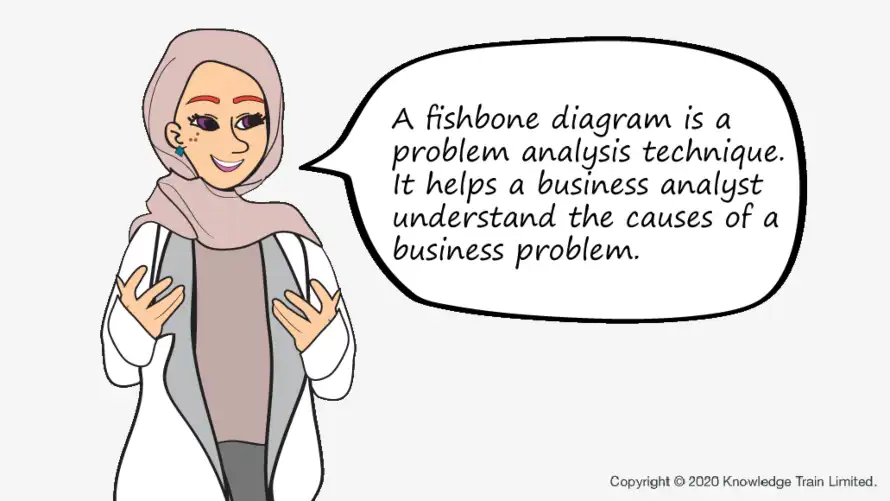
A Implementing the ADKAR model requires careful preparation to ensure a smooth transition. Start by assessing the current organisational landscape. Identify areas where change is necessary and align them with strategic goals. It is critical to secure Support from expert, experienced trainers fishbone diagram leadership supportLatest educational technology.Deny is a visual tool that helps teams identify and categorise the root causes of a problem. The diagram resembles the skeleton of a fish, making it intuitive and straightforward to use. At the ‘head’ of the diagram, you place the early on, as this endorsement sets the tone for the entire process. problem statement Next, communicate the impending change effectively. Use clear and consistent messaging to build awareness and desire among employees. Establish a timeline with specific milestones to track progress. This structured approach helps to minimise confusion and ensures that all critical elements of change management are addressed.BUSINESS SOLUTIONSView preferences – the issue that needs addressing. This serves as the focal point of the analysis. Customising the model
Branching off from the spine are the ‘bones,’ which represent potential Every organisation is unique, so customising the ADKAR model to fit specific needs is essential. Begin by analysing the organisational culture and existing processes. This understanding will guide how each element of the model is tailored. Save preferencescauses AwarenessTO HELP ORGANISATIONS IMPROVE of the problem. These are organised into various categories, allowing teams to explore different angles of the issue systematically. Each ‘bone’ signifies a distinct cause or factor, and further branching can detail sub-causes. This structured layout not only clarifies complex problems but also encourages comprehensive brainstorming and analysis. : Adapt communication strategies to suit the organisation’s culture, ensuring messages resonate with employees.We offer solutions to help improve team performance including:View preferences
Categories in fishbone diagrams DesireConsultancy services{title}
Standard categories : Identify key motivators for different employee groups and leverage these to build desire.Staff development{title}
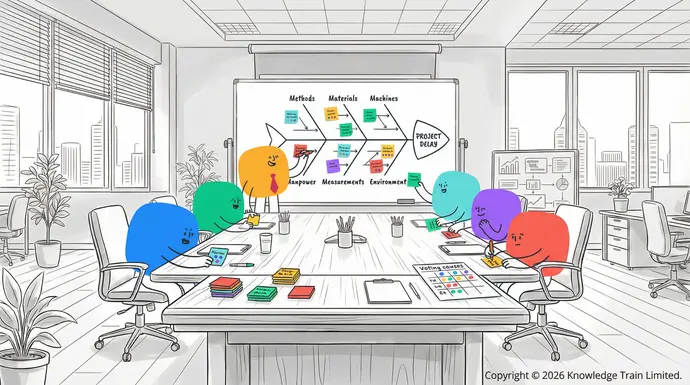
Fishbone diagrams KnowledgeCompliance training{title} often use standard categories to organise potential causes, especially in : Customise training programmes to align with the skills required for the change.Apprenticeship trainingManage consentquality management AbilityCustom e-Learning developmentManage consent and engineering contexts. These categories help ensure a comprehensive analysis by covering different aspects of the problem. Commonly used categories include: : Develop targeted support systems that cater to varying levels of ability within the organisation.
- Methods Reinforcement : Processes or procedures that might contribute to the issue : Design reinforcement strategies that are relevant and meaningful to the organisation’s context.Find out more
- Materials By tailoring the model, organisations can address specific challenges and enhance the effectiveness of the change process. : Raw materials or components involved in the process Overcoming challenges
- Machines Implementing the ADKAR model is not without challenges. Common obstacles include resistance to change, lack of engagement, and inadequate resources. Addressing these issues requires proactive strategies. : Equipment or tools used, which might have faults or limitations Resistance
- Manpower : Engage stakeholders early and involve them in decision-making processes. This involvement can reduce resistance and foster a sense of ownership. : Human factors, such as skills, training, or motivation EngagementCONTACT US
- Measurements : Maintain open lines of communication and provide regular updates. Transparency builds trust and keeps employees engaged. : Data or metrics that might be inaccurate or misleading Resources
- : Ensure that adequate resources, such as time and funding, are allocated to support the change initiative. A key component of implementing ADKAR is using the ADKAR Assessment tool. This diagnostic instrument helps identify which elements are acting as barriers to change for individuals or groups. By rating each element on a scale of 1 to 5,
change managers
can pinpoint where additional focus is needed. For example, if Ability scores are low but Knowledge scores are high, this suggests the need for more practical application opportunities rather than additional training.
Psychologically, the structured approach of the ADKAR model reduces stress and enhances confidence among employees. By focusing on individual change, it ensures that employees are well-equipped to adopt new behaviours. This focus leads to sustained improvements and long-term success. Best practices for each ADKAR element Aligning goals with elements Aligning organisational goals with the elements of the ADKAR model is essential for a cohesive change process. Begin by clearly defining your organisational objectives. Ensure that each of the ADKAR elements – Awareness, Desire, Knowledge, Ability, and Reinforcement – supports these objectives. Awareness : Align awareness efforts with the strategic vision. Ensure that the need for change is communicated in a way that reflects organisational goals.
Practitioner
Includes Foundation & Practitioner combined option.Better Business CasesSlovenia™SpainFoundation Sweden , establish clear definitions for each category before starting the analysis. This clarity helps in appropriately categorising causes and minimises redundancy. Additionally, regular reviews of the diagram during the analysis process can help identify and rectify any overlaps or omissions, enhancing the diagram’s overall effectiveness.Learn the fundamentals of Better Business cases.Other countries
FAQsPractitioner Home
How do fishbone diagrams differ from other problem-solving tools?Includes Foundation & Practitioner combined option.Project Management
Fishbone diagrams make it easier to see all possible causes of a problem by sorting them into clear categories. This visual organisation helps teams spot patterns and connections.P3OProject management roles
How can I use fishbone diagrams for personal problems?®
Create categories relevant to your personal challenge, such as daily habits, environment, and relationships. Then list potential causes under each category to understand what’s affecting your situation.Foundation {"@context":"http://schema.org","@type":"BreadcrumbList","itemListElement":[{"@type":"ListItem","position":1,"name":"Home","item":"https://www.knowledgetrain.co.uk/"},{"@type":"ListItem","position":2,"name":"Project Management","item":"https://www.knowledgetrain.co.uk/project-management"},{"@type":"ListItem","position":3,"name":"Project management roles","item":"https://www.knowledgetrain.co.uk/project-management/project-management-roles"}]}
What software tools can assist in creating fishbone diagrams?Learn the fundamentals of the P3O project management office. Change management skills
Microsoft Visio offers professional templates, while Lucidchart and Canva provide user-friendly online options with drag-and-drop features.Practitioner
How often should a fishbone diagram be revisited?Includes Foundation & Practitioner combined option. Simon Buehring
Review your diagram monthly, when new problems arise, or when you make major changes to your process or team.10 essential project management rolesWorkshops19 Feb 2026
Are there any limitations to using fishbone diagrams? Introduction to Project Management
Fishbone diagrams work well for identifying causes but may not show how strongly each cause affects the problem. They also rely on your team’s knowledge to be effective.Knowledge Train1-day workshop to learn the basics of project management.Discover the essential skills required for effective change management and how they apply to unique organizational contexts. Read further for detailed insights.
Infographic19 Feb 2026 Project Management Essentials