What is Agile? (AI) and

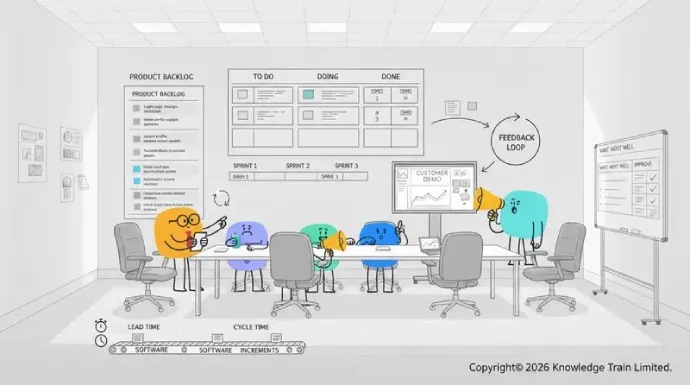
Set up boards for different stages of projects refers to a set of principles and practices that guide teams in developing software products through incremental delivery, adaptive planning, and continual improvement. Agile emphasises iterative development, close team collaboration, and frequent customer feedback to deliver high-quality solutions quickly and efficiently.Created cards for each client project
Agile methodology at a glanceAssigned team members to specific tasks
| AspectUsed labels to denote priority levels and types of projects. | DescriptionResults |
|---|---|
| Purpose30% improvement in on-time project completion | Deliver working software frequently, respond to change rapidly25% reduction in overtime hours |
| Key valuesImproved client communication through shared boards | Individuals and interactions, working software, customer collaboration, responding to changeEnhanced team collaboration and transparency. |
| ApproachKey takeaway | Iterative, adaptive, and incrementalSimple and cost-effective tools, when used thoughtfully, can make a big difference in small business project management. |
| Popular frameworksEnterprise-level adoption | ScrumCase Study: GlobalTech Solutions, Kanban, Extreme Programming (XP)GlobalTech Solutions |
| Stakeholders, a multinational IT services company with over 5,000 employees, required a standard project management solution across its various departments and global offices to replace a patchwork of different systems that were in place. | Customers, product owners, cross-functional teams, Scrum MastersChallenge |
Summary of the Agile Manifesto and Its valuesThe lack of standardisation and integration across departments and offices resulted in inefficiencies, data silos and difficulties in cross-departmental collaboration.
The SolutionAgile ManifestoAdopted , published in 2001 by 17 software development experts, established the foundation for Microsoft ProjectAgile methodologies, leveraging its capabilities at an enterprise scale and its seamless integration with the existing Microsoft ecosystem used within the company.. It promotes four core values and twelve underlying principles to guide teams toward continuous improvement and customer satisfaction.Implementation process
Agile Manifesto: Four valuesFormed a cross-functional implementation team.
- Individuals and interactions over processes and toolsDeveloped a phased rollout plan that prioritised departments and offices based on their needs and readiness for the new system.
- Working software over comprehensive documentationCreated standardised project templates and workflows that aligned with the company’s project management best practices.
- Customer collaboration over contract negotiationConducted comprehensive training sessions for employees at all levels and offered ongoing support during the transition.
- Responding to change over following a planIntegrated the project management system with existing ERP and CRM systems for a unified IT infrastructure.
Agile principlesResults
Agile is supported by twelve guiding principles, intended to help teams create successful products in an ever-changing environment. These principles inform day-to-day Agile practices.20% increase in project profitability through improved planning and resource allocation.
- Satisfy the customer through early and continuous delivery of valuable software40% reduction in the time spent on administrative and manual tasks by project teams.
- Welcome changing requirements, even late in developmentStreamlined resource allocation and utilisation across global teams and projects.
- Deliver working software frequently, from a couple of weeks to a couple of monthsEnhanced reporting and dashboard capabilities, empowering executives with better insights for decision-making.
- Collaborate daily between business people and developersKey takeaway
- Build Enterprise-wide adoption of a project management solution demands careful planning, buy-in from stakeholders and comprehensive training to ensure successful implementation and adoption across all levels of the organisation.projectsFreelancer and agency use cases around motivated individuals and provide supportCase Study: Sarah Chen, Web Designer
- Convey information face-to-face whenever possibleSarah Chen is a freelance web designer with a portfolio of clients from small startups to mid-sized companies. Before she started using a PM tool, she found it difficult to keep track of all her projects, deadlines, and client communications.
- Working software is the primary measure of progressChallenge
- Maintain a sustainable development paceBalancing client expectations, project timelines, and invoicing while operating as a solo freelancer.
- Continuous attention to technical excellence and good designSolution
- Simplicity – the art of maximising the work not done – is essentialSarah chose to use
- Self-organising teams produce the best architectures, requirements, and designsAsana
- Regularly reflect and adapt to improve effectiveness for its simplicity and ability to manage projects and client collaboration effectively. Its user-friendly interface and flexible task management features allow her to visualise project workflows easily.
- Iterative development and open communication foster stakeholder trust.Solution
- Reduced risk:ClickUp Incremental delivery allows for earlier issue detection and correction. was selected for its customisability and rich feature set.
- Enhanced team collaboration:Implementation process Cross-functional teams communicate daily to resolve challenges efficiently.Customised spaces for each client, project and marketing discipline
Agile vs waterfall modelCustomised templates for different types of campaigns
| AspectUtilised dashboards for monitoring campaign performance in real-time | AgileImplemented time tracking for accurate client billing | WaterfallSet up automations for standardised tasks and notifications. |
|---|---|---|
| ProcessResults | Iterative and incremental35% faster project delivery | Sequential and linear20% increase in client retention |
| FlexibilityImproved team collaboration and knowledge sharing | Adaptive to changeBetter resource management and workload distribution. | Resistant to change after initial planningKey takeaway |
| Customer involvementAgencies need flexible tools that can handle a wide range of project types and client requirements while also encouraging internal collaboration. | High, continuous feedbackThese case studies illustrate the wide range of applications for project management software across different business sizes and industries. Some of the critical factors for successful implementations include: | Typically only during requirements and acceptance stagesSelecting the right tool to fit the specific business needs |
| DeliveryAdequate planning and customisation during the implementation phase | Frequent, partial releasesProper training and support for end-users | Full product delivered at project endIntegration with existing workflows and tools |
| RiskRegular review and optimisation of processes. | Problems discovered earlyOrganisations can take note of these success stories and use them as a guide for their own project management software implementation journey to achieve the most out of their chosen solution. | Issues often found lateEnhance your skills with our expert-led courses |
Agile frameworks and practices
Scrum framework
Scrum is a widely adopted Agile framework structured around short, timeboxed periods called Instructor-ledsprintsIntroduction to Project Management course. Teams maintain a product backlog£499 +vat of features and tasks, delivering increments of working software at the end of each sprint. Roles in Scrum include Product Owner, Scrum MasterSee all dates, and Development Team. Daily stand-ups, sprint planning, reviews, and retrospectives reinforce team collaboration and transparency.
Kanban
Kanban emphasises visualising work, limiting work in progress, and optimising flow. Teams use Kanban boards to track tasks and identify bottlenecks, often integrating continuous improvement practices.
User stories and Product BacklogInstructor-led
Features are typically described as Project Management Essentialsuser stories in a product backlog. This backlog is prioritised by the Product Owner and guides the work to be pulled into each sprint or iteration.£999 +vat
Agile project management
Agile project managementSee all dates focuses on iterative planning, adaptive resource allocation, and continuous stakeholder engagement. Leaders support self-organising, cross-functional teams, encourage regular customer feedback, and facilitate incremental value delivery.Conclusion
Key concepts: Iterative and incremental deliveryIn this guide, we have delved into the world of
Agile projects proceed in small iterations, each resulting in an incrementally improved product. This iterative approach enables rapid adaptation, regular feedback, and incremental value to stakeholders.project management software
Team collaboration and cross-functional teams and its significance in today’s workplace. We discussed the following:
Agile emphasises collaboration between customers, stakeholders, and team members from diverse disciplines. Cross-functional teams are empowered to make decisions and deliver complete solutions within each iteration.The variety of project management tools available, from free options to comprehensive enterprise solutions
Continuous improvement practicesThe factors to consider when selecting the right tool for your team
Agile teams conduct regular retrospectives to identify areas for improvement and adjust their processes. This culture of continuous improvement leads to increased quality, productivity, and team morale over time.The best practices for adopting and implementing new project management tools
Further ResourcesThe future trends in project management software development
- Agile software development (Encyclopaedia)Real-world examples and case studies of successful implementations in different business sizes.
- Agile Alliance: Agile ManifestoWe hope you found the guide insightful and helpful. Project management tools have the potential to revolutionize the way teams work by increasing productivity, improving collaboration, and enhancing overall project success.
FAQsChoosing and implementing the right project management software is a crucial decision that can greatly affect the success and efficiency of your organisation. Keep in mind the following tips:
What is Agile methodology?Assess your needs
Agile methodology: Evaluate your team’s requirements carefully before choosing a tool is a set of practices and values that promote adaptive planning, evolutionary development, early delivery, and continual improvement. Agile methods empower teams to respond quickly to change and collaborate closely with stakeholders.Prioritise user experience
What are the 12 principles of Agile?: Select a tool that is both functional and user-friendly
The Plan for scalability12 Agile principles: Consider your future needs and choose a scalable solution include prioritising customer satisfaction through early and continual delivery, welcoming changing requirements, delivering working software frequently, fostering daily collaboration, supporting motivated teams, preferring face-to-face communication, using working software as the main progress measure, maintaining a sustainable pace, focusing on technical excellence, maximising simplicity, enabling self-organising teams, and reflecting regularly for process improvement.Invest in training
What is the difference between Agile and waterfall?: Ensure proper onboarding and support for successful adoption
Agile is iterative, adaptable, and focuses on incremental delivery with frequent stakeholder feedback. Measure and optimiseWaterfall: Continuously evaluate the impact of the chosen tool and improve your processes. is linear, sequential, and requires upfront planning, often only allowing changes late in the project cycle.Approach the implementation of project management software strategically and unlock new levels of productivity and collaboration within your team.
What are Scrum and Kanban frameworks?FAQs
ScrumWhat is the best free project management software? is an Agile framework that organises work into fixed-length sprints and uses roles like Product Owner and The best free project management software depends on your team’s size and needs. However, popular and feature-rich free options include Trello, Asana, and ClickUp. All have free plans that are perfect for small teams and simple project management.Scrum MasterHow do I choose the right project management tool for my team?. Kanban is a visual method for managing workflow, limiting work in progress, and focusing on incremental improvements.Choosing the right project management software for your team starts with assessing your team’s needs. Consider features, look for user-friendly interfaces, and take advantage of free trials to test different tools before committing to one.
How does Agile improve team collaboration?Can project management software help with remote work?
Agile improves collaboration through daily communication, cross-functional team structures, and regular stakeholder engagement, ensuring all members align towards shared goals.Yes. Most of the modern project management tools offer features specifically for remote collaboration, such as real-time updates, video meeting integrations, and cloud-based file sharing.