Introduction to the waterfall methodCulture, behaviors & operating models
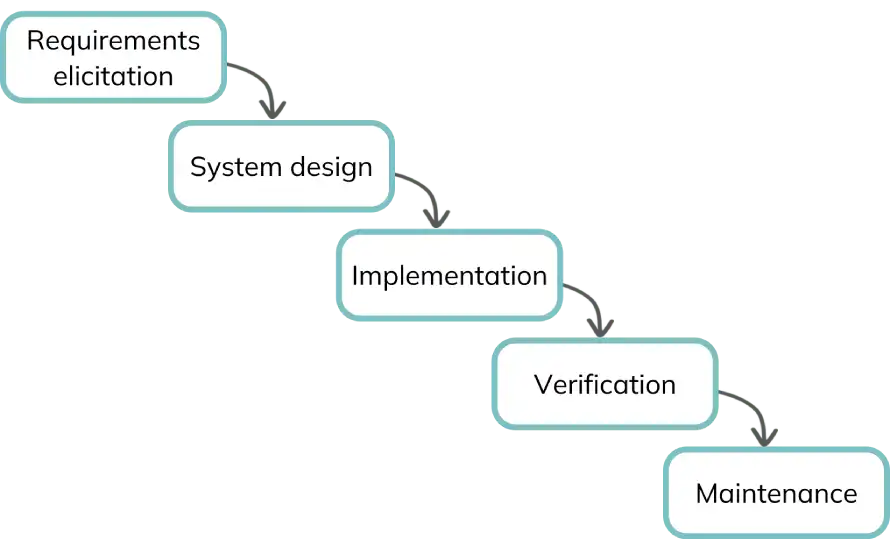
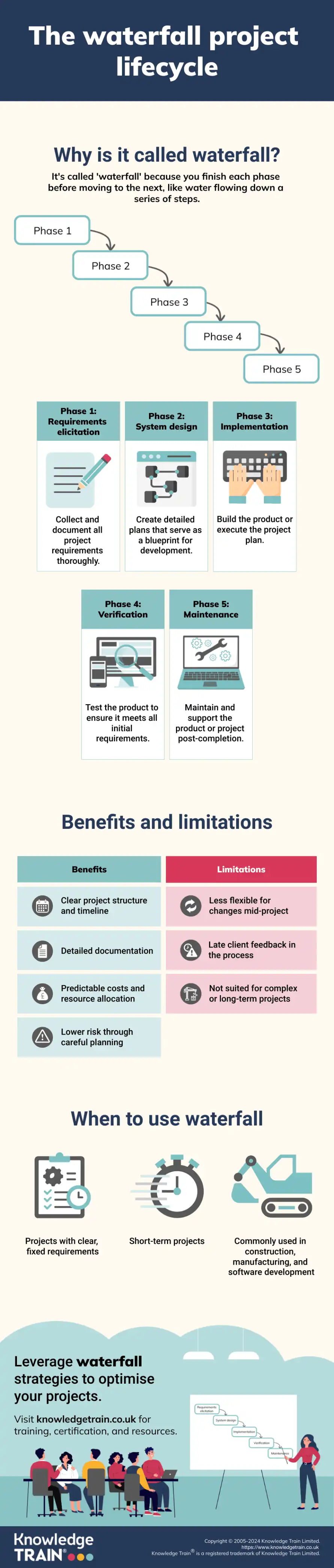
The Automation & architecting DevOps toolchainswaterfall methodMeasurement, metrics, and reporting of project management is a sequential approachSharing, shadowing and evolving to a DevOps Leadership.projectDevOps Practitioner. The phases of this methodology are completed one after another in the following order:®
- Requirements elicitation certifications
- DesignThese certifications are for individuals who want to continue with the DevOps certification path. Once you achieve the foundation certificate, you would be eligible to sit the exams of the following qualifications:
- ImplementationDevOps Test Engineering (DTE)
- Verification®
Closed-book.project managers to make informed decisions on when to explore alternative approaches or adapt the waterfall model to mitigate these risks.Certified Agile Process Owner
Waterfall vs Agile methods®
Waterfall and The CAPO certification provides guidance into the process owner responsibilities such as overseeing the design, re-engineering and improving of IT Service Management (ITSM) processes. It is suitable for process owners/managers, and anyone responsible for designing, improving or engineering processes.Agile methodsThe certification covers: are the most popular software development techniques. To decide which one is best for you, it’s important to understand their main differences. So, let’s compare two methods based on the most important aspects:The importance of processes, Agility and the role of the Process Owner
Key differences in approachProcess design basics
Career path exampleProcess Owner knowledge, skills and attributes:Selecting a Process Owner
| WaterfallRelated roles like Process Manager and Global Process Owner | AgileThe characteristics of an Agile process |
| Linear, sequentialProcess improvement tools and technologies. | Iterative, incrementalExam format: |
| Fixed scope40 multiple choice questions | Flexible scope60 minutes duration |
| Long-term planning26 or more (65%) correct answers to pass | Short-term planningClosed-book. |
| Comprehensive documentationDevOps Practitioner | Minimal documentation® |
Flexibility and adaptability, DevOps Leader (DOL)
Waterfall®
- Rigid structure with defined phases, DevOps Test Engineering (DTE)
- Difficult to accommodate changes once a phase is complete®
- Best for , Agile Service Managementprojects® with stable requirements., Certified Agile Service Manager
Agile®
- Hierarchical team structure
- Specialised roles with limited cross-functional work.
project managers can decide when to use waterfall methodology. With a proper context and mindset, waterfall remains a valuable approach to successfully delivering projects .DevOps Books
FAQs
What are the main differences between waterfall and agile methodologies?
Waterfall is a linear and sequential approach, while Agile is iterative and flexible. Waterfall emphasises upfront planning, while Agile embraces change and feedback throughout the development process.
Can waterfall and agile methodologies be combined?
Yes, hybrid approaches exist that blend elements of both methodologies to suit specific project requirements and team preferences.
How long does a typical waterfall project take?
Project duration can vary widely, from a few months to several years, depending on the scope, complexity, and resources available.
What are the biggest challenges in waterfall project management?
Challenges include handling changes and late-stage issues, maintaining stakeholder engagement, and ensuring that requirements are accurately captured and understood from the outset.
Is waterfall still relevant in today’s fast-paced software development environment?
Yes, for projects with well-defined requirements, strict regulatory requirements, or where changes are expensive or impractical, waterfall remains a viable approach.
InfographicGive us a call