Introduction
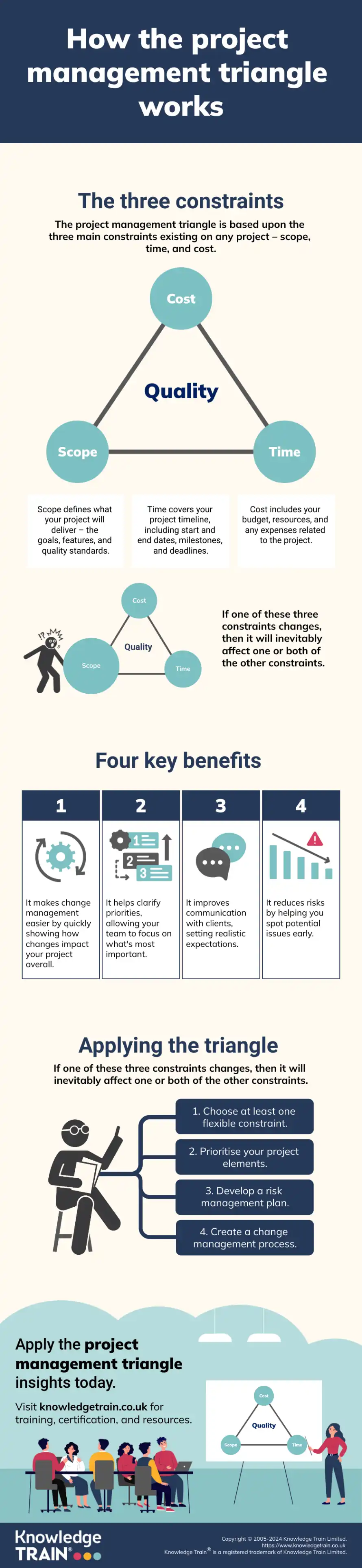
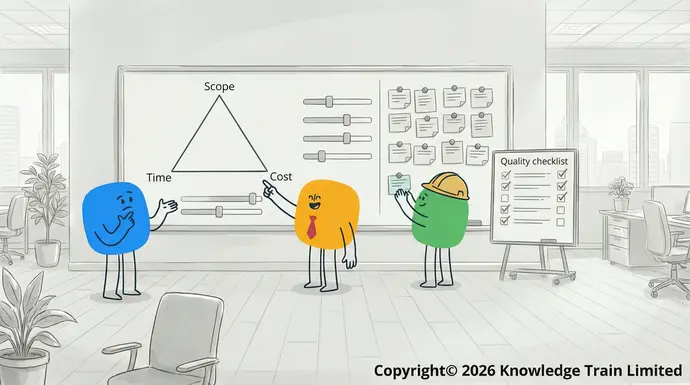
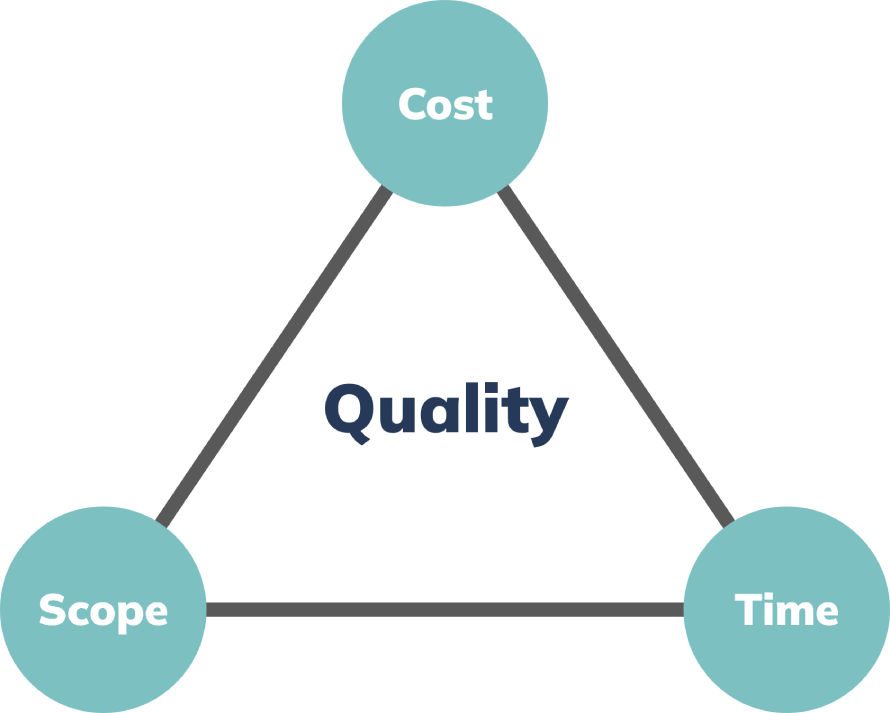
The project management triangle , also known as the triple constraint model, is a concept that visualises the constraints of scope , time
- Save preferencesClickUp: A feature-rich tool with robust Agile project support and time tracking and resource management features. ClickUp also provides multiple view options (list, board, Gantt, calendar) to cater to different preferences and project needs.
- TeamworkView preferences: A client-focused platform designed for team collaboration. It has a budget and expense tracking features, as well as {title}risk management{title} and issue tracking tools for comprehensive project management.{title}
Key features to look for in project management toolsManage Consent
When choosing a project management tool, consider these vital features and capabilities:
- Constraint trackingTo provide the best experiences, we use technologies like cookies to store and/or access device information. Consenting to these technologies will allow us to process data such as browsing behavior or unique IDs on this site. Not consenting or withdrawing consent, may adversely affect certain features and functions.: The ability to track and manage scope, time and cost constraints concurrently
- Resource allocation : Features and tools to optimise team and resource utilisation
- Reporting and analytics : Real-time project status and insights through intuitive dashboards and analyticsFunctional
- Collaboration features : Shared workspaces, integrated communication tools and file-sharing capabilities for effective teamwork
- Integration capabilitie s: Compatibility with other software and tools used within your organisation
- Customisation optionsFunctional: Flexibility to adapt the software to your project management methodologies and processes
- Mobile accessibility Always active : Mobile applications or responsive interfaces for on-the-go project management.
With the right tool and these essential features, project managers will be in a much better position to maintain the constraints of the project management triangle. Software solutions can enhance project visibility, foster better communication and support data-driven decisions throughout the project lifecycle.
- Manage {vendor_count} Encourage stakeholders to ask questions and share their concerns.vendors
Regular monitoring and adjustmentsRead more about these purposes
Another important aspect of the project management triangle is monitoring and adjustingAccept. Project managers need to keep a close eye on the project and make adjustments as needed to keep it on track. There are several best practices for monitoring and adjusting, including the following:
- Use a tracking system to monitor the project. This will help you to keep track of progress and adjust as needed.Deny
- Review the project plan on a regular basis. This will help you to stay on track and make changes as necessary.
- Adjust the plan when necessary. If you find that you are off track, you can always make adjustments to get back on track.View preferences
- Decisions based on information to revise project plans.
Team collaboration and accountabilitySave preferences
Project managers can also foster collaboration and teamwork among team members by holding them accountable for their part of the work. When team members know that they will be held accountable for their work, they are more likely to collaborate with others to complete the project successfully. There are several best practices for collaborating and holding team members accountable, including the following:
- Assign clear roles and responsibilities to each team member. This will help everyone to understand what they need to do and be held accountable for their part of the project.View preferences
- Encourage team members to collaborate with each other. This can be done by setting up regular team meetings and encouraging team members to communicate with each other.{title}
- Track team members’ progress and hold them accountable for their work. This can be done by regularly reviewing each team member’s progress and providing feedback.{title}
- Recognise and reward efforts that support successful constraint management.{title}
Continuous improvementManage consent
Adopt a culture of Manage consentcontinuous improvement when working with the project triangle.
- Review the project after completion to determine lessons learned
- Evaluate what worked and didn’t work for finding the balance between the constraints
- Promote team members to share ideas for process improvements
- Stay updated on emerging project management methodologies and tools.
Incorporating these best practices can help project managers to learn the project management triangle. However, success will depend on dedication, flexibility, and the ability to learn from both successes and failures.
Applying the project management triangle
To help us see how we can do this, it’s worth looking at some examples of best practice in real-world situations. We will take three case studies below and see how things were managed in each of them.
Large-scale IT project
A global corporation launched a worldwide ERP implementation. The Project Manager in this case struggled to ensure the best balance between the different project triangle dimensions.
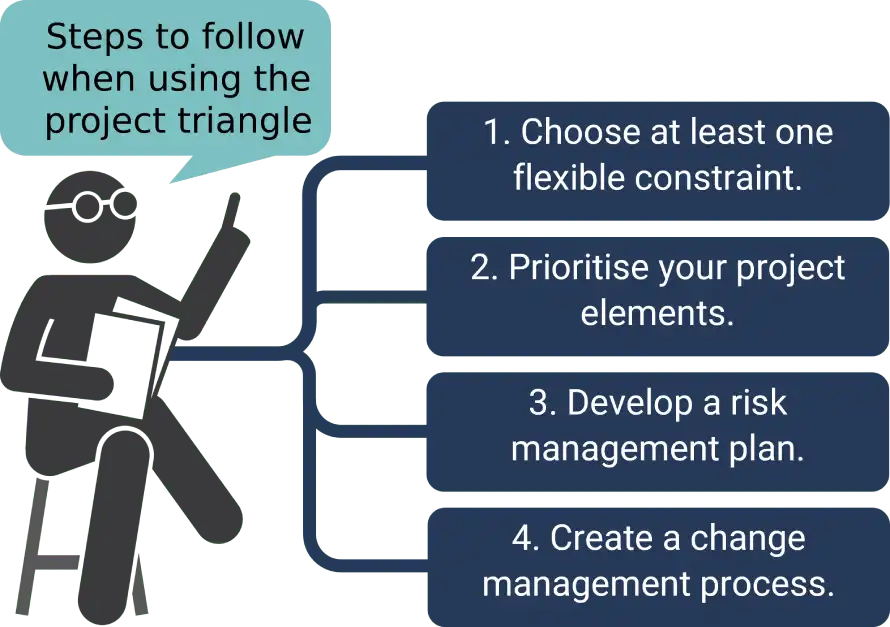
Key measures include prioritised the most important core functionalities to manage scope, implemented a phased rollout to manage time and cost constraints, and utilised change management processes to assess and evaluate new requirements.
Result: The project delivered under budget, with minimal impact on time, and fulfilled all essential business requirements.
Construction project
A commercial skyscraper building construction project faced unexpected geological conditions which created a major risk to the project triangle.
Key measures include reallocated budget from non-essential features to resolve foundation issues, accelerated other construction phases to make up for initial delays, and negotiated with stakeholders to adjust project scope without compromising quality.
Result: The building was completed safely, with a minor delay and a slight increase in the budget.
Product development initiative
A tech startup wanted to launch a new software product in a highly competitive market, but it struggled to strike the right balance between innovation and the pressure to get the product to market in time.
Key measures include employed an Agile methodology to manage scope flexibly, focused on developing a Minimum Viable Product (MVP) for the initial release and utilised customer feedback to prioritise further feature development after launch.
Result: The product was able to be launched in time, within the budget, and has gained a high level of market share quickly due to its core functionality and the improvements that have been iteratively made since the launch.
These examples illustrate successful applications of the project triangle in diverse industries and projects. They show how effective management of scope, time, and cost can overcome challenges and deliver value.
Conclusion
The project management triangle is a simple yet powerful tool for understanding and managing project constraints such as scope, time, and cost. By learning this concept, project managers can make informed decisions when trade-offs are required and ensure that they deliver high-quality results.
We hope that our blog post on the project management triangle has provided you with a clear and concise understanding of the concept. Remember, project management is not just about executing tasks but also involves communication with stakeholders, ongoing monitoring and adjustment of project parameters, team collaboration, and accountability, and continuous process improvement. Balancing these constraints is critical for project success, regardless of the industry or project type. As the case studies have shown, the effective application of the project management triangle can lead to exceptional outcomes.
We encourage you to apply these principles to your projects and experience the benefits of successful project management. With the right mindset, tools, and techniques, you will be able to navigate through challenges, meet stakeholder expectations, and consistently deliver successful outcomes. Embrace the project management triangle as an invaluable part of your project management toolkit.
FAQs
What is the iron triangle in project management?
The iron triangle is another name for the project management triangle, emphasising the importance of balancing scope, time, and cost.
How does changing one constraint affect the others in the project management triangle?
Changing one constraint typically impacts the other two, requiring adjustments to maintain balance and quality.
Can the project management triangle be applied to all types of projects?
Yes, the project management triangle is a versatile concept that can be applied to various industries and projects.
What are some signs that a project’s constraints are out of balance?
Signs of imbalance may include frequent scope changes, missed deadlines, budget overruns or quality issues.
How often should project managers review and adjust the project management triangle?
Regular reviews are crucial, especially at significant milestones or when major changes occur.
What role does innovation play in managing the project management triangle?
Innovation can help optimise processes, potentially improving all constraints simultaneously.
Infographic