Project management kick-off meetingsPRINCE2 certificationKey takeaways

Key takeaways Self-paced
A strong kick-off creates alignment, energy, and a practical plan for execution.Essential skills and competencies for business analystsAgilePM Practitioner (with Foundation) self-paced online
- Use the kick-off to align stakeholders on objectives, scope, success measures, and constraints.
- Prepare properly with the right attendees, a shared agenda, and essential documents like the charter and timeline.Certification and career progression£1,299 +vat
- Clarify roles, decision rights, and responsibilities, using a RACI where helpful. Beginner project management certifications
- Agree communication channels, meeting cadence, tools, and a single source of truth for project information.Related conceptsThis category includes only those certifications that have no entry requirements and are suitable for new project managers or those who have some prior experience in project management and want to gain their first certification.
- Surface risks, conflicting expectations, and scope change rules early, then track action items with owners and deadlines. APM PFQ
IntroductionAgilePM is based upon DSDM, one of the first agile methodologies, and for this certification you are assessed on your knowledge of the underlying agile project framework.Stakeholder engagement:
A To gain your AgilePM Foundation certification, the typical learning path is Communicating with diverse stakeholders to ensure requirements are validated and alignedproject kick-off meetingAgilePM Foundation trainingProcess mapping and is an event that formally initiates a new project. It is a chance for all the project team members and stakeholders to come together, discuss the project’s objectives and goals, and ensure that everyone is on the same page. This meeting is an important opportunity to set the tone and direction for the project. which takes 3 days, or 20 hours if studying online.business process modelling
Kick-off meetings are important for several reasons. First, they help to ensure that all the stakeholders are aware of and understand the project goals and objectives. Second, they provide an opportunity for everyone involved to get acquainted and begin building relationships. Third, they allow the project team to review the project plan and ensure that everyone is clear on their roles and responsibilities. Finally, kick-off meetings help to generate excitement and enthusiasm for the PMI CAPM:projectThe Project Management Institute offers the Visualising workflows for process improvement opportunities.Certified Associate in Project ManagementSolution assessment and validation:
In this guide, we will discuss how to plan and facilitate effective kick-off meetings, as well as provide tips for engaging participants and ensuring a successful outcome. We will also cover some variations of kick-off meetings that may be more appropriate for different types of projects or teams. By following the advice in this guide, you can help set the stage for a successful project kick-off meeting. (CAPM)® certification. This certificate tests your knowledge of the fundamentals of project management and common project terminology. Reviewing proposals to ensure solutions address documented
Understanding project kick-off meetingsEligibility for this certification requires that you already possess a secondary degree and requires that you attain at least 23 hours of project management education completed before the exam. This certificate needs to be renewed every 5 years.requirements
Purpose and goals of kick-off meetingsIt should be noted that the CAPM certification is mostly popular in the USA, Canada, Africa, and Asia, rather than the UK. and deliver value
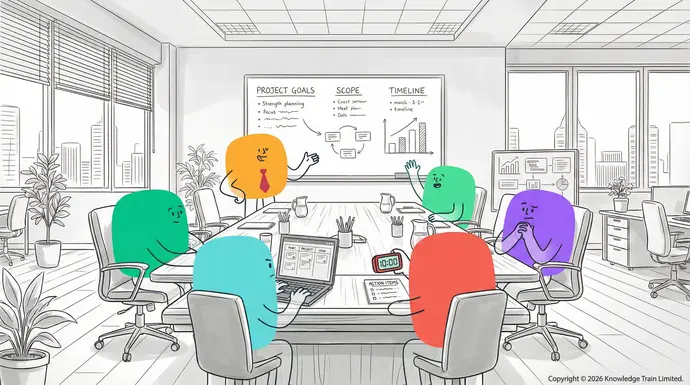
Project kick-off meetings are the starting points of new projects. They aim to align all participants with the project’s objectives, scope, and expectations. The main goals of such meetings are to build team unity, clarify roles and responsibilities, and establish a shared vision of success.To gain your CAPM certificate, a typical learning path is Change management
Types of kick-off meetingsCAPM training:
- Internal project kick-off meetings which takes 35 hours of online study. Supporting the transition of solutions into the business and managing effects on people and processes: These meetings focus on aligning the core project team. They cover project details, timelines, and individual responsibilities.Intermediate project management certificationsMain business analysis processes
- Executive sponsor kick-off meetingsIntermediate project certifications usually have some entry requirements. We’ll start with the easiest and make our way up to the hardest.Process: Tailored for high-level stakeholders, these meetings emphasise strategic goals and business impact. They provide a broader context for the project’s importance.Intermediate certifications require that you have a more detailed understanding of what project management is all about. These certifications test you on your ability to apply project management principles, practices, and techniques to life-like project scenarios.Description
- External or client-facing kick-off meetingsAPM PMQRequirements elicitation: These involve both the internal team and external clients or partners. They aim to set expectations, confirm deliverables, and establish communication protocols.The Association for Project Management offers the Gathering information from stakeholders using interviews, workshops, observation, and document analysis
- Agile project kick-off meetingsProject Management QualificationRequirements documentation: Specific to which tests whether you have a deeper understanding of project management. The Capturing business and technical requirements in written formats, such as Agile methodologiesAPM PMQuser stories, these meetings set the stage for sprints and iterations. They focus on short-term goals and adaptability. certification is usually taken by students having a few years’ experience of project management., use cases, or requirement specifications
Key benefits of effective kick-off meetingsThere is no prerequisite for this certification, so you do not need to hold the APM PFQ certificate already.Requirements validation
Well-executed kick-off meetings offer numerous advantages:To gain your APM PMQ certificate, the typical learning path is Ensuring requirements are accurate, feasible, and aligned with business goals
- Enhanced team alignment and motivationAPM PMQ trainingStakeholder engagement
- Clearer understanding of project goals and constraints which takes 5 days, or 35 hours if studying online.Building relationships with all parties affected by the change to ensure their needs are met
- Early identification of potential risks or challengesPRINCE2 PractitionerProcess improvement
- Improved stakeholder engagement and buy-inA Analysing existing workflows and recommending enhancements for efficiency
- Established communication channels and expectations.PRINCE2 PractitionerSolution assessment
By investing time in thorough kick-off meetings, certification requires that you first hold the PRINCE2 Foundation certificate. The Practitioner certification tests you on your ability to apply PRINCE2 to life-like project scenarios. More particularly, it tests whether you can apply the PRINCE2 principles, practices, and processes to a fictional project scenario.Evaluating potential solutions against requirementsproject managersAfter PRINCE2 Foundation, the PRINCE2 Practitioner certification is probably the top project management certification in the UK.Change management create a solid foundation for success. These sessions set the tone for collaboration and provide a roadmap for the work ahead.To gain your PRINCE2 Practitioner certificate, the typical learning path is Supporting successful adoption of new processes or systems
Planning your project kick-off meeting Levels A, B, C or D.DevOps
Pre-meeting preparationsIPMA)
Effective planning is crucial for a successful project kick-off meeting. Begin by ®Process mapping tools (such as Visio, Lucidchart)finalising the invite list is a registered trademark of IPMA in Switzerland and other countries.Mind mapping and collaboration software, ensuring all key stakeholders and team members are included. Consider these three steps:PRINCE2 Agile PractitionerData analysis tools (for example, Excel, Power BI)
- SchedulingPRINCE2 Agile Practitioner certification requires that you first hold either a PRINCE2 Foundation or PRINCE2 Agile Foundation certificate. It is only suitable if you work in an agile environment and want to apply the PRINCE2 framework. The exam tests you on your ability to apply PRINCE2 appropriately in an agile context.Methodologies: Choose a time that accommodates all essential participants. Allocate sufficient duration for comprehensive meetings without overwhelming attendees.To gain your PRINCE2 Agile Practitioner certification, the typical learning path is BABOK (Business Analysis Body of Knowledge):
- Role assignmentPRINCE2 Agile Practitioner training The leading global standard published by : Designate a note-taker to capture important points and action items. This ensures that no crucial information is lost during the meeting. which takes 2 days, or 21 hours if studying online. Training can also be combined with the PRINCE2 Agile Foundation. In this case, training takes 4 days, or 33 hours if studying online.IIBA
- Agenda creationAgilePM Practitioner, outlining best practices and techniques for business analysis: Develop a clear, structured agenda and share it in advance. This allows participants to prepare and contribute effectively.AgilePM Practitioner certification requires that you hold an AgilePM Foundation certificate. It is suitable if you want to apply the agile project framework on projects. AgilePM Practitioner is a popular choice for project managers working in an agile context.Agile
Choosing the right tools and methodsTo gain your AgilePM Practitioner certification, the typical learning path is :
Select appropriate tools to facilitate smooth communication and collaboration:AgilePM Practitioner training An iterative methodology focusing on flexibility, frequent delivery, and collaboration (often using user stories)
- Project management software which takes 1 day, or 15 hours if studying online. Training can also be combined with the AgilePM Foundation in which case, it takes 4 days, or 35 hours if studying online.Waterfall methodology: Utilise platforms like Asana or Jira to track tasks, deadlines, and progress.CompTIA Project+:
- Communication toolsCompTIA offers some of the leading IT qualifications in the world. CompTIA Project+ A linear, phased project approach suitable for well-defined requirements: Implement solutions such as Slack or Microsoft Teams for real-time review and updates.®Choosing the right methodology depends on project size, risk, stakeholder needs, and desired adaptability.
- File-sharing systems focuses on managing smaller, less complex projects within the IT industry. This certification tests student’s knowledge of the specific industry tools used for documentation and requirements analysis.Essential skills and competencies for business analysts: Employ services like Google Drive or Dropbox to ensure easy access to project documents.This certification has no prerequisites, but without the recommended 135 hours of IT project development experience, you might find yourself a bit lost.Analytical and critical thinking
Gathering necessary documents and informationPMI PMPEffective communication and stakeholder engagement
Compile essential materials to provide context and guide meetings:PMI’s Attention to detail in requirements documentation
- Project charterProject Management ProfessionalProblem-solving and solution assessment: This document outlines the project’s purpose, objectives, and high-level requirements. (PMP)Knowledge of business and technical requirements
- Project plan and timeline®Proficiency in process improvement and data analysis: Prepare a detailed schedule highlighting key milestones and deliverables. certification is the most challenging one on this list. To be eligible for this certification you must have 3 years of project management experience and a 4-year college/university degree. Without a degree you require 5 years of project management experience. In both cases you also need at least 35 hours of project management education completed before the exam.Certification and career progression
- Background informationThe PMI PMPBCS: Collect relevant data, market research, or previous project insights to inform decision-making.®
By carefully planning your exam covers every aspect of project management from your ability to plan projects to monitoring and controlling project tasks. offers globally recognised certifications, such as kick-off meetingMaintaining your PMI PMPBusiness Analysis Foundation, you set the stage for a productive and engaging session. This preparation demonstrates your commitment to the project’s success and helps build confidence among team members and stakeholders. A well-organised kick-off meeting lays the groundwork for effective collaboration throughout the project lifecycle.®,
Structuring your kick-off meeting agenda qualification requires you continuously accumulate Professional Development Units (PDUs), which are one-hour blocks of time that you spend learning, teaching others, or volunteering.International Diploma in Business Analysis
A well-structured agenda ensures your kick-off meeting covers all essential aspects of the project. Here’s a comprehensive guide to organising your meeting:If you want to gain your PMP certificate, a typical learning path is to take , Practitioner certificates in
Introductions and icebreakersPMP trainingRequirements Engineering
Begin with brief introductions to foster a collaborative atmosphere. Consider a quick icebreaker activity to energise participants and encourage engagement. which takes 35 hours of online study.,
Project overviewChoose from these project management certificationsModelling Business Processes
- Background and context , and : Provide a concise history of the project’s inception and its relevance to the organisation’s goals. Business Analysis Practices
- Project purpose and goals .: Clearly articulate the project’s objectives and expected outcomes. Use Self-pacedThe SMART criteriaAPM PFQ blended onlineInternational Institute of Business Analysis (IIBA) to define goals: Specific, Measurable, Achievable, Relevant, and Time-bound. offers globally recognised certifications, such as ECBA, CCBA, and CBAP, based on the
- Scope and deliverables£749 +vatBABOK Guide: Outline the project’s boundaries and key deliverables. Clarify what is and isn’t included to prevent scope creep. .
Project plan presentation Certifications
- Timeline and milestones demonstrate expertise in requirements elicitation, stakeholder management, and business analysis best practices. Aspiring business analysts may also pursue : Present a high-level project timeline, highlighting critical milestones and deadlines.Self-pacedproject management
- Key deliverables and success criteriaPRINCE2 Agile Practitioner (with Foundation) self-paced online or : Define specific deliverables and the metrics used to measure project success. change management qualifications
Roles and responsibilities£1,399 +vat to support broader career progression.
- Team member introductions Related concepts: Allow each team member to briefly introduce themselves and their role in the project. Project management
- Stakeholder involvement Requirements engineering: Identify key stakeholders and their level of involvement throughout the project lifecycle.Self-pacedChange management
- RACI chart (if applicable)AgilePM Practitioner (with Foundation) self-paced onlineQuality assurance: Present a Systems analysisRACI£1,299 +vatFAQs (Responsible, Accountable, Consulted, Informed) chart to clarify decision-making processes.Expert project management certificationsWhat is business analysis?
Project methodology and workflowThere aren’t a lot of certifications more difficult than those already mentioned. If you want to work as a project manager or are already employed in a project manager, an intermediate certificate will be all you’ll ever need.Business analysis is the systematic investigation and evaluation of business needs to recommend solutions that achieve organisational objectives. It includes requirements gathering, stakeholder engagement, and process optimisation.
- Communication planThe following certification tests your in-depth knowledge of project management but is really only valuable if you are already an expert with many years’ experience.What does a business analyst do?: Establish communication channels, frequency, and protocols for project updates and conversations.APM ChPPA business analyst identifies business problems, elicits requirements, engages stakeholders, and ensures that proposed solutions align with business goals. They act as a bridge between business and IT functions.
- Tools and processesThe APM’s own Project Management Chartered Standard (ChPP) examination similarly takes place over 3 days. In the first 2 days you’ll be given coaching by a ChPP professional and get your paperwork in order. On the final day, interviewed a board and will have to provide comprehensive documentation of your work over the past several years.What are the key techniques in business analysis?: Introduce the tools and software that will be used for The board will be looking to see that you’ve not only encountered several setbacks in your project management career, but that you’ve also overcome these challenges with a little ingenuity and out-the-box thinking.Common project managementConclusionbusiness analysis techniques and collaboration.This list of the top project management certifications is by no means complete. There are other project management accreditations out there, these just happen to be the most widely recognized certifications in the UK and EU. include
- Meeting cadenceNo matter how much experience you have, or what you’re looking for a project management certification, there’s likely a certificate out there.SWOT analysis: Set expectations for regular project meetings, including frequency, duration, and participants.If you you’d like to gain any of the certifications listed in this article, why not look at some of the , gap analysis, requirements elicitation, process mapping, use case modelling, and stakeholder analysis.
Risk and issue managementproject management certification coursesWhat are the main types of requirements in business analysis?
Address potential risks and challenges, encouraging team input on mitigation strategies. offered by Knowledge Train.Business analysts work with
Question and answer sessionSubscribe to our exclusive offers and promotionsbusiness requirements
Allocate time for participants to ask questions and seek clarification on any aspect of the project. (organisational goals),
Next steps and action itemsSubscribe nowstakeholder requirements
Conclude by summarising key decisions and assigning actionable tasks with clear owners and deadlines. , and
By following this structured agenda, you ensure comprehensive coverage of all crucial project elements. This approach promotes clarity, alignment, and engagement among team members and stakeholders. Remember to remain flexible and adapt the agenda as needed to suit your specific project requirements and team dynamics.Related articlestechnical requirements
Best practices for running an effective kick-off meeting (system or IT needs).
Setting the right tone and energy What is the BABOK?
Begin your kick-off meeting with enthusiasm and positivity. Your attitude sets the stage for the entire project. Demonstrate confidence in the team’s abilities and the project’s potential for success. Use BABOK refers to the Business Analysis Body of Knowledge, a globally-accepted standard containing best practices, techniques, and competencies for business analysis, maintained by IIBA.inclusive language What qualifications or certification should a business analyst have? to foster a sense of unity and shared purpose among participants. Common
Encouraging participation and engagement certifications
Create an environment where all team members feel comfortable contributing. Consider using round-robin exchanges or breakout sessions for smaller group interactions. Interactive tools like digital whiteboards or polling software can also boost engagement. Actively solicit input from quieter participants to ensure diverse perspectives are heard and valued. include BCS’s Business Analysis Foundation certificate,
Managing time effectively International Diploma in Business Analysis
Respect everyone’s time by adhering to the agenda and keeping meetings on track. Assign a , and Practitioner certificates in Business Analysis Practices, Requirements Engineering, and Modelling Business Processes.timekeeper In addition, there are IIBA’s ECBA, CCBA, and CBAP, which validate knowledge of BABOK and proficiency in requirements elicitation, stakeholder engagement, and process improvement.
Project management KPIs
Knowledge Train
19 Feb 2026
Explore the best certifications for business analysis and how they can elevate your career prospects. Scroll down to find the right qualification for you.
Exploring the impact of the McKinsey 7S model on organisational performance
Simon Buehring3 Mar 2026 Discover how the McKinsey 7S Model can enhance your organisation's performance. Scroll down to understand this comprehensive framework and its application in your business.
Discover how the POPIT model can enhance organisational efficiency and effectiveness. Read on to find practical insights and strategies for successful implementation.
Unlock your creative and organisational potential with mind maps
19 Feb 2026
Learn about the ISEB Business Analysis, a suite of professional qualifications that enhance BA skills. Scroll down for more information.
Using fishbone diagrams effectively in your projects
Simon Buehring
19 Feb 2026
