
Introduction
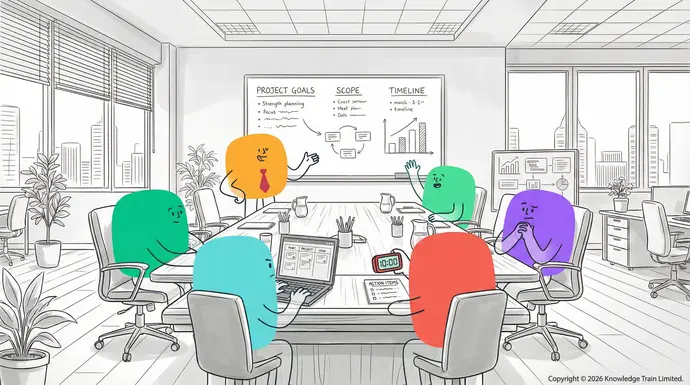
A project kick-off meeting is an event that formally initiates a new project. It is a chance for all the project team members and stakeholders to come together, discuss the project’s objectives and goals, and ensure that everyone is on the same page. This meeting is an important opportunity to set the tone and direction for the project.{"@context":"http://schema.org","@type":"WebPage","headline":"What is Business Analysis? Key Techniques & Analyst Role","url":"https://www.knowledgetrain.co.uk/business-analysis","significantLink":"https://en.wikipedia.org/wiki/Business_analysis","about":[{"@type":"Thing","name":"business analysis","sameAs":["http://en.wikipedia.org/wiki/Business_analysis","https://www.google.com/search?&kgmid=/m/07764x","https://www.wikidata.org/wiki/Q1518232"]}],"mentions":[{"@type":"Thing","name":"Business analysis","sameAs":["https://en.wikipedia.org/wiki/Business_analysis","https://www.google.com/search?&kgmid=/m/07764x"]},{"@type":"Thing","name":"Use case","sameAs":["https://en.wikipedia.org/wiki/Use_case","https://www.google.com/search?&kgmid=/m/01rs9z"]},{"@type":"Thing","name":"Project management","sameAs":["https://en.wikipedia.org/wiki/Project_management","https://www.google.com/search?&kgmid=/m/05_p2"]},{"@type":"Thing","name":"Agile software development","sameAs":["https://en.wikipedia.org/wiki/Agile_software_development","https://www.google.com/search?&kgmid=/m/02zhbn"]},{"@type":"Thing","name":"Business process modeling","sameAs":["https://en.wikipedia.org/wiki/Business_process_modeling","https://www.google.com/search?&kgmid=/m/04bxyt"]},{"@type":"Thing","name":"British Computer Society","sameAs":["https://en.wikipedia.org/wiki/British_Computer_Society","https://www.google.com/search?&kgmid=/m/02p7dl"]},{"@type":"Thing","name":"Feasibility study","sameAs":["https://en.wikipedia.org/wiki/Feasibility_study","https://www.google.com/search?&kgmid=/m/05gcp6"]},{"@type":"Thing","name":"Business analyst","sameAs":["https://en.wikipedia.org/wiki/Business_analyst","https://www.google.com/search?&kgmid=/m/05czsl"]},{"@type":"Thing","name":"Critical thinking","sameAs":["https://en.wikipedia.org/wiki/Critical_thinking","https://www.google.com/search?&kgmid=/m/01pfjq"]},{"@type":"Thing","name":"SWOT analysis","sameAs":["https://en.wikipedia.org/wiki/SWOT_analysis","https://www.google.com/search?&kgmid=/m/01q_dt"]},{"@type":"Thing","name":"Problem solving","sameAs":["https://en.wikipedia.org/wiki/Problem_solving","https://www.google.com/search?&kgmid=/m/053w_z"]},{"@type":"Thing","name":"User story","sameAs":["https://en.wikipedia.org/wiki/User_story","https://www.google.com/search?&kgmid=/m/07vtf7"]},{"@type":"Thing","name":"Business process","sameAs":["https://en.wikipedia.org/wiki/Business_process","https://www.google.com/search?&kgmid=/m/01ybqv"]},{"@type":"Thing","name":"Waterfall model","sameAs":["https://en.wikipedia.org/wiki/Waterfall_model","https://www.google.com/search?&kgmid=/m/0867l"]},{"@type":"Thing","name":"Change management","sameAs":["https://en.wikipedia.org/wiki/Change_management","https://www.google.com/search?&kgmid=/m/05qb9n6"]},{"@type":"Thing","name":"Strategic management","sameAs":["https://en.wikipedia.org/wiki/Strategic_management","https://www.google.com/search?&kgmid=/m/01jqpl"]},{"@type":"Thing","name":"Professional certification","sameAs":["https://en.wikipedia.org/wiki/Professional_certification","https://www.google.com/search?&kgmid=/m/01vt2"]},{"@type":"Thing","name":"Management","sameAs":["https://en.wikipedia.org/wiki/Management","https://www.google.com/search?&kgmid=/m/04_tv"]},{"@type":"Thing","name":"Quality assurance","sameAs":["https://en.wikipedia.org/wiki/Quality_assurance","https://www.google.com/search?&kgmid=/m/01sf4b"]},{"@type":"Thing","name":"Goal","sameAs":["https://en.wikipedia.org/wiki/Goal","https://www.google.com/search?&kgmid=/m/03g_1kv"]},{"@type":"Thing","name":"Risk","sameAs":["https://en.wikipedia.org/wiki/Risk","https://www.google.com/search?&kgmid=/m/06d5f"]},{"@type":"Thing","name":"Collaboration","sameAs":["https://en.wikipedia.org/wiki/Collaboration","https://www.google.com/search?&kgmid=/m/01s560"]},{"@type":"Thing","name":"Communication","sameAs":["https://en.wikipedia.org/wiki/Communication","https://www.google.com/search?&kgmid=/m/01lhf"]},{"@type":"Thing","name":"Systems analysis","sameAs":["https://en.wikipedia.org/wiki/Systems_analysis","https://www.google.com/search?&kgmid=/m/0c7z0"]},{"@type":"Thing","name":"Strategic planning","sameAs":["https://en.wikipedia.org/wiki/Strategic_planning","https://www.google.com/search?&kgmid=/m/01h2x3"]},{"@type":"Thing","name":"Gap analysis","sameAs":["https://en.wikipedia.org/wiki/Gap_analysis","https://www.google.com/search?&kgmid=/m/085szz"]}]}
Kick-off meetings are important for several reasons. First, they help to ensure that all the stakeholders are aware of and understand the project goals and objectives. Second, they provide an opportunity for everyone involved to get acquainted and begin building relationships. Third, they allow the project team to review the project plan and ensure that everyone is clear on their roles and responsibilities. Finally, kick-off meetings help to generate excitement and enthusiasm for the projectRelated articles.
In this guide, we will discuss how to plan and facilitate effective kick-off meetings, as well as provide tips for engaging participants and ensuring a successful outcome. We will also cover some variations of kick-off meetings that may be more appropriate for different types of projects or teams. By following the advice in this guide, you can help set the stage for a successful project kick-off meeting.
Understanding project kick-off meetings
Purpose and goals of kick-off meetings
Project kick-off meetings are the starting points of new projects. They aim to align all participants with the project’s objectives, scope, and expectations. The main goals of such meetings are to build team unity, clarify roles and responsibilities, and establish a shared vision of success.
Types of kick-off meetings
- Internal project kick-off meetings : These meetings focus on aligning the core project team. They cover project details, timelines, and individual responsibilities.
- Executive sponsor kick-off meetings : Tailored for high-level stakeholders, these meetings emphasise strategic goals and business impact. They provide a broader context for the project’s importance.
- External or client-facing kick-off meetings : These involve both the internal team and external clients or partners. They aim to set expectations, confirm deliverables, and establish communication protocols.
- Agile project kick-off meetings : Specific to Which certification is best for business analysis?Agile methodologies , these meetings set the stage for sprints and iterations. They focus on short-term goals and adaptability.Simon Buehring
Key benefits of effective kick-off meetings23 Feb 2026
Well-executed kick-off meetings offer numerous advantages:
- Enhanced team alignment and motivationExplore the best certifications for business analysis and how they can elevate your career prospects. Scroll down to find the right qualification for you.
- Clearer understanding of project goals and constraints
- Early identification of potential risks or challenges
- Improved stakeholder engagement and buy-in
- Established communication channels and expectations.
Planning your project kick-off meeting
19 Feb 2026
- Project charter : This document outlines the project’s purpose, objectives, and high-level requirements.Explore the potential of mind maps to enhance your creativity and organisational skills. Scroll down to learn practical tips and techniques that you can start using today.
- Project plan and timeline : Prepare a detailed schedule highlighting key milestones and deliverables.
- Background information : Collect relevant data, market research, or previous project insights to inform decision-making.
By carefully planning your kick-off meeting , you set the stage for a productive and engaging session. This preparation demonstrates your commitment to the project’s success and helps build confidence among team members and stakeholders. A well-organised kick-off meeting lays the groundwork for effective collaboration throughout the project lifecycle.
Structuring your kick-off meeting agendaWhat is a business analyst?
A well-structured agenda ensures your kick-off meeting covers all essential aspects of the project. Here’s a comprehensive guide to organising your meeting:
Introductions and icebreakersSimon Buehring
Begin with brief introductions to foster a collaborative atmosphere. Consider a quick icebreaker activity to energise participants and encourage engagement.19 Feb 2026
Project overview
- Background and contextDiscover what a business analyst does and how they are pivotal in achieving company goals. Learn more about the role's importance here.: Provide a concise history of the project’s inception and its relevance to the organisation’s goals.
- Project purpose and goals : Clearly articulate the project’s objectives and expected outcomes. Use SMART criteria to define goals: Specific, Measurable, Achievable, Relevant, and Time-bound.
- Scope and deliverables : Outline the project’s boundaries and key deliverables. Clarify what is and isn’t included to prevent scope creep.
Project plan presentationISEB Business Analysis
- Timeline and milestones : Present a high-level project timeline, highlighting critical milestones and deadlines.Simon Buehring
- Key deliverables and success criteria19 Feb 2026: Define specific deliverables and the metrics used to measure project success.
Roles and responsibilitiesLearn about the ISEB Business Analysis, a suite of professional qualifications that enhance BA skills. Scroll down for more information.
on. If conversations veer off-topic, gently guide them back to the agenda items. Be prepared to table lengthy conversation for follow-up meetings if necessary, ensuring the kick-off remains focused and productive.Simon Buehring
Addressing concerns and potential roadblocks19 Feb 2026
Encourage open dialogue about potential challenges. Create a safe space for team members to voice concerns without fear of judgment. Address issues proactively and collaboratively, focusing on solutions rather than dwelling on problems. This approach helps build trust and demonstrates a commitment to overcoming obstacles as a team.
Ensuring clarity on project goals and expectationsExplore how MOST analysis can enhance your business strategy and unlock new opportunities. Continue reading to learn practical steps and see real-world applications.
Clearly articulate the project’s objectives and success criteria. Use visual aids like charts or diagrams to illustrate complex concepts. Encourage questions and provide thorough explanations to ensure everyone leaves with a shared understanding of the project’s direction. This clarity is essential for aligning efforts and maintaining focus throughout the project lifecycle.
Fostering team collaboration and rapport
Promote a collaborative atmosphere by highlighting the unique skills each team member brings to the project. Establish clear communication channels for ongoing collaboration and encourage cross-functional interactions during the meeting. Consider incorporating a brief team-building activity to strengthen interpersonal connections, which can enhance future teamwork and project outcomes.
By implementing these best practices, you’ll create a kick-off meeting that energises your team and sets a positive tone for the entire project. A well-executed kick-off meeting lays the foundation for successful project execution and team cohesion throughout the project lifecycle.
