Project management kick-off meetings

Key takeaways
A strong kick-off creates alignment, energy, and a practical plan for execution.
- Use the kick-off to align stakeholders on objectives, scope, success measures, and constraints.
- Prepare properly with the right attendees, a shared agenda, and essential documents like the charter and timeline.
- Clarify roles, decision rights, and responsibilities, using a RACI where helpful.
- Agree communication channels, meeting cadence, tools, and a single source of truth for project information.
- Surface risks, conflicting expectations, and scope change rules early, then track action items with owners and deadlines.
Introduction
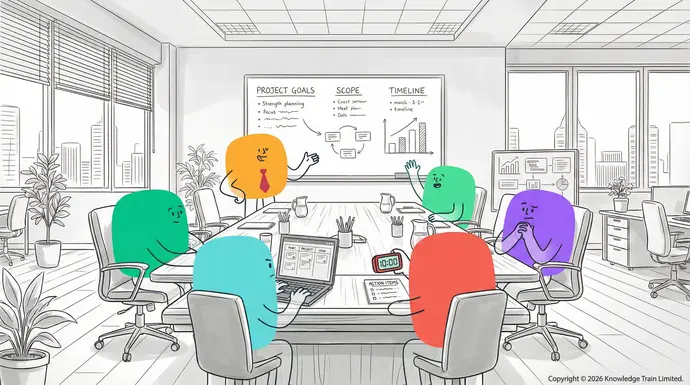
A project kick-off meeting is an event that formally initiates a new project. It is a chance for all the project team members and stakeholders to come together, discuss the project’s objectives and goals, and ensure that everyone is on the same page. This meeting is an important opportunity to set the tone and direction for the project.
Kick-off meetings are important for several reasons. First, they help to ensure that all the stakeholders are aware of and understand the project goals and objectives. Second, they provide an opportunity for everyone involved to get acquainted and begin building relationships. Third, they allow the project team to review the project plan and ensure that everyone is clear on their roles and responsibilities. Finally, kick-off meetings help to generate excitement and enthusiasm for the project.
In this guide, we will discuss how to plan and facilitate effective kick-off meetings, as well as provide tips for engaging participants and ensuring a successful outcome. We will also cover some variations of kick-off meetings that may be more appropriate for different types of projects or teams. By following the advice in this guide, you can help set the stage for a successful project kick-off meeting.
Understanding project kick-off meetings
Purpose and goals of kick-off meetings
Project kick-off meetings are the starting points of new projects. They aim to align all participants with the project’s objectives, scope, and expectations. The main goals of such meetings are to build team unity, clarify roles and responsibilities, and establish a shared vision of success.
Types of kick-off meetings
- Internal project kick-off meetings: These meetings focus on aligning the core project team. They cover project details, timelines, and individual responsibilities.
- Executive sponsor kick-off meetings: Tailored for high-level stakeholders, these meetings emphasise strategic goals and business impact. They provide a broader context for the project’s importance.
- External or client-facing kick-off meetings: These involve both the internal team and external clients or partners. They aim to set expectations, confirm deliverables, and establish communication protocols.
- Agile project kick-off meetings: Specific to Agile methodologies, these meetings set the stage for sprints and iterations. They focus on short-term goals and adaptability.
Key benefits of effective kick-off meetingsProject Management Skills | Knowledge Train
Well-executed kick-off meetings offer numerous advantages:
- Enhanced team alignment and motivation
- Clearer understanding of project goals and constraints
- Early identification of potential risks or challenges
- Improved stakeholder engagement and buy-in
Distributing meeting notes and recordings
Share comprehensive meeting minutes and, if applicable, meeting recordings or links to them with all attendees and relevant stakeholders as soon as possible after the kick-off meeting. This allows everyone, including those who were unable to attend, to be up to date and serves as a reference for future discussions. Detailed documentation ensures transparency and alignment among team members and stakeholders.
Following up on action items
Compile a list of action items identified during the kick-off meeting and assign them to team members with clear deadlines. Check in with everyone to verify their understanding and commitment to completing the assigned tasks. Following up early on ensures accountability and sets the stage for project progress from day one.
Establishing a central source of truth for project information
projects . Your team and stakeholders will appreciate the clarity, direction, and momentum that a well-crafted kick-off provides.
FAQs
How long should a project kick-off meeting last?
The ideal length of a project kick-off meeting is between 60 to 90 minutes. For complex projects, it may be more effective to conduct multiple sessions rather than holding a single meeting exceeding two hours. Adjust the duration according to the project’s scope and the number of participants, covering all essential topics without overwhelming the attendees.
What’s the difference between a project charter and a kick-off meeting?
A project charter is a formal document that outlines the project’s objectives, scope, stakeholders, and high-level requirements. On the other hand, the kick-off meeting is an interactive event where team members discuss the charter’s details, clarify roles, and align on project goals and objectives. While the project charter provides a foundational understanding of the project, the kick-off meeting builds on that information, facilitating a clear understanding and engagement among team members and stakeholders.
Should we have a kick-off meeting for every sprint in Agile projects?
It is not necessary to conduct a kick-off meeting for every sprint in Agile projects. Sprints are typically short iterations focused on delivering specific features or improvements. However, it is advisable to hold kick-off meetings for major project phases or when implementing significant changes that affect the project’s scope or direction. Regular sprint planning meetings are usually sufficient for ongoing Agile projects.
How can I ensure stakeholder engagement during virtual kick-off meetings?
Maintaining stakeholder engagement in virtual kick-off meetings can be challenging but manageable with the right techniques. Use interactive tools such as polls or virtual whiteboards to foster engagement. Encourage participants to use video during the meeting to maintain a sense of connection. Consider scheduling regular check-ins and allocate time for questions and discussions. Break up longer meetings into shorter, focused sessions to avoid screen fatigue.
What should I do if key information is missing during the kick-off meeting?
If you realise that important information is missing during the meeting, it is better to acknowledge the gap and assign someone the task of finding it rather than trying to cover it up. Agree on a time frame for this information to be supplied and a person responsible for sharing it with the team. Do not let a gap in information derail the entire meeting.
How can I make my kick-off meetings more interactive and engaging?
Kick-off meetings can be made more interactive and engaging by incorporating team-building exercises, using visual aids to illustrate key points, and encouraging open discussions. Another effective approach is to assign tasks to team members before the meeting and involve them in a discussion to check their understanding. You can also use storytelling techniques to present project goals and challenges in a more captivating manner.
Infographic
