
State boards/governing bodies:
Regulate professions such as medicine, law, or teaching, often requiring official licences or certifications to practise legally.
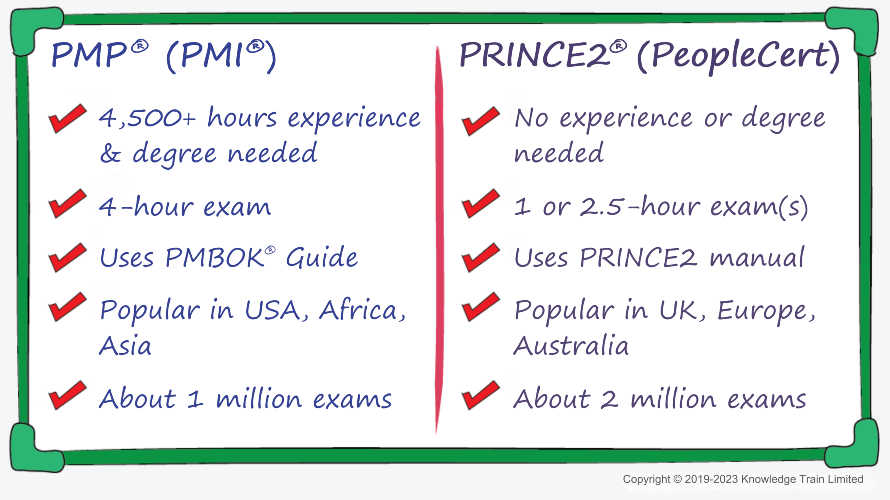
Professional organisations: Award and manage industry-specific certifications (e.g. engineering, accountancy, IT DevOps Training Courses | Knowledge Train) and establish up-to-date requirements for practice via continuing education and assessment. Key facts about certification
Definition:
Formal recognition of meeting specific standards through evaluation.
Examples: Project management certificate, occupational Health & Safety certification, IT professional certificate.
Process: Eligibility -> Application -> Exam/Assessment -> Validation -> Renewal. Duration:
Validity typically ranges from 1 to 5 years, with renewal processes in place.
Top certifying organisations:
ANSI, ISO, various state boards, and leading professional organisations. FAQs What is a certification? Request a quoteA certification is formal recognition awarded by an independent certifying body, confirming that an individual has met specific knowledge and skill standards through assessment or an exam. How do you get certified?