Change management: models, steps, and best practicesSpain

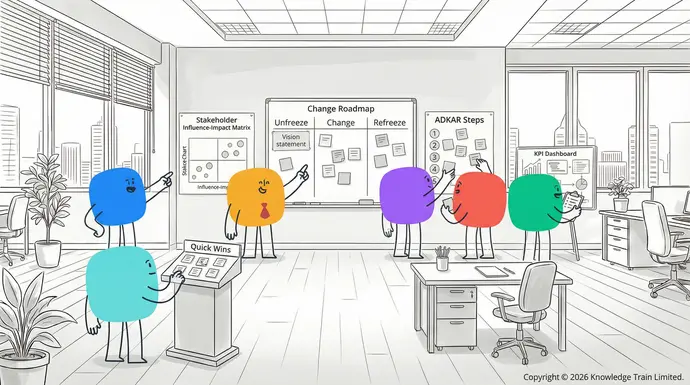
ConclusionImportance of change management
Organisational change is inevitable as businesses adapt to evolving markets, technologies, and regulations. By using structured frameworks and engaging leadership, organisations can minimise risks, foster innovation, and achieve sustainable success.
Effective FAQschange management ensures smooth transitions, maintains productivity during transformation, increases return on investment, and supports Infographicemployee engagementIntroduction.Effective communication serves as the foundational element for
Here are some reasons why change management is important.project
External factors management success. A
External factors play a big role in project communication planorganisational change serves as a strategic document that describes the timing and recipients for information distribution during each phase of a project. This fundamental tool maintains stakeholder awareness and commitment throughout the project lifecycle by ensuring they are informed, aligned and engaged. An effective communication plan eliminates confusion between stakeholders and improves team collaboration while fostering project transparency and enabling faster decision-making processes.. Globalisation and the rapid developments in new digital solutions are forcing organisations to respond. Ignoring such external factors is likely to jeopardise your organisation’s success.This guide provides an exploration of essential communication plan components and instructs readers on how to build an effective strategy while highlighting best implementation practices along with tools and templates to simplify execution. The information in this article will prepare you to build and implement an effective project communication plan which will lead to successful project results.
Nokia was once the biggest mobile phone company in the world, but it almost went out of business. That’s because it didn’t keep up with changes in mobile technologies. As a result, Nokia’s products didn’t appeal to consumers, and its market share rapidly declined.Understanding project communication plans
Making ideas succeed Key components of a communication plan
Many organisations use change management methodologies to enable ideas to succeed. Working alongside The foundation of an effective project communication plan is built on multiple essential elements. project managersStakeholder analysis who deliver new capabilities into an organisation, serves to identify every party engaged in a project along with their specific information requirements. The change managerscommunication plan and change agents help ensure staff are able to fully utilise the new capabilities. must specify the
Enabling cross-functional changesmethods
Almost every functional unit within a modern organisation relies on change management to enable it to: and
- Align the change plan to the business’s overall strategy.channels
- Improve internal and external services and requests.for information sharing including emails together with meetings and
- Track and resolve issues.project management software
Engaging people with the change process. The project team must create a schedule that establishes how often updates will be sent and when they will occur. The project communication plan must include specific details about each team member’s
A key part of role and responsibilitymanaging change when performing communication tasks. in an organisation is to engage those people affected by a change initiative. Staff will be involved in the change process eventually, therefore communicating and engaging with staff about a change plan early helps lay the groundwork for its later success.Benefits of implementing a communication plan
Preparing for organisational transitionProject teams benefit greatly when they implement a strong communication plan. It enhances:
Change managersProject management requires active are often appointed to make organisational change go smoothly. They use stakeholder involvementchange management frameworks through continuous information sharing throughout the project lifecycle. to make changes such as:A thorough plan enhances the
- Restructuring job roles.decision-making procedure
- Restructuring business processes. through proper and timely information dissemination
- Implementing new technologies..
Decreasing resistance to a change initiativeThis document helps
Resistance is inevitable in any change initiative because people often find it unsettling being asked to work in new and different ways. So, change managers can often expect a denial reaction from staff. It takes time to overcome those reactions. When teams work togethechange managersr are transparent from day one, the less resistance they are likely to face. more effectively while preventing misunderstandings and disagreements.
Improving performance and productivityA communication plan builds
When an organisation adapts improved ways of working, it tends to increase productivity. At the same time, it encourages innovation. As a result, it guarantees improved performance and places an organisation in a healthier environment better able to succeed.project transparency
Reducing costs and fosters trust between stakeholders and team members.
When positive change is applied correctly, it helps to reduce waste and therefore reduce costs. Effective change management helps an organisation make smart choices. It increases productivity, decreases risks, and helps to improve the profitability of an organisation.Common challenges in project communication
Change management principlesEffective project communication remains essential yet encounters multiple hindrances.
- Clear communicationExcessive information: Ensure transparency and regular updates throughout the process. during communication can overwhelm project recipients to the extent that vital information may go unnoticed. Strategies for implementing these principles
- Leadership involvement.: Leaders must champion change and encourage desired behaviours.Communicating with various stakeholders
- Stakeholder engagement needs custom messages for each group which consumes substantial time.: Involve and listen to those affected by the change.Virtual workspaces
- Process improvement bring about specific difficulties in maintaining both clarity and consistency in communication.: Focus on refining and optimising business processes.Communication plans become disrupted when
- Proactive scope changes or unexpected issuesrisk management arise which requires immediate adjustments.: Identify, assess, and mitigate potential challenges.Project managers
- Continuous feedback and adaptation who identify potential communication issues can address them ahead of time to maintain effective communication throughout the project.: Monitor outcomes and adjust strategies where necessary.Enhance your skills with our expert-led courses
Change management processes
- Identify the need for change : Recognise drivers such as technological advancements, market shifts, or process inefficiencies.
- Define the vision and objectivesInstructor-led: Set clear goals for what the change will achieve.Introduction to Project Management course
- Engage stakeholders
- Sustain changeSee all dates: Embed new ways of working into culture and practices for lasting results.Creating an effective project communication plan
Change management frameworksSetting communication goals and objectives
Several A successful project communication plan requires clearly defined goals and objectives as its foundational elements. The communication plan goals need to support the project’s main objectives while fulfilling requirements. A fundamental objective of the communication plan should be delivering regular updates to all stakeholders. The objectives for project communication could focus on decreasing email response times and boosting attendance at project meetings. Create change management frameworksquantifiable goals guide organisations through transitions. The most prominent include: for ongoing evaluation of the communication plan throughout the project duration.
- Kotter’s 8-Step ProcessIdentifying stakeholders and their needs
- Lewin’s Change FrameworkPerform a complete
- ADKAR frameworkstakeholder analysis
Kotter’s 8-Step Process to determine which groups and individuals are part of or affected by your project. Key stakeholders consist of team members as well as clients, sponsors, and external partners. Evaluate what information each stakeholder needs to know about the project along with their preferred communication methods and their impact on project success. A
- Establish a sense of urgencystakeholder matrix
- Form a guiding coalition provides a visual representation of stakeholder relationships to help direct communication priorities.
- Create a vision for changeDetermining communication methods and channels
- Communicate the visionChoose
- Empower broad-based actioncommunication channels
- Generate short-term wins that align with stakeholder preferences while considering the specific nature of the information being communicated. Use a combination of formal and informal communication methods which include email updates, video conferences, face-to-face meetings,
- Consolidate gains and produce more changeproject management software
- Anchor new approaches in the culture platforms, and instant messaging services. The selected communication methods must be accessible to every stakeholder while fitting the nature of shared information.
Example: A retailer launching a new digital platform began with urgency around changing customer expectations, formed a cross-functional team, communicated a compelling vision, and celebrated early improvements to build momentum.Establishing communication frequency and schedules
Lewin’s Change ModelDecide the frequency for each communication method and prepare a calendar to organise these communications. The communication schedule may consist of weekly team meetings combined with monthly progress reports and emergency updates for critical issues. Regular communication should be balanced against the potential for overwhelming recipients with too much information. Coordinate communication timelines with significant project milestones and deliverables.
- UnfreezeAssigning communication responsibilities: Prepare the organisation to accept change by challenging the status quo.Define specific roles and responsibilities for every part of the communication plan. Assign team members specific duties to handle report creation and distribution, meeting organisation and leadership, project documentation management, and stakeholder group liaison work. Confirm that each team member knows their communication responsibilities and possesses the resources required to execute them.
- ChangeDefining key messages and content: Transition through adoption of new behaviours and processes.The project requires clear identification of its principal messages which must be consistently communicated throughout its duration. The core messages throughout the project should represent its objectives and status along with essential details stakeholders require. Create standardised
- Refreezetemplates: Stabilise the organisation by embedding changes into everyday practice. for regular communications including status reports and meeting agendas to maintain consistency and operational efficiency. Customise project information for various stakeholder groups but keep a unified narrative throughout the project.
Example: A manufacturer seeking to improve quality first destabilised old habits, implemented new protocols, then reinforced behaviours through training and recognition.Implementing your project communication plan
ADKAR modelSharing the plan with team members and stakeholders
- AwarenessWhen you finalise your communication plan make sure to distribute it among all appropriate individuals. Start the project communication with an of the need for changeintroductory meeting
- Desire where you will present the communication plan and detail its purpose along with its main elements. Each team member and stakeholder must know their specific roles and responsibilities in the communication structure. Ensure your team members and stakeholders can easily access the communication plan by sharing it through a common document repository or your project management software. Team members and stakeholders should feel empowered to provide feedback while any issues or inquiries they bring up must receive proper attention. to support the changeIntegrating the plan into project management tools
- KnowledgeIntegrate your communication plan alongside your current of how to changeproject management software tools
- Ability. Modern platforms now provide specialised features for managing communication tasks. Automate various components of your plan by using these tools to schedule routine updates and distribute reports. Implement to implement changenotification systems
- Reinforcement that will alert team members about future communication assignments and approaching deadlines. The integration process will maintain consistent execution of the plan throughout all project phases. to sustain changeMonitoring and measuring communication effectiveness
Example: In a software roll-out, employees learned why the upgrade was essential (Awareness, Desire), received hands-on workshops (Knowledge, Ability), and were rewarded for adoption (Reinforcement).Evaluate your communication plan’s effectiveness by checking against the established
Change management challengesmeasurable targets
Organisations frequently encounter obstacles when managing change. Common challenges include:. Measure metrics that include meeting attendance rates along with email response times and levels of stakeholder satisfaction. Implement periodic feedback collection through
- Resistance to changesurveys: Employees may fear job loss, uncertainty, or increased responsibilities. or informal meetings to assess the communication process. Analyse collected data to determine successful elements and improvement opportunities in your communication strategy.
Adapting the plan as needed throughout the project lifecycleSolutionThroughout the project duration maintain flexibility in your communication strategy and be ready to make necessary changes. Always stay ready to adjust your strategy when project scope changes or new challenges emerge. Evaluate your plan’s performance regularly while making updates based on feedback results and performance data. Invite team members to propose improvements to how the team communicates. Keeping an adaptable approach lets you maintain the relevance and effectiveness of your communication plan throughout the project.: Foster open communication, involve employees in decision-making, and provide adequate support.Enhance your skills with our expert-led courses - Poor communication: Inadequate information can cause confusion and low morale.
Solution: Communicate regularly, using clear and consistent messaging across channels. - Lack of leadership commitment : Without executive support, initiatives may falter.
SolutionInstructor-led: Gain leadership buy-in and ensure visible commitment throughout the transition. - Cultural misalignmentIntroduction to Project Management course: Change may conflict with existing organisational culture.
£499 +vatSolution : Integrate change efforts with culture change and organisational development strategies.See all dates - Insufficient resources or planning : Poor planning can delay or derail change projects.
SolutionInstructor-led: Invest in Project Management Essentialsproject management , transition planning, and risk assessment.£999 +vat
Change management and business functions
- Organisational developmentSee all dates: Change management techniques are often a core part of organisational development, aiming for long-term improvement in effectiveness.Best practices for project communication
- Project managementTailoring communication to different stakeholder groups: Integrating change management with Successful project communication demands thoughtful adaptation to meet the specific requirements of different stakeholder groups. Match your communication style and delivery approach to the preferences and information needs of each audience. Executive stakeholders require brief summaries that cover high-level information whereas team members benefit from detailed information that focuses on specific tasks. The customised approach delivers information that is both relevant and actionable to each group through their preferred format.project managementBalancing formal and informal communication ensures project deliverables are adopted and sustained.A comprehensive communication strategy requires the integration of both formal and informal communication methods. Status reports and scheduled meetings serve as
- Business transformationformal communication: Large-scale initiatives such as mergers or digitalisation depend on robust change management for success. channels that establish organisational structure and maintain accountability. Quick check-ins and instant messaging as
- Stakeholder engagementinformal communication: Identifying and actively involving key stakeholders is crucial in minimising resistance and ensuring buy-in. methods build team unity while allowing for fast
- Leadershipinformation transfer: Strong, credible leadership drives the success of change initiatives through clear direction and support.. Find the right mix of formal and informal communication to sustain professional standards and promote teamwork through open conversations.
Change management best practicesLeveraging visual communication tools
- Establish clear communication strategiesVisual aids tailored to different stakeholder groups.should be incorporated to improve understanding and boost engagement. Complex information becomes more understandable when presented through infographics together with charts and diagrams compared to plain text. Make use of
- Appoint dedicated change agentsproject management software to guide and support the change process. that provides visual displays of timelines, workflows, and progress tracking information. Visual communication tools both enhance understanding and ensure your messages leave a lasting impression.
- Use data to inform decisionsEnsuring clarity and consistency in messaging and measure progress through key performance indicators (KPIs).Your project communications should consistently deliver
- Encourage feedbackclear messages from employees at every stage. throughout the project duration. Create a
- Provide training and supportproject glossary to build new skills and confidence. to enable all stakeholders to understand key terms and concepts uniformly. Implementing standardised templates for regular communications will help emphasise essential information while building familiarity for recipients. Use simple language and avoid technical terms which could confuse or create distance with some stakeholder groups.
- Integrate change into company cultureAddressing cultural and language considerations in global projects to ensure lasting results.Projects that involve multiple cultures or languages require special attention to avoid communication barriers. Pay attention to the diverse communication styles and business customs present across different cultures. Translate essential documents when required and employ simple language to assist comprehension. Always keep time zone variations in mind when organising meetings and establishing deadlines. The development of cultural sensitivity will boost teamwork while minimising misunderstandings in diverse project settings.
| ModelProject management software with communication features | Core StepsProject management platforms provide strong communication tools to help you execute your strategy. | Main FocusAsana |
|---|---|---|
| Kotter’s 8-Step together with | 8 outlined stepsTrello | Building urgency, vision, momentum and |
| Lewin’s ChangeMicrosoft | Unfreeze, Change, Refreeze | Preparing, transitioning, embeddingProject |
| ADKARdeliver tools for managing tasks and collaborating with teams. Choose | Awareness, Desire, Knowledge, Ability, ReinforcementJira | Individual adoption stages or |
FAQssoftware startup
What is change management and why is it important? created a strategic communication framework to guide their project. The team adopted a hybrid approach which incorporated daily stand-ups along with weekly email updates and a shared project dashboard. This communication strategy-maintained team coordination and provided stakeholders with continuous updates during development. The communication plan achieved its goals through the successful timely achievement of project milestones along with investor satisfaction expressed through positive feedback.
Change management is the process of guiding organisations, individuals, or teams through transitions. It is important because it enables smoother implementation of change, reduces resistance, and ensures that strategic objectives are achieved efficiently.Large-scale complex project
What are common change management frameworks?Multiple regions experienced a global Enterprise Resource Planning (ERP) implementation by a
The most common frameworks are Kotter’s 8-Step Process, Lewin’s Change, and the multinational corporationADKAR. The organisation’s extensive communication plan incorporated multilingual town halls together with newsletters tailored for each region and established a dedicated intranet portal. The organisation utilised cultural liaisons to manage regional variations while maintaining uniform messaging across multiple communication platforms. The strong strategy produced effective framework. Each provides a structured approach to planning and implementing change.change management
How do you overcome resistance to change? and stakeholder support which led to widespread adoption of the new system throughout all business divisions.
Overcome resistance by communicating benefits clearly, involving stakeholders, offering support and training, addressing concerns promptly, and recognising employee contributions throughout the transition.Enhance your skills with our expert-led courses
What role do leaders play in change management?
Leaders set the direction, communicate the vision, build trust, allocate resources, and provide motivation and support to drive successful change.
How can employees be engaged during change initiatives?
Engage employees by involving them early, asking for input, addressing worries, providing training, celebrating successes, and continuously seeking feedback to make improvements.Instructor-led