What is a business change manager?Project management


Why are business change managers important?
In today’s world, culture, business acquisitions and technology are constantly changing. These things therefore affects an organisation and its business.Knowledge Train
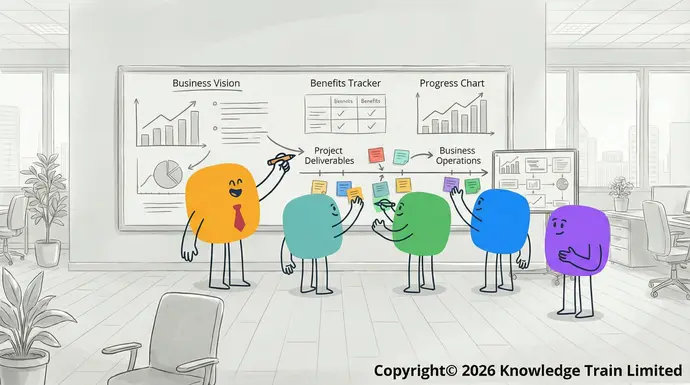
BCMs lead the change initiative and align it to the business’s strategy. Their role is to ensure that benefits are accomplished.20 Mar 2026
What does a business change manager do?
Some tasks a business change manager is responsible of include:Looking to further your career with a project management degree from a UK university? Our guide will walk you through the best project management degrees available and help you find the perfect degree to help you take your career to the next level.
- Making sure the benefits are achievable;
- Preparing affected business areas for transition to new ways of working;
- Establishing and implementing mechanisms to measure and deliver benefits;
- Optimising the timing of the release of project deliverables into business operations;
- Liaising with the programme manager to ensure operational benefits;
- Communicating with people and senior leaders about the business vision;
- Defining and tracking the benefits and outcomes required from the programme;
- Managing the activities effectively that’s associated with the wanted benefits;The importance of a business case
- Leading the transition, ensuring that changes are integrated into the business;
- Measuring the benefits after the work is complete;Simon Buehring
Knowledge and skills of a business change manager
If you are interested in a BCM position, you need to have certain competencies. Some of them are:Knowledge Train
- Detailed knowledge of a business environment;19 Feb 2026
- An understanding of the management structures, politics and culture of the company owning the programme;
- Effective marketing and communication skills to sell the programme vision to all stakeholders;Project success heavily depends on having an effective project communication plan. Our thorough guide helps you create an effective strategy to keep stakeholders informed and proactive during every stage of your project.
- Knowledge of business change techniques such as business process modelling and gap analysis;
- Training in change management , programme management or strategic management.
- Knowledge in applying best practices in project management;
- Knowledge of organisational change models such as Kotter’s change model.