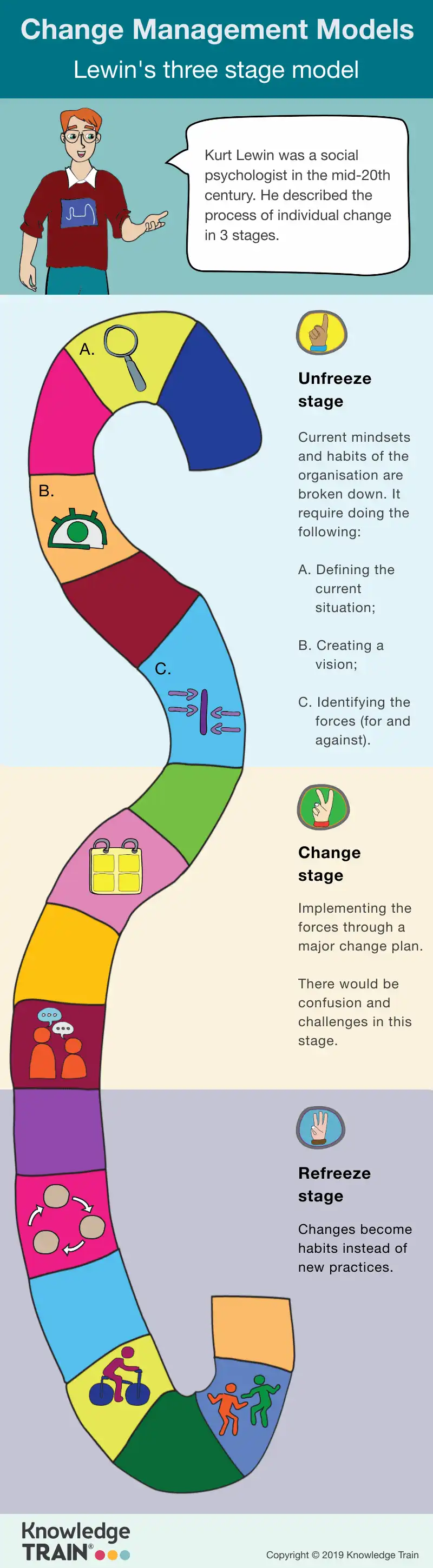
Key takeawaysprojects
Lewin’s model helps organisations manage change by focusing on both process and psychology. have a positive impact on people and communities. This includes:
- Unfreezing works best when characters communicate clearly, involve stakeholders early, and challenge the status quo to reduce resistance.Stakeholder engagement
- Changing succeeds when training, coaching, and practical support help characters adopt new ways of working.: Involving all affected parties in the decision-making processes by conducting thorough stakeholder analysis, implementing transparent communication channels, and addressing concerns and incorporating feedback.
- Feedback loops during implementation surface issues early and keep the transition on track.Ethical labour practices
- Refreezing makes change stick through reinforcement, aligned policies, and cultural integration.: Ensuring fair treatment of workers throughout the project and supply chain. This includes fair wages and working conditions, diversity and inclusion initiatives, and training and development opportunities.
- Lewin’s simplicity is a strength, but fast moving environments may need more iterative or combined approaches such as Kotter or ADKAR.Community
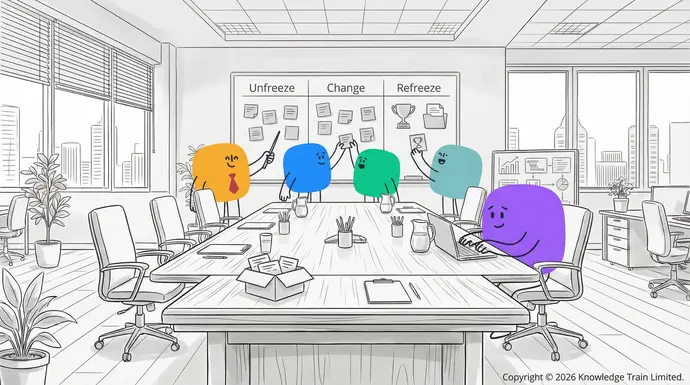
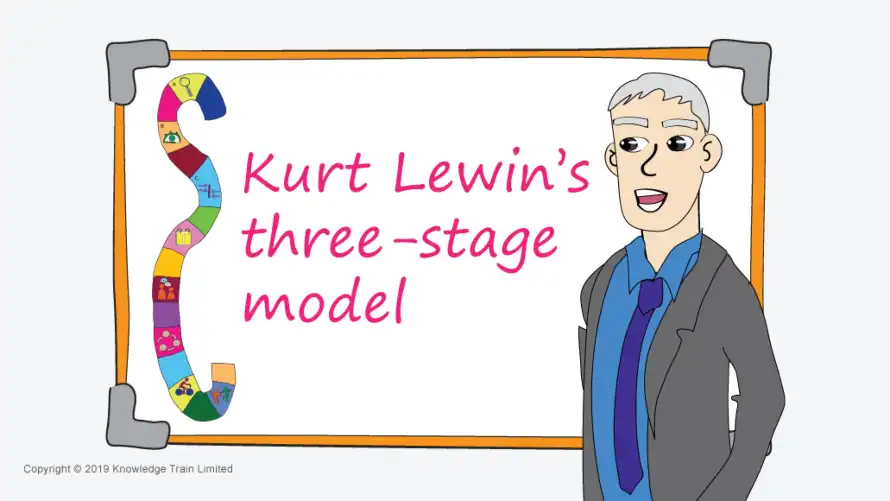
Lessons learchangingned for future projects stage represents the transition from old behaviours to new practices. It is the phase where the actual change occurs, requiring careful planning and execution. This stage focuses on:Documenting and sharing sustainability lessons learned can help to enhance the performance of future projects. Establish a process for capturing sustainability lessons learned and organise dedicated knowledge sharing sessions focused on sustainability best practices. Incorporate the sustainability lessons learned into the organisation’s
- Implementationproject management processes: Introducing new processes, technologies, or structures requires clear guidance and support. Training programmes and resources should be made available to facilitate learning and adaptation. and frameworks to continuously improve the sustainable project management practices.
- Support systemsIncorporating these strategies into the different phases of the project lifecycle can help project managers to systematically include sustainability into their project management practices.: Providing support through mentoring or coaching can help employees navigate the challenges of change. It ensures that they have the necessary skills and confidence to adopt new ways of working.Remember, the integration of sustainability is an ongoing process, and continuous improvement and adaptation are key to achieving sustainable project management excellence.
- Feedback mechanismsTools and techniques for sustainable project management: Regular feedback allows for continuous improvement and adjustment. It helps identify areas of resistance or difficulty, enabling timely interventions to keep the change process on track.Tools and techniques can help project management professionals implement sustainability in their projects. They can use them to measure, plan, and report on sustainability efforts.
During the changing stage, the emphasis is on enabling individuals to adopt new behaviours and integrate them into their daily routines. By focusing on both structural and human elements, organisations can ensure that change is effective and sustainable.Life Cycle Assessment
RefreezingLife Cycle Assessment
The is a method to assess the environmental impacts of a project or product throughout its entire life cycle. This includes all stages, from raw material extraction to disposal or recycling. Project managers can use LCA to identify the stages with the highest environmental impact, compare the impacts of different materials or processes, and make decisions to reduce the overall environmental footprint of the project. LCA can also help identify unexpected areas of impact and target improvements in the sustainability of the project.refreezingSustainability impact matrix stage is the final step, where new changes are solidified and integrated into the organisational culture. It ensures that the changes become permanent and prevents regression to old practices. Key aspects of refreezing include:A
- Reinforcementsustainability impact matrix: Recognising and rewarding employees who successfully adapt to change reinforces desired behaviours. It encourages others to follow suit and helps embed new norms. is a project management resource that provides a visual representation of the potential impacts of a project on various sustainability factors, such as environmental, social, and economic considerations. This matrix typically takes the form of a table or grid where rows represent different sustainability factors, and columns represent potential project options, alternatives, or actions.
- Policy and procedure alignmentProject managers can use the sustainability impact matrix to assess and prioritise sustainability aspects of a project, identify areas that require immediate attention or improvement, and communicate sustainability priorities to stakeholders.: Updating policies and procedures to reflect new practices ensures consistency and clarity. It provides a framework for maintaining changes over time.Green project management software
- Cultural integrationGreen project management software: Embedding changes into the organisational culture requires ongoing effort and commitment. It involves aligning values, beliefs, and behaviours with the new direction. is specialised software tools designed to help organisations integrate sustainability considerations into their project management processes. These tools typically offer features that allow users to track and manage environmental, social, and economic aspects of projects.
Refreezing is crucial for sustaining change, as it creates stability and reduces the likelihood of reverting to previous habits. By reinforcing new behaviours and aligning them with organisational goals, change becomes an integral part of the organisation’s identity.Project managers can leverage green
In conclusion, Lewin’s change model offers a structured approach to managing organisational change, addressing both the psychological and practical aspects of transformation. Its enduring relevance lies in its ability to guide organisations through the complexities of change, ensuring successful and lasting outcomes.project management software
ProjectUnfreezing involved recognising the limitations of traditional teaching. The Data centre cooling optimisationchangingDescription phase saw the introduction of digital tools and interactive techniques. A global technology company undertook a project to optimise the energy efficiency of its data centres. The project involved:RefreezingInstalling advanced cooling systems with AI-driven temperature control embedded these new practices through policy changes and faculty workshops.Implementing server virtualisation to reduce hardware requirements
- OutcomeUtilising renewable energy sources for power supply.: Student engagement and learning outcomes improved significantly.Outcome
- LessonThe project resulted in a 30% reduction in energy consumption at the company’s data centres and a 50,000-tonne annual decrease in carbon emissions. The cost savings from reduced energy use led to a return on investment within two years.: Institutional support and policy alignment are key to sustaining educational change.Non-profit organisation example
These examples highlight the model’s adaptability and the importance of addressing both human and structural elements in change initiatives.Project
Comparing Lewin’s model with other change management theoriesSustainable community development in rural Africa
Kurt DescriptionLewin’s change modelA non-profit organisation launched a project to enhance the quality of life in a rural African community. The project included: is often compared with frameworks such as Installation of solar-powered water pumps for clean water accessKotter’s 8-step processImplementation of agroforestry techniques to increase food security and Training in sustainable farming practices.ADKAROutcome. Each model offers unique perspectives and methodologies for managing change within organisations.The project improved the quality of life for 5,000 people in the community. Access to clean water reduced waterborne diseases by 60%, and sustainable farming practices increased crop yields by 40%. The project was replicated in neighbouring communities.
- Lewin’s modelThe above case studies show that sustainable project management can have significant positive impacts across different industries. By considering environmental, social, and economic factors, organisations can achieve remarkable results that go beyond traditional project success metrics. is straightforward, focusing on three stages: unfreezing, changing, and refreezing. Its strength lies in its simplicity and emphasis on the psychological aspects of change, which can reduce stress and increase acceptance.These examples can serve as inspiration for project managers who want to incorporate sustainable practices into their own
- Kotter’s 8-step processprojects provides a more detailed approach, outlining specific steps like establishing a sense of urgency and creating short-term wins. This model is particularly useful for large-scale transformations requiring clear guidance and extensive communication..
- ADKARThe future of sustainable project management focuses on individual change and is goal-oriented, emphasising The field of sustainable project management is likely to experience significant changes in the future.AwarenessEmerging trends, , Some of the key trends to look out for include:KnowledgeThe integration of , Artificial IntelligenceAbility (AI) and other technologies for optimising resource allocation and predicting environmental impacts, and The adoption of Reinforcementcircular economy. It is beneficial for understanding and managing personal impacts during organisational changes. principles as a standard approach to project design and implementation
Lewin’s model is preferred when a concise and psychologically grounded approach is needed. It is particularly effective in scenarios where resistance to change is prominent, and fostering a supportive environment is crucial. However, in complex or large-scale organisational transformations, Kotter’s detailed steps or ADKAR’s individual focus might offer additional advantages.The use of
Ultimately, the choice of model depends on the organisational context and the specific challenges faced. Integrating elements from different frameworks can often provide a more comprehensive strategy, catering to both structural and human elements of change.blockchain
Influence tactics and work outcomes in change management
The success of change management efforts is significantly influenced by the tactics employed to guide and motivate individuals within an organisation. Effective Self-pacedinfluence tacticsAPM PFQ blended online are essential for ensuring that changes are not only implemented but also sustained over time. These tactics include clear communication, employee involvement, and positive reinforcement, all of which contribute to a supportive environment for change.
Research on work outcomes in relation to change efforts highlights the importance of these tactics. The analysis reveals that successful change initiatives often involve:£749 +vat
- Effective communication : Keeping communication channels open and transparent helps align employees with the change objectives. It reduces uncertainty and stress, fostering an environment where employees feel informed and valued.
- Employee involvement : Actively involving employees in the change process enhances their commitment and ownership. It empowers them to contribute ideas and feedback, which can lead to more innovative solutions and smoother transitions.Self-paced
- Positive reinforcementPRINCE2 Agile Practitioner (with Foundation) self-paced online: Recognising and rewarding employees who adapt well to change encourages continued compliance and motivation. This reinforcement helps embed new behaviours and norms into the organisational culture.
Furthermore, the psychological benefits of these tactics, such as stress reduction and enhanced acceptance, cannot be overstated. By addressing the human aspect of change, organisations can mitigate resistance and build resilience among their workforce.£1,399 +vat
Ultimately, the strategic use of influence tactics in change management not only improves individual work outcomes but also contributes to the overall success of the organisation. By fostering an inclusive and supportive atmosphere, businesses can ensure that change is not just a temporary adjustment but a lasting transformation.
ConclusionSelf-paced
In this article, we explored AgilePM Practitioner (with Foundation) self-paced onlineLewin’s change model , a foundational framework for implementing £1,299 +vatorganisational changeFAQs. The model’s three stages – unfreezing, changing, and refreezing – provide a structured approach that emphasises the psychological aspects of change, such as stress reduction and enhanced acceptance. We discussed its real-world applications across corporate settings, healthcare, and educational institutions, highlighting its adaptability and effectiveness. While Lewin’s model offers simplicity and clarity, it is essential to acknowledge its limitations, especially in dynamic environments requiring more iterative approaches. Comparing it with other frameworks like Kotter’s 8-Step Process and What is the difference between traditional and sustainable project management?ADKARSustainable project management focuses on incorporating environmental, social, and economic factors throughout the project lifecycle, while traditional project management emphasises time, cost, and scope constraints. reveals the need to tailor strategies to specific organisational contexts. Ultimately, understanding and implementing Lewin’s model can facilitate successful How can I incorporate sustainability into my existing project management framework?change managementIncorporate sustainability goals into the project charter, conduct a sustainability-focused stakeholder analysis, and integrate sustainability metrics into monitoring and control processes. by addressing both human and structural elements, ensuring that transformations are sustainable and beneficial for organisations.What are some common sustainability metrics used in project management?
FAQsCommon metrics include carbon footprint, waste reduction, energy efficiency, water usage, social impact scores, and sustainable procurement percentages.
What are the key stages of Lewin’s change model?How does sustainable project management contribute to a company’s overall CSR strategy?
Lewin’s change model consists of three key stages: It aligns project outcomes with the organisation’s broader sustainability goals, improving environmental and social performance while supporting long-term economic viability.unfreezingWhat skills do project managers need to develop for sustainable project management?, Project managers should develop skills in sustainability assessment, stakeholder engagement, life cycle thinking, and balancing competing priorities.changingHow can sustainable project management help reduce project risks?, and Sustainable practices help manage long-term environmental and social risks, reducing potential reputational, regulatory, and operational risks.refreezingWhat are some industry-specific challenges in implementing sustainable project management?. Unfreezing prepares the organisation for change by challenging the current state. Changing involves implementing new processes or behaviours. Refreezing solidifies these changes, integrating them into the organisational culture.Challenges vary but may include regulatory compliance, technology limitations, and supply chain complexity.
How does unfreezing facilitate change in organisations?How can small businesses benefit from sustainable project management practices?
UnfreezingSmall businesses can gain a competitive edge, reduce operational costs, and enhance their reputation by implementing sustainable project management practices. facilitates change by creating awareness of the need for transformation. It involves dismantling existing mindsets and behaviours, reducing resistance, and preparing employees psychologically for the upcoming changes. This stage is crucial for establishing a foundation for successful change.Infographic
What are common challenges in the refreezing stage, and how can they be addressed?Subscribe to our exclusive offers and promotions
Common challenges in the refreezingSubscribe now stage include reverting to old habits and lack of reinforcement. To address these, organisations can implement continuous support systems, provide ongoing training, and celebrate successes to reinforce new behaviours, ensuring they become part of the organisational norm.
How does Lewin’s change model compare to Kotter’s 8-step process?
While Lewin’s model offers a simple three-stage framework, {"@context":"https://schema.org","@type":"ImageObject","contentUrl":"https://www.knowledgetrain.co.uk/training-courses/sustainable-project-management-infographic-v1.0.webp","description":"Sustainable project management infographic","license":"https://www.knowledgetrain.co.uk/license","acquireLicensePage":"https://www.knowledgetrain.co.uk/license","creditText":"Knowledge Train","uploadDate":"2024-11-04T09:00:59.000Z","copyrightNotice":"© 2024 Knowledge Train Limited. All rights reserved.","creator":{"@type":"Organization","name":"Knowledge Train","url":"https://www.knowledgetrain.co.uk"}}Kotter’s 8-Step Process provides a more detailed approach. Kotter’s model outlines specific steps such as creating urgency and building a guiding coalition. Lewin’s model is ideal for straightforward changes, whereas Kotter’s is suited for complex transformations requiring extensive communication.Related articles
Can Lewin’s model be applied in small businesses? If so, how?
Yes, Lewin’s model can be effectively applied in small businesses . Its simplicity makes it accessible for limited resources. Small businesses can use it to prepare employees for change, implement new practices incrementally, and ensure that these changes are sustained through regular feedback and reinforcement. This approach helps maintain agility while fostering a culture of continuous improvement.