Unlocking potential with SMART goals in goal setting

Key takeaways
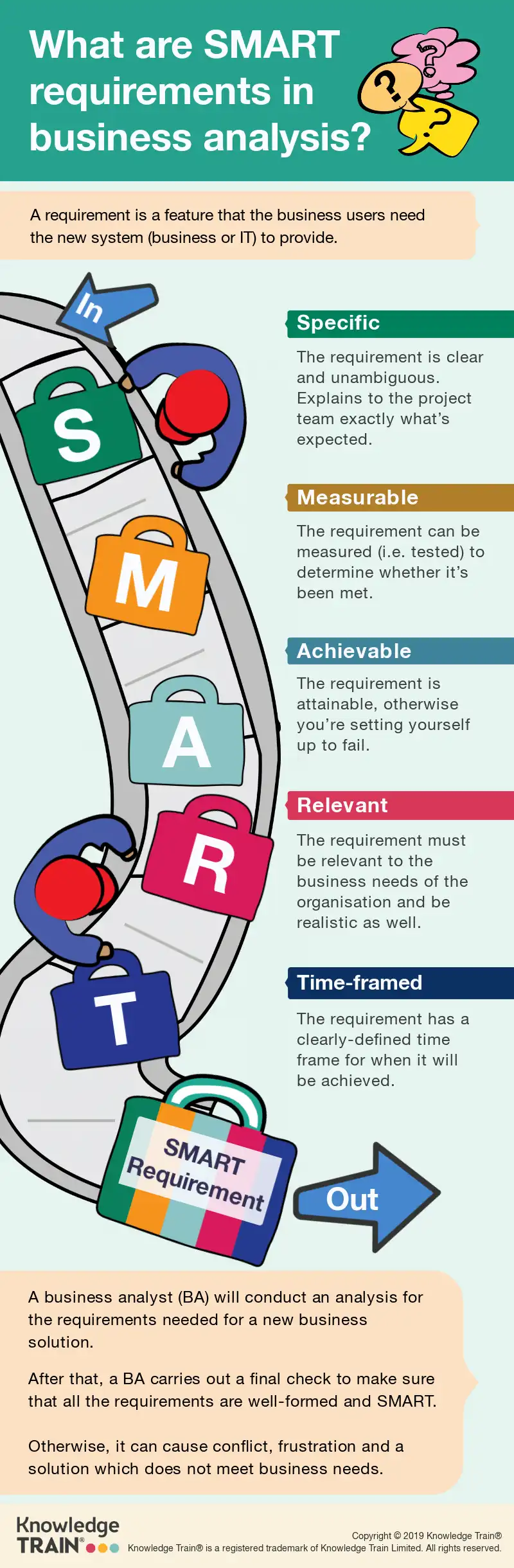
SMART goals turn vague intentions into clear, trackable commitments.
- Make goals specific so the action required is unambiguous and easy to start.
- Define measurable criteria so progress can be tracked and adjusted early.
- Keep goals achievable by balancing ambition with realistic constraints and capability.
- Check relevance to ensure effort supports wider priorities and better resource use.
- Add a firm timeframe to create urgency, accountability, and reduce procrastination.


Finalisation: With refined goals, proceed to finalise them. Prioritise based on relevance and urgency. Write a concise statement for each goal, encapsulating its essence and intended outcome. This step formalises your commitment and sets the stage for action.
Tools and templates : Utilise available tools and templates to streamline goal setting. Templates can provide structured prompts for each SMART criteria, ensuring thorough consideration. Digital tools often offer tracking features to monitor progress, enhancing accountability.
Common mistakes and how to avoid them
Vagueness : Vague goals lack direction and clarity. Avoid ambiguity by being specific about what you aim to achieve. Instead of “Improve communication skills,” specify “Complete a communication skills workshop by the end of the quarter.”
Over-ambition : While ambition is valuable, setting unattainable goals can lead to frustration. Balance ambition with realism. Break larger goals into smaller, manageable parts to maintain motivation and progress.
Neglecting time frames : Without deadlines, goals can languish. Time frames introduce urgency and structure. Incorporate clear deadlines for each goal. For instance, replace “Start a blog” with “Launch a blog by 1st June.”
Relevance overlooked : Ensure goals align with your broader objectives. Irrelevant goals can dilute focus and resources. Regularly review goals for alignment with key priorities, adjusting as necessary to maintain coherence with overall ambitions.
Adopting SMART goals can significantly reduce stress and enhance motivation by providing a structured, clear approach to achieving objectives. By following these guidelines and avoiding common pitfalls, you can set goals that are both inspiring and attainable.
Benefits of using SMART goals
Enhanced focus and clarity
SMART goals provide a well-defined path, ensuring clarity and focus. By breaking down ambitions into specific, manageable components, individuals and organisations can concentrate efforts effectively. This approach minimises distractions and aligns actions with objectives, fostering a targeted and efficient pursuit of goals.
Improved motivation and accountability
SMART goals play a crucial role in boosting motivation and enhancing accountability. The structured nature of SMART criteria ensures that goals are not only clear but also achievable. This clarity in purpose and progress tracking energises individuals, maintaining enthusiasm and commitment. Furthermore, having measurable outcomes fosters a sense of responsibility, as progress can be visibly monitored and assessed.
Better resource management
Efficient use of resources is another significant advantage of setting SMART goals. With clear objectives and timelines, resources such as time, effort, and finances can be allocated more effectively. This alignment reduces wastage and optimises productivity. By prioritising relevant goals, individuals and organisations ensure that their resources are directed towards what truly matters, achieving the best possible outcomes.
Overall, adopting SMART goals can lead to reduced stress and enhanced performance by providing a structured and clear framework for achieving objectives. This method encourages a more strategic and focused approach, ultimately leading to greater success in both personal and professional endeavours.
Applying SMART goals in different contexts
Personal development
SMART goals are invaluable for personal development , providing a clear framework to achieve self-improvement. For instance, an individual aiming to enhance their communication skills might set a goal to “Attend a public speaking course in the next three months.” By being specific and time-bound, such goals facilitate structured self-growth and ensure progress is measurable and relevant.
Business and professional settings
In business and professional environments , SMART goals drive productivity and innovation. A case study example is a marketing team setting a goal to “Increase social media engagement by 20% over the next quarter.” This specificity and measurability help teams focus efforts and allocate resources effectively, ensuring that objectives are met within defined time frames and align with broader business strategies.
Educational contexts
In educational settings , SMART goals can benefit both students and teachers. For students, a goal like “Improve mathematics grades by one letter by the end of the semester” can provide motivation and a clear focus. Teachers might set goals to “Integrate three new teaching technologies into the curriculum by year-end,” ensuring continuous professional development and enhanced educational delivery.
Health and fitness
SMART goals are particularly effective in the realm of health and fitness . Setting objectives such as “Run 5 kilometres in under 30 minutes within two months” provides clarity and motivation. By being specific, measurable, and time-bound, such goals encourage individuals to follow structured training plans, leading to tangible improvements in fitness levels.
The application of SMART goals across various contexts not only enhances focus and accountability but also reduces stress. By providing a structured approach to goal setting, individuals and organisations can embark on meaningful pursuits with confidence and clarity.
Conclusion
FAQs
What are SMART goals?
SMART goals are objectives that are Specific , Measurable , Achievable , Relevant , and Time-bound , providing a clear and structured way to achieve targets.
How do you measure the success of SMART goals?
Success is measured by evaluating if the goal meets its specific criteria and timeline. Regular progress tracking and outcome assessment are essential to determining achievement.
Can SMART goals be adjusted over time?
Yes, SMART goals can be adapted as circumstances change. It’s important to review and modify goals to maintain their relevance and achievability, ensuring alignment with evolving priorities.
What are some common challenges when setting SMART goals?
Challenges include setting overly ambitious targets, failing to define clear metrics, and overlooking deadlines. Addressing these can enhance goal effectiveness and reduce stress.
Infographic