Unlocking potential with SMART goals in goal setting

Key takeaways Select your preferred training course below:
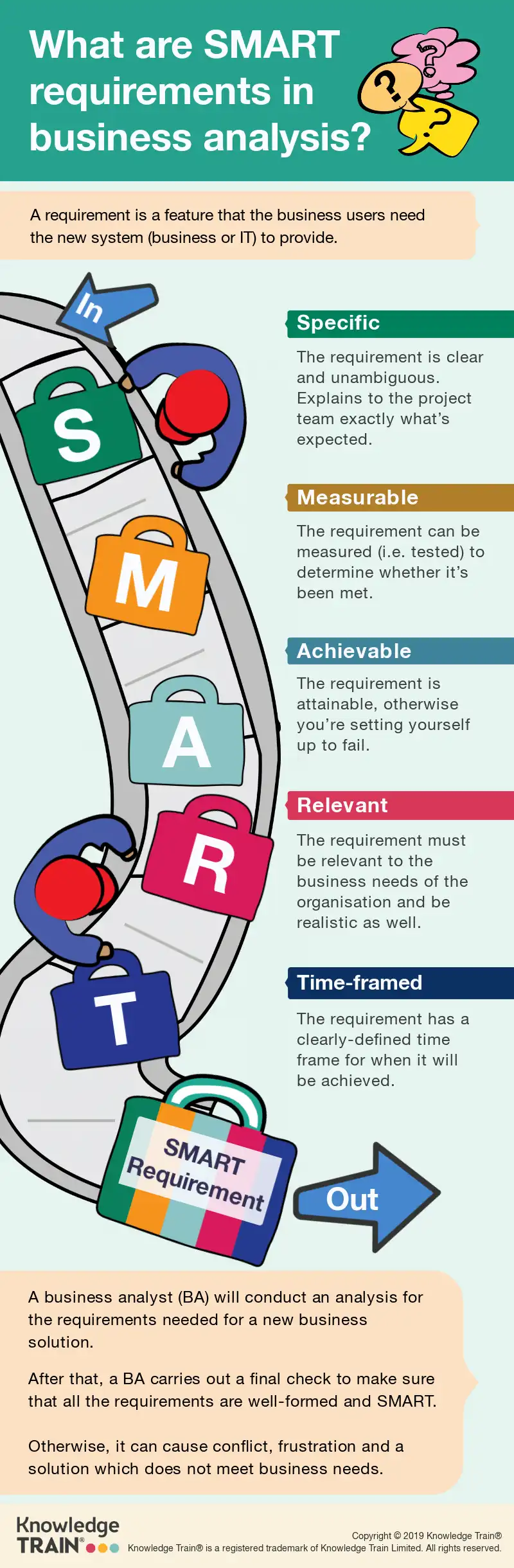
SMART goals turn vague intentions into clear, trackable commitments.
- Make goals specific so the action required is unambiguous and easy to start. BUSINESS ANALYSIS QUALIFICATIONS
- Define measurable criteria so progress can be tracked and adjusted early. Select your preferred qualification.
- Keep goals achievable by balancing ambition with realistic constraints and capability.


Having PRINCE2 AGILE COURSES measurableSelect your preferred training course below: criteria allows for tracking progress effectively. It is crucial to determine how success will be quantified, whether through numbers, frequencies, or benchmarks. Progress charts, spreadsheets and digital applications support measuring progress. For example, “Increase sales by 10% in three months” is measurable, while “Improve sales” is not.
AchievableSCRUM COURSES
Goals should be Select your preferred training course below: achievable to maintain motivation and drive. It’s important to set objectives that are within reach yet still challenging. Balancing ambition with practicality ensures that goals are inspiring but not discouraging. For instance, setting an objective to “Run a marathon in six months” is more realistic than aiming for one in a month with no prior training.LEAN SIX SIGMA COURSES
RelevantSelect your preferred training course below:
Ensuring that goals are relevantBUSINESS ANALYST COURSES aligns them with broader objectives. This ensures that efforts contribute meaningfully to overall ambitions. Prioritisation is key, as it focuses resources on what truly matters. A relevant goal might be “Learn advanced Excel for work efficiency,” aligning personal development with career progression.Select your self-paced training course topic.
Time-bound
Setting BCS BUSINESS ANALYST COURSES time-boundSelect your preferred training course below: goals introduces urgency and accountability. Deadlines motivate action and prevent procrastination. Effective time management involves setting realistic time frames to achieve goals. For example, “Complete the project by the end of the month” is more effective than “Complete the project soon.”
The Process of writing SMART goals
Step-by-step guideLEARNING LIBRARIES
Initial brainstormingSelect your preferred training course topic. : Begin by identifying what you truly wish to achieve. Gather your thoughts and list all potential goals. This stage is about exploring possibilities without constraints. Use prompts to consider various aspects and perspectives, ensuring a comprehensive view of your ambitions.