Save preferences
- View preferences
- {title}
- {title}
- {title}
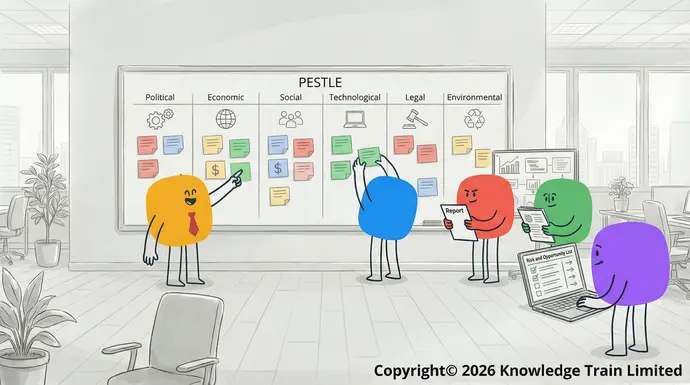
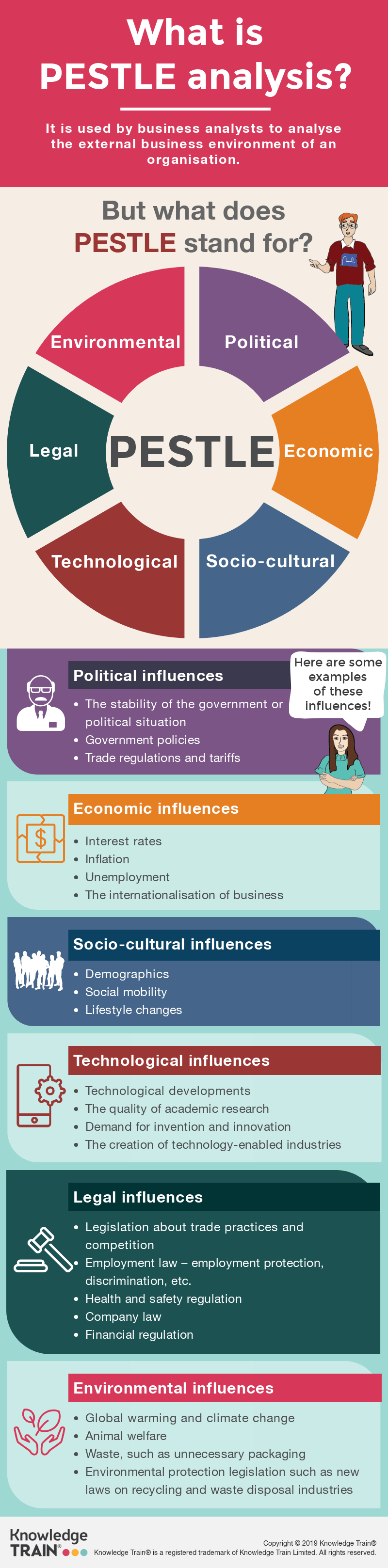
Political factorsIntegrated video conferencing and meetings.
Government policies and stability Effective communication plans and collaboration tools not only facilitate team communication and increase efficiency but also contribute to project success through strategic stakeholder engagement.
Government policies are a significant influence on business environments. Changes in taxation, labour laws, or trade restrictions can alter market dynamics. Political stability is equally important, as it fosters a predictable environment for investment. Businesses must monitor policy changes to maintain compliance and align strategies with governmental priorities. Value delivery and continuous improvementIt depends on your responsibilities:
Trade regulations and tariffs Focus on stakeholder valueIf you focus on running and supporting services, CDS is usually most relevant.
Trade regulations and tariffs affect businesses entering or expanding in new markets. Import duties may limit market access whilst trade agreements can create opportunities. Understanding these regulations helps businesses navigate international markets effectively, mitigating risks associated with cross-border trade. Prioritising value-driven tasksIf your work centres on customers, users, and stakeholder relationships, DSV is a good fit.
Economic factors Prioritise tasks that deliver the most value to stakeholders. This includes conducting regular stakeholder interviews, mapping value streams, and implementing If you’re involved in
Economic growth and exchange rates Agile methodologiesstrategy
Economic growth is a key indicator of market potential. During periods of growth, consumer spending typically increases, leading to higher demand for goods and services. Exchange rates also play a pivotal role, affecting the cost of imports and exports. Businesses must adapt pricing and sourcing strategies to manage currency fluctuations. , to accelerate value delivery.
Inflation and interest rates governanceAligning deliverables with stakeholder expectations
Inflation and interest rates profoundly impact consumer behaviour. High inflation erodes purchasing power, while interest rates influence borrowing costs. Businesses must adjust their pricing strategies to remain competitive and manage debt effectively during fluctuating economic conditions. , or Align project deliverables with stakeholder needs and expectations. Develop clear acceptance criteria, conduct regular stakeholder reviews, and be flexible to adapt the project scope based on feedback.
Social factors improvementLessons learned and project evaluation
Cultural norms and demographics , DPI is likely to add the most value.Post-project review process
Cultural norms and demographics shape consumer preferences and behaviours. Understanding these social factors helps businesses tailor products and marketing strategies to meet the needs of diverse populations. Demographic shifts, such as an ageing population, can also create new market opportunities. If your role spans several of these areas, you can build your path over time by adding more than one module.Conduct a comprehensive project retrospective, which includes analysing project successes and challenges. Gather feedback from team members and stakeholders and document key learnings and recommendations.
Lifestyle changes Do I need hands-on IT experience to take ITIL 4 exams?Implementing improvements in future projects
Lifestyle changes, driven by shifts in social values and technological advancements, affect consumer demands. As lifestyles evolve, businesses must innovate to offer products and services that align with emerging trends, such as increased health consciousness or digital engagement. Apply the
Technological factors lessons learned
Technological advancements For to future projects to improve performance. Establish a knowledge repository, update
Technological advancements drive business transformation by enhancing operational efficiency and enabling new business models. Companies must stay abreast of technological trends to capitalise on innovation, whether through automation, artificial intelligence, or other emerging technologies. ITIL 4 Foundationproject management processes
Research and development , hands-on experience is helpful but not essential. Many people take it early in their IT or service career. For , and incorporate key insights into training programmes.
Investment in research and development (R&D) is crucial for maintaining a competitive edge. Businesses that prioritise R&D can lead in innovation, delivering unique products and services. This focus on R&D supports long-term growth and adaptability in a rapidly changing market.Give us a callCDSConclusion
Legal factors , Project management principles are the guiding concepts that contribute to successful project delivery. Some of the most important principles include setting up a strong project foundation, defining roles and responsibilities, and managing the project scope and changes. Effective risk management, KPI and baseline tracking, communication and collaboration, and a focus on value delivery and continuous improvement are also crucial. These principles are not exhaustive, and as the field of project management continues to evolve, it is important to remain committed to ongoing learning and improvement. By consistently applying these principles and continuously enhancing
Employment and labour laws DSVproject management
Employment and labour laws affect human resources by governing hiring practices, workplace safety, and employee rights. Businesses must ensure compliance with these laws to avoid litigation and foster a fair and productive work environment.+44 (0)207 148 5985, and skills and knowledge, practitioners can successfully overcome challenges and achieve exceptional outcomes in an ever-changing business environment.
Regulatory compliance DPI
Regulatory compliance is vital for business operations across various sectors. Organisations must follow advertising standards, consumer protection legislation and product safety requirements. By doing so, they protect themselves from legal issues and build consumer trust, ensuring long-term success in the marketplace.Or chat with us using the link at the bottom of the screen., you’ll get much more value if you already work in or closely with IT and digital services, as the scenarios and discussions assume some real-world context.Enhance your skills with our expert-led courses
Environmental factorsContact us with questions about the courses on this page, or about which project management certification or training is best for you.How difficult are the ITIL 4 exams, and how will you help me prepare?
Climate change and sustainabilityFinance FAQs
Climate change and Contact sustainabilityCookiesThe exams are challenging but manageable with focused preparation. During our courses you’ll get:Self-paced are increasingly important for industries worldwide. Businesses must consider their environmental impact and adopt sustainable practices to meet consumer expectations and regulatory requirements. This focus on sustainability can also result in cost savings and enhanced brand reputation.PrivacyClear explanations of key conceptsAPM PFQ blended online
Environmental regulationsTermsSample questions and exam-style exercises
Compliance with environmental regulations is essential for legal operation and maintaining a positive public image. Regulations may dictate waste management, emissions, and resource usage. Organisations must adapt processes to meet these standards, reducing their environmental footprint and avoiding legal penalties.Customer SupportGuidance on how to read and interpret questions£749 +vat
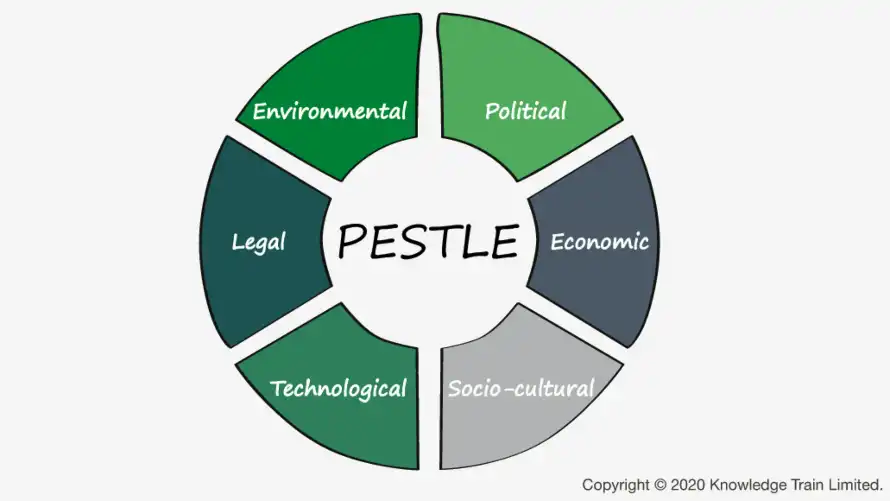
This framework provides businesses with a structured approach to analysing external factors, enabling informed strategic planning. By understanding these components, organisations can position themselves to navigate challenges and seize opportunities effectively. The ITIL 4 courses also includes a