Evolution from PEST to PESTLETrade regulations and tariffs
Trade regulations and tariffs affect businesses entering or expanding in new markets. Import duties may limit market access whilst trade agreements can create opportunities. Understanding these regulations helps businesses navigate international markets effectively, mitigating risks associated with cross-border trade.The framework began as ETPS, created by Francis Aguilar in 1967, before being rearranged to PEST, focusing on Political, Economic, Social and Technological aspects. Over time, the need to address Legal and Environmental factors led to the evolution of PEST into PESTLE analysis. This expansion reflects the growing complexity of the business environment, where legal compliance and
Economic factorssustainability
Economic growth and exchange rates have become crucial considerations. The incorporation of these additional factors allows organisations to build a more robust strategic plan. PESTLE analysis complements
Economic growth is a key indicator of market potential. During periods of growth, consumer spending typically increases, leading to higher demand for goods and services. Exchange rates also play a pivotal role, affecting the cost of imports and exports. Businesses must adapt pricing and sourcing strategies to manage currency fluctuations.SWOT analysis
Inflation and interest rates, offering insights into external factors whilst SWOT examines both external and internal elements. This combined approach enhances decision-making by aligning organisational strengths with external opportunities while addressing potential threats.
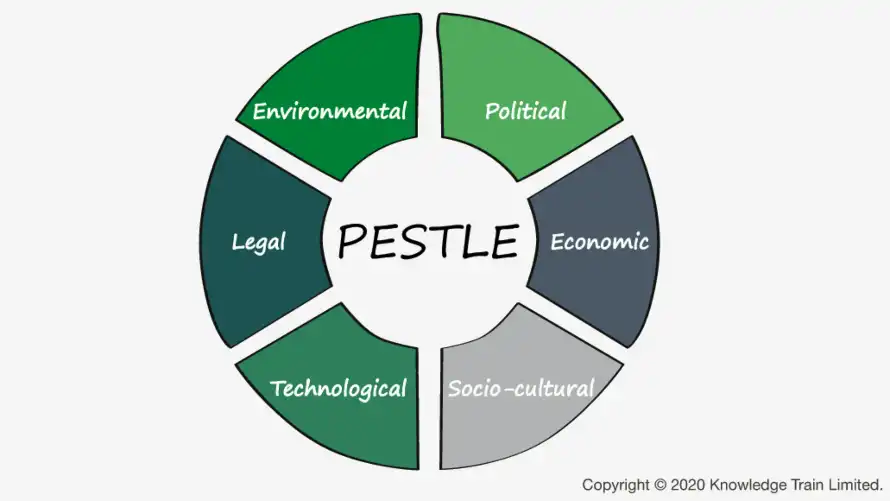
Inflation and interest rates profoundly impact consumer behaviour. High inflation erodes purchasing power, while interest rates influence borrowing costs. Businesses must adjust their pricing strategies to remain competitive and manage debt effectively during fluctuating economic conditions.Components of PESTLE analysis
Social factorsPolitical factors
Cultural norms and demographicsGovernment policies and stability
Cultural norms and demographics shape consumer preferences and behaviours. Understanding these social factors helps businesses tailor products and marketing strategies to meet the needs of diverse populations. Demographic shifts, such as an ageing population, can also create new market opportunities.Government policies are a significant influence on business environments. Changes in taxation, labour laws, or trade restrictions can alter market dynamics. Political stability is equally important, as it fosters a predictable environment for investment. Businesses must monitor policy changes to maintain compliance and align strategies with governmental priorities.
Lifestyle changesTrade regulations and tariffs
Lifestyle changes, driven by shifts in social values and technological advancements, affect consumer demands. As lifestyles evolve, businesses must innovate to offer products and services that align with emerging trends, such as increased health consciousness or digital engagement.Trade regulations and tariffs affect businesses entering or expanding in new markets. Import duties may limit market access whilst trade agreements can create opportunities. Understanding these regulations helps businesses navigate international markets effectively, mitigating risks associated with cross-border trade.
Technological factorsEconomic factors
Technological advancementsEconomic growth and exchange rates
Technological advancements drive business transformation by enhancing operational efficiency and enabling new business models. Companies must stay abreast of technological trends to capitalise on innovation, whether through automation, artificial intelligence, or other emerging technologies.Economic growth is a key indicator of market potential. During periods of growth, consumer spending typically increases, leading to higher demand for goods and services. Exchange rates also play a pivotal role, affecting the cost of imports and exports. Businesses must adapt pricing and sourcing strategies to manage currency fluctuations.
Research and developmentInflation and interest rates
Investment in research and development (R&D) is crucial for maintaining a competitive edge. Businesses that prioritise R&D can lead in innovation, delivering unique products and services. This focus on R&D supports long-term growth and adaptability in a rapidly changing market.Inflation and interest rates profoundly impact consumer behaviour. High inflation erodes purchasing power, while interest rates influence borrowing costs. Businesses must adjust their pricing strategies to remain competitive and manage debt effectively during fluctuating economic conditions.
Legal factorsSocial factors
Employment and labour lawsCultural norms and demographics
Employment and labour laws affect human resources by governing hiring practices, workplace safety, and employee rights. Businesses must ensure compliance with these laws to avoid litigation and foster a fair and productive work environment.Cultural norms and demographics shape consumer preferences and behaviours. Understanding these social factors helps businesses tailor products and marketing strategies to meet the needs of diverse populations. Demographic shifts, such as an ageing population, can also create new market opportunities.
Regulatory complianceLifestyle changes
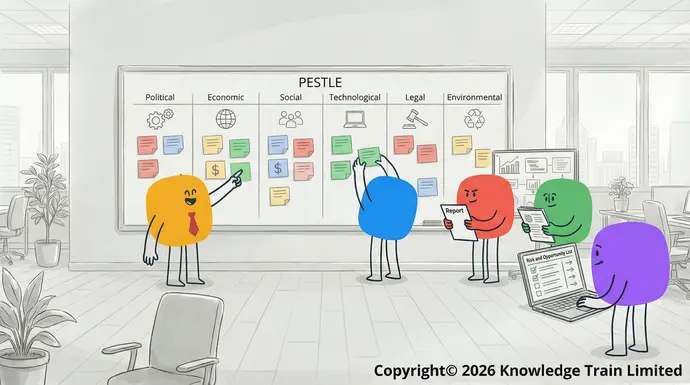
- Organise informationThese elements are crucial for gaining a holistic view of external influences on the organisation.: Structure the data under the relevant categories in the template.Steps to develop your template
- Evaluate ImpactCreating a tailored PESTLE template involves a step-by-step approach:: Assess how each factor might present opportunities or threats.Identify relevant factors
- Review and update: Begin by listing factors that are pertinent to your industry and geographical location.: Regularly revisit the template to incorporate new developments.Research and gather data
By following these steps, you can ensure your PESTLE analysis remains relevant and actionable. This structured approach not only aids strategic planning but also reduces uncertainty, fostering a stable environment for decision-making. In turn, this can enhance workplace morale by clarifying organisational priorities and aligning them with external realities.: Collect data from reliable sources to understand the impact of each factor.
Real-world examples of PESTLE analysis
Case study 1: Industry application
In the automotive industry, PESTLE analysis has been instrumental in shaping strategic decisions. For instance, the shift towards electric vehicles (EVs) is influenced by several PESTLE factors. Governments worldwide are implementing stricter emissions regulations and offering subsidies to promote EV adoption. These political and environmental factors create opportunities for car manufacturers to innovate. Organisations that proactively adapt to these changes by investing in R&D and expanding their EV offerings can gain a competitive edge, aligning with both consumer demands and regulatory pressures.Organise information
Case study 2: Country analysis: Structure the data under the relevant categories in the template.
PESTLE analysis is also valuable for assessing national economic conditions, as demonstrated in the case of India. The country presents diverse market opportunities and challenges, with varying economic conditions across different regions and sectors. However, challenges such as complex legal regulations and environmental concerns persist. By applying PESTLE, businesses can navigate India’s dynamic market landscape. Understanding these factors helps organisations tailor their strategies to leverage economic opportunities while addressing social and legal challenges, ultimately facilitating successful market entry and expansion. This approach reduces strategic uncertainty, leading to enhanced organisational confidence and stability.Evaluate Impact
Conclusion: Assess how each factor might present opportunities or threats.
PESTLE analysis is a crucial tool in strategic planning and decision-making. It provides a comprehensive view of external factors influencing an organisation, enabling businesses to identify opportunities and mitigate threats. By integrating PESTLE with other analytical tools, organisations can develop informed strategies that align with both internal strengths and external realities. This approach not only enhances operational effectiveness but also reduces strategic uncertainty. In workplace settings, the use of PESTLE instils confidence and clarity, contributing to stress reduction and improved decision-making. Ultimately, PESTLE analysis supports sustainable growth and competitive advantage in a complex business environment.Review and update
FAQs: Regularly revisit the template to incorporate new developments.
What is the difference between PEST and PESTLE analysis?By following these steps, you can ensure your PESTLE analysis remains relevant and actionable. This structured approach not only aids strategic planning but also reduces uncertainty, fostering a stable environment for decision-making. In turn, this can enhance workplace morale by clarifying organisational priorities and aligning them with external realities.
PEST analysis stands for Political, Economic, Social, and Technological factors. PESTLE expands this framework by including Legal and Environmental factors. This expansion provides a more comprehensive view of external influences on a business.Real-world examples of PESTLE analysis
How frequently should organisations conduct PESTLE analysis?Case study 1: Industry application
Organisations should review their PESTLE analysis quarterly to monitor changes in external factors and adjust strategies accordingly.In the automotive industry, PESTLE analysis has been instrumental in shaping strategic decisions. For instance, the shift towards electric vehicles (EVs) is influenced by several PESTLE factors. Governments worldwide are implementing stricter emissions regulations and offering subsidies to promote EV adoption. These political and environmental factors create opportunities for car manufacturers to innovate. Organisations that proactively adapt to these changes by investing in R&D and expanding their EV offerings can gain a competitive edge, aligning with both consumer demands and regulatory pressures.
Can PESTLE analysis be used for small businesses?Case study 2: Country analysis
Yes, PESTLE analysis is valuable for small businesses. It helps them understand the external environment, identify opportunities, and mitigate risks. This knowledge is crucial for strategic planning and competitive positioning.PESTLE analysis is also valuable for assessing national economic conditions, as demonstrated in the case of India. The country presents diverse market opportunities and challenges, with varying economic conditions across different regions and sectors. However, challenges such as complex legal regulations and environmental concerns persist. By applying PESTLE, businesses can navigate India’s dynamic market landscape. Understanding these factors helps organisations tailor their strategies to leverage economic opportunities while addressing social and legal challenges, ultimately facilitating successful market entry and expansion. This approach reduces strategic uncertainty, leading to enhanced organisational confidence and stability.
What are the limitations of PESTLE analysis?Conclusion
PESTLE analysis can be subjective, relying on the accuracy of available data and the analyst’s interpretation. It may not capture rapid changes, and its broad scope can make it challenging to focus on specific business needs.PESTLE analysis is a crucial tool in strategic planning and decision-making. It provides a comprehensive view of external factors influencing an organisation, enabling businesses to identify opportunities and mitigate threats. By integrating PESTLE with other analytical tools, organisations can develop informed strategies that align with both internal strengths and external realities. This approach not only enhances operational effectiveness but also reduces strategic uncertainty. In workplace settings, the use of PESTLE instils confidence and clarity, contributing to stress reduction and improved decision-making. Ultimately, PESTLE analysis supports sustainable growth and competitive advantage in a complex business environment.
How does PESTLE analysis contribute to risk management?FAQs
PESTLE analysis contributes to What is the difference between PEST and PESTLE analysis?risk managementPEST analysis stands for Political, Economic, Social, and Technological factors. PESTLE expands this framework by including Legal and Environmental factors. This expansion provides a more comprehensive view of external influences on a business. by identifying external threats and opportunities. It informs strategic decisions and helps businesses prepare for potential challenges, reducing uncertainty and enhancing organisational resilience.How frequently should organisations conduct PESTLE analysis?
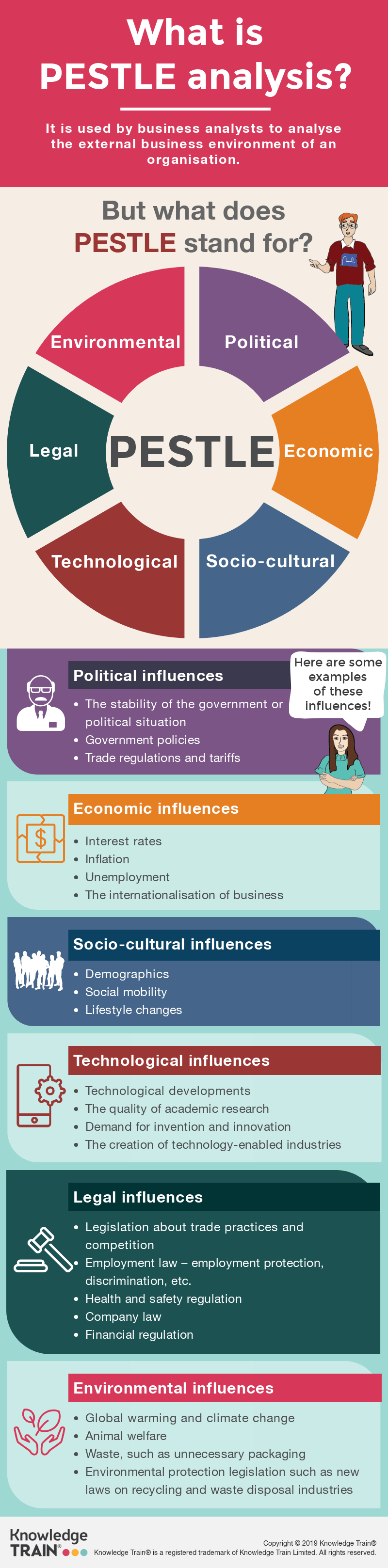
InfographicOrganisations should review their PESTLE analysis quarterly to monitor changes in external factors and adjust strategies accordingly.