Uncovering the benefits of PESTLE analysis for informed decision-makingIn particular, PRINCE2 Agile explains what to ‘

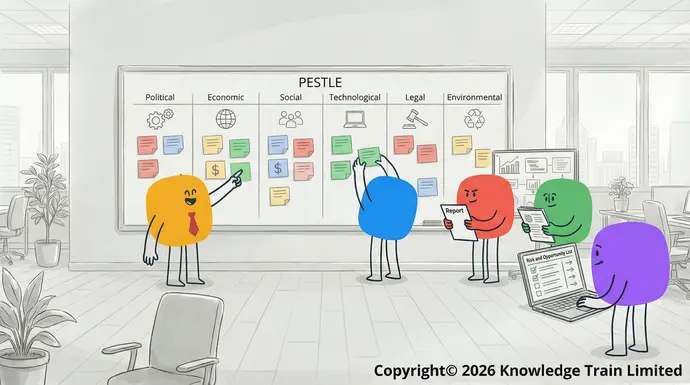
- Organise information19 Feb 2026: Structure the data under the relevant categories in the template.
- Evaluate ImpactProject management is crucial for success. Discover the essential phases and elevate your skills to ensure projects from start to finish deliver exceptional outcomes.: Assess how each factor might present opportunities or threats.
- Review and update : Regularly revisit the template to incorporate new developments.
By following these steps, you can ensure your PESTLE analysis remains relevant and actionable. This structured approach not only aids strategic planning but also reduces uncertainty, fostering a stable environment for decision-making. In turn, this can enhance workplace morale by clarifying organisational priorities and aligning them with external realities.
Real-world examples of PESTLE analysis
Case study 1: Industry application
In the automotive industry, PESTLE analysis has been instrumental in shaping strategic decisions. For instance, the shift towards electric vehicles (EVs) is influenced by several PESTLE factors. Governments worldwide are implementing stricter emissions regulations and offering subsidies to promote EV adoption. These political and environmental factors create opportunities for car manufacturers to innovate. Organisations that proactively adapt to these changes by investing in R&D and expanding their EV offerings can gain a competitive edge, aligning with both consumer demands and regulatory pressures.
Case study 2: Country analysisProject management vs programme management
PESTLE analysis is also valuable for assessing national economic conditions, as demonstrated in the case of India. The country presents diverse market opportunities and challenges, with varying economic conditions across different regions and sectors. However, challenges such as complex legal regulations and environmental concerns persist. By applying PESTLE, businesses can navigate India’s dynamic market landscape. Understanding these factors helps organisations tailor their strategies to leverage economic opportunities while addressing social and legal challenges, ultimately facilitating successful market entry and expansion. This approach reduces strategic uncertainty, leading to enhanced organisational confidence and stability.
ConclusionKnowledge Train
PESTLE analysis is a crucial tool in strategic planning and decision-making. It provides a comprehensive view of external factors influencing an organisation, enabling businesses to identify opportunities and mitigate threats. By integrating PESTLE with other analytical tools, organisations can develop informed strategies that align with both internal strengths and external realities. This approach not only enhances operational effectiveness but also reduces strategic uncertainty. In workplace settings, the use of PESTLE instils confidence and clarity, contributing to stress reduction and improved decision-making. Ultimately, PESTLE analysis supports sustainable growth and competitive advantage in a complex business environment.19 Feb 2026
FAQs
What is the difference between PEST and PESTLE analysis?Dive into the differences between project and programme management to determine which is best suited for your organisation and can improve your project delivery. Read on to find out more.
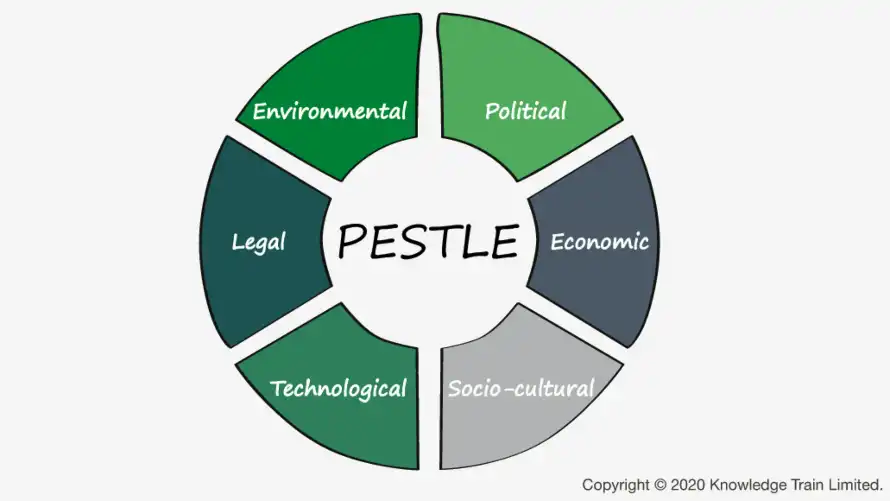
PEST analysis stands for Political, Economic, Social, and Technological factors. PESTLE expands this framework by including Legal and Environmental factors. This expansion provides a more comprehensive view of external influences on a business.
PESTLE analysis can be subjective, relying on the accuracy of available data and the analyst’s interpretation. It may not capture rapid changes, and its broad scope can make it challenging to focus on specific business needs.PMO structure
How does PESTLE analysis contribute to risk management?
PESTLE analysis contributes to Simon Buehringrisk management19 Feb 2026 by identifying external threats and opportunities. It informs strategic decisions and helps businesses prepare for potential challenges, reducing uncertainty and enhancing organisational resilience.
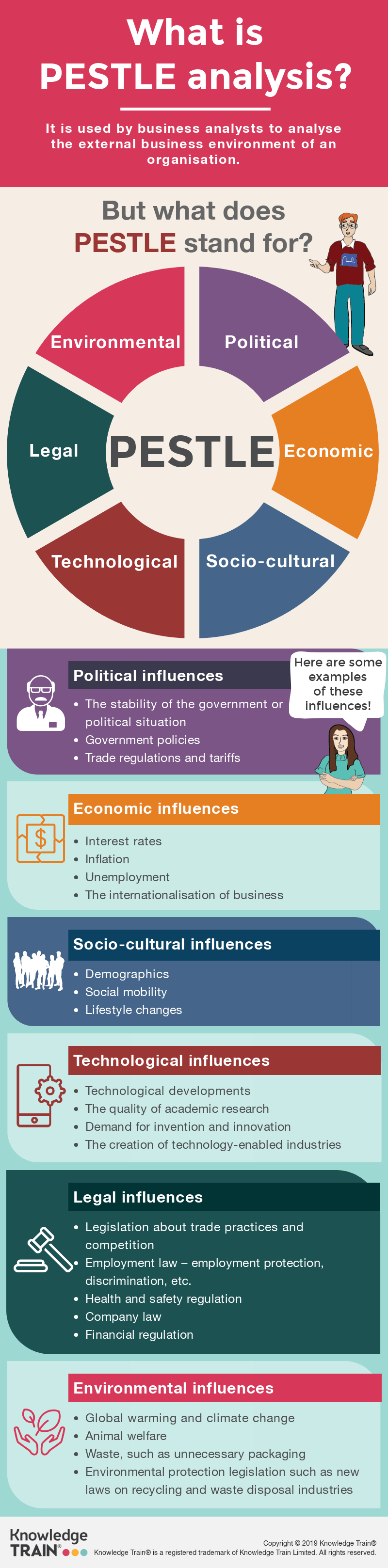
InfographicExplore various PMO structures and their impact on project success. Read on to determine which PMO setup best suits your organization.