Uncovering the benefits of PESTLE analysis for informed decision-making

Key takeawaysContents
PESTLE helps organisations anticipate external change and make steadier strategic choices.
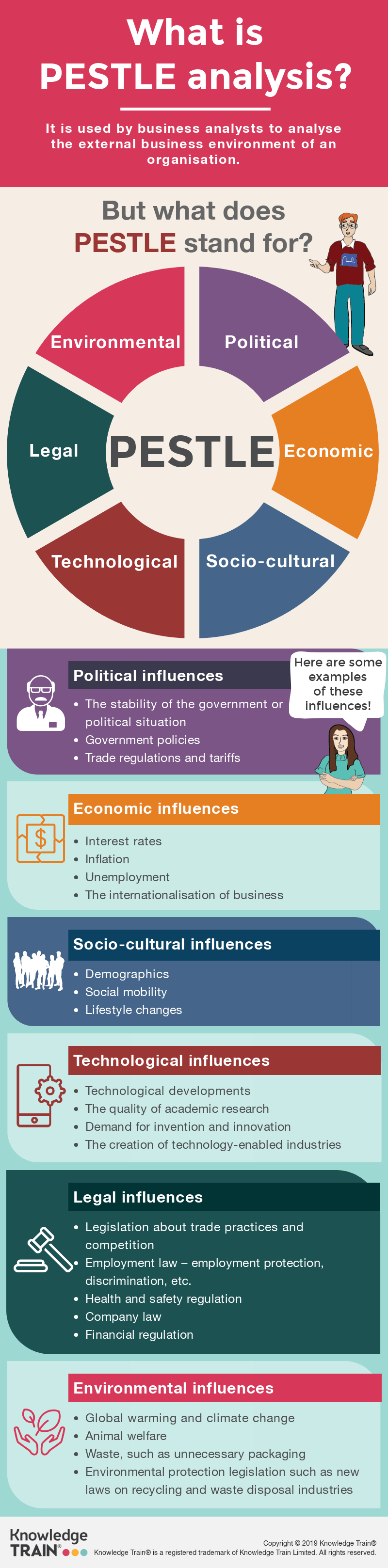
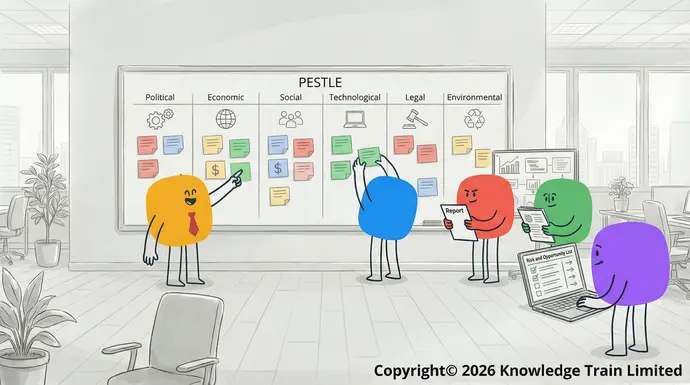
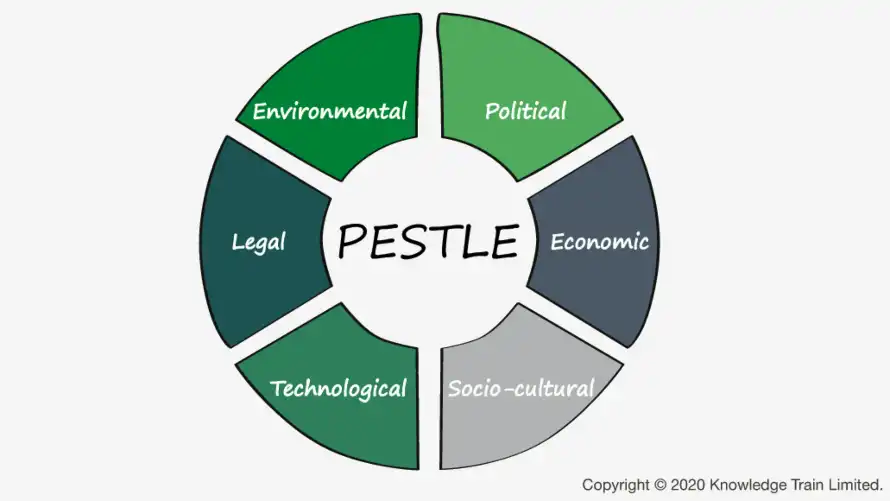
- PESTLE examines Political, Economic, Social, Technological, Legal and Environmental forces shaping performance.
- It supports proactive planning by surfacing opportunities early and highlighting threats that need mitigation.Contents
- Using PESTLE to inform SWOT links external conditions to internal strengths and weaknesses for better decisions.
- A useful template captures the key drivers under each factor and assesses likely impact on the organisation.Introduction to PESTLE
- Regular reviews, often quarterly, keep the analysis current as policies, markets and technology shift.
Introduction to PESTLE analysisComponents of PESTLE analysis
Definition and purposePolitical factors
PESTLE analysisGovernment policies and stability is a strategic tool used to identify and assess the external factors that can impact a business. It stands for Political, Economic, Social, Technological, Legal, and Environmental factors. The primary purpose of PESTLE analysis is to provide a comprehensive understanding of the macro-environmental conditions affecting an organisation. By evaluating these external forces, businesses can anticipate changes and adapt their strategies accordingly. This proactive approach aids in mitigating risks and capitalising on potential opportunities.Government policies are a significant influence on business environments. Changes in taxation, labour laws, or trade restrictions can alter market dynamics. Political stability is equally important, as it fosters a predictable environment for investment. Businesses must monitor policy changes to maintain compliance and align strategies with governmental priorities.
Regulatory compliance is vital for business operations across various sectors. Organisations must follow advertising standards, consumer protection legislation and product safety requirements. By doing so, they protect themselves from legal issues and build consumer trust, ensuring long-term success in the marketplace.
Lifestyle changes, driven by shifts in social values and technological advancements, affect consumer demands. As lifestyles evolve, businesses must innovate to offer products and services that align with emerging trends, such as increased health consciousness or digital engagement.Environmental factors
Technological factorsClimate change and sustainability
Technological advancementsClimate change and
Technological advancements drive business transformation by enhancing operational efficiency and enabling new business models. Companies must stay abreast of technological trends to capitalise on innovation, whether through automation, artificial intelligence, or other emerging technologies.sustainability
Research and development are increasingly important for industries worldwide. Businesses must consider their environmental impact and adopt sustainable practices to meet consumer expectations and regulatory requirements. This focus on sustainability can also result in cost savings and enhanced brand reputation.
Investment in research and development (R&D) is crucial for maintaining a competitive edge. Businesses that prioritise R&D can lead in innovation, delivering unique products and services. This focus on R&D supports long-term growth and adaptability in a rapidly changing market.Environmental regulations
Legal factorsCompliance with environmental regulations is essential for legal operation and maintaining a positive public image. Regulations may dictate waste management, emissions, and resource usage. Organisations must adapt processes to meet these standards, reducing their environmental footprint and avoiding legal penalties.
Employment and labour lawsThis framework provides businesses with a structured approach to analysing external factors, enabling informed strategic planning. By understanding these components, organisations can position themselves to navigate challenges and seize opportunities effectively.
Employment and labour laws affect human resources by governing hiring practices, workplace safety, and employee rights. Businesses must ensure compliance with these laws to avoid litigation and foster a fair and productive work environment.Enhance your skills with our expert-led courses
Regulatory compliance
Regulatory compliance is vital for business operations across various sectors. Organisations must follow advertising standards, consumer protection legislation and product safety requirements. By doing so, they protect themselves from legal issues and build consumer trust, ensuring long-term success in the marketplace.
Environmental factors
Climate change and sustainabilitySelf-paced
Climate change and BCS Foundation Certificate in Business Analysis self-paced onlinesustainability are increasingly important for industries worldwide. Businesses must consider their environmental impact and adopt sustainable practices to meet consumer expectations and regulatory requirements. This focus on sustainability can also result in cost savings and enhanced brand reputation.£499 +vat
Environmental regulations
Compliance with environmental regulations is essential for legal operation and maintaining a positive public image. Regulations may dictate waste management, emissions, and resource usage. Organisations must adapt processes to meet these standards, reducing their environmental footprint and avoiding legal penalties.
This framework provides businesses with a structured approach to analysing external factors, enabling informed strategic planning. By understanding these components, organisations can position themselves to navigate challenges and seize opportunities effectively.
Application of PESTLE analysis in strategic planning: Government policies, stability, tax policies
Identifying opportunities and threatsEconomic
PESTLE analysis is a vital tool for recognising external opportunities and threats. By systematically examining Political, Economic, Social, Technological, Legal, and Environmental factors, businesses can identify potential growth areas and foresee challenges. This analysis enables organisations to adapt their strategies, ensuring they remain competitive. For instance, a change in government policy might present a new market opportunity, while economic downturns could pose threats that need mitigation. Understanding these dynamics allows companies to capitalise on favourable conditions and devise contingency plans for adverse scenarios, thus enhancing their strategic positioning.: Growth rates, inflation, exchange rates
Integrating PESTLE with SWOT analysisSocial
Integrating PESTLE with : Demographics, lifestyle changes, cultural normsSWOT analysisTechnological provides a comprehensive strategic framework. While PESTLE focuses on external factors, SWOT examines internal strengths and weaknesses alongside external opportunities and threats. This combined approach offers a holistic view of the business environment, facilitating informed decision-making. By using PESTLE to inform SWOT, organisations can align their internal capabilities with external conditions, optimising strategic initiatives. This synergy not only aids in identifying areas for improvement but also highlights where the business can excel. Furthermore, the integration of these analyses can reduce stress and enhance confidence among stakeholders by providing clarity and direction. In workplace settings, this combined approach fosters a proactive culture, encouraging employees to anticipate changes and innovate accordingly. Ultimately, this strategic alignment drives sustainable growth and resilience in an ever-evolving business landscape.: Innovations, R&D trends, technological infrastructure
Creating a PESTLE analysis templateLegal
Key elements to include: Employment laws, regulatory compliance, industry-specific regulations
A comprehensive PESTLE analysis template should encompass all six macro-environmental factors: Political, Economic, Social, Technological, Legal, and Environmental. For each factor, consider including:Environmental
- Political: Climate policies, sustainability initiatives, environmental regulations.: Government policies, stability, tax policiesThese elements are crucial for gaining a holistic view of external influences on the organisation.
- EconomicSteps to develop your template: Growth rates, inflation, exchange ratesCreating a tailored PESTLE template involves a step-by-step approach:
- SocialIdentify relevant factors: Demographics, lifestyle changes, cultural norms: Begin by listing factors that are pertinent to your industry and geographical location.
- TechnologicalResearch and gather data: Innovations, R&D trends, technological infrastructure: Collect data from reliable sources to understand the impact of each factor.
- Legal: Employment laws, regulatory compliance, industry-specific regulations
- Environmental: Climate policies, sustainability initiatives, environmental regulations.