Uncovering the benefits of PESTLE analysis for informed decision-making

Introduction to PESTLE analysisPoland
Definition and purposePortugal
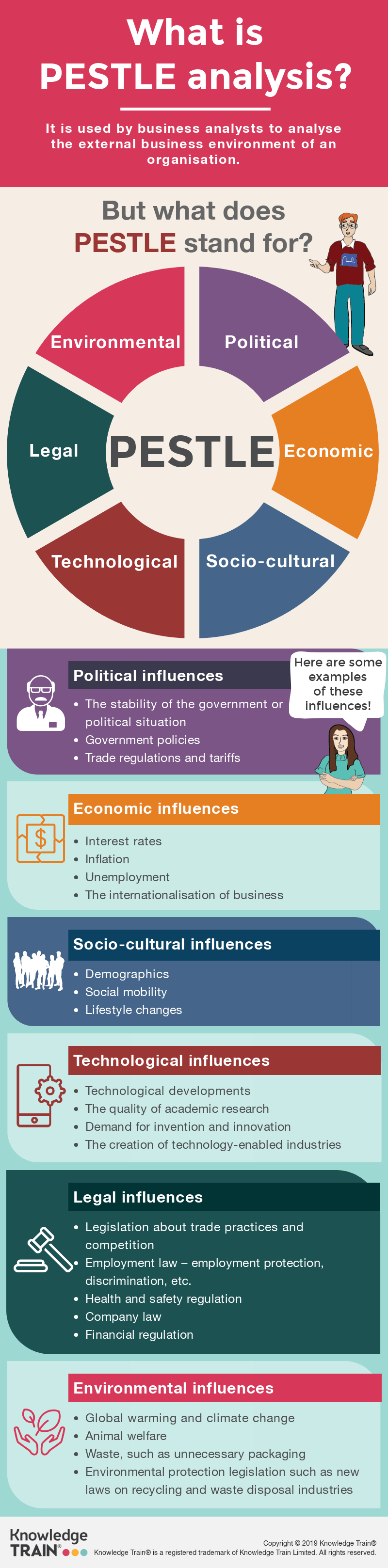
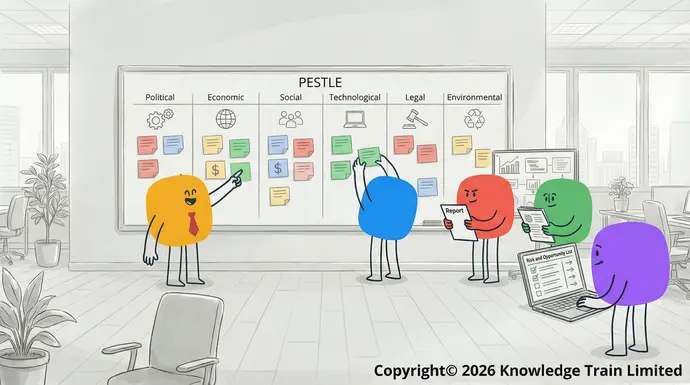
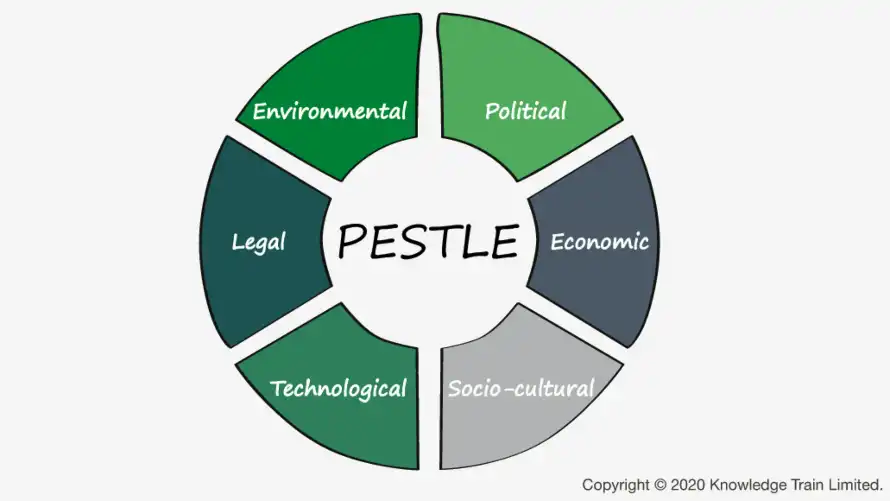
PESTLE analysisRomania is a strategic tool used to identify and assess the external factors that can impact a business. It stands for Political, Economic, Social, Technological, Legal, and Environmental factors. The primary purpose of PESTLE analysis is to provide a comprehensive understanding of the macro-environmental conditions affecting an organisation. By evaluating these external forces, businesses can anticipate changes and adapt their strategies accordingly. This proactive approach aids in mitigating risks and capitalising on potential opportunities.Slovakia
Evolution from PEST to PESTLESlovenia
The framework began as ETPS, created by Francis Aguilar in 1967, before being rearranged to PEST, focusing on Political, Economic, Social and Technological aspects. Over time, the need to address Legal and Environmental factors led to the evolution of PEST into PESTLE analysis. This expansion reflects the growing complexity of the business environment, where legal compliance and SpainsustainabilitySweden have become crucial considerations. The incorporation of these additional factors allows organisations to build a more robust strategic plan. PESTLE analysis complements Other countriesSWOT analysisHome, offering insights into external factors whilst SWOT examines both external and internal elements. This combined approach enhances decision-making by aligning organisational strengths with external opportunities while addressing potential threats.
Components of PESTLE analysisBusiness Analysis
Political factors
Government policies and stability Business analyst courses
Government policies are a significant influence on business environments. Changes in taxation, labour laws, or trade restrictions can alter market dynamics. Political stability is equally important, as it fosters a predictable environment for investment. Businesses must monitor policy changes to maintain compliance and align strategies with governmental priorities.BCS Business Analysis certification
Trade regulations and tariffs
Trade regulations and tariffs affect businesses entering or expanding in new markets. Import duties may limit market access whilst trade agreements can create opportunities. Understanding these regulations helps businesses navigate international markets effectively, mitigating risks associated with cross-border trade.{"@context":"http://schema.org","@type":"BreadcrumbList","itemListElement":[{"@type":"ListItem","position":1,"name":"Home","item":"https://www.knowledgetrain.co.uk/"},{"@type":"ListItem","position":2,"name":"Business Analysis","item":"https://www.knowledgetrain.co.uk/business-analysis"},{"@type":"ListItem","position":3,"name":" Business analyst courses","item":"https://www.knowledgetrain.co.uk/business-analysis/business-analyst-course"},{"@type":"ListItem","position":4,"name":"BCS Business Analysis courses","item":"https://www.knowledgetrain.co.uk/business-analysis/business-analyst-course/bcs-business-analysis-certification"}]}
Economic factors
BCS accredited