Risk management on projectsSweden

Strong risk management improves delivery certainty by surfacing threats early and agreeing responses.
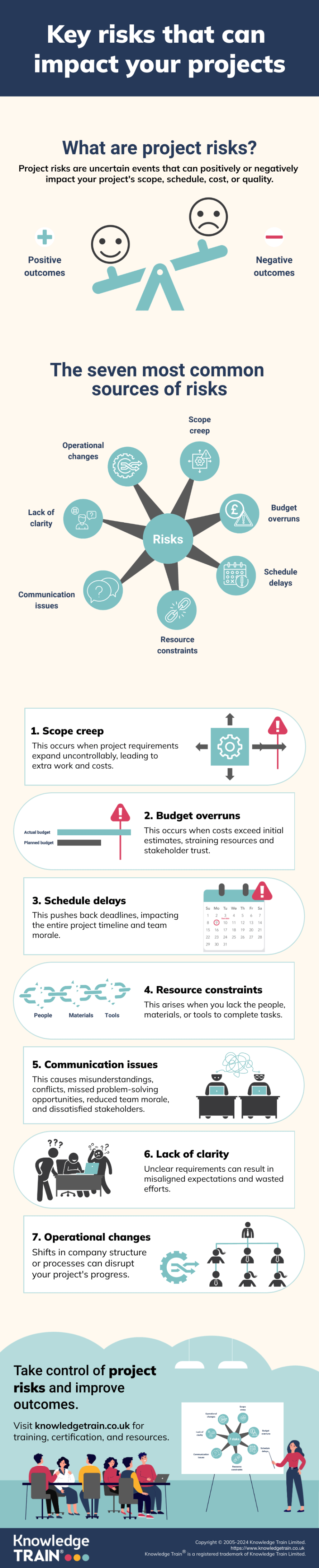
- Define risks as uncertain events that can help or harm scope, schedule, cost, or quality.
- Classify risks (internal, external, technical, financial, operational, strategic) to avoid blind spots.
- Use a repeatable cycle: identify, assess likelihood and impact, plan responses, then monitor and adapt.
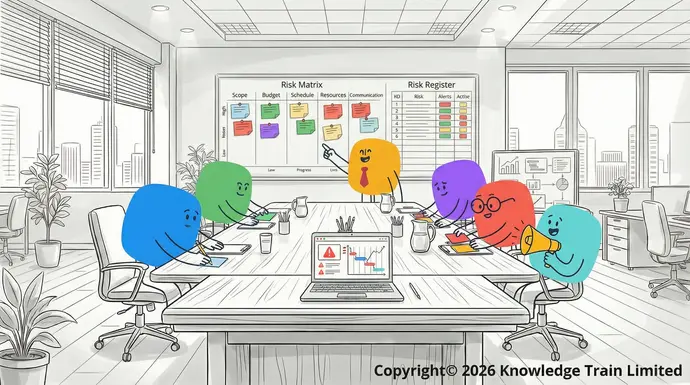
- Maintain a live risk register, supported by tools such as a risk matrix, SWOT, and project software alerts.
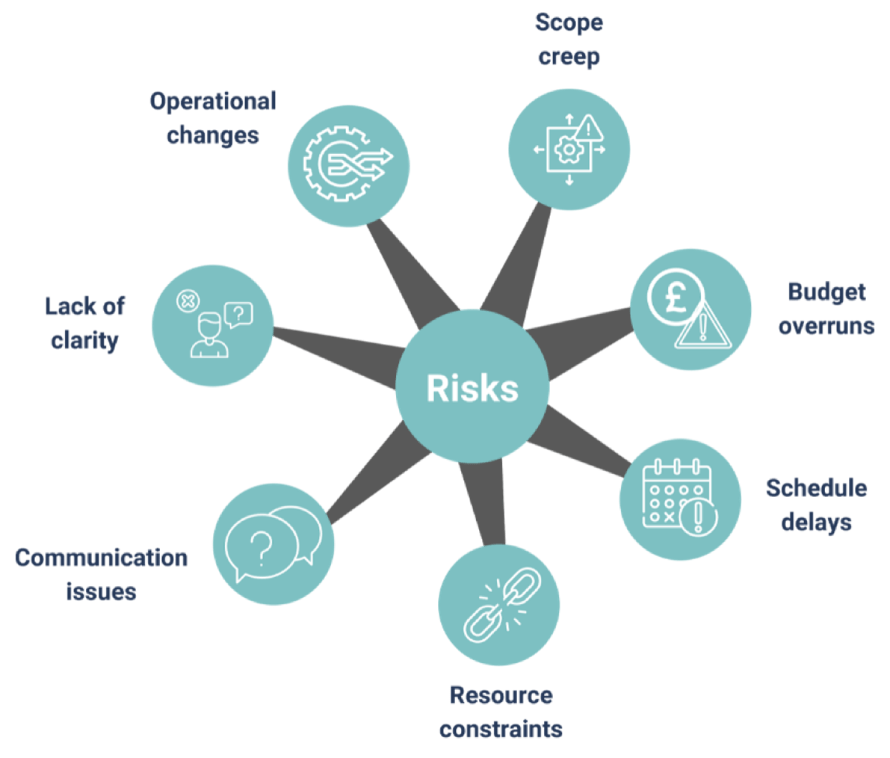
- Prevent common failures by controlling scope changes, monitoring budgets, managing dependencies, and planning resources.
- Keep stakeholders engaged with clear communication so risks are understood, owned, and acted on.Copied!
ImpactCreating an effective project communication plan
Scope creep can have several impacts on a project:Setting communication goals and objectives
- It can increase the project’s duration, require more resources and increase costsA successful project communication plan requires clearly defined goals and objectives as its foundational elements. The communication plan goals need to support the project’s main objectives while fulfilling requirements. A fundamental objective of the communication plan should be delivering regular updates to all stakeholders. The objectives for project communication could focus on decreasing email response times and boosting attendance at project meetings. Create
- It can lead to delays and missed deadlinesquantifiable goals
- It can cause the project to lose focus and drift away from its original objectives for ongoing evaluation of the communication plan throughout the project duration.
- It can lead to team burnout and demotivation.Identifying stakeholders and their needs
To prevent scope creep, it is crucial to have a clear understanding of the project’s objectives and requirements, and to establish change control processes to manage and approve any changes to the project scope.Perform a complete
Budget overrunsstakeholder analysis
Common causes to determine which groups and individuals are part of or affected by your project. Key stakeholders consist of team members as well as clients, sponsors, and external partners. Evaluate what information each stakeholder needs to know about the project along with their preferred communication methods and their impact on project success. A
Budget overrunsstakeholder matrix occur when the actual cost of a project exceeds the initially allocated budget. Common causes of budget overruns include inaccurate cost estimation, scope changes, unforeseen expenses, and poor resource management. provides a visual representation of stakeholder relationships to help direct communication priorities.
ImpactDetermining communication methods and channels
Prevent budget problems by performing a detailed cost analysis and ensuring financial reporting is transparent throughout the project.Choose
Schedule delayscommunication channels
Common causes that align with stakeholder preferences while considering the specific nature of the information being communicated. Use a combination of formal and informal communication methods which include email updates, video conferences, face-to-face meetings,
Schedule delaysproject management software can occur due to a variety of reasons: platforms, and instant messaging services. The selected communication methods must be accessible to every stakeholder while fitting the nature of shared information.
- Unrealistic time estimatesEstablishing communication frequency and schedules
- Resource unavailabilityDecide the frequency for each communication method and prepare a calendar to organise these communications. The communication schedule may consist of weekly team meetings combined with monthly progress reports and emergency updates for critical issues. Regular communication should be balanced against the potential for overwhelming recipients with too much information. Coordinate communication timelines with significant project milestones and deliverables.
Schedule delays can lead to missed deadlines and milestones, increased costs due to prolonged project duration, reduced stakeholder satisfaction and potential loss of competitive advantage.
To address time-related risks, implement effective project scheduling techniques and regularly monitor project progress.
Resource constraints
Types of resource risks
Introduction to Project Management course
Lack of clarity can lead to misaligned expectations, rework and wasted resources, delayed decision-making and compromised project quality.
Invest time in gathering and documenting clear requirements and maintain ongoing stakeholder engagement to ensure alignment.£499 +vat
Operational changes
Types of operational risksSee all dates
Operational changes can include:
- Organisational restructuring
- Process modificationsInstructor-led
- Technology upgradesProject Management Essentials
- Regulatory changes.
Impact on project execution£999 +vat
Operational changes can affect projectsSee all dates by disrupting established workflows, requiring additional training or resources, altering project priorities and necessitating scope or timeline adjustments.Best practices for project communication
Stay informed about potential organisational changes and maintain flexibility in Tailoring communication to different stakeholder groupsproject planningSuccessful project communication demands thoughtful adaptation to meet the specific requirements of different stakeholder groups. Match your communication style and delivery approach to the preferences and information needs of each audience. Executive stakeholders require brief summaries that cover high-level information whereas team members benefit from detailed information that focuses on specific tasks. The customised approach delivers information that is both relevant and actionable to each group through their preferred format. to accommodate operational shifts.Balancing formal and informal communication
By knowing about common project management risks, you can make specific plans to help prevent or overcome them. In addition, proactive risk management involves:A comprehensive communication strategy requires the integration of both formal and informal communication methods. Status reports and scheduled meetings serve as
- Regular risk assessmentsformal communication
- Clear communication with stakeholders channels that establish organisational structure and maintain accountability. Quick check-ins and instant messaging as
- Robust change management processesinformal communication
- Continuous monitoring and adaptation. methods build team unity while allowing for fast
Keep in mind that effective risk management is an ongoing process that needs careful monitoring and flexibility throughout the project. If you plan and work for these common risks, you will be able to increase the probability of success in your project.information transfer
Risk management process. Find the right mix of formal and informal communication to sustain professional standards and promote teamwork through open conversations.
Risk identificationLeveraging visual communication tools
The first step in risk management is to identify potential risks that could impact your project. Some common techniques include:Visual aids
- Brainstorming with team membersshould be incorporated to improve understanding and boost engagement. Complex information becomes more understandable when presented through infographics together with charts and diagrams compared to plain text. Make use of
- Reviewing historical information from similar project management softwareprojects that provides visual displays of timelines, workflows, and progress tracking information. Visual communication tools both enhance understanding and ensure your messages leave a lasting impression.
- Conducting stakeholder interviewsEnsuring clarity and consistency in messaging
- Analysing project documentation.Your project communications should consistently deliver
Create a clear messagesrisk register throughout the project duration. Create a to document all identified risks.project glossary
Risk assessment and prioritisation to enable all stakeholders to understand key terms and concepts uniformly. Implementing standardised templates for regular communications will help emphasise essential information while building familiarity for recipients. Use simple language and avoid technical terms which could confuse or create distance with some stakeholder groups.
After identifying risks, assess their potential impact and likelihood of occurrence. Tools you can use include:Addressing cultural and language considerations in global projects
- Risk matrixProjects that involve multiple cultures or languages require special attention to avoid communication barriers. Pay attention to the diverse communication styles and business customs present across different cultures. Translate essential documents when required and employ simple language to assist comprehension. Always keep time zone variations in mind when organising meetings and establishing deadlines. The development of cultural sensitivity will boost teamwork while minimising misunderstandings in diverse project settings.: Plot risks on a chart based on their probability and impactTools and templates for project communication plans
- Quantitative analysisProject management software with communication features: Assign numerical values to risksProject management platforms provide strong communication tools to help you execute your strategy.
- Qualitative analysisAsana: Categorise risks based on severity. together with
Prioritise risks based on their potential impact.Trello
Risk response planning and
For each prioritised risk, develop a response strategy. Common responses include:Microsoft
- Avoidance : Eliminate the threat by changing Project project plansdeliver tools for managing tasks and collaborating with teams. Choose
- MitigationJira: Reduce the probability or impact of the risk or
- TransferBasecamp: Shift the risk to a third party (e.g. insurance) for more advanced solutions as they provide superior reporting and stakeholder management functions. These platforms feature customisable dashboards while also providing automated notifications alongside integrated messaging systems to improve your communication workflows.
- AcceptanceFree and paid templates for creating communication plans: Acknowledge the risk and prepare contingency plans.A wide selection of templates exists to help you begin your communication planning process. Downloadable templates provided by professional organisations and
Document your response strategies in a risk management plan.project management
Risk monitoring and control institutes are available at no cost. Consultancies and software providers offer paid solutions that deliver industry-specific frameworks for tailored needs. The templates usually contain sections dedicated to stakeholder analysis as well as communication matrices and schedule planning.
Continuously monitor risks throughout the project lifecycle. This includes:Tips for customising templates to fit specific project needs
- Regular risk reviews and updatesAdjust project templates to match the specific needs of your project. Begin by pinpointing the main communication obstacles and essential priorities your project faces. Update stakeholder classifications to represent the unique groups within your audience. Change the communication channels and their frequencies based on your team’s preferences and the project timeline. Make sure you include all relevant company-specific terminology and reporting structures into your template. A customised template that you develop with careful consideration leads to a communication plan that better supports your project’s success.
- Tracking risk triggers and early warning signsCase studies
- Implementing planned responses when necessarySmall-scale project
- Evaluating the effectiveness of risk responses.The app development team at the
Adjust your risk management approach as needed based on new information and changing project conditions.software startup
By following this structured process, you can effectively manage risks and increase your project’s chances of success. created a strategic communication framework to guide their project. The team adopted a hybrid approach which incorporated daily stand-ups along with weekly email updates and a shared project dashboard. This communication strategy-maintained team coordination and provided stakeholders with continuous updates during development. The communication plan achieved its goals through the successful timely achievement of project milestones along with investor satisfaction expressed through positive feedback.
Tools and techniques for project risk managementInstructor-led
Risk registerProject Management Essentials
A risk register£999 +vat is a document that lists all identified risks along with their potential impact and planned mitigation. Components to include are:
- Risk descriptionSee all dates
- Probability and impact assessmentConclusion
- Risk ownerSuccessful
- Mitigation strategiesproject management
- Contingency plans. requires a well-developed
Maintain your risk register throughout the project, regularly updating it as needed.project communication plan
SWOT analysis. Effective project information flow requires stakeholder identification along with selection of suitable communication channels and protocol establishment.
SWOT analysisCommunication strategies require constant flexibility and regular assessment to ensure they remain effective and improve over time. During your project implementation maintain receptiveness to feedback and adjust your strategy according to project demands and stakeholder input. is used to identify factors that may impact your project:Implement these principles during your upcoming project. When you focus on clear and consistent communication you build stronger collaboration, minimise misunderstandings and improve your overall project success rate.
- Strengths: Project advantagesFAQs
- Weaknesses: Areas for improvementWhat’s the difference between a project communication plan and a stakeholder management plan?
- Opportunities: Potential benefitsThe communication plan centres on information distribution whereas stakeholder management plans create comprehensive engagement techniques.
- Threats: Possible risks.How can I ensure sensitive information is communicated securely within my project?
Performing a SWOT analysis gives you a well-rounded view of your project’s risk landscape.Secure your data by utilising encryption methods together with secure digital platforms and by creating clear protocols for managing confidential information.
Brainstorming sessionsWhat should I do if stakeholders aren’t following the communication plan?
Organise structured Respond to individual stakeholder concerns while emphasising the plan’s necessity and adjust to satisfy their requirements.brainstorming sessionsHow can I measure the effectiveness of my project communication plan? with your team to identify potential risks. Encourage open discussion and creative thinking. Techniques you can use include:Evaluate project communication effectiveness through surveys and feedback while monitoring response times and meeting attendance together with stakeholder satisfaction.
- Nominal group techniqueAre there any industry-specific considerations for creating a communication plan?
- Affinity diagrammingMake sure your plan considers regulatory requirements along with industry-specific terminology and communication standards that exist in your field.
- Mind mapping.How can I improve virtual communication in remote project teams?
Brainstorming sessions can help identify risks that might be overlooked otherwise.Use video conferencing tools while setting up explicit guidelines for virtual meetings and promote routine informal check-ins to sustain team unity.
Project management softwareInfographic
Project management softwareSubscribe to our exclusive offers and promotions is a valuable tool for helping to streamline your risk management processes. Features to consider include:
- Risk tracking and monitoringSubscribe now
- Automated alerts for risk triggers
- Collaboration tools for team communication
- Reporting capabilities for stakeholder updates.{ "@context": "https://schema.org", "@type": "ImageObject", "contentUrl": "https://www.knowledgetrain.co.uk/training-courses/project-communication-plan-infographic-v1.1.png", "description": "Project communication plan infographic", "license": "https://www.knowledgetrain.co.uk/license", "acquireLicensePage": "https://www.knowledgetrain.co.uk/license", "creditText": "Knowledge Train", "uploadDate": "2024-09-28T09:00:32.000Z", "copyrightNotice": "© 2024 Knowledge Train Limited. All rights reserved.", "creator": { "@type": "Organization", "name": "Knowledge Train", "url": "https://www.knowledgetrain.co.uk" } }
Project management software can greatly improve your ability to manage risks throughout your project.
Strategies for mitigating common project risksRelated articles
Preventing scope creep
- Clearly define project boundaries and scope during the planning stage
- Implement a change control process to evaluate and approve scope changes
- Communicate the impact of scope changes to all stakeholders.
Managing budget risks
- Accurate cost estimation and inclusion of contingency reserves
- Regular budget monitoring and reporting
- Cost control measures and prioritisation of expenses.
Addressing schedule delays
- Utilise critical path analysis to identify key milestones and dependencies
- Build buffer time into project schedulesAn introduction to PRINCE2 Agile – webinar with Andrew Kell
- Regularly review and adjust timelines based on progress updates.
Optimising resource allocationSevcan Yasa
- Conduct thorough resource planning at the outset of the project19 Feb 2026
- Utilise resource levellingJoin Andrew Kell in a webinar exploring the integration of PRINCE2 and Agile methodologies. Ideal for professionals looking to adapt their project management approach. techniques to balance workloads
- Maintain a skills inventory to quickly identify and address skill gaps.
Adapting to changesKnowledge Train
- Stay informed of potential changes within the organisation19 Feb 2026
- Build flexibility into project plansFind out about the most efficient project management tools for 2025. This comprehensive guide compares the best software solutions and enables you to select the right one to manage your workflow and complete the project on time. to accommodate operational shifts
- Develop contingency plans for significant operational disruptions.
By following these tips, you can avoid most of the common pitfalls that can cause problems in your projects. Keep in mind that risk management is a continuous process. It is important to revisit the steps in this process as you continue with your project.
Best practices for effective risk management
Proactive approach to risk identification
- Try to spot potential risks at the start of a project
- Ask team members to raise red flags as soon as possibleIs it worth doing a project management course?
- Look at past data and apply any relevant lessons learnt.
Regular risk assessmentSimon Buehring
- Hold 19 Feb 2026regular check-ins to review identified risks and their statusIs a project management course worth your time and investment? Discover the potential career benefits and make an informed decision by reading on.
- Re-evaluate risks as the project progresses and circumstances change
- Revise risk mitigation plans as necessary.
Stakeholder involvement in risk management
- Include stakeholders in identifying and assessing risks
- Keep stakeholders informed of risk management plans and progress
- Seek stakeholder input on risk mitigation strategies.
Continuous learning and improvement
- Record lessons learnt from risk management successes and failuresPRINCE2 Agile focus areas
- Share information with other project teams to improve organisational risk management
- Invest in ongoing training and development of risk management skills.Simon Buehring
Follow these tips to help you establish a positive risk management culture and improve project success.