Project scheduling

Intermediate project management certifications
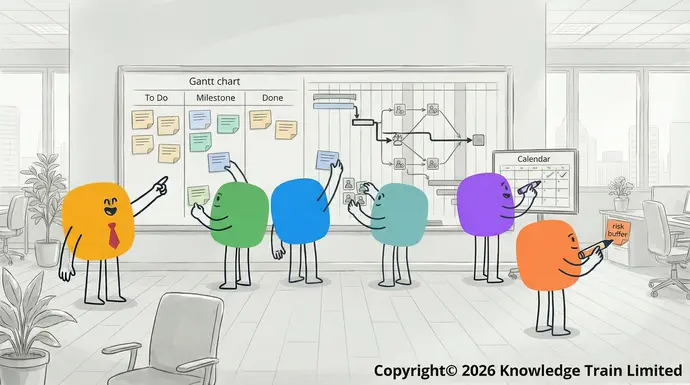
Calendars are often used in project management to help visualise and plan the timeline of a project. They can be used to track important project dates, such as milestones, deadlines, and deliverables. Calendars can also be used to provide an overall view of the project’s timeline.Intermediate project certifications usually have some entry requirements. We’ll start with the easiest and make our way up to the hardest.
Limitations of calendar-based schedulingIntermediate certifications require that you have a more detailed understanding of what project management is all about. These certifications test you on your ability to apply project management principles, practices, and techniques to life-like project scenarios.
- Inadequate representation of task dependenciesAPM PMQ
- May lack necessary detail for more intricate projectsThe Association for Project Management offers the
- Challenges in depicting tasks with varying durations.Project Management Qualification
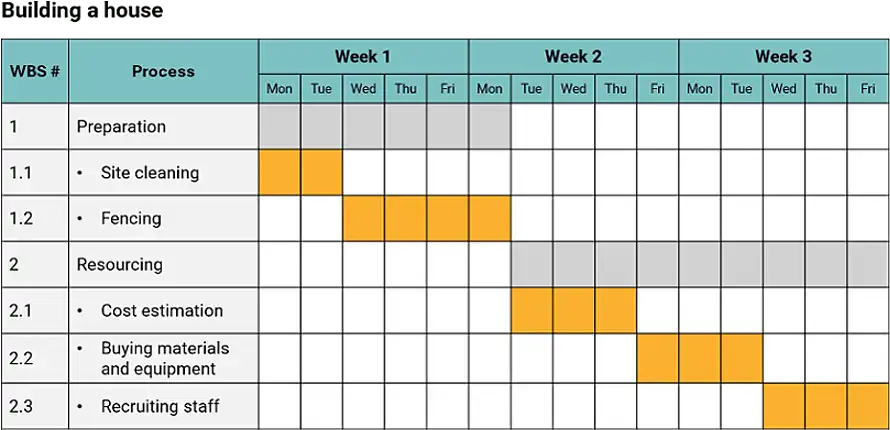
Project scheduling techniques are an essential aspect of project management and choosing the right technique can greatly impact the success of a project. By understanding the advantages and limitations of each technique, as well as when and where to use them, which tests whether you have a deeper understanding of project management. The project managersAPM PMQ can effectively create and manage project schedules. Combining multiple techniques, such as using a Gantt chart to track progress and a calendar to visualise the timeline, can also be a useful strategy for managing project schedules. certification is usually taken by students having a few years’ experience of project management.
Advanced scheduling conceptsThere is no prerequisite for this certification, so you do not need to hold the APM PFQ certificate already.
The more complex the To gain your APM PMQ certificate, the typical learning path is projectAPM PMQ training, the more benefit can be gained from advanced scheduling techniques. CPM and CCPM are methods to take your project planning to the next level. which takes 5 days, or 35 hours if studying online.
Critical Path Method (CPM)PRINCE2 Practitioner
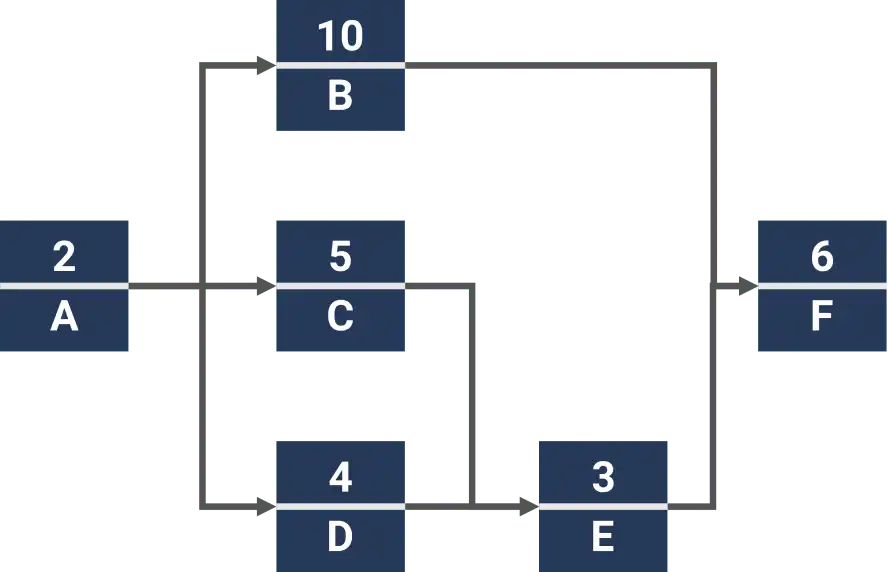
Critical Chain Project Management (CCPM) is a method that focuses on resource-based scheduling. It considers both task dependencies and resource constraints to optimise project schedules. edition)
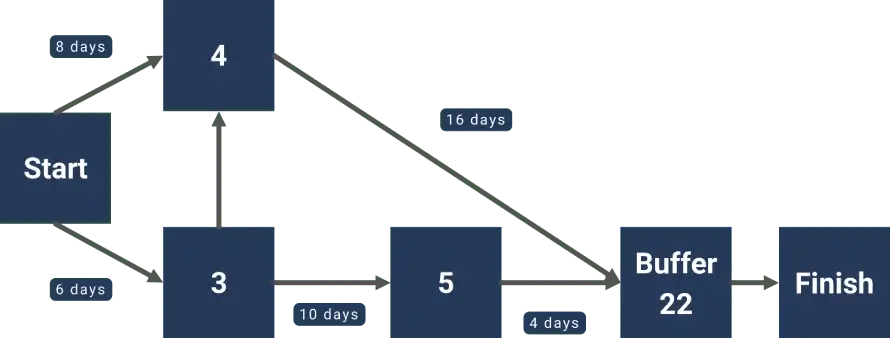
Differences from Critical Path MethodAPM Project Management Qualification (PMQ)
- CCPM considers resource constraints, while CPM focuses solely on task dependenciesAPM Project Professional Qualification (PPQ)
- CCPM uses buffer time at the project level, rather than padding individual tasksPMI
- CCPM aims to reduce multitasking and encourage early task completion.®
Both methods can provide useful insights for optimising project schedules and enhancing overall project management efficiency. Certified Associate in Project Management
Tools for project schedulingPMI
If you’re going to be doing project scheduling on a regular basis, you might find it useful to consider using specialist software to help you with this. A quick search online will pull up a range of tools. Some popular options include:®
Project management software options Project Management Professional (PMP)
- Jira®: IPMAAgile project management® software with customisable workflows and reporting. Levels A, B, C or D.
- Microsoft ProjectIPMA: Software for creating detailed project schedules and resource management.®
- Other popular options is a registered trademark of IPMA in Switzerland and other countries.: Trello, Asana, Basecamp, etc. All these offer various levels of functionality and can accommodate a range of project sizes.PRINCE2 Agile Practitioner
Key features to look for in scheduling softwarePRINCE2 Agile Practitioner certification requires that you first hold either a PRINCE2 Foundation or PRINCE2 Agile Foundation certificate. It is only suitable if you work in an agile environment and want to apply the PRINCE2 framework. The exam tests you on your ability to apply PRINCE2 appropriately in an agile context.
When it comes to choosing a scheduling software, there are some key features that you should ensure it has. Here are some of the most critical ones:To gain your PRINCE2 Agile Practitioner certification, the typical learning path is
- Gantt chart creation and customisationPRINCE2 Agile Practitioner training
- Resource management which takes 2 days, or 21 hours if studying online. Training can also be combined with the PRINCE2 Agile Foundation. In this case, training takes 4 days, or 33 hours if studying online.
- Task dependenciesAgilePM Practitioner
- Real-time collaborationAgilePM Practitioner certification requires that you hold an AgilePM Foundation certificate. It is suitable if you want to apply the agile project framework on projects. AgilePM Practitioner is a popular choice for project managers working in an agile context.
- Integration with other business toolsTo gain your AgilePM Practitioner certification, the typical learning path is
- Reporting and analytics.AgilePM Practitioner training
If you can find a tool that covers all these bases, you’ll be well on your way to more streamlined and effective project scheduling. which takes 1 day, or 15 hours if studying online. Training can also be combined with the AgilePM Foundation in which case, it takes 4 days, or 35 hours if studying online.
Best practices for effective project scheduling
As with all things, there are several best practices you can follow that will help you improve the quality of your project scheduling. Here are some of the most important ones:
Collaborate with team membersSelf-paced
Get your team involved in the scheduling process. Their input can be invaluable in terms of providing more accurate estimates for task durations and helping you to identify potential issues. This approach can also be helpful in terms of getting your team to buy-inAPM PFQ blended online to the schedule.
Break large tasks into smaller, manageable pieces£749 +vat
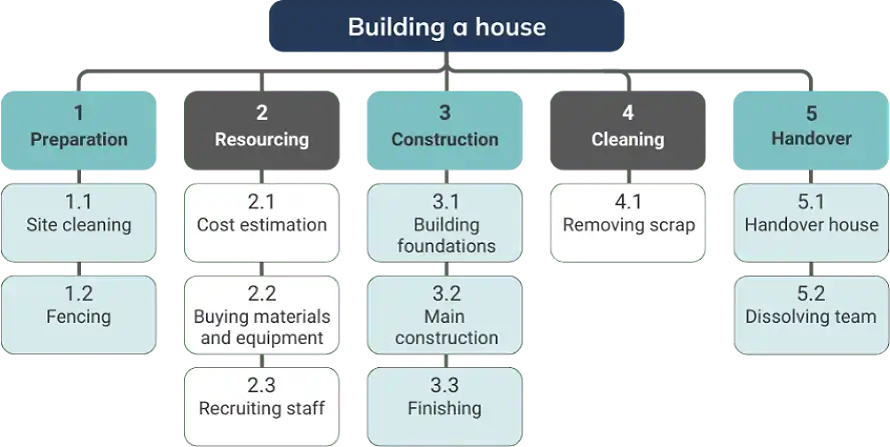
Break complex tasks into smaller and more manageable subtasks. This method, called Work Breakdown Structure (WBS), makes it easier to estimate the time, track progress, and allocate resources.
Consider dependencies and constraintsSelf-paced
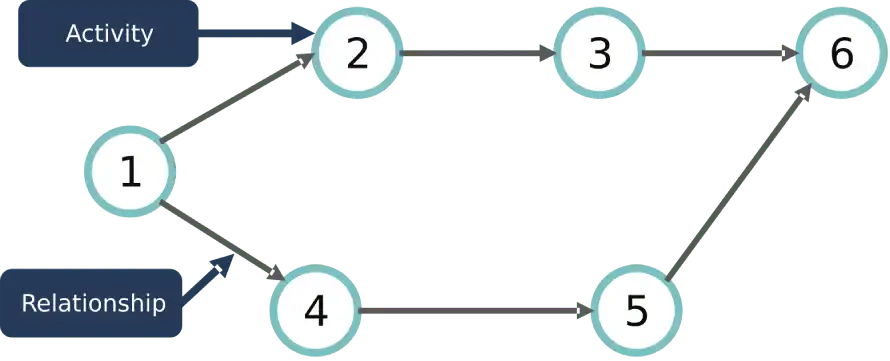
Identify and document all task dependencies and project constraints. This will help you to avoid scheduling conflicts and ensure that activities are logically sequenced.PRINCE2 Agile Practitioner (with Foundation) self-paced online
Build in buffer time for unexpected delays
Include £1,399 +vatbuffer time in your schedule to account for potential delays and unforeseen events. This will give you more flexibility in your schedule and help to avoid missed deadlines.
Regularly update and communicate schedule changes
Update your schedule regularly and communicate any changes to stakeholders. Schedule Self-pacedreviewsAgilePM Practitioner (with Foundation) self-paced online are a critical part of the overall scheduling process and can help you to identify potential problems early on.
Following these best practices will help you to create better project schedules and ultimately lead to better project outcomes.£1,299 +vat
Common challenges in project schedulingExpert project management certifications
No matter how hard we try, it’s unlikely that we won’t encounter a few bumps when planning and managing a schedule. By being aware of the following common issues that typically affect project schedules, we will be more prepared and able to identify and address any we might encounter along the way.There aren’t a lot of certifications more difficult than those already mentioned. If you want to work as a project manager or are already employed in a project manager, an intermediate certificate will be all you’ll ever need.
Inaccurate time estimatesThe following certification tests your in-depth knowledge of project management but is really only valuable if you are already an expert with many years’ experience.
The biggest and most common cause for schedule slippage is making incorrect estimates, both too optimistically and too conservatively. As with all estimates, we should refer to APM ChPPhistoricThe APM’s own Project Management Chartered Standard (ChPP) examination similarly takes place over 3 days. In the first 2 days you’ll be given coaching by a ChPP professional and get your paperwork in order. On the final day, interviewed a board and will have to provide comprehensive documentation of your work over the past several years. The board will be looking to see that you’ve not only encountered several setbacks in your project management career, but that you’ve also overcome these challenges with a little ingenuity and out-the-box thinking.dataConclusion, as well as include the team and subject matter experts to provide an input on time estimates.This list of the top project management certifications is by no means complete. There are other project management accreditations out there, these just happen to be the most widely recognized certifications in the UK and EU.
Scope creepNo matter how much experience you have, or what you’re looking for a project management certification, there’s likely a certificate out there.
Scope creep can easily affect the schedule by adding new requirements into a project that are not fully evaluated and understood, that require uncommitted resources, or that are not approved.If you you’d like to gain any of the certifications listed in this article, why not look at some of the
Resource conflictsproject management certification courses
Resource allocation problems are common on projects where the same resources are shared among multiple projects and activities. To resolve resource overallocation or conflicts, we can use offered by Knowledge Train.resource levellingSubscribe to our exclusive offers and promotions techniques to smoothen the demand for resources.
Unexpected risks and issuesSubscribe now
Issues can unexpectedly appear despite your best-planned schedules. Prepare a detailed risk management planRelated articles that will help you address potential problems and issues on time.
If you identify these issues and incorporate the ways to mitigate them into your project management process, you will become a better scheduler, and your projects will reach completion more successfully.
Conclusion
Project scheduling is a vital aspect of successful project management . By grasping key concepts, using the right tools and following best practices, project managers can create effective schedules. Developing strong scheduling skills will lead to better resource allocation, risk management and overall project success. Keep refining your techniques and you’ll be well on your way to learning the art of project scheduling.
How APM qualifications can help your careerFAQs
How often should I update my project schedule?
Your schedule should be updated on a regular basis, ideally weekly or after major milestones or changes.Simon Buehring
What’s the difference between a milestone and a task in project scheduling?19 Feb 2026
A task is a specific work item, while a milestone is a significant point or event in the project.
How can I handle unexpected delays in my project schedule?The Association for Project Management (APM), a leading UK educational charity, offers qualifications that boost your career at any stage. Read on to discover how these credentials can enhance your professional journey.
Reassess priorities, reallocate resources if necessary and communicate changes to stakeholders as soon as possible.
Is it better to use software or manual methods for project scheduling?
Software is usually more efficient and accurate, particularly for complex projects.
How do I prioritise tasks within a project schedule?
Consider dependencies, resource availability and overall impact on project objectives.