
IntroductionSelect your preferred training course below:
Project scheduling is an integral part of effective LEAN SIX SIGMA COURSESproject managementSelect your preferred training course below:. Project scheduling includes the development of a project timeline, including tasks, resources, and milestones, that is necessary to ensure a project’s successful completion. A solid schedule can provide a roadmap for project execution, allowing project managersBUSINESS ANALYST COURSES to allocate resources, monitor progress and recognise potential issues in advance.Select your self-paced training course topic.
In the modern workplace, having an edge in project scheduling is vital to the successful delivery of projectsBCS BUSINESS ANALYST COURSES within the time and budget constraints. In this article, we will explore the fundamentals of project scheduling. We will discuss key concepts, techniques, and best practices for project scheduling. In addition, we will analyse the challenges commonly faced in project scheduling and review tools and software solutions that can simplify and optimise the process.Select your preferred training course below:
Understanding project scheduling
What is a project schedule?CHANGE MANAGEMENT COURSES
A Select your self-paced training course topic.project schedule is a detailed document that outlines the timeline of tasks and milestones that must be completed to accomplish the project. It acts as a roadmap for project execution and monitoring.APMG CHANGE MANAGEMENT COURSES
- MSP COURSES
Difference between project schedule and project planSelect your preferred training course below:
A projectIT QUALIFICATIONS Select your preferred qualification.plan is a more comprehensive document that encompasses the schedule, as well as other project aspects such as scope, budget, and resources. The project schedule, on the other hand, focuses on the time aspect, including task sequencing and deadlines.ITIL COURSES
Benefits of using a project scheduleSelect your preferred training course below:
- Provides clarity and direction: A project schedule offers a clear path for project execution, ensuring that all team members are aware of their responsibilities and deadlines.
- Improves time management: A schedule helps to prioritise tasks and allocate time efficiently, reducing the risk of missing deadlines.
- Allows efficient resource allocationIT QUALIFICATIONS: A project schedule enables the optimal distribution of personnel, equipment, and materials across project tasks.Select your preferred qualification.
- Helps in effective risk management : A project schedule helps to identify potential bottlenecks, and resource conflicts in advance, allowing for timely risk mitigation.ITIL COURSES
By utilising these advantages, Select your preferred training course below:project managers can significantly improve the chances of project success and timely delivery.LEARNING LIBRARIES
Six steps to create a project scheduleSelect your preferred training course topic.
A project schedule is a comprehensive document that outlines a project’s timeline. It is one of the most important project management tools. Scheduling is one of the key tasks in project management. To help you along, here are six steps that will allow you to create a solid schedule for your project.
1. Define tasks and milestonesAI QUALIFICATIONS & WORKSHOPS
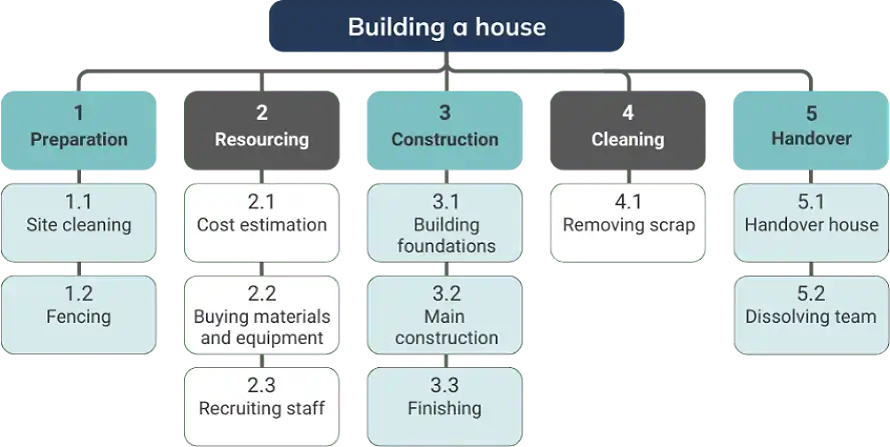
List all the tasks that are necessary to complete the project. Then determine the Select your preferred qualification or workshop.project milestones , and group tasks that make up each milestone into work packages. The process of preparing a comprehensive list of project tasks is known as AIPGF COURSESWork Breakdown StructureSelect your preferred training course below:
- Certification exam(s) where applicable
- Can be time-consuming to create and maintainAccredited training course materials
- Limited ability to show detailed task dependencies and resource allocation.Expert, experienced trainers to support you
Task listsCourse manual where applicable.
When to use task lists
Task lists are often used in project management as a basic tool for organising and tracking project activities. They can be useful in the early stages of a project, or as a supplement to more advanced scheduling techniques. Task lists are appropriate to use when the project is relatively simple, and the team members are familiar with the tasks.SELF-PACED ONLINE TRAINING COURSES
Benefits for small projectsSelf-paced online training courses (e-learning) include:
- Simple to develop and maintainCertification exam(s) where applicable
- Facilitate clear communication of responsibilitiesAccredited training course materials
- Allow quick changes and revisions.Support from expert, experienced trainers
CalendarsLatest educational technology.
Uses in project scheduling
Calendars are often used in project management to help visualise and plan the timeline of a project. They can be used to track important project dates, such as milestones, deadlines, and deliverables. Calendars can also be used to provide an overall view of the project’s timeline.BUSINESS SOLUTIONS
Limitations of calendar-based scheduling
- Inadequate representation of task dependencies
- May lack necessary detail for more intricate projectsTO HELP ORGANISATIONS IMPROVE
- Challenges in depicting tasks with varying durations.We offer solutions to help improve team performance including:
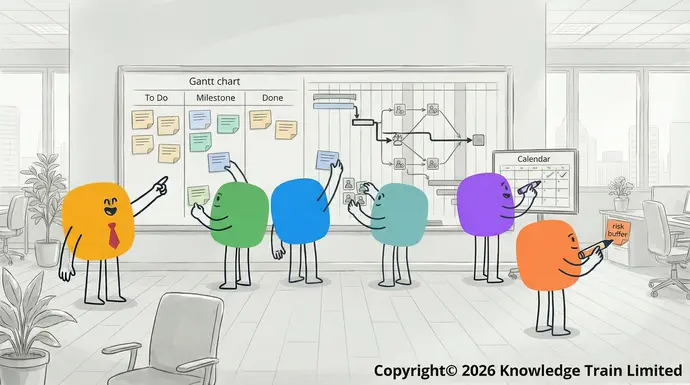
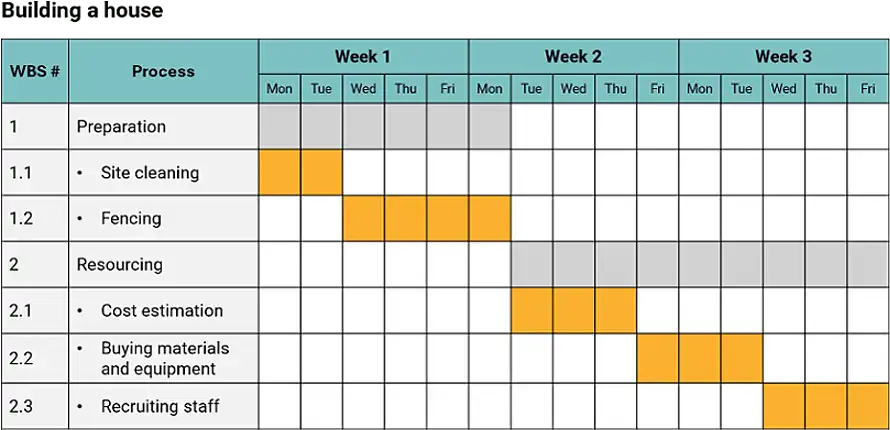
Project scheduling techniques are an essential aspect of project management and choosing the right technique can greatly impact the success of a project. By understanding the advantages and limitations of each technique, as well as when and where to use them, Consultancy servicesproject managersStaff development can effectively create and manage project schedules. Combining multiple techniques, such as using a Gantt chart to track progress and a calendar to visualise the timeline, can also be a useful strategy for managing project schedules.Compliance training
Advanced scheduling conceptsApprenticeship training
The more complex the Custom e-Learning developmentproject , the more benefit can be gained from advanced scheduling techniques. CPM and CCPM are methods to take your project planning to the next level.
Critical Path Method (CPM)Find out more
Definition and importance
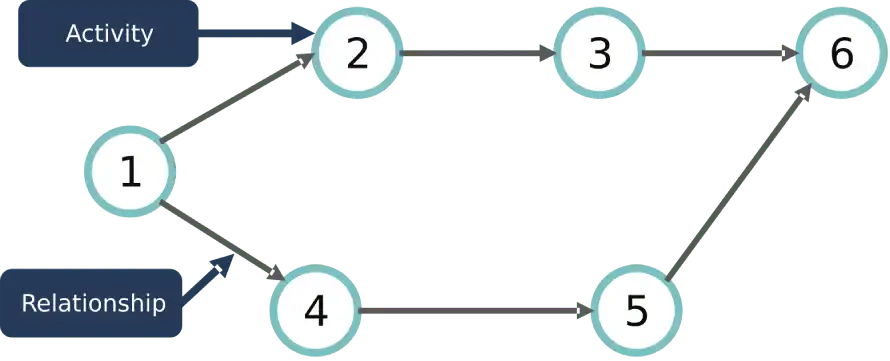
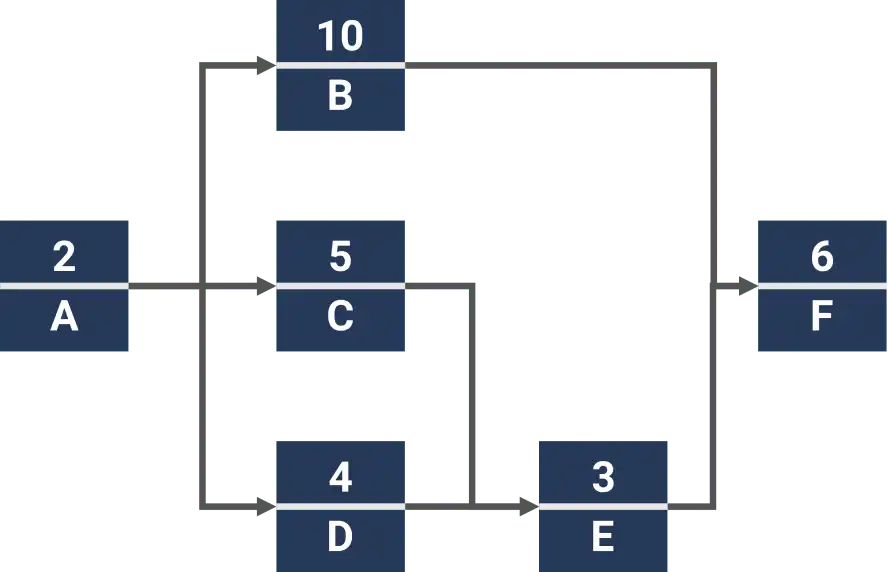
The Critical Path Method (CPM) is a project management technique used to identify the longest path of dependent tasks in a project schedule. The critical path determines the minimum project duration.
Identifying the critical path
To identify the critical path, follow these steps:CONTACT US
- List all tasks and their dependencies
- Estimate the duration of each task
- Calculate the earliest start and finish times for each task
- Determine the latest start and finish times without delaying the project
- Identify tasks with zero float (slack time).
Critical Chain Project Management (CCPM)Name
Resource-based approach
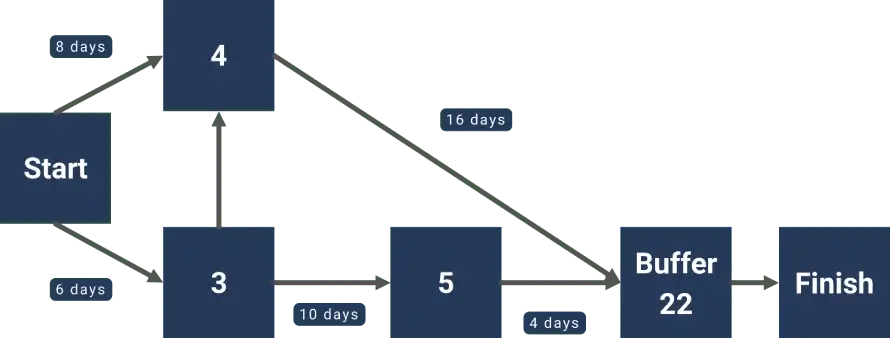
Critical Chain Project Management (CCPM) is a method that focuses on resource-based scheduling. It considers both task dependencies and resource constraints to optimise project schedules.
Differences from Critical Path MethodEmail
- CCPM considers resource constraints, while CPM focuses solely on task dependencies
- CCPM uses buffer time at the project level, rather than padding individual tasks
- CCPM aims to reduce multitasking and encourage early task completion.Phone
Both methods can provide useful insights for optimising project schedules and enhancing overall project management efficiency.
Tools for project scheduling
If you’re going to be doing project scheduling on a regular basis, you might find it useful to consider using specialist software to help you with this. A quick search online will pull up a range of tools. Some popular options include:How can we help?
Project management software options
- Jira : SubmitAgile project management software with customisable workflows and reporting.
- Microsoft ProjectOUR VALUES: Software for creating detailed project schedules and resource management.Our 6 core values are everything we do. They include:
- Other popular optionsIntegrity: Trello, Asana, Basecamp, etc. All these offer various levels of functionality and can accommodate a range of project sizes.Diversity
Key features to look for in scheduling softwareFairness
When it comes to choosing a scheduling software, there are some key features that you should ensure it has. Here are some of the most critical ones:Quality
- Gantt chart creation and customisationInnovation
- Resource managementSocial responsibility
- Task dependencies
- Real-time collaborationSOCIAL RESPONSIBILITY
- Integration with other business toolsSome of the charities we have helped over the years:
- Reporting and analytics.
If you can find a tool that covers all these bases, you’ll be well on your way to more streamlined and effective project scheduling.
Lithuania
Scope creep can easily affect the schedule by adding new requirements into a project that are not fully evaluated and understood, that require uncommitted resources, or that are not approved.Luxemburg
Resource conflictsMalta
Resource allocation problems are common on projects where the same resources are shared among multiple projects and activities. To resolve resource overallocation or conflicts, we can use Netherlandsresource levellingPoland techniques to smoothen the demand for resources.Portugal
Unexpected risks and issuesRomania
Issues can unexpectedly appear despite your best-planned schedules. Prepare a detailed Slovakiarisk management planSlovenia that will help you address potential problems and issues on time.Spain
If you identify these issues and incorporate the ways to mitigate them into your project management process, you will become a better scheduler, and your projects will reach completion more successfully.Sweden
ConclusionOther countries
Project schedulingHome is a vital aspect of successful project managementAgile