
IntroductionHow do you compare programme and project management?
Project scheduling is an integral part of effective project managementHow do you plan for a project or programme?. Project scheduling includes the development of a project timeline, including tasks, resources, and milestones, that is necessary to ensure a project’s successful completion. A solid schedule can provide a roadmap for project execution, allowing project managers to allocate resources, monitor progress and recognise potential issues in advance.Is PRINCE2 suitable for programme management?
In the modern workplace, having an edge in project scheduling is vital to the successful delivery of projects within the time and budget constraints. In this article, we will explore the fundamentals of project scheduling. We will discuss key concepts, techniques, and best practices for project scheduling. In addition, we will analyse the challenges commonly faced in project scheduling and review tools and software solutions that can simplify and optimise the process.What are program management issues?
Understanding project scheduling
What is a project schedule?
A What are the benefits of a programme structure?project schedule is a detailed document that outlines the timeline of tasks and milestones that must be completed to accomplish the project. It acts as a roadmap for project execution and monitoring.
Components of a project scheduleWhat are the characteristics of program management?
- Tasks and activities
- Duration and deadlines
- Resource allocationWhat are the key elements of program management?
- Dependencies and constraints
- Milestones and deliverables.
Difference between project schedule and project planWhat does program management mean?
A project What is a group of projects called?plan is a more comprehensive document that encompasses the schedule, as well as other project aspects such as scope, budget, and resources. The project schedule, on the other hand, focuses on the time aspect, including task sequencing and deadlines.
Benefits of using a project scheduleWhat is a program vs project life cycle?
- Provides clarity and direction : A project schedule offers a clear path for project execution, ensuring that all team members are aware of their responsibilities and deadlines.
- Improves time managementWhat is a typical program management structure?: A schedule helps to prioritise tasks and allocate time efficiently, reducing the risk of missing deadlines.
- Allows efficient resource allocation : A project schedule enables the optimal distribution of personnel, equipment, and materials across project tasks.What is an example of program management?
- Helps in effective risk management : A project schedule helps to identify potential bottlenecks, and resource conflicts in advance, allowing for timely risk mitigation.
By utilising these advantages, What is difference between project and program management?project managers can significantly improve the chances of project success and timely delivery.
Six steps to create a project scheduleWhat is programme or project risk?
A project schedule is a comprehensive document that outlines a project’s timeline. It is one of the most important project management tools. Scheduling is one of the key tasks in project management. To help you along, here are six steps that will allow you to create a solid schedule for your project.
1. Define tasks and milestones
List all the tasks that are necessary to complete the project. Then determine the What is the difference between programme & project management?project milestones , and group tasks that make up each milestone into work packages. The process of preparing a comprehensive list of project tasks is known as Work Breakdown StructureWhat is the difference between project and programme management? (WBS).
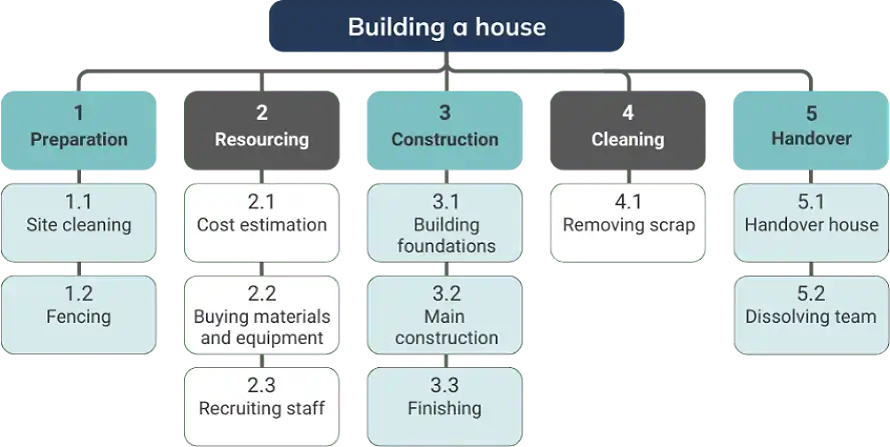
- List all required tasks
- Determine project milestonesWhat is the purpose of program management?
- Group related tasks into work packages.
2. Sequence activities
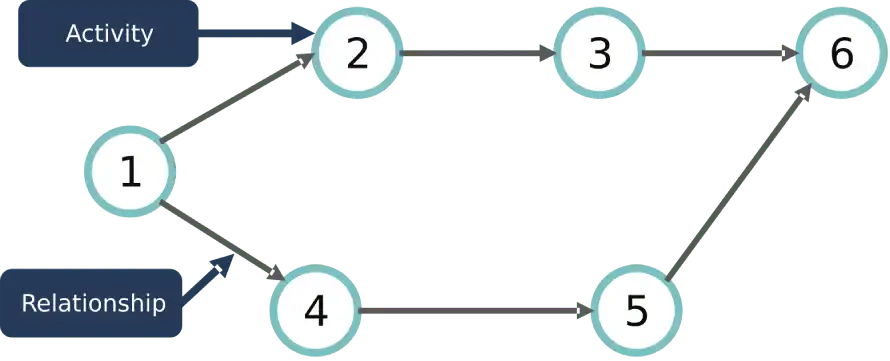
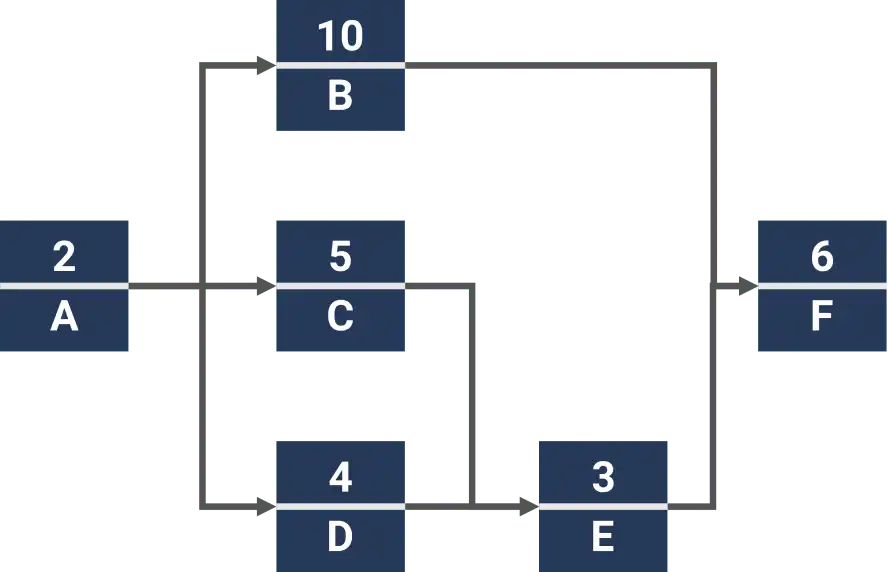
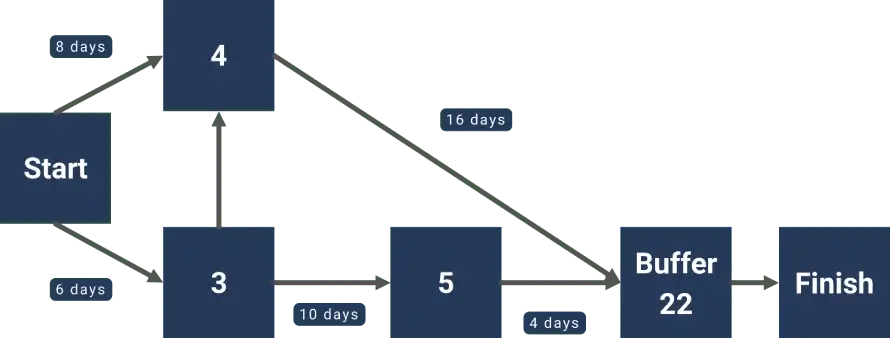
Sequence the tasks, establishing the order in which the work will be performed. Use a What is the scope of program management?network diagram to visualise the dependencies and the critical path. See all
3. Estimate task durationsProgramme management FAQs
Estimate the time required for each task, then assign the estimates to each task. For more accurate results, ask your team members to help, and make use of the historical data for tasks of a similar nature to the ones in the current project. As a rule of thumb, provide three-point estimates{"@context":"https://schema.org","@graph":[{"@type":"Organization","@id":"https://www.knowledgetrain.co.uk/#organization","name":"Knowledge Train","url":"https://www.knowledgetrain.co.uk/"},{"@type":"WebSite","@id":"https://www.knowledgetrain.co.uk/#website","url":"https://www.knowledgetrain.co.uk/","name":"Knowledge Train","publisher":{"@id":"https://www.knowledgetrain.co.uk/#organization"},"inLanguage":"en-GB"},{"@type":"WebPage","@id":"https://www.knowledgetrain.co.uk/programme-management/programme-management-faqs/what-are-the-key-elements-of-program-management/#webpage","url":"https://www.knowledgetrain.co.uk/programme-management/programme-management-faqs/what-are-the-key-elements-of-program-management","name":"What are the key elements of program management? | Knowledge Train","datePublished":"2026-03-18T12:59:27+00:00","dateModified":"2026-03-18T12:59:27+00:00","isPartOf":{"@id":"https://www.knowledgetrain.co.uk/#website"},"inLanguage":"en-GB"},{"@type":"Person","@id":"https://www.knowledgetrain.co.uk/author/knowledgetrain","name":"Simon Buehring","url":"https://www.knowledgetrain.co.uk/author/knowledgetrain","image":{"@type":"ImageObject","@id":"https://www.knowledgetrain.co.uk/training-courses/simon-96x96-2-96x96.webp","url":"https://www.knowledgetrain.co.uk/training-courses/simon-96x96-2-96x96.webp","caption":"Simon Buehring","inLanguage":"en-GB"},"sameAs":["https://www.knowledgetrain.co.uk/about/simon-buehring"],"worksFor":{"@id":"https://www.knowledgetrain.co.uk/#organization"}},{"@type":"Article","headline":"What are the key elements of program management? | Knowledge Train","datePublished":"2026-03-18T12:59:27+00:00","dateModified":"2026-03-18T12:59:27+00:00","author":{"@id":"https://www.knowledgetrain.co.uk/author/knowledgetrain","name":"Simon Buehring"},"publisher":{"@id":"https://www.knowledgetrain.co.uk/#organization"},"description":"Click to read this PRINCE2 frequently asked question: What are the key elements of program management?","name":"What are the key elements of program management? | Knowledge Train","@id":"https://www.knowledgetrain.co.uk/programme-management/programme-management-faqs/what-are-the-key-elements-of-program-management#richSnippet","isPartOf":{"@id":"https://www.knowledgetrain.co.uk/programme-management/programme-management-faqs/what-are-the-key-elements-of-program-management/#webpage"},"inLanguage":"en-GB","mainEntityOfPage":{"@id":"https://www.knowledgetrain.co.uk/programme-management/programme-management-faqs/what-are-the-key-elements-of-program-management/#webpage"}}]}:
- Optimistic estimate{"@context":"https://schema.org","@type":"Question","name":"What are the key elements of program management?","text":"What are the key elements of program management?","acceptedAnswer":{"@type":"Answer","text":"The key elements of program management include: \n\nGoal Setting: Establishing goals and objectives for the program.\nResource Management: Identifying and managing resources needed to complete the program.\nRisk Management: Assessing and managing potential risks associated with the program.\nScheduling: Developing timelines and deadlines for the program.\nBudgeting: Establishing and managing budgets for the program.\nQuality Assurance: Establishing quality control measures for the program.\nCommunication: Communicating with stakeholders, team members, and other departments.\nReporting: Developing and delivering reports on the progress of the program.\n","dateCreated":"2026-03-18T12:59:27+00:00"},"author":{"@type":"Person","name":"Simon Buehring"},"dateCreated":"2026-03-18T12:59:27+00:00","dateModified":"2026-03-18T12:59:27+00:00","datePublished":"2026-03-18T12:59:27+00:00","mainEntityOfPage":{"@type":"WebPage","@id":"https://www.knowledgetrain.co.uk/programme-management/programme-management-faqs/what-are-the-key-elements-of-program-management"}}
- Most likely estimate
- Pessimistic estimate.Programme Management related articles
4. Assign resources
Identify the resources needed for each task, then assign them to the relevant tasks. Be sure to consider team members’ skills and experience, availability and current workloads.
5. Finalise the schedule
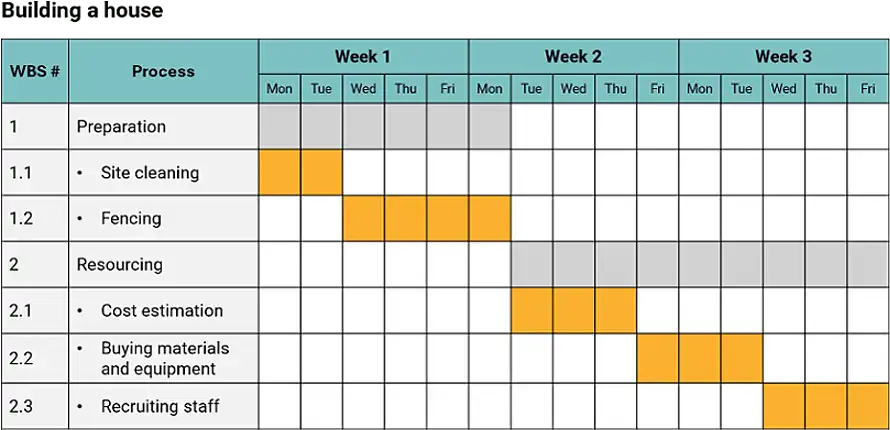
Confirm the draft schedule with the stakeholders and finalise it. Be sure that the schedule is realistic and it meets the project’s objectives and constraints and use the scheduling software to create a Gantt chart (or another visual representation).
6. Share and monitor progress
Share the finalised schedule with the team members and stakeholders and track and report on the progress. Consider using Programmesproject management software for real-time updates and collaboration.Simon Buehring
- Set up regular progress meetings27 Apr 2026
- Encourage team members to report the task completions as soon as they are done
- Update the schedule if necessary to account for the actual progress.Learn about the strategic value of managing programmes within organizations to achieve broad change. Discover more about our approach to programme management.
With these steps, you can create a comprehensive project schedule that will guide your team to successful project completion.
- Contact us with questions about the courses on this page, or about which project management certification or training is best for you.
- Reporting and analytics.Finance FAQs
If you can find a tool that covers all these bases, you’ll be well on your way to more streamlined and effective project scheduling.Contact
Best practices for effective project scheduling to boost your career.
As with all things, there are several best practices you can follow that will help you improve the quality of your project scheduling. Here are some of the most important ones:PRINCE2
Collaborate with team members®
Get your team involved in the scheduling process. Their input can be invaluable in terms of providing more accurate estimates for task durations and helping you to identify potential issues. This approach can also be helpful in terms of getting your team to , MSPbuy-in® to the schedule., ITIL
Break large tasks into smaller, manageable pieces
Break complex tasks into smaller and more manageable subtasks. This method, called ®Work Breakdown Structure, P3O (WBS), makes it easier to estimate the time, track progress, and allocate resources.®
Consider dependencies and constraints, PRINCE2
Identify and document all task dependencies and project constraints. This will help you to avoid scheduling conflicts and ensure that activities are logically sequenced.®
Build in buffer time for unexpected delays Agile, RESILIA
Include ®buffer time, and the Swirl logo are registered trademarks of the PeopleCert group. Used under licence from PeopleCert. All rights reserved. AgilePM in your schedule to account for potential delays and unforeseen events. This will give you more flexibility in your schedule and help to avoid missed deadlines.®
Regularly update and communicate schedule changes and AgileBA
Update your schedule regularly and communicate any changes to stakeholders. Schedule ®reviews are registered trademarks of Agile Business Consortium Limited. All rights reserved. The APMG International AgilePM and Swirl Device logo, APMG International AgileBA and Swirl Device Logo, APMG International Change Management and APMG International Better Business Cases and Swirl Device logo are trademarks of The APM Group Limited, used under permission of The APM Group Limited. All rights reserved. Better Business Cases™ is a trademark of Her Majesty’s Treasury. All rights reserved. DevOps Foundation are a critical part of the overall scheduling process and can help you to identify potential problems early on.®
Following these best practices will help you to create better project schedules and ultimately lead to better project outcomes. is a registered mark of the DevOps Institute. “PMI”, “PMBOK
FAQsPreferences
How often should I update my project schedule?
Your schedule should be updated on a regular basis, ideally weekly or after major milestones or changes.
What’s the difference between a milestone and a task in project scheduling?
A task is a specific work item, while a milestone is a significant point or event in the project.
How can I handle unexpected delays in my project schedule?
Reassess priorities, reallocate resources if necessary and communicate changes to stakeholders as soon as possible.
The technical storage or access is necessary for the legitimate purpose of storing preferences that are not requested by the subscriber or user.
How do I prioritise tasks within a project schedule?
Consider dependencies, resource availability and overall impact on project objectives.