
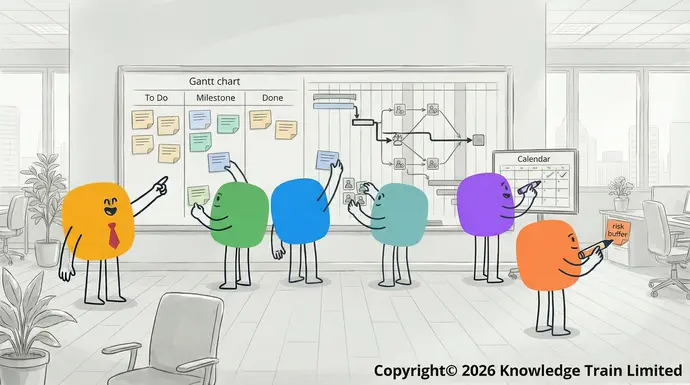
agile project management courseA project schedule to boost your career. is a detailed document that outlines the timeline of tasks and milestones that must be completed to accomplish the project. It acts as a roadmap for project execution and monitoring.PRINCE2
Components of a project schedule®
- Tasks and activities
- Duration and deadlines
- Resource allocation
- Dependencies and constraints
- Milestones and deliverables.
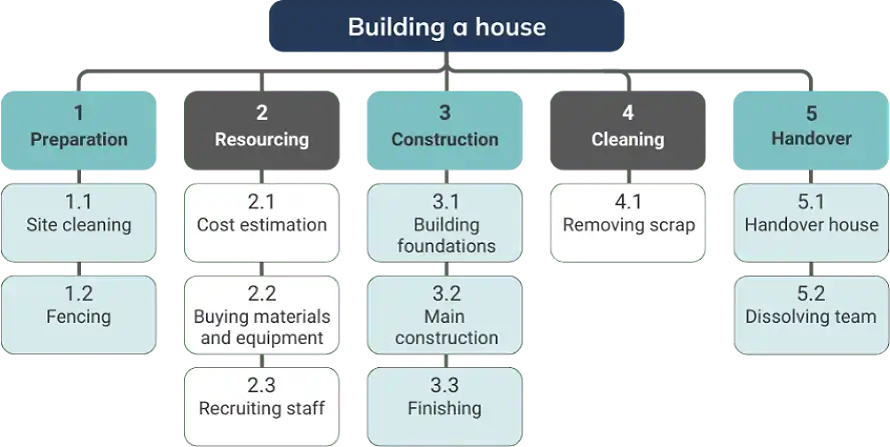
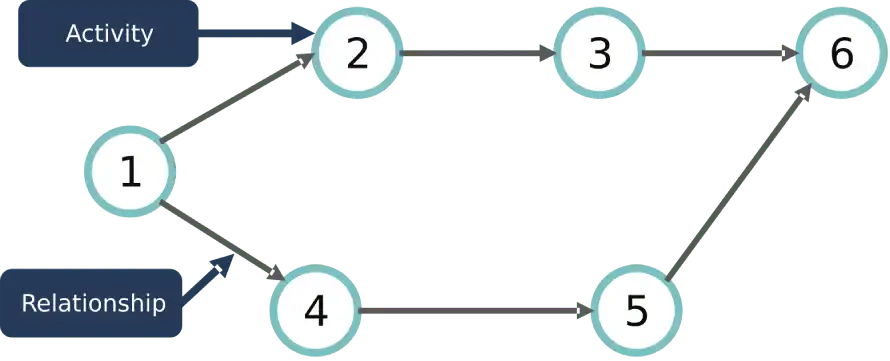
Identify the resources needed for each task, then assign them to the relevant tasks. Be sure to consider team members’ skills and experience, availability and current workloads.
5. Finalise the scheduleFunctional
Confirm the draft schedule with the stakeholders and finalise it. Be sure that the schedule is realistic and it meets the project’s objectives and constraints and use the scheduling software to create a Gantt chart (or another visual representation).
6. Share and monitor progress
Share the finalised schedule with the team members and stakeholders and track and report on the progress. Consider using Functionalproject management software for real-time updates and collaboration. Always active
- Set up regular progress meetings
- Encourage team members to report the task completions as soon as they are done
- Update the schedule if necessary to account for the actual progress.
With these steps, you can create a comprehensive project schedule that will guide your team to successful project completion.
Project scheduling techniques
There are several techniques available for the effective creation and management of project schedules. Some of these techniques include Gantt charts, task lists, and calendars. This knowledge train will cover the definition and purpose of each of these techniques, the advantages and limitations of using each, when it is appropriate to use each, and benefits for smaller projects. The knowledge train aims to provide a comprehensive understanding of project scheduling techniques to help project managers make informed decisions about which techniques to use for their projects.
Gantt chartsStatistics
Definition and purpose
A Gantt chart is a type of bar chart that is commonly used in project management to visually represent a project schedule. It shows the start and end dates of project tasks, as well as their duration, as horizontal bars along a timeline. Gantt charts can also be used to display the dependencies between tasks.Statistics
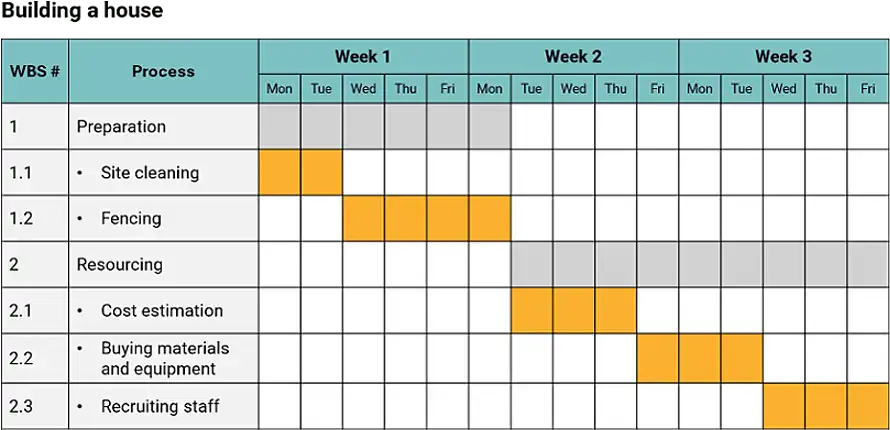
Advantages and limitations
Advantages
- Provides a visual representation of task dependencies
- Simplifies the identification of the critical path
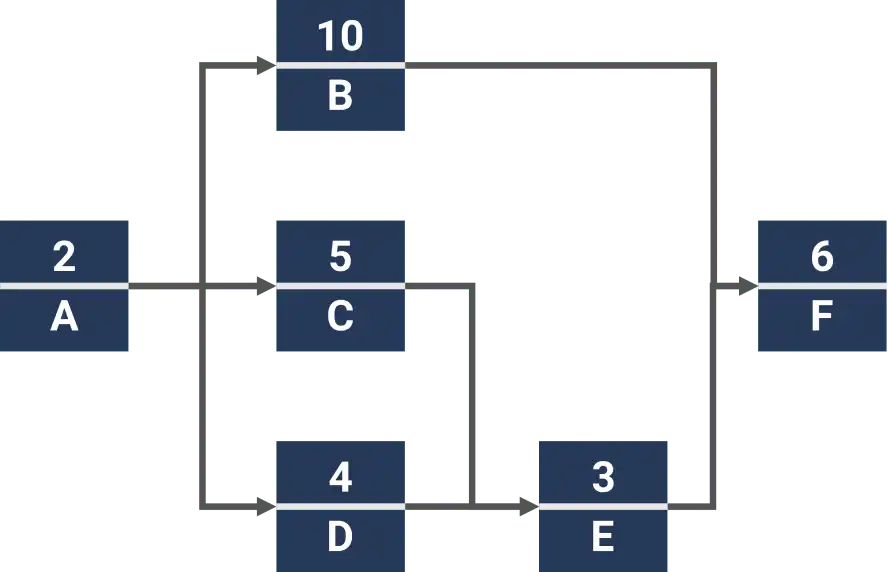
Critical Chain Project Management (CCPM) is a method that focuses on resource-based scheduling. It considers both task dependencies and resource constraints to optimise project schedules.
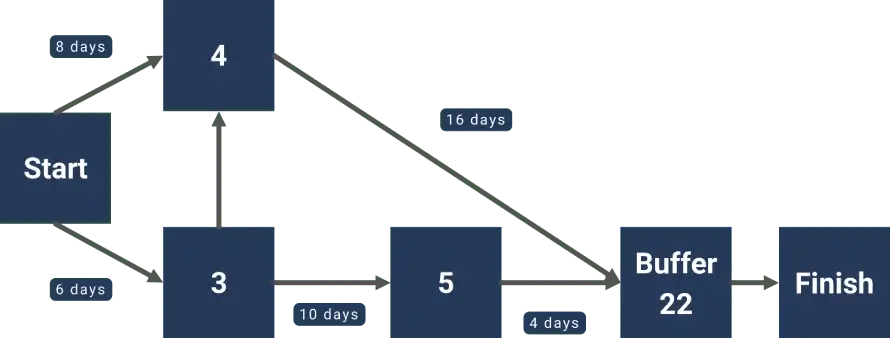
Differences from Critical Path Method{title}
- CCPM considers resource constraints, while CPM focuses solely on task dependenciesManage Consent
- CCPM uses buffer time at the project level, rather than padding individual tasks
- CCPM aims to reduce multitasking and encourage early task completion.To provide the best experiences, we use technologies like cookies to store and/or access device information. Consenting to these technologies will allow us to process data such as browsing behavior or unique IDs on this site. Not consenting or withdrawing consent, may adversely affect certain features and functions.
Both methods can provide useful insights for optimising project schedules and enhancing overall project management efficiency.
Tools for project scheduling
If you’re going to be doing project scheduling on a regular basis, you might find it useful to consider using specialist software to help you with this. A quick search online will pull up a range of tools. Some popular options include:
Project management software options
- JiraFunctional: Agile project management software with customisable workflows and reporting.
{title}project management{title}. By grasping key concepts, using the right tools and following best practices, project managers can create effective schedules. Developing strong scheduling skills will lead to better resource allocation, Manage consentrisk Manage consentmanagement and overall project success. Keep refining your techniques and you’ll be well on your way to learning the art of project scheduling.
FAQs
How often should I update my project schedule?
Your schedule should be updated on a regular basis, ideally weekly or after major milestones or changes.
What’s the difference between a milestone and a task in project scheduling?
A task is a specific work item, while a milestone is a significant point or event in the project.
How can I handle unexpected delays in my project schedule?
Reassess priorities, reallocate resources if necessary and communicate changes to stakeholders as soon as possible.
Is it better to use software or manual methods for project scheduling?
Software is usually more efficient and accurate, particularly for complex projects.
How do I prioritise tasks within a project schedule?
Consider dependencies, resource availability and overall impact on project objectives.