Knowledge and : Acquiring the necessary information and skills.costAbility. Let’s have a detailed look at each of these.: Implementing new skills and behaviours.
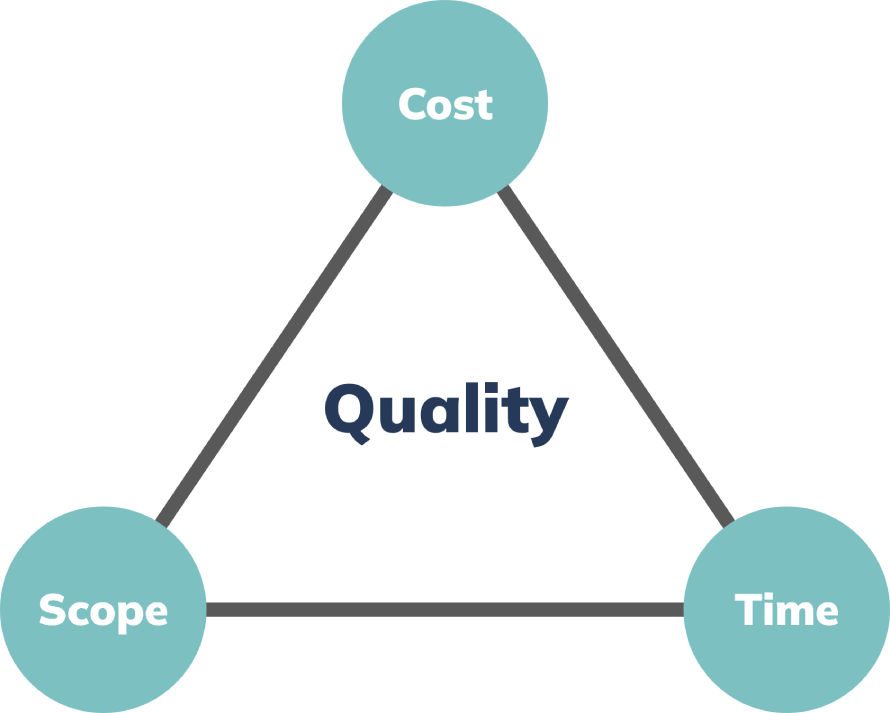
- ScopeReinforcement: Scope refers to the boundaries, objectives and deliverables of a project. It includes the goals and requirements of the project, as well as the specific features, functionalities and quality standards.: Sustaining the change over time.
- TimeThese elements work in sequence, with each building upon the previous ones. For instance, it’s difficult to create genuine desire for change without first establishing awareness of why the change is needed. Similarly, knowledge can only be effectively absorbed once someone has the desire to learn. This sequential nature is crucial for successful implementation.: The time constraint of a project refers to its duration and schedule. It involves factors such as the project start and end dates, milestones and deadlines, as well as the sequencing and dependencies of tasks.This model’s purpose is to facilitate a smooth transition by focusing on the psychological aspects of change. By addressing these individual milestones, the ADKAR model reduces stress and enhances overall productivity. Its structured approach ensures that all critical elements of change are methodically covered, minimising confusion. Consequently, organisations can navigate the challenges of transformation with greater confidence and success.
- CostIn summary, the ADKAR model serves as a comprehensive guide for : The cost constraint relates to the financial and resource aspects of a project. This includes the budget allocated to the project as well as the human resources and labour costs, and equipment and material expenses.managing change
Relationship between constraints. It aligns with the psychological needs of individuals, ensuring that change is not only implemented but also sustained effectively.
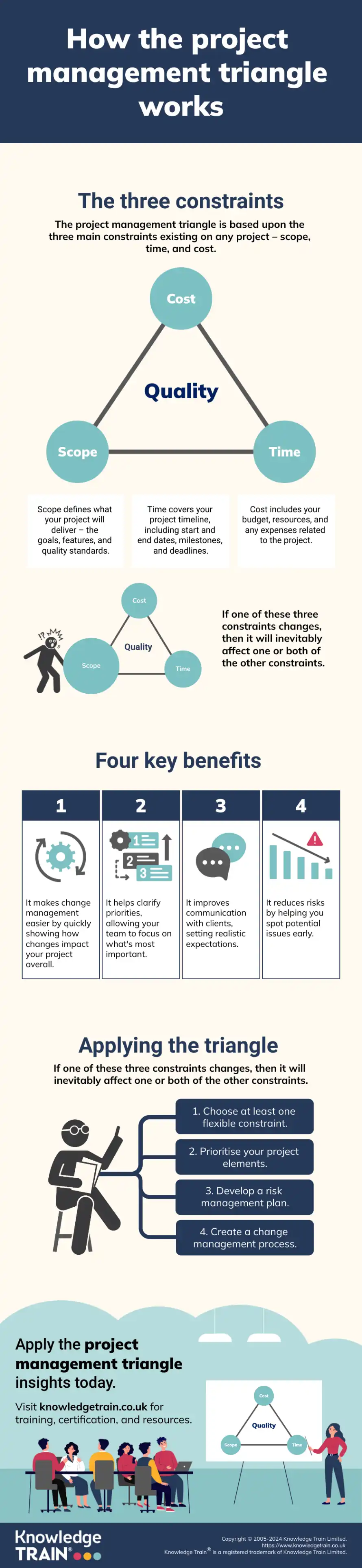
The three constraints of scope, time and cost are interconnected and can impact each other. Changes to one constraint will likely influence the other constraints. For example, an increase in scope will often require additional time and resources, whereas a reduction in time may increase costs or decrease scope. Similarly, a reduction in budget may affect the project scope or timeline.The five elements of the ADKAR model
Project managersElement 1: Awareness must carefully balance these constraints throughout the project lifecycle.The
Impact on project qualityAwareness
The balance of scope, time and cost also has an impact on the element is foundational in the ADKAR model. It ensures individuals recognise the necessity for change, setting the stage for subsequent actions. Without awareness, employees may resist or misunderstand the change initiative, leading to challenges in implementation.qualityImportance of awareness of the project outcomes. If the three constraints are well-balanced, the project is more likely to achieve high-quality results. On the other hand, if there is an imbalance in any of the constraints, the quality of the project may be compromised. For example:Awareness is crucial as it creates a shared understanding of the change. It clarifies the reasons behind the shift, reducing anxiety and speculation. This understanding is vital for aligning individual goals with organisational objectives. When employees comprehend the need for change, they are more inclined to support it. This support eases the transition and lays a solid groundwork for the next elements.
- A tight deadline may lead to a rushed project, resulting in lower quality outputs.Strategies to build awareness
- A limited budget may result in a project being understaffed or under-resourced, which may also affect quality.Effective strategies to build awareness include:
- A project with an overambitious scope can strain resources and time, leading to poor results.Consistent communication
Successful project management involves finding the right balance and making trade-offs between the three constraints while maintaining the desired level of quality. By understanding the impact of these constraints on each other, project managers can make informed decisions to lead the : Use diverse channels such as emails, meetings, and digital platforms to convey the change message.projectLeadership involvement to a successful outcome.: Encourage leaders to endorse and communicate the change, enhancing credibility.
Benefits of using the project management triangleVisual aids
Utilising the project management triangle provides some distinct benefits to the project team and stakeholders. These are as follows.: Employ infographics and videos to simplify complex information.
Easier change managementInteractive sessions
The triangle model helps to : Conduct workshops to discuss the change, allowing for questions and feedback.make changes easierThese strategies help reduce uncertainty and foster a positive outlook towards change.. This is because if a change arises, the project managers can easily evaluate how this change will affect the scope, time and cost, decide, as such it helps to quickly evaluate a change request, understand the ripple effects, and make an informed decision on change.Element 2: Desire
Priority clarificationThe
Visualising the three constraints helps to Desireclarify priorities element involves cultivating the motivation to participate in the change. It requires addressing both rational and emotional aspects to inspire individuals to engage willingly.. This will make it possible for the team to quickly identify important elements in the project, direct resources to important tasks and make trade-offs as required based on the project goals.Creating desire for change
Improved client communicationTo inspire desire, organisations can:
The triangle is a helpful Highlight benefitscommunication tool: Clearly articulate the personal and organisational benefits of the change. to both communicate with and educate clients. The project managers can use the triangle to show the project’s constraints to the clients, visualise how changes would affect them, and set realistic expectations regarding project deliverables.Engage employees
Risk reduction: Involve them in planning and decision-making processes to create a sense of ownership.
Utilising the triangle will help in Recognise contributionsmanaging risks: Acknowledge and reward early adopters and change champions to motivate others.. This is possible because this will help the team to predict potential problems earlier in the process, have a contingency plan, and balance the risks in all three constraints.Measuring desire levels
The use of the project management triangle allows for Understanding the level of desire is essential for gauging readiness. This can be achieved through:managersSurveys and feedback to make decisions in a balanced manner. As such, it becomes possible to deal with complex projects with great ease.: Gather input on employee sentiments towards the change.
Managing the project management triangleWorkshops and seminars
Maintaining the balance of the project management triangle requires strategic decisions and careful trade-offs between scope, time, and cost. Here are some tips to help:: Offer hands-on experience and practical insights.
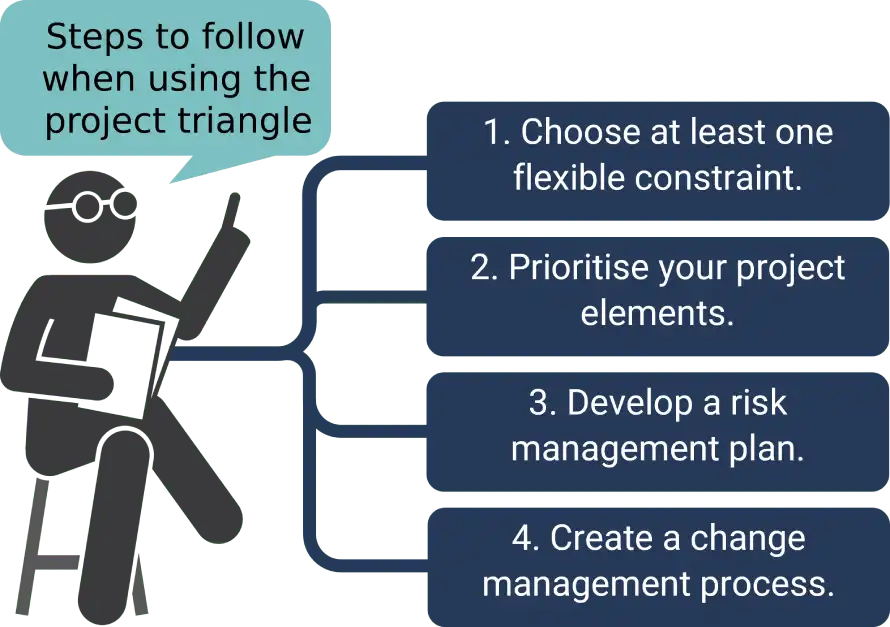
Choose at least one flexible constraintKnowledge repositories
One constraint should be identified as more flexible than the others. This allows some wiggle room when dealing with changes or issues. Ask yourself:: Maintain accessible databases for quick reference.
- Which constraint is easiest or least impactful to change?Peer learning
- Are stakeholders willing to adjust scope, extend deadlines, or increase budget if necessary?: Encourage knowledge sharing through peer networks.
- How will increased flexibility in one constraint impact the other two?These tools ensure that employees have the required knowledge to succeed.
Identifying a flexible constraint up-front allows for better risk management and issue resolution.Element 4: Ability
Prioritise features and requirementsThe
It is important to carefully evaluate the importance of each project deliverable. This will help you focus on what is essential to project success. Create a comprehensive list of features and requirements, then:Ability
- Rank or score each based on value and importance element represents the actual execution of the change – turning knowledge into action. Whilst Knowledge is about understanding how to change, Ability is about demonstrating performance in real-world conditions. This element often requires time for practice, coaching, and feedback as people develop proficiency in new skills or behaviours. Success in this element is measured by actual performance rather than just completing training.
- Clearly define “must-have” vs. “nice-to-have” featuresDeveloping ability
- Leverage prioritisation to inform trade-off decisions.Developing ability involves:
This prioritisation process allows for objective trade-off discussions if needed.Practical training
Develop a risk management plan: Conduct real-world exercises to build confidence.
Proactively identifying and managing risks will help avoid imbalances in the triangle. A Feedback loopsrisk management: Provide constructive feedback to refine skills. planSupportive environment should include:: Create a culture that encourages experimentation and learning.
- Identification of risks that could impact any of the constraintsTraining and support systems
- Risk scoring based on probability and impactTraining and support systems are vital for ability development:
- Detailed contingency plans for high-priority risksOngoing training
- A monitoring process to reassess risks throughout the project.: Offer continuous learning opportunities.
Risk managementAccess to resources ensures prevention of imbalances before they happen.: Ensure availability of tools and materials needed for skill application.
Create a change management planPeer support
Change is inevitable on projects. A : Foster a network of colleagues who can offer assistance and advice.change management planThese systems bolster the ability to adapt successfully. provides a process for considering how changes impact the constraints. A plan should include:Element 5: Reinforcement
- A system for submitting, reviewing, and approving changesThe
- Procedures for assessing change impact on each constraintReinforcement
- Approval thresholds based on change type and size element ensures that changes are sustained over time.
- Communication plans for approved changesSustaining change
A structured change management process helps to prevent imbalances.To sustain change:
Match management methodology to priority constraintsCelebrate successes
The project management methodology used should complement the project’s constraints. Consider:: Recognise achievements to reinforce positive behaviour.
- Waterfall methodologiesContinuous feedback like traditional or predictive project management focus on upfront planning and are best suited for fixed-scope projects where time and cost can be more flexible.: Provide regular updates and feedback to maintain momentum.
- Agile methodologiesAdjust strategies like Scrum or Kanban emphasise iterative development and are best for projects where scope may need to be flexible or change over time.: Be flexible and willing to adapt strategies based on feedback.
- Lean approachesMonitoring progress prioritise efficiency and cost control and are useful when budget is the main constraint.Monitoring progress involves:
Choosing the right approach from the beginning aligns with the key constraints.Performance metrics
Follow the tips above to help manage the project management triangle and balance constraints throughout your project. The most important thing is to continuously monitor and maintain alignment of the three sides. Assess the status of scope, time, and cost regularly to identify imbalances. Be willing to make informed decisions and trade-offs as necessary. And communicate clearly with stakeholders about any changes to plans or constraints.: Track key indicators to assess change impact.
Strategies for balancing constraintsRegular reviews
Managing constraints effectively requires specific strategies for each side of the project management triangle. Here are some tips for balancing scope, time, cost and quality:: Schedule periodic evaluations to identify areas for improvement.
Scope management techniquesFeedback channels
When managing project scope, you can try these tips:: Maintain open lines for employee input and suggestions.
- Define project boundariesThrough reinforcement, organisations can ensure that new behaviours become ingrained, leading to lasting success: Clearly outline the scope of the project and its deliverables at the beginning.Enhance your skills with our expert-led courses
- Scope change control the project scope.Instructor-led
- Monitor for scope creepChange Management Practitioner (with Foundation) course: Regularly review project requirements to ensure they align with the defined scope.
- Prioritisation£1,699 +vat: Use a prioritisation method, such as MoSCoWSee all dates, to determine which features are essential, desirable, optional, or not required.
Time management approaches
When managing project time, you can try these tips:
- Critical pathSelf-paced: Identify the tasks that must be completed on time for the project to stay on schedule.Change Management Practitioner (with Foundation) self-paced online
- Resource leveling : Optimise the use of resources to avoid overloading or underutilisation.£1,299 +vat
- Timeboxing : Set a fixed time period for specific tasks or project phases.
- Agile sprints : Break the project into short, focused work cycles with specific goals.Self-paced
Cost control methodsChange Management Foundation self-paced online
When managing project cost, you can try these tips:
- Earned value management£799 +vat: Track the project’s progress in relation to its budget and schedule.
- Cost baseline
- Ability: Mobile applications or responsive interfaces for on-the-go project management.: Develop capabilities that are necessary for meeting long-term objectives.
With the right tool and these essential features, project managers will be in a much better position to maintain the constraints of the project management triangle. Software solutions can enhance project visibility, foster better communication and support data-driven decisions throughout the project lifecycle.Reinforcement
in deliverables.
Solutions
- Establish and communicate clear quality standards at the beginning of the project.Self-paced
- Implement regular quality checks throughout the project lifecycle.Change Management Practitioner (with Foundation) self-paced online
- Involve stakeholders in continuous feedback loops.
- Allocate resources for testing and quality assurance processes.£1,299 +vat
With preparation of ways to address these hurdles, you will be one step closer to coping with the strain on the project management triangle. Keep in mind that this is where some creative strategising can help you maintain control of all these factors. It’s good to frequently ask “how are things going” and be willing to switch things around to keep them in balance.
Best practices for implementing the project management triangle
Best practices for implementing the project management triangle include the following:
Stakeholder communicationSelf-paced
One of the most important aspects of effectively implementing the project management triangle is Change Management Foundation self-paced onlinecommunicating with stakeholders. Project managers should communicate regularly with stakeholders to keep them informed and manage their expectations. It can also help to keep stakeholders engaged and on board with the project. There are several best practices for communicating with stakeholders, including the following:£799 +vat
- Schedule regular meetings with stakeholders to discuss the project.Subscribe to our exclusive offers and promotions
- Provide stakeholders with a visual representation of the triangle. This can help them to understand the trade-offs that are being made.
- Use plain language when communicating with stakeholders. Avoid jargon and technical terms that may be confusing.Subscribe now
- Encourage stakeholders to ask questions and share their concerns.
Regular monitoring and adjustments
Another important aspect of the project management triangle is {"@context":"https://schema.org","@type":"ImageObject","contentUrl":"https://www.knowledgetrain.co.uk/training-courses/change-management-model-adkar-infographic-890x501.webp","description":"ADKAR change management model.","license":"https://www.knowledgetrain.co.uk/license","acquireLicensePage":"https://www.knowledgetrain.co.uk/license","creditText":"Knowledge Train","uploadDate":"2023-05-16T09:46:07.000Z","copyrightNotice":"© 2023 Knowledge Train Limited. All rights reserved.","creator":{"@type":"Organization","name":"Knowledge Train","url":"https://www.knowledgetrain.co.uk"}}monitoring and adjusting . Project managers need to keep a close eye on the project and make adjustments as needed to keep it on track. There are several best practices for monitoring and adjusting, including the following:{"@context":"https://schema.org","@type":"ImageObject","contentUrl":"https://www.knowledgetrain.co.uk/training-courses/res/images/change-management/adkar-model-change-management-800x2922.webp","description":"ADKAR change management infographic.","license":"https://www.knowledgetrain.co.uk/license","acquireLicensePage":"https://www.knowledgetrain.co.uk/license","creditText":"Knowledge Train","uploadDate":"2023-05-16T09:46:07.000Z","copyrightNotice":"© 2023 Knowledge Train Limited. All rights reserved.","creator":{"@type":"Organization","name":"Knowledge Train","url":"https://www.knowledgetrain.co.uk"}}
- Use a tracking system to monitor the project. This will help you to keep track of progress and adjust as needed.
- Review the project plan on a regular basis. This will help you to stay on track and make changes as necessary.Related articles
- Adjust the plan when necessary. If you find that you are off track, you can always make adjustments to get back on track.
- Decisions based on information to revise project plans.
Team collaboration and accountability
Project managers can also foster collaboration and teamwork among team members by holding them accountable for their part of the work. When team members know that they will be held accountable for their work, they are more likely to collaborate with others to complete the project successfully. There are several best practices for collaborating and holding team members accountable, including the following:
- Assign clear roles and responsibilities to each team member. This will help everyone to understand what they need to do and be held accountable for their part of the project.
- Encourage team members to collaborate with each other. This can be done by setting up regular team meetings and encouraging team members to communicate with each other.
- Track team members’ progress and hold them accountable for their work. This can be done by regularly reviewing each team member’s progress and providing feedback.
- Recognise and reward efforts that support successful constraint management.
Continuous improvement
Adopt a culture of continuous improvement when working with the project triangle.
- Review the project after completion to determine lessons learned
- Evaluate what worked and didn’t work for finding the balance between the constraintsChange management skills
- Promote team members to share ideas for process improvements
- Stay updated on emerging project management methodologies and tools.Simon Buehring
Incorporating these best practices can help project managers to learn the project management triangle. However, success will depend on dedication, flexibility, and the ability to learn from both successes and failures.19 Feb 2026
Applying the project management triangle
To help us see how we can do this, it’s worth looking at some examples of best practice in real-world situations. We will take three case studies below and see how things were managed in each of them.Discover the essential skills required for effective change management and how they apply to unique organizational contexts. Read further for detailed insights.
Large-scale IT project
A global corporation launched a worldwide ERP implementation . The Project Manager in this case struggled to ensure the best balance between the different project triangle dimensions.
Key measures include prioritised the most important core functionalities to manage scope, implemented a phased rollout to manage time and cost constraints, and utilised change management processes to assess and evaluate new requirements.
Result