PMO structure is a project management software that is catered to freelancers and small teams that need basic project tracking functionality. The free plan offers many basic features useful for smaller projects.

Key takeawaysHighly visual and intuitive interface
A PMO should be designed to fit the organisation and the level of control needed.Scalable and adaptable for different team sizes and industries
- PMOs can operate at portfolio, programme and project levels, and may be permanent, temporary, or mixed.Strong automation and integration capabilities.
- There is no one-size-fits-all model, so structure should reflect culture, goals, resources and policies.Cons
- Effective PMOs provide an independent critical eye through scrutiny, reporting, and challenge on risks, issues and change.Can become expensive for larger teams
- Common reporting standards and dashboards strengthen governance and make progress transparent to senior decision-makers.Some users may find the interface too “busy” or colorful
- Clear roles, from PMO head to specialists and officers, help avoid overlaps, manage dependencies, and improve delivery discipline.Learning curve for more complex customisations.
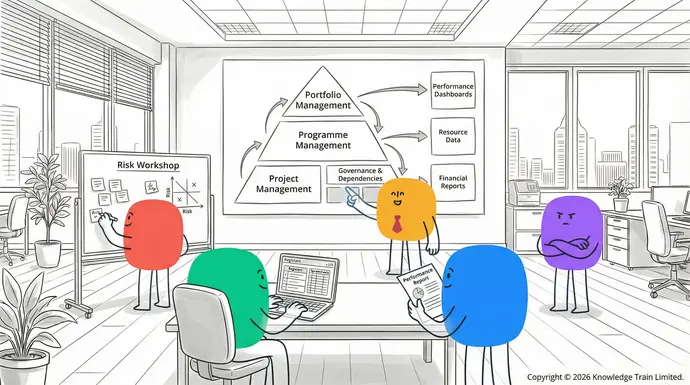
IntroductionCan be overwhelming due to its many features
There are 4 levels at which a PMO can operate:Higher price point compared to some competitors.
- Enterprise level – EPMO (Pricingportfolio managementPlans start at $7 per user per month (annual billing));Celoxis
- Division level (portfolio management and programme management);Celoxis
- Business unit level ( is a project management platform that is designed for mid-sized to large businesses. It offers a comprehensive set of features for project and portfolio management and can be deployed either as a cloud-based or on-premises solution.programme managementKey features and Resource management and capacity planningproject managementFinancial management and budgeting);Custom fields and workflows
- Project level (project management).Interactive Gantt charts
Within each of these levels, the Client portal for stakeholder collaboration.PMO structurePros which is set up maybe permanent, temporary, or a combination of the two.All-in-one solution for project and
A key point about PMOs is that there is no one-size-fits-all approach which works for all organisations. Every organisation has its own structure, culture, business goals, resources, policies and unique circumstances. When designing a suitable PMO structure, it is important to consider all these factors.portfolio management
P3O model exampleStrong financial tracking and forecasting features
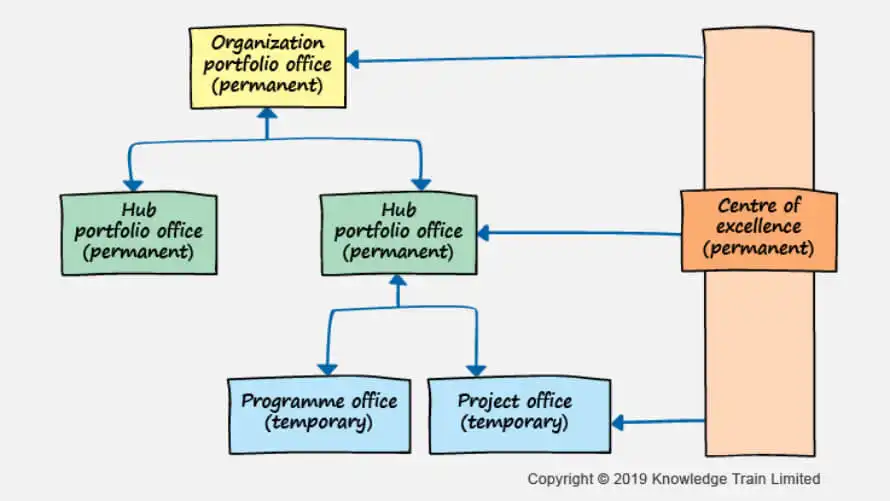
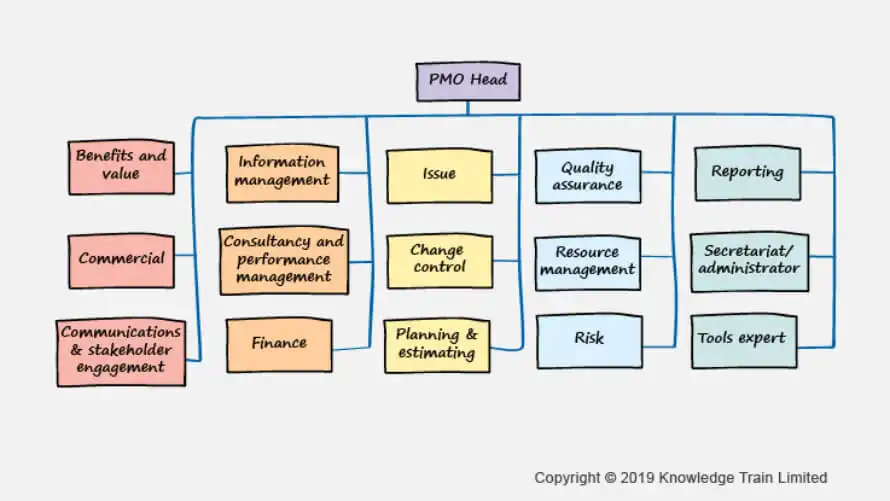
The Customisable to fit a variety of industries.P3OCons (Portfolio, Programme and Project Offices)Interface may feel dated compared to more modern platforms[1]Can be complex and overwhelming for small teams or simple projects framework suggests an example PMO model shown on the diagram below.Higher price point than some competitors.
London Olympics 2012 Programme Office examplePricing
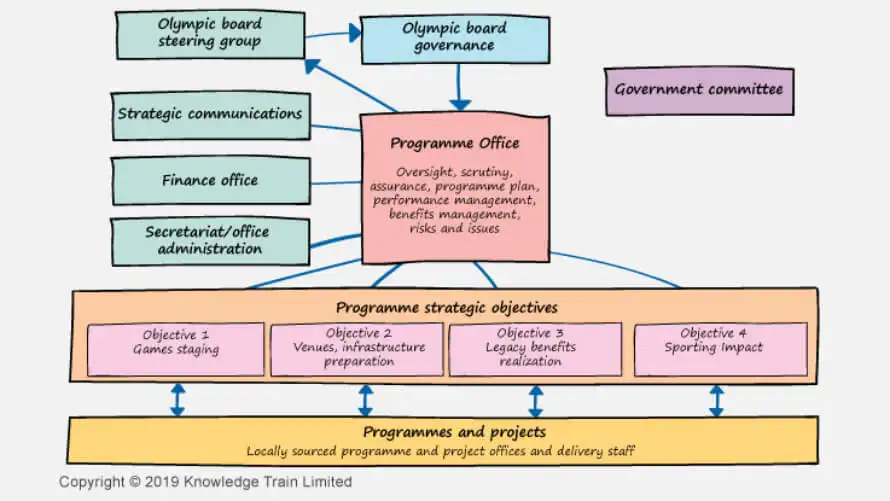
The 2012 Olympics programme office was an examplePlans start at $22.50 per user per month (annual billing).[2]Zoho projects of a successful PMO implementation. This Zoho ProjectsPMO is a project management platform that is part of the larger Zoho suite of business tools. It is a cost-effective solution for small to medium-sized teams and offers a good balance of features and affordability. provided assurance to high-level government bodies. It also provided oversight role for the 4 main programme objectives.Key features
Its key role was to act as a ‘critical eye’ by providing scrutiny, reviewing and reporting of performance, monitoring and measuring progress against programme delivery plans, and proactively challenging risks, issues and changes across the programme.Gantt charts and critical path analysis
It used common standards for reporting performance to government and management dashboards for the governance bodies. The PMO reported to the Programme’s Senior Responsible Owner (SRO) and was empowered to challenge at the highest levels. It was mainly concerned with putting in the right framework, rather than imposing rigid standards.Time tracking and invoicing integration
The secretariat and office administration, finance and strategic communications functions were provided through separate but linked teams. This allowed the PMO to provide the ‘critical eye’ without having to worry about day-to-day operational functions.
PMO roles and responsibilitiesEnterprise-level project management software
The following are the project-level Microsoft Project
- On-premise and cloud-based deployment options.;
- Seamless integration with Microsoft 365 suite, monitoring and delivery;
- Support the Highly scalable, suitable for large enterprises.project managerCons when closing projects;Steep learning curve for new users
- Ensure there are no overlaps with other projects which are part of the same programme;Comparatively high cost versus other solutions
- Identify dependencies between projects;Can be overly complex for smaller, less intricate projects.
- Provide an ongoing health check of projects by reassuring whether they will continue to meet their objectives;Pricing
- Report progress to the project manager and project board using management dashboards;Pricing starts at $10 per user per month (cloud-based version).
- Informing projects when strategy changes;