
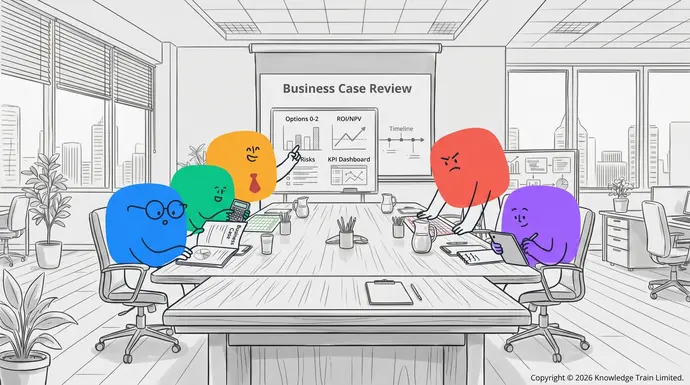
PMO in practice
PMO vs. project manager FAQsPMO fact sheetDefinition: A Project Management Office (PMO) is a department or group that sets, maintains and ensures project management standards within an organisation.
Core Functions: Governance, methodology, support, standardisation, process improvement.Types:
Supportive PMO, Controlling PMO, Directive PMO.
Roles:
- Methodology enforcement, resource management, training, portfolio oversight.Related organisations:
- PMI (Project Management Institute
- )Certifications:
- PMO Certification, PMP, CAPMExamples:
- Corporate IT PMOs, government programme offices.Related terms: Project Portfolio, Project Manager, Stakeholders, Best Practices, PMO Tools.Learn more on Wikipedia
Visit PMI.org
PMO definition
A Project Management Office (PMO) is an organisational structure that defines and maintains project management standards, supports project teams, and ensures alignment with business objectives. PMOs play a crucial role in enabling successful project, programme and
- portfolio management by offering governance, methodology, resource management and oversight.
- The concept of a PMO has evolved as organisations recognise the need for a dedicated group to enhance consistency, optimise resources, and improve project delivery outcomes. PMOs may operate at the project, programme, or portfolio level and are commonly found in sectors such as IT
- , government, construction, and finance.PMO functions and rolesPMOs perform a wide range of functions, adapting their roles according to organisational needs. The main functions and roles typically include:Governance:
- Establishing frameworks, processes and controls for effective decision-making and
- .
PMO in practiceCorporate IT PMO: A global retailer established an IT PMO to standardise project methodologies across numerous business units, leading to improved delivery times and enhanced resource management.
Government Programme Office:
A government department implemented a controlling PMO to oversee national infrastructure
- programmes. This supported greater transparency, better risk management, and alignment with public policy objectives.
- Financial services PMO: A bank set up a directive PMO to directly manage regulatory compliance
- Breaking down data silosprojects: Involves sharing information across different teams., centralising project oversight for timely delivery.
- Risk managementPMO vs. project manager: Identifying risks and developing contingency plans.While a
Change managementProject Manager: Handling scope changes while minimising impacts. is responsible for the planning, execution, and closure of individual projects, the PMO is a broader organisational entity. The PMO sets standards, provides resources and oversight, and may manage a portfolio of projects. In directive PMOs, the Project Manager may report directly to the PMO itself.Best practices for successful construction project managementEstablish precise objectives and expectations at the very start of the project.Implement effective resource management strategies.Maintain regular communication with all stakeholders. Monitor project progress continuously and adjust plans when needed.
Best forMake safety and quality control your top priori
| People involved in investment decisions - project managers, business analysts, sponsors and PMO teams. | Choose this if… | |
|---|---|---|
| You need a structured way to build robust business cases that are evidence-based, comparable and decision-ready. | ||
| FAQs | Which project management qualification should I choose? |
start with 1 month’s free access to our learning library
<
Many Foundation-level courses are suitable for beginners and do not require prior project management experience. Higher-level courses (such as Practitioner levels) may require you to have passed the relevant Foundation exam or hold an accepted prerequisite. Always check the specific qualification page for the exact entry requirements.
Are workshops a good alternative to a qualification?< <
Workshops are ideal if you want a focused, practical outcome in a short time, or if you’re building confidence before choosing a qualification. They’re also useful if your goal is skill development rather than an accredited credential. If you need a widely recognised qualification for career progression or employer requirements, a qualification route is usually the better fit.- Do you offer training for teams or organisations?<
-
- <
- Yes. We deliver private training for organisations and can tailor the focus, delivery approach and scheduling to your needs. Team training is a good option if you want consistent capability across a group, or if you’re aligning training to your internal project governance and ways of working.
Can I study alongside a full-time job?<
- <
-
- strong>Project The most common frameworks are Kotter’s 8-Step Process, Lewin’s Change, and the
ADKAR
- framework. Each provides a structured approach to planning and implementing change.Click or scroll
- Fixing and flexing in PRINCE2 AgileHow do you overcome resistance to change?Enrol on this course
- Overcome resistance by communicating benefits clearly, involving stakeholders, offering support and training, addressing concerns promptly, and recognising employee contributions throughout the transition.Please use the
Simon BuehringWhat role do leaders play in change management?region selector
- 19 Feb 2026Leaders set the direction, communicate the vision, build trust, allocate resources, and provide motivation and support to drive successful change. at the top of the website if you are purchasing from outside the UK.
- How can employees be engaged during change initiatives? Note: *All prices exclusive of VAT.
- Learn about the flexibility within the PRINCE2 framework to balance performance aspects effectively. Discover key strategies by reading further.Engage employees by involving them early, asking for input, addressing worries, providing training, celebrating successes, and continuously seeking feedback to make improvements.Choose how you want to study
- Subscribe to our exclusive offers and promotions
Choose delivery format:
- Subscribe now
-
- Instructor-led
- {"@context":"https://schema.org","@type":"WebPage","name":"Change Management: Models, Steps & Best Practices [2024 Guide]","url":"https://www.knowledgetrain.co.uk/change-management","description":"Learn what change management is, key models, steps, challenges, and best practices. A comprehensive 2024 guide for effective organisational change.","significantLink":"https://www.knowledgetrain.co.uk/change-management","mainEntity":[{"@type":"Article","headline":"Change management: models, steps, and best practices","about":[{"@type":"DefinedTerm","name":"change management","sameAs":["https://en.wikipedia.org/wiki/Change_management","https://www.google.com/search?&kgmid=/m/02rxbq1","https://www.wikidata.org/wiki/Q507232"]},{"@type":"DefinedTerm","name":"Kotter's 8-Step Process","sameAs":["https://en.wikipedia.org/wiki/John_Kotter#8-Step_Process_for_Leading_Change","https://www.google.com/search?&kgmid=/g/122ylnch","https://www.wikidata.org/wiki/Q56490748"]},{"@type":"DefinedTerm","name":"Lewin's Change Model","sameAs":["https://en.wikipedia.org/wiki/Kurt_Lewin#Three-Stage_Theory_of_Change","https://www.google.com/search?&kgmid=/g/11b6d4bthh","https://www.wikidata.org/wiki/Q111595438"]},{"@type":"DefinedTerm","name":"ADKAR model","sameAs":["https://en.wikipedia.org/wiki/ADKAR_model","https://www.google.com/search?&kgmid=/g/11c2633t9v","https://www.wikidata.org/wiki/Q24538064"]},{"@type":"DefinedTerm","name":"resistance to change","sameAs":["https://en.wikipedia.org/wiki/Resistance_to_change","https://www.google.com/search?&kgmid=/m/012f2z","https://www.wikidata.org/wiki/Q2163579"]},{"@type":"DefinedTerm","name":"stakeholders","sameAs":["https://en.wikipedia.org/wiki/Stakeholder_(corporate)","https://www.google.com/search?&kgmid=/m/06zl3","https://www.wikidata.org/wiki/Q1152283"]},{"@type":"DefinedTerm","name":"leadership","sameAs":["https://en.wikipedia.org/wiki/Leadership","https://www.google.com/search?&kgmid=/m/04t1k","https://www.wikidata.org/wiki/Q650112"]},{"@type":"DefinedTerm","name":"employee engagement","sameAs":["https://en.wikipedia.org/wiki/Employee_engagement","https://www.google.com/search?&kgmid=/m/0c3v","https://www.wikidata.org/wiki/Q537366"]},{"@type":"DefinedTerm","name":"communication","sameAs":["https://en.wikipedia.org/wiki/Communication","https://www.google.com/search?&kgmid=/m/01n7q","https://www.wikidata.org/wiki/Q11024"]},{"@type":"DefinedTerm","name":"change agent","sameAs":["https://en.wikipedia.org/wiki/Change_agent","https://www.google.com/search?&kgmid=/m/02z7g_","https://www.wikidata.org/wiki/Q507244"]},{"@type":"DefinedTerm","name":"process improvement","sameAs":["https://en.wikipedia.org/wiki/Process_improvement","https://www.google.com/search?&kgmid=/g/11bc61m3_5","https://www.wikidata.org/wiki/Q1530963"]},{"@type":"DefinedTerm","name":"implementation","sameAs":["https://en.wikipedia.org/wiki/Implementation","https://www.google.com/search?&kgmid=/m/035_q","https://www.wikidata.org/wiki/Q181876"]},{"@type":"DefinedTerm","name":"culture change","sameAs":["https://en.wikipedia.org/wiki/Organizational_culture#Change","https://www.google.com/search?&kgmid=/m/02jpz","https://www.wikidata.org/wiki/Q1286925"]},{"@type":"DefinedTerm","name":"organisational development","sameAs":["https://en.wikipedia.org/wiki/Organizational_development","https://www.google.com/search?&kgmid=/m/01534t","https://www.wikidata.org/wiki/Q1261513"]},{"@type":"DefinedTerm","name":"best practices","sameAs":["https://en.wikipedia.org/wiki/Best_practice","https://www.google.com/search?&kgmid=/m/04nsmj","https://www.wikidata.org/wiki/Q48283"]},{"@type":"DefinedTerm","name":"project management","sameAs":["https://en.wikipedia.org/wiki/Project_management","https://www.google.com/search?&kgmid=/m/06n8c","https://www.wikidata.org/wiki/Q171119"]},{"@type":"DefinedTerm","name":"business transformation","sameAs":["https://en.wikipedia.org/wiki/Business_transformation","https://www.google.com/search?&kgmid=/g/11b7wsy5xh","https://www.wikidata.org/wiki/Q28960900"]},{"@type":"DefinedTerm","name":"stakeholder engagement","sameAs":["https://en.wikipedia.org/wiki/Stakeholder_engagement","https://www.google.com/search?&kgmid=/g/11g7dk8pxm","https://www.wikidata.org/wiki/Q7566812"]},{"@type":"DefinedTerm","name":"transition","sameAs":["https://en.wikipedia.org/wiki/Transition_management","https://www.google.com/search?&kgmid=/g/11bzw6dtz0","https://www.wikidata.org/wiki/Q1131930"]},{"@type":"DefinedTerm","name":"risk management","sameAs":["https://en.wikipedia.org/wiki/Risk_management","https://www.google.com/search?&kgmid=/m/06tbh","https://www.wikidata.org/wiki/Q211119"]}],"mentions":[{"@type":"DefinedTerm","name":"change management","sameAs":["https://en.wikipedia.org/wiki/Change_management","https://www.google.com/search?&kgmid=/m/02rxbq1","https://www.wikidata.org/wiki/Q507232"]},{"@type":"DefinedTerm","name":"organisational change","sameAs":["https://en.wikipedia.org/wiki/Organizational_change","https://www.google.com/search?&kgmid=/m/03x62k","https://www.wikidata.org/wiki/Q11943131"]},{"@type":"DefinedTerm","name":"leadership","sameAs":["https://en.wikipedia.org/wiki/Leadership","https://www.google.com/search?&kgmid=/m/04t1k","https://www.wikidata.org/wiki/Q650112"]},{"@type":"DefinedTerm","name":"employee engagement","sameAs":["https://en.wikipedia.org/wiki/Employee_engagement","https://www.google.com/search?&kgmid=/m/0c3v","https://www.wikidata.org/wiki/Q537366"]},{"@type":"DefinedTerm","name":"communication","sameAs":["https://en.wikipedia.org/wiki/Communication","https://www.google.com/search?&kgmid=/m/01n7q","https://www.wikidata.org/wiki/Q11024"]},{"@type":"DefinedTerm","name":"change agent","sameAs":["https://en.wikipedia.org/wiki/Change_agent","https://www.google.com/search?&kgmid=/m/02z7g_","https://www.wikidata.org/wiki/Q507244"]},{"@type":"DefinedTerm","name":"process improvement","sameAs":["https://en.wikipedia.org/wiki/Process_improvement","https://www.google.com/search?&kgmid=/g/11bc61m3_5","https://www.wikidata.org/wiki/Q1530963"]},{"@type":"DefinedTerm","name":"implementation","sameAs":["https://en.wikipedia.org/wiki/Implementation","https://www.google.com/search?&kgmid=/m/035_q","https://www.wikidata.org/wiki/Q181876"]},{"@type":"DefinedTerm","name":"culture change","sameAs":["https://en.wikipedia.org/wiki/Organizational_culture#Change","https://www.google.com/search?&kgmid=/m/02jpz","https://www.wikidata.org/wiki/Q1286925"]},{"@type":"DefinedTerm","name":"project management","sameAs":["https://en.wikipedia.org/wiki/Project_management","https://www.google.com/search?&kgmid=/m/06n8c","https://www.wikidata.org/wiki/Q171119"]}]},{"@type":"FAQPage","mainEntity":[{"@type":"Question","name":"What is change management and why is it important?","acceptedAnswer":{"@type":"Answer","text":"Change management is the process of guiding organisations, individuals, or teams through transitions. It is important because it enables smoother implementation of change, reduces resistance, and ensures that strategic objectives are achieved efficiently."}},{"@type":"Question","name":"What are common change management models?","acceptedAnswer":{"@type":"Answer","text":"The most common models are Kotter’s 8-Step Process, Lewin’s Change Model, and the ADKAR model. Each provides a structured approach to planning and implementing change."}},{"@type":"Question","name":"How do you overcome resistance to change?","acceptedAnswer":{"@type":"Answer","text":"Overcome resistance by communicating benefits clearly, involving stakeholders, offering support and training, addressing concerns promptly, and recognising employee contributions throughout the transition."}},{"@type":"Question","name":"What role do leaders play in change management?","acceptedAnswer":{"@type":"Answer","text":"Leaders set the direction, communicate the vision, build trust, allocate resources, and provide motivation and support to drive successful change."}},{"@type":"Question","name":"How can employees be engaged during change initiatives?","acceptedAnswer":{"@type":"Answer","text":"Engage employees by involving them early, asking for input, addressing worries, providing training, celebrating successes, and continuously seeking feedback to make improvements."}}]}]}
- Top 10 project tracker tools to boost your productivityRelated articlesSelf-paced
-
- Knowledge Train
- 19 Feb 2026 08 Jun - 12 Jun
- Discover our top 10 picks of project tracker tools to power up your productivity. These game-changing solutions will help you streamline your workflow and smash your goals! AgilePM Practitioner (with Foundation) course (Online)
-
£1,699
-
- £2,099
-
- Enrol now
-
- How to become a project management consultant
- What qualifications do change managers need?
Knowledge Train
- 19 Feb 2026Simon Buehring{"@context":"http://schema.org","@type":"EducationEvent","name":"AgilePM Practitioner (with Foundation) course","startDate":"2026-06-08","endDate":"2026-06-12","description":"AgilePM Practitioner (with Foundation) course","url":"https://www.knowledgetrain.co.uk/agile/agile-project-management/agile-project-management-course/agile-pm-practitioner","eventStatus":"EventScheduled","eventAttendanceMode":"OnlineEventAttendanceMode","audience":{"@type":"Audience","name":"
- 19 Feb 2026p>
- Are you ready to take the leap into project management consulting? Our guide will give you an overview of the steps and key job boards to land your first role. Kickstart your consulting career in project management now. strong>AgilePM Practitioner
Discover the essential qualifications needed by change managers and how these credentials can boost your career. Read on for detailed information.> is for students already holding an AgilePM Foundation qualification. You learn to flex projects to quickly deliver to customer’s needs.
- >
- p>The combined
- strong>AgilePM Practitioner (with Foundation)
- > is for students without an existing AgilePM Foundation qualification. Learn the core principles of the Agile Project Management framework and how to flex projects to deliver quickly to customer’s needs.
>"},"aggregateRating":{"@type":"AggregateRating","ratingValue":"4.8","reviewCount":"227"},"location":{"@type":"VirtualLocation","url":"https://www.knowledgetrain.co.uk/agile/agile-project-management/agile-project-management-course/agile-pm-practitioner"},"image":["https://www.knowledgetrain.co.uk/training-courses/res/logos/apmg-agilepm-accredited-training-organisation-logo.svg"],"offers":{"@type":"Offer","url":"https://www.knowledgetrain.co.uk/agile/agile-project-management/agile-project-management-course/agile-pm-practitioner","price":"1699.00","priceCurrency":"GBP","availability":"http://schema.org/InStock","validFrom":"2026-05-27"},"performer":{"@type":"Person","name":"Susan Tuttle"},"organizer":{"@type":"Organization","name":"Knowledge Train","url":"https://www.knowledgetrain.co.uk/agile/agile-project-management/agile-project-management-course/agile-pm-practitioner"}}
-
- PRINCE2 practices: Free ebook
Is Change Management the course for you?
Simon Buehring
19 Feb 2026Simon Buehring
| Get a free ebook on PRINCE2 practices to prepare for your PRINCE2 Foundation exam. Discover the integrated elements of PRINCE2 by reading further. | |
|---|---|
| Which is better, PMI-ACP |
®
| or PMI-PMP | ® |
|---|---|
| ? | |
>"},"aggregateRating":{"@type":"AggregateRating","ratingValue":"4.8","reviewCount":"227"},"location":{"@type":"VirtualLocation","url":"https://www.knowledgetrain.co.uk/agile/agile-project-management/agile-project-management-course/agile-pm-practitioner"},"image":["https://www.knowledgetrain.co.uk/training-courses/res/logos/apmg-agilepm-accredited-training-organisation-logo.svg"],"offers":{"@type":"Offer","url":"https://www.knowledgetrain.co.uk/agile/agile-project-management/agile-project-management-course/agile-pm-practitioner","price":"1699.00","priceCurrency":"GBP","availability":"http://schema.org/InStock","validFrom":"2026-05-27"},"performer":{"@type":"Person","name":"Susan Tuttle"},"organizer":{"@type":"Organization","name":"Knowledge Train","url":"https://www.knowledgetrain.co.uk/agile/agile-project-management/agile-project-management-course/agile-pm-practitioner"}}
16 Jul - 17 Jul
AgilePM Practitioner course (Online)
£1,299