Unveiling the impact of Senge’s system thinking model on change management19 Feb 2026

Key takeawaysPESTLE examines Political, Economic, Social, Technological, Legal and Environmental forces shaping performance.
Senge’s model improves change outcomes by treating organisations as connected systems, not isolated events.It supports proactive planning by surfacing opportunities early and highlighting threats that need mitigation.
- Systems thinking links the other four disciplines and helps reveal feedback loops, delays, and recurring patterns.Using PESTLE to inform SWOT links external conditions to internal strengths and weaknesses for better decisions.
- Personal mastery and clear shared vision create alignment and motivation during change.A useful template captures the key drivers under each factor and assesses likely impact on the organisation.
- Challenging mental models reduces bias and makes new ways of working easier to adopt.Regular reviews, often quarterly, keep the analysis current as policies, markets and technology shift.
- Team learning strengthens problem-solving through dialogue, discussion, and fewer defensive routines.
- Implementation works best with leadership role-modelling, training, and small pilots that prove value.
| Environmental factors | Unifies and motivates teamsClimate change and sustainability |
| Team learningClimate change and | Facilitates collective innovationsustainability |
| Systems thinking are increasingly important for industries worldwide. Businesses must consider their environmental impact and adopt sustainable practices to meet consumer expectations and regulatory requirements. This focus on sustainability can also result in cost savings and enhanced brand reputation. | Addresses root causes of problemsEnvironmental regulations |
Practical implicationsCompliance with environmental regulations is essential for legal operation and maintaining a positive public image. Regulations may dictate waste management, emissions, and resource usage. Organisations must adapt processes to meet these standards, reducing their environmental footprint and avoiding legal penalties.
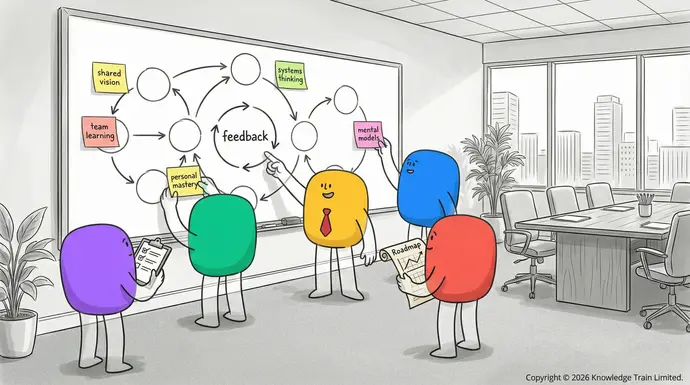
In practice, these interconnected disciplines translate into more effective leadership, strategic planning, and This framework provides businesses with a structured approach to analysing external factors, enabling informed strategic planning. By understanding these components, organisations can position themselves to navigate challenges and seize opportunities effectively.change managementEnhance your skills with our expert-led courses. For example, a shared vision aligns organisational efforts, while team learning accelerates problem-solving. Systems thinking ensures that decisions consider long-term impacts. By applying these principles, organisations can improve efficiency and innovation.
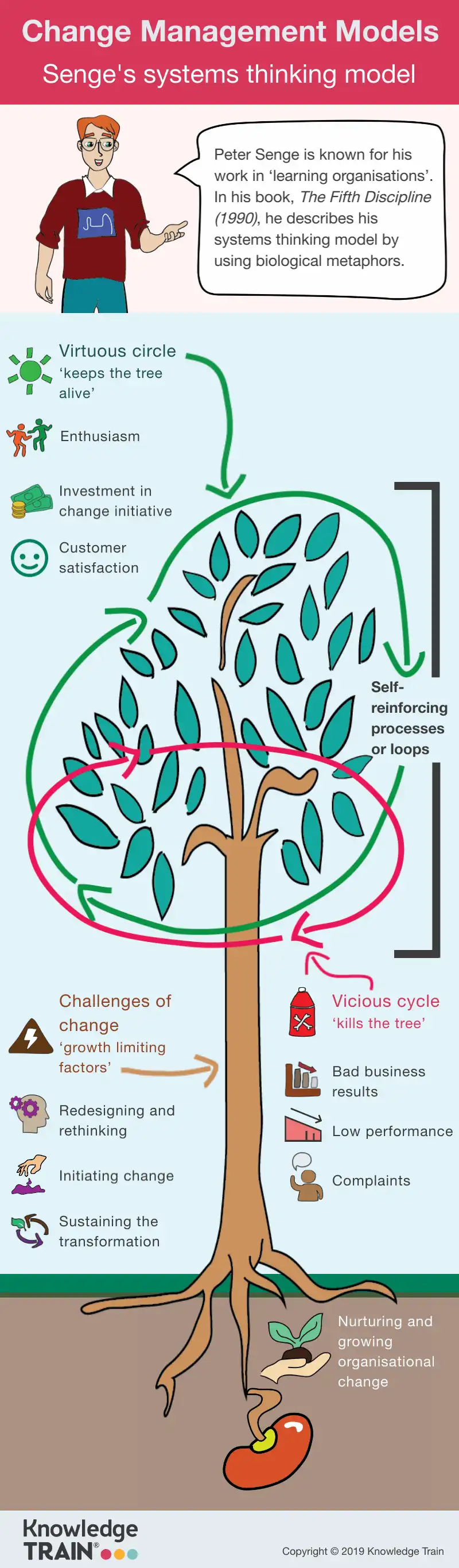
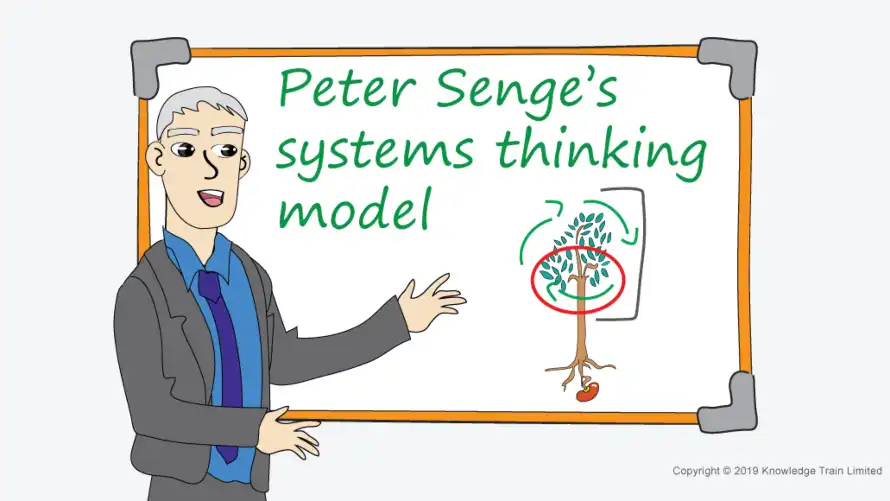
The key takeaway from Senge’s “The Fifth Discipline” is that these principles are not standalone solutions. They must be applied collectively to realise their full potential. Embracing this model leads to psychological benefits such as reduced stress and enhanced collaboration, creating a thriving organisational culture.
: Demographics, lifestyle changes, cultural norms
Enhanced problem-solvingTechnological
System thinking significantly improves problem-solving by shifting the focus from symptoms to root causes. It enables teams to identify and address the underlying issues affecting performance. By analysing the connections between various elements, organisations can develop solutions that are both effective and sustainable. This approach minimises recurring problems and fosters a culture of continuous improvement.: Innovations, R&D trends, technological infrastructure
Informed decision-makingLegal
Informed decision-making benefits greatly from system thinking, as it promotes a thorough understanding of the implications of decisions. By considering the wider impact, leaders can make choices that align with long-term goals and values. This method reduces the likelihood of unintended consequences and enhances organisational resilience. It also encourages transparency and accountability, leading to more ethical and sustainable practices.: Employment laws, regulatory compliance, industry-specific regulations
Practical applications and psychological benefitsEnvironmental
The practical applications of system thinking in workplace settings are extensive. It enhances collaboration by encouraging open communication and shared understanding. Teams can work more effectively by recognising their interdependence and focusing on common objectives. This collective mindset fosters innovation and adaptability, essential for thriving in complex environments.: Climate policies, sustainability initiatives, environmental regulations.
System thinking can enhance understanding of organisational dynamics. When team members better understand their role in the larger system, they often report improved engagement and clarity of purpose. Employees feel more engaged and motivated when they understand how their efforts contribute to the bigger picture. This clarity enhances job satisfaction and overall well-being, creating a positive organisational culture.These elements are crucial for gaining a holistic view of external influences on the organisation.
In summary, applying Senge’s system thinking model in strategic planning, change management, problem-solving, and decision-making leads to more efficient and resilient organisations. By embracing this holistic approach, businesses can navigate challenges with confidence and create sustainable success.Steps to develop your template
Benefits and challenges of implementing Senge’s modelCreating a tailored PESTLE template involves a step-by-step approach:
Key benefitsIdentify relevant factors
Improved efficiency and innovation: Begin by listing factors that are pertinent to your industry and geographical location.
iency and innovation. By fostering a holistic understanding of processes, it enables teams to optimise workflows and reduce waste. This comprehensive view encourages creative problem-solving and the development of innovative solutions. As a result, organisations are better equipped to adapt to changing environments and seize new opportunities.: Collect data from reliable sources to understand the impact of each factor.
Enhanced collaboration
The model also promotes enhanced collaboration by breaking down silos and encouraging open communication. By aligning team members around a shared vision, it fosters trust and mutual respect. This collaborative culture improves information flow and accelerates decision-making. As teams work together more effectively, they achieve collective goals and drive organisational success.Organise information
Organisations should review their PESTLE analysis quarterly to monitor changes in external factors and adjust strategies accordingly.By focusing on the interconnectedness of processes, companies can achieve improved efficiency and innovation. Moreover, the psychological benefits, such as reduced stress and increased job satisfaction, contribute to a more positive organisational culture. These lessons highlight the potential of Senge’s model to transform diverse workplace settings.