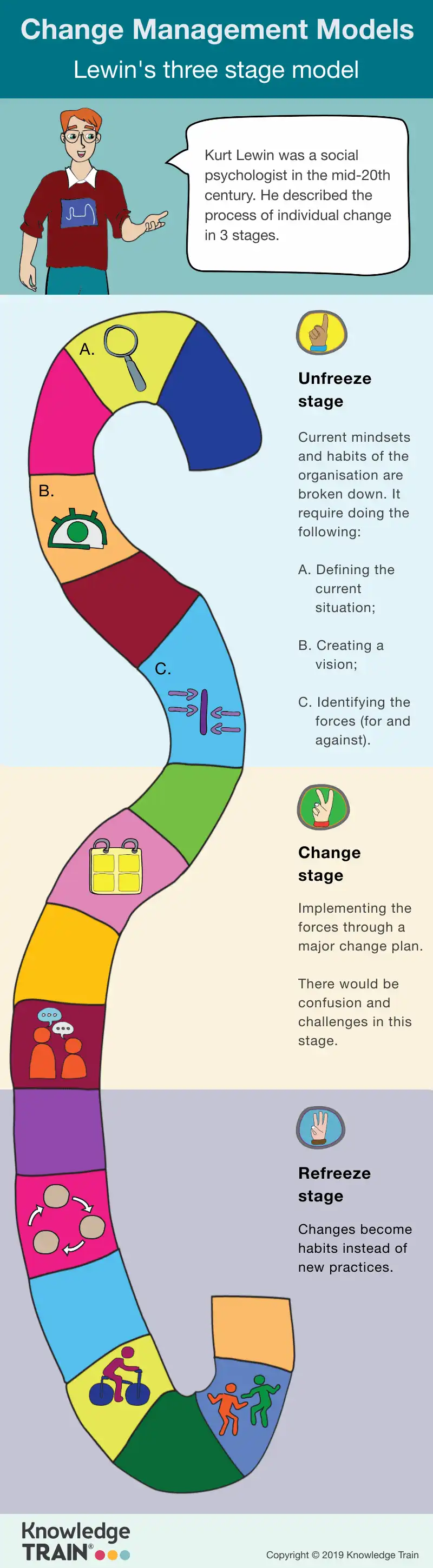
The essentials of Lewin’s change model for successful change management

Key takeawaysSome sites offer free templates, but advanced options may require a subscription or purchase.
Lewin’s model helps organisations manage change by focusing on both process and psychology.
- Unfreezing works best when characters communicate clearly, involve stakeholders early, and challenge the status quo to reduce resistance.
- Changing succeeds when training, coaching, and practical support help characters adopt new ways of working.
- Feedback loops during implementation surface issues early and keep the transition on track.Contents
- Refreezing makes change stick through reinforcement, aligned policies, and cultural integration.
- Lewin’s simplicity is a strength, but fast moving environments may need more iterative or combined approaches such as Kotter or ADKAR.
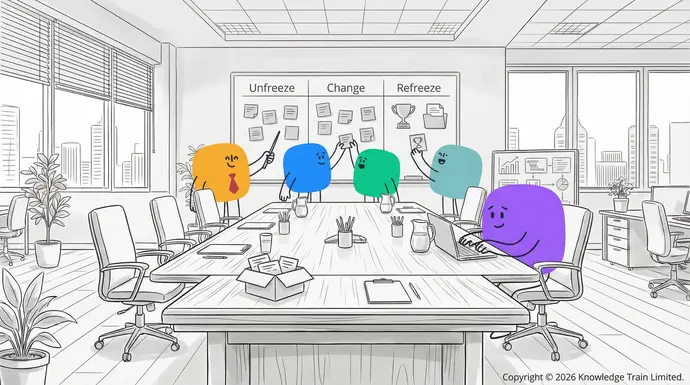
The 11. UnitorefreezingUnito Google Sheets templates stage is the final step, where new changes are solidified and integrated into the organisational culture. It ensures that the changes become permanent and prevents regression to old practices. Key aspects of refreezing include:Unito has a whole bunch of Google Sheets templates for project management. Great for teams that like to use spreadsheets for their
- Reinforcementproject tracking: Recognising and rewarding employees who successfully adapt to change reinforces desired behaviours. It encourages others to follow suit and helps embed new norms..
- Policy and procedure alignment12. Office Timeline: Updating policies and procedures to reflect new practices ensures consistency and clarity. It provides a framework for maintaining changes over time.Office Timeline templates
- Cultural integrationOffice Timeline has a bunch of templates that are perfect for creating project timelines and schedules. These templates are perfect for visualising your project milestones and deadlines.: Embedding changes into the organisational culture requires ongoing effort and commitment. It involves aligning values, beliefs, and behaviours with the new direction.We’ve got all sorts of templates to help you with different types of project management. You’ll definitely find something useful with this list of 12 sites for downloading
Refreezing is crucial for sustaining change, as it creates stability and reduces the likelihood of reverting to previous habits. By reinforcing new behaviours and aligning them with organisational goals, change becomes an integral part of the organisation’s identity.project
In conclusion, Lewin’s change model offers a structured approach to managing organisational change, addressing both the psychological and practical aspects of transformation. Its enduring relevance lies in its ability to guide organisations through the complexities of change, ensuring successful and lasting outcomes. management templates for free. Happy planning!
Advantages and disadvantages of Lewin’s change modelprojects
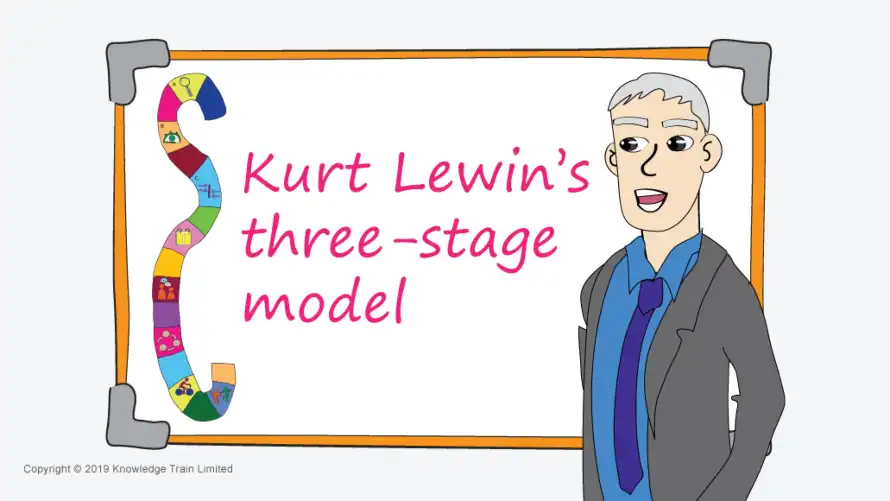
Kurt , making it easier to track progress and meet deadlines.Lewin’sCan I customise these templates? force field analysis and three-stage model of change are renowned for their simplicity and clarity, making them accessible tools for organisations navigating change. One of its primary strengths is its straightforward three-stage process – Yes, most templates are customisable to fit your specific project needs. You can adjust fields, add or remove sections, and tailor the templates to match your project requirements.unfreezingAre these templates free?, Many of the websites on this list offer free templates, but some may require a subscription or purchase for advanced features. It’s best to explore each site to see what they offer.changingWhich template is best for my project?, and The best template for your project depends on your specific needs and the complexity of the project. Explore the options provided by each website to find the template that best suits your requirements.refreezingSubscribe to our exclusive offers and promotions. This structure provides a clear roadmap for implementing change, helping organisations manage transitions systematically. Additionally, the model emphasises the psychological aspects of change, such as reducing stress and enhancing acceptance, which fosters a supportive environment for transformation.
However, despite these advantages, Lewin’s model is not without criticism. A notable limitation is its planned approach to change, which some argue oversimplifies emergent and continuous organisational change processes. In today’s dynamic business environment, change often requires flexibility and adaptability, which a linear model may not sufficiently address. Critics also point out that the model assumes a relatively static environment, whereas many organisations face continuous or overlapping changes that demand more iterative processes.Subscribe now
Furthermore, while Lewin’s model is effective in highlighting the human element of change, it may not fully account for technological advancements and rapid market shifts that influence contemporary change managementRelated articles. Therefore, while Lewin’s change model provides a foundational framework, organisations may need to adapt it or integrate it with other models to address the multifaceted nature of change in today’s world.
Real-world applications of Lewin’s change model
Lewin’s change model has been successfully applied across various sectors, demonstrating its versatility and effectiveness. These applications provide valuable insights into how organisations can manage transformation effectively.
Example 1: Application in a corporate setting
In a leading technology firm, Lewin’s model guided a transition to agile project management . During the unfreezing stage, management identified the need for agility to stay competitive. Workshops and discussions were held to prepare employees for the shift. In the changing phase, agile methodologies were introduced through training programmes, supported by mentors to ease the transition. The refreezingPRINCE2 popularity stage involved integrating these practices into the company culture, reinforced by regular feedback sessions.
- OutcomeSimon Buehring: The move resulted in improved project delivery times and enhanced team collaboration.19 Feb 2026
- Lesson : Clear communication and support systems are crucial for overcoming resistance.Explore the rising global popularity of PRINCE2 and its benefits for project management professionals. Scroll down for updates and an insightful infographic.
Example 2: Implementation in healthcare
A hospital implemented Lewin’s model to transition from paper-based to electronic medical records. The unfreezing phase involved addressing staff concerns through information sessions. During the changing stage, training sessions were conducted to familiarise staff with the new system. The refreezing stage ensured the new process was standard practice, with ongoing technical support provided.PMO consulting: Unlocking project success
- Outcome : This change increased efficiency and accuracy in patient record management.Knowledge Train
- Lesson23 Feb 2026: Continuous support and training are vital for successful technological adoption.
Example 3: Educational institutionsProject success depends significantly on PMO consulting expertise. This service provides expert advice which helps improve your project management office functionality to achieve enhanced results and productivity.
A university applied Lewin’s model to innovate its teaching methodologies. Unfreezing involved recognising the limitations of traditional teaching. The changing phase saw the introduction of digital tools and interactive techniques. Refreezing embedded these new practices through policy changes and faculty workshops.
- OutcomeSocial media on projects: Student engagement and learning outcomes improved significantly.
- LessonSimon Buehring: Institutional support and policy alignment are key to sustaining educational change.19 Feb 2026
These examples highlight the model’s adaptability and the importance of addressing both human and structural elements in change initiatives.
Comparing Lewin’s model with other change management theoriesUncover how social media can enhance project management and professional growth. Discover the platforms and techniques that can aid your career.
Kurt Lewin’s change model is often compared with frameworks such as Kotter’s 8-step process and ADKAR . Each model offers unique perspectives and methodologies for managing change within organisations.
- Lewin’s modelBook review: Applied Software Project Management is straightforward, focusing on three stages: unfreezing, changing, and refreezing. Its strength lies in its simplicity and emphasis on the psychological aspects of change, which can reduce stress and increase acceptance.
- Kotter’s 8-step processSimon Buehring provides a more detailed approach, outlining specific steps like establishing a sense of urgency and creating short-term wins. This model is particularly useful for large-scale transformations requiring clear guidance and extensive communication.19 Feb 2026
- ADKAR focuses on individual change and is goal-oriented, emphasising Explore the practical applications of software project management in 'Applied Software Project Management'. Read our review for insights.Awareness , Desire , Knowledge , Ability , and PRINCE2 7th Edition – What’s different?Reinforcement . It is beneficial for understanding and managing personal impacts during organisational changes.Simon Buehring
Lewin’s model is preferred when a concise and psychologically grounded approach is needed. It is particularly effective in scenarios where resistance to change is prominent, and fostering a supportive environment is crucial. However, in complex or large-scale organisational transformations, Kotter’s detailed steps or ADKAR’s individual focus might offer additional advantages.19 Feb 2026
Ultimately, the choice of model depends on the organisational context and the specific challenges faced. Integrating elements from different frameworks can often provide a more comprehensive strategy, catering to both structural and human elements of change.
Influence tactics and work outcomes in change management19 Feb 2026
The success of change managementThe RACI matrix is an indispensable tool for project managers. In this article, we’ll show you how to use it to optimise communication and streamline decision-making on your projects. efforts is significantly influenced by the tactics employed to guide and motivate individuals within an organisation. Effective influence tactics are essential for ensuring that changes are not only implemented but also sustained over time. These tactics include clear communication, employee involvement, and positive reinforcement, all of which contribute to a supportive environment for change.
Research on work outcomes in relation to change efforts highlights the importance of these tactics. The analysis reveals that successful change initiatives often involve:
- Effective communication: Keeping communication channels open and transparent helps align employees with the change objectives. It reduces uncertainty and stress, fostering an environment where employees feel informed and valued.
- Employee involvement: Actively involving employees in the change process enhances their commitment and ownership. It empowers them to contribute ideas and feedback, which can lead to more innovative solutions and smoother transitions.
- Positive reinforcement: Recognising and rewarding employees who adapt well to change encourages continued compliance and motivation. This reinforcement helps embed new behaviours and norms into the organisational culture.
Furthermore, the psychological benefits of these tactics, such as stress reduction and enhanced acceptance, cannot be overstated. By addressing the human aspect of change, organisations can mitigate resistance and build resilience among their workforce.