How ADKAR can revolutionise your change management strategy

Key takeaways
ADKAR makes change stick by guiding individuals through a clear sequence of milestones.
- Build Awareness Request a quote with clear, consistent communication and visible leadership support.
- Grow Desire[email protected] by addressing WIIFM, involving staff early, and recognising change champions.
- Provide +44 (0)207 148 5985KnowledgeCourses through tailored training, mentoring, and easy access to reference materials.PROJECT MANAGEMENT
- Convert PRINCE2Knowledge® into Foundation AbilityLearn the fundamentals of the PRINCE2 method. with practice, coaching, and performance-based feedback.Practitioner
- Use Includes Foundation & Practitioner combined option.ReinforcementAssociation for Project Management (APM) to sustain new behaviours via celebration, metrics, regular reviews, and adaptive improvements.Project Fundamentals Qualification (PFQ)
Introduction to the ADKAR modelLearn the fundamentals of the governance framework.
Understanding change managementPractitioner
In today’s constantly changing organisational landscape, Includes Foundation & Practitioner combined option.change managementBetter Business Cases is crucial. Organisations must adapt to remain competitive and relevant. ™Change managementFoundation provides a structured approach to transitioning individuals, teams, and whole organisations from a current state to a desired future state. The goal is to minimise resistance and maximise engagement. Here, the Learn the fundamentals of Better Business cases.ADKARPractitioner model shines as a strategic framework. It offers a clear, step-by-step process that leaders can use to guide their teams through change effectively.Includes Foundation & Practitioner combined option.
Origins and purpose of ADKARP3O
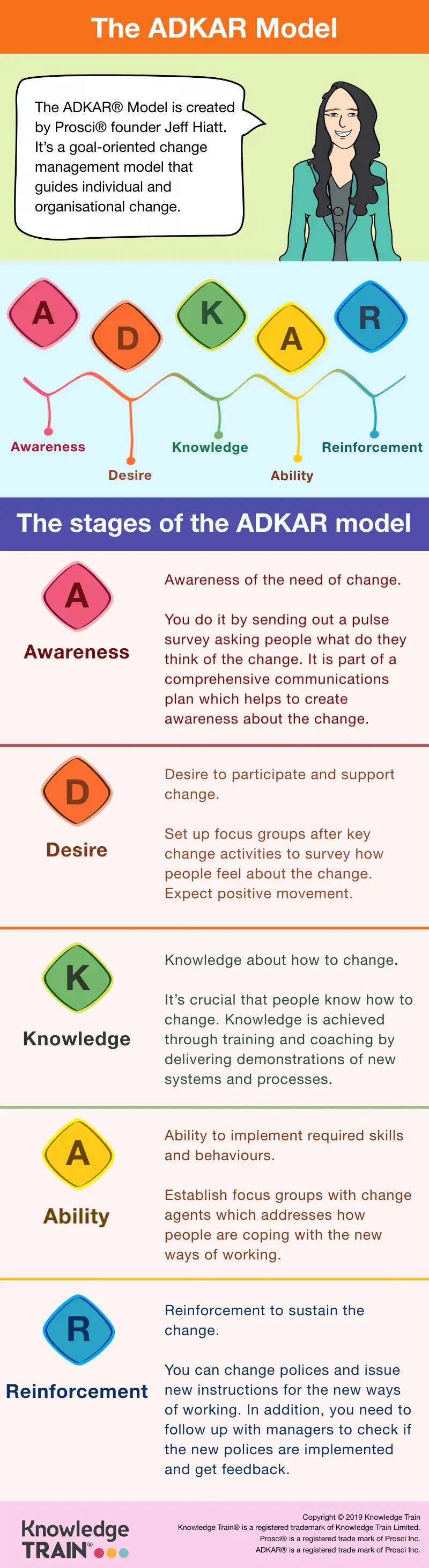
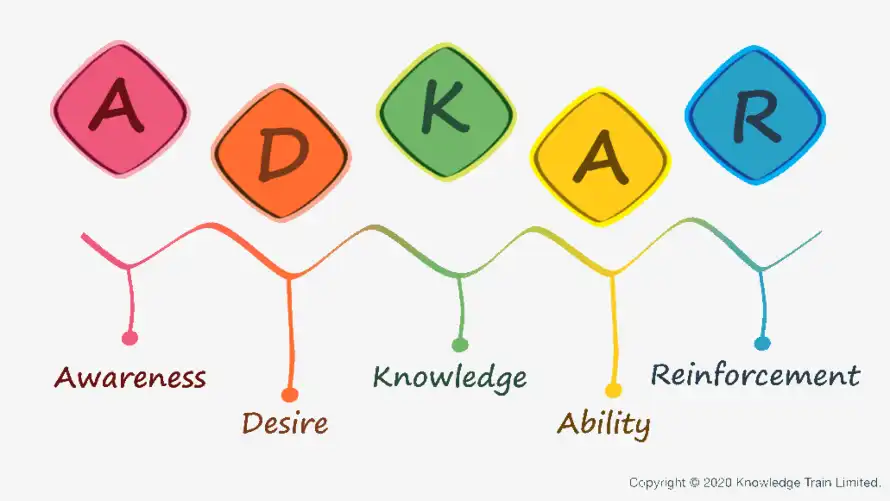
The ADKAR model was developed by Jeff Hiatt, founder of Prosci, through research conducted from 1994 to 2002. This research analysed the change patterns of over 700 organisations, leading to a practical, results-oriented approach to managing change at the individual level. Prosci’s research revealed that successful change occurs when ®organisational change managementFoundation and individual change management intersect. It comprises five key elements: Learn the fundamentals of the P3O project management office.AwarenessPractitioner , Includes Foundation & Practitioner combined option.DesireWorkshops, Introduction to Project Management Knowledge1-day workshop to learn the basics of project management., Project Management Essentials Ability2-day workshop to learn how to manage projects without getting certified., and Writing Business Cases ReinforcementHalf-day workshop to learn to write robust business cases.. Each element represents a milestone that individuals must achieve to embrace and sustain change thoroughly.AI in Project Management
- AwarenessLearn how to use AI tools in everyday project work.: Recognising the need for change.ARTIFICIAL INTELLIGENCE (AI)
- DesireBCS AI: Building the motivation to participate.Foundation
- KnowledgeLearn the fundamentals of artificial intellegence.: Acquiring the necessary information and skills.AI Project Governance Framework (AIPGF)
- AbilityFoundation : Implementing new skills and behaviours.Learn the fundamentals of the governance framework.
- ReinforcementPractitioner : Sustaining the change over time.Includes Foundation & Practitioner combined option.
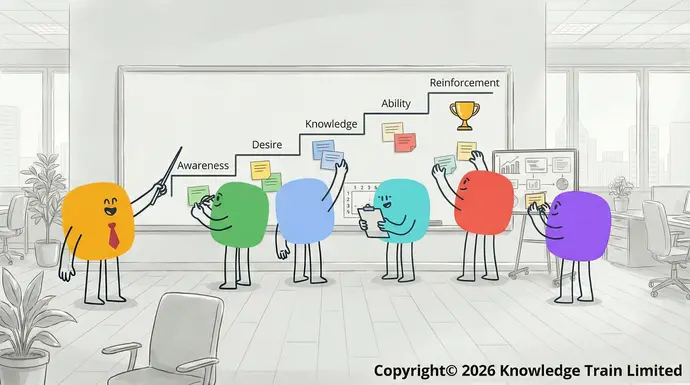
These elements work in sequence, with each building upon the previous ones. For instance, it’s difficult to create genuine desire for change without first establishing awareness of why the change is needed. Similarly, knowledge can only be effectively absorbed once someone has the desire to learn. This sequential nature is crucial for successful implementation.Workshops
This model’s purpose is to facilitate a smooth transition by focusing on the psychological aspects of change. By addressing these individual milestones, the ADKAR model reduces stress and enhances overall productivity. Its structured approach ensures that all critical elements of change are methodically covered, minimising confusion. Consequently, organisations can navigate the challenges of transformation with greater confidence and success.AI in Project Management
In summary, the ADKAR model serves as a comprehensive guide for Learn how to use AI tools in everyday project work.managing changeAGILE. It aligns with the psychological needs of individuals, ensuring that change is not only implemented but also sustained effectively.AgilePM
The five elements of the ADKAR model®
Element 1: Awareness – Agile Project Management
The Foundation AwarenessLearn the key principles of Agile Project Management. element is foundational in the ADKAR model. It ensures individuals recognise the necessity for change, setting the stage for subsequent actions. Without awareness, employees may resist or misunderstand the change initiative, leading to challenges in implementation.Practitioner
Importance of awarenessIncludes Foundation & Practitioner combined option.
Awareness is crucial as it creates a shared understanding of the change. It clarifies the reasons behind the shift, reducing anxiety and speculation. This understanding is vital for aligning individual goals with organisational objectives. When employees comprehend the need for change, they are more inclined to support it. This support eases the transition and lays a solid groundwork for the next elements.PRINCE2
Strategies to build awareness®
Effective strategies to build awareness include: Agile
- Consistent communicationFoundation : Use diverse channels such as emails, meetings, and digital platforms to convey the change message.Learn the fundamentals of the PRINCE2 Agile method.
- Leadership involvementPractitioner : Encourage leaders to endorse and communicate the change, enhancing credibility.Includes Foundation & Practitioner combined option.
- Visual aidsScrum: Employ infographics and videos to simplify complex information.Scrum Essentials
- Interactive sessionsSelf-paced training course to learn the essentials of Scrum.: Conduct workshops to discuss the change, allowing for questions and feedback.Scrum Master
These strategies help reduce uncertainty and foster a positive outlook towards change.Choose Scrum Alliance or Scrum.org Scrum Master training courses.
Element 2: DesireScrum Product Owner
The Choose Scrum Alliance or Scrum.org Product Owner training courses.DesireAgileBA element involves cultivating the motivation to participate in the change. It requires addressing both rational and emotional aspects to inspire individuals to engage willingly.®
Creating desire for change – Agile Business Analysis
To inspire desire, organisations can:Foundation
- Highlight benefitsLearn the fundamentals of Agile Business Analysis.: Clearly articulate the personal and organisational benefits of the change.Practitioner
- Engage employees4-day course including Foundation.: Involve them in planning and decision-making processes to create a sense of ownership.Lean Six Sigma
- Recognise contributionsYellow Belt : Acknowledge and reward early adopters and change champions to motivate others.Self-paced training course to gain LSS Yellow Belt.
Measuring desire levelsPMI
Understanding the level of desire is essential for gauging readiness. This can be achieved through:®
- Surveys and feedbackPMI-ACP : Gather input on employee sentiments towards the change.Self-paced course to prepare you for the exam (exam not included).
- ObservationKanban: Monitor engagement levels during change-related activities.Estimating for Agile Foundation
- InterviewsAgile Learning Library (ALL)™: Conduct one-on-one discussions to explore individual concerns and motivations.BUSINESS ANALYSIS
Assessing desire helps tailor support and interventions, ensuring greater engagement. It’s crucial to understand that while organisations can create an environment that fosters desire, the ultimate decision to participate in the change is a personal choice that cannot be forced. Leaders can influence desire by addressing the question ‘What’s in it for me?’ (WIIFM) but must recognize that genuine commitment cannot be mandated.BCS Business Analysis
Element 3: KnowledgeBusiness Analysis Foundation
The third element of ADKAR addresses the practical aspects of change implementation. The Learn the fundamentals of business analysis.KnowledgeModelling Business Processes element focuses specifically on how to implement the change. This includes two critical types of knowledge: understanding how to change (the required skills, processes, and behaviours) and what to do during the transition state. This goes beyond just sharing information – it requires detailed training on new processes, systems, and roles that will be part of the change.Gain practitioner certificate in modelling business processes.
Knowledge acquisitionBusiness Analysis Practices
To facilitate knowledge acquisition:Gain practitioner certificate in business analysis practices.
- Structured trainingRequirements Engineering : Provide comprehensive training programmes tailored to different learning styles.Gain practitioner certificate in requirements engineering.
- MentorshipBusiness Analysis International Diploma : Pair employees with mentors to offer guidance and support.All 4 courses bundled into this Diploma certification package.
- Self-paced learningAgileBA: Use e-learning platforms for flexible, on-demand knowledge access.®
Tools for knowledge transfer – Agile Business Analysis
Effective tools include:Foundation training
- Workshops and seminarsLearn the fundamentals of Agile Business Analysis.: Offer hands-on experience and practical insights.Practitioner
- Knowledge repositories4-day course including Foundation.: Maintain accessible databases for quick reference.PMI
- Peer learning®: Encourage knowledge sharing through peer networks.PMI-PBA
These tools ensure that employees have the required knowledge to succeed.Self-paced course to prepare you for the exam (exam not included).
Element 4: AbilityBusiness Analysis Learning Library (BALL)™
The CHANGE MANAGEMENTAbilityAPMG Change Management element represents the actual execution of the change – turning knowledge into action. Whilst Knowledge is about understanding how to change, Ability is about demonstrating performance in real-world conditions. This element often requires time for practice, coaching, and feedback as people develop proficiency in new skills or behaviours. Success in this element is measured by actual performance rather than just completing training.Foundation
Developing abilityLearn the fundamentals of enterprise change management.
Developing ability involves:Practitioner
- Practical trainingIncludes Foundation & Practitioner combined option.: Conduct real-world exercises to build confidence.PROGRAMME MANAGEMENT
- Feedback loopsMSP: Provide constructive feedback to refine skills.®
- Supportive environmentFoundation : Create a culture that encourages experimentation and learning.Learn the fundamentals of programme management.
Training and support systemsPractitioner
Training and support systems are vital for ability development:Includes Foundation & Practitioner combined option.
- Ongoing trainingINFORMATION TECHNOLOGY (IT): Offer continuous learning opportunities.ITIL
- Access to resources®: Ensure availability of tools and materials needed for skill application.Foundation
- Peer supportLearn the fundamentals of ITIL service management.: Foster a network of colleagues who can offer assistance and advice.Strategist DPI
These systems bolster the ability to adapt successfully.3-day ITIL Strategist: Direct, Plan & Improve (DPI) course.
Element 5: ReinforcementSpecialist: DSV
The 3-day ITIL Specialist: Drive Stakeholder Value (DSV) course.Reinforcement
Implementing the ADKAR model in your organisationSelect your preferred training course below:
Preparing for change
Implementing the ADKAR model requires careful preparation to ensure a smooth transition. Start by assessing the current organisational landscape. Identify areas where change is necessary and align them with strategic goals. It is critical to secure PRINCE2 AGILE COURSESleadership supportSelect your preferred training course below: early on, as this endorsement sets the tone for the entire process.
Next, communicate the impending change effectively. Use clear and consistent messaging to build awareness and desire among employees. Establish a timeline with specific milestones to track progress. This structured approach helps to minimise confusion and ensures that all critical elements of change management are addressed.SCRUM COURSES
Customising the modelSelect your preferred training course below:
Every organisation is unique, so customising the ADKAR model to fit specific needs is essential. Begin by analysing the organisational culture and existing processes. This understanding will guide how each element of the model is tailored.
- AwarenessAGILE BUSINESS ANALYSIS COURSES: Adapt communication strategies to suit the organisation’s culture, ensuring messages resonate with employees.Select your preferred training course below:
- Desire : Identify key motivators for different employee groups and leverage these to build desire.BUSINESS ANALYSIS QUALIFICATIONS
- KnowledgeSelect your preferred qualification.: Customise training programmes to align with the skills required for the change.
- AbilityBCS BUSINESS ANALYSIS COURSES: Develop targeted support systems that cater to varying levels of ability within the organisation.Select your preferred training course below:
- Reinforcement : Design reinforcement strategies that are relevant and meaningful to the organisation’s context.AGILE BUSINESS ANALYSIS COURSES
By tailoring the model, organisations can address specific challenges and enhance the effectiveness of the change process.Select your preferred training course below:
Overcoming challenges
Implementing the ADKAR model is not without challenges. Common obstacles include resistance to change, lack of engagement, and inadequate resources. Addressing these issues requires proactive strategies.CHANGE MANAGEMENT QUALIFICATIONS
- ResistanceSelect your preferred qualification.: Engage stakeholders early and involve them in decision-making processes. This involvement can reduce resistance and foster a sense of ownership.
- EngagementAPMG CHANGE MANAGEMENT COURSES: Maintain open lines of communication and provide regular updates. Transparency builds trust and keeps employees engaged.Select your preferred training course below:
- Resources : Ensure that adequate resources, such as time and funding, are allocated to support the change initiative.PROGRAMME MANAGEMENT QUALIFICATIONS
A key component of implementing ADKAR is using the ADKAR Assessment tool. This diagnostic instrument helps identify which elements are acting as barriers to change for individuals or groups. By rating each element on a scale of 1 to 5, Select your preferred qualification.change managers can pinpoint where additional focus is needed. For example, if Ability scores are low but Knowledge scores are high, this suggests the need for more practical application opportunities rather than additional training.MSP COURSES
Psychologically, the structured approach of the ADKAR model reduces stress and enhances confidence among employees. By focusing on individual change, it ensures that employees are well-equipped to adopt new behaviours. This focus leads to sustained improvements and long-term success.Select your preferred training course below:
Best practices for each ADKAR element
Aligning goals with elementsPMI COURSES
Aligning organisational goals with the elements of the Select your preferred training course below:ADKAR model is essential for a cohesive change process. Begin by clearly defining your organisational objectives. Ensure that each of the ADKAR elements – Awareness, Desire, Knowledge, Ability, and Reinforcement – supports these objectives.PMI COURSES
- AwarenessSelect your preferred training course below:: Align awareness efforts with the strategic vision. Ensure that the need for change is communicated in a way that reflects organisational goals.
- DesirePRINCE2 COURSES: Motivate employees by linking personal benefits to broader organisational aims.Select your preferred training course below:
- Knowledge : Tailor training programs to impart skills that directly contribute to achieving strategic goals.APM COURSES
- AbilitySelect your preferred training course below:: Develop capabilities that are necessary for meeting long-term objectives.
- ReinforcementAGILE PROJECT MANAGEMENT COURSES: Design reinforcement strategies that celebrate achievements aligned with organisational success.Select your preferred training course below:
This alignment ensures that change initiatives are not only implemented but also contribute meaningfully to the organisation’s mission.
Continuous improvementPRINCE2 AGILE COURSES
Continuous improvement is vital in refining the ADKAR process. It involves regularly assessing and enhancing each element to ensure effectiveness.Select your preferred training course below:
- Feedback loops