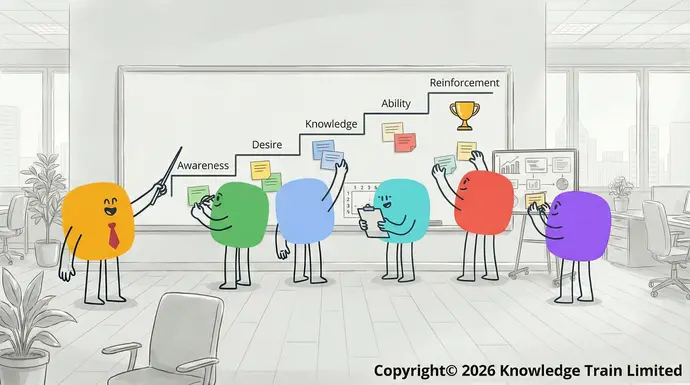
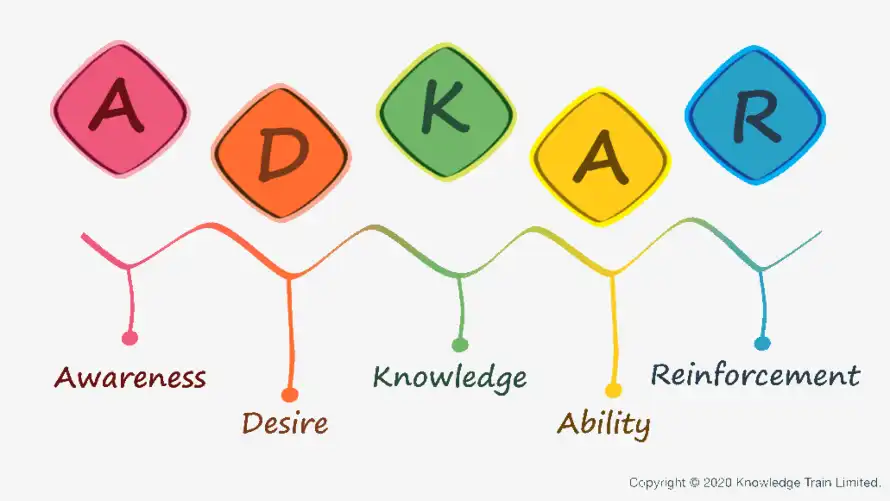
Our 6 core values are everything we do. They include:, DesireIntegrity, DiversityKnowledgeFairness, QualityAbilityInnovation, and Social responsibilityReinforcement . Each element represents a milestone that individuals must achieve to embrace and sustain change thoroughly.SOCIAL RESPONSIBILITY
- AwarenessSome of the charities we have helped over the years:: Recognising the need for change.
- Desire : Building the motivation to participate.
- Knowledge : Acquiring the necessary information and skills.
- Ability
- Leadership involvementUnited Kingdom: Encourage leaders to endorse and communicate the change, enhancing credibility.
- Visual aids : Employ infographics and videos to simplify complex information.
- Interactive sessions : Conduct workshops to discuss the change, allowing for questions and feedback.
These strategies help reduce uncertainty and foster a positive outlook towards change.
Element 2: DesireSearch
The Desire element involves cultivating the motivation to participate in the change. It requires addressing both rational and emotional aspects to inspire individuals to engage willingly.
Creating desire for change
To inspire desire, organisations can:
- Highlight benefitsUnited Kingdom: Clearly articulate the personal and organisational benefits of the change.Austria
- Engage employeesBelgium: Involve them in planning and decision-making processes to create a sense of ownership.Bulgaria
- Recognise contributionsCroatia: Acknowledge and reward early adopters and change champions to motivate others.Cyprus
Measuring desire levelsCzech Republic
Understanding the level of desire is essential for gauging readiness. This can be achieved through:Denmark
- Surveys and feedbackEstonia: Gather input on employee sentiments towards the change.Finland
- ObservationFrance: Monitor engagement levels during change-related activities.Germany
- InterviewsGreece: Conduct one-on-one discussions to explore individual concerns and motivations.Ireland
Assessing desire helps tailor support and interventions, ensuring greater engagement. It’s crucial to understand that while organisations can create an environment that fosters desire, the ultimate decision to participate in the change is a personal choice that cannot be forced. Leaders can influence desire by addressing the question ‘What’s in it for me?’ (WIIFM) but must recognize that genuine commitment cannot be mandated.Italy
Element 3: KnowledgeLatvia
The third element of ADKAR addresses the practical aspects of change implementation. The LithuaniaKnowledgeLuxemburg element focuses specifically on how to implement the change. This includes two critical types of knowledge: understanding how to change (the required skills, processes, and behaviours) and what to do during the transition state. This goes beyond just sharing information – it requires detailed training on new processes, systems, and roles that will be part of the change.Malta
Knowledge acquisitionNetherlands
To facilitate knowledge acquisition:Poland
- Structured trainingPortugal: Provide comprehensive training programmes tailored to different learning styles.Romania
- MentorshipSlovakia: Pair employees with mentors to offer guidance and support.Slovenia
- Self-paced learningSpain: Use e-learning platforms for flexible, on-demand knowledge access.Sweden
Tools for knowledge transferOther countries
Effective tools include:Home
- Workshops and seminarsChange Management: Offer hands-on experience and practical insights.Change management courses
- Knowledge repositoriesIs change management a good career: Maintain accessible databases for quick reference.
- Peer learning{"@context":"http://schema.org","@type":"BreadcrumbList","itemListElement":[{"@type":"ListItem","position":1,"name":"Home","item":"https://www.knowledgetrain.co.uk/"},{"@type":"ListItem","position":2,"name":"Change Management","item":"https://www.knowledgetrain.co.uk/change-management"},{"@type":"ListItem","position":3,"name":"Change management courses","item":"https://www.knowledgetrain.co.uk/change-management/change-management-courses"},{"@type":"ListItem","position":4,"name":"Is change management a good career","item":"https://www.knowledgetrain.co.uk/change-management/change-management-courses/is-change-management-a-good-career"}]}: Encourage knowledge sharing through peer networks.
These tools ensure that employees have the required knowledge to succeed.
Element 4: Ability
The Is change management a good career choice?Ability element represents the actual execution of the change – turning knowledge into action. Whilst Knowledge is about understanding how to change, Ability is about demonstrating performance in real-world conditions. This element often requires time for practice, coaching, and feedback as people develop proficiency in new skills or behaviours. Success in this element is measured by actual performance rather than just completing training.Simon Buehring
Developing ability19 Feb 2026
Developing ability involves:
- Practical training : Conduct real-world exercises to build confidence.
- Feedback loops : Provide constructive feedback to refine skills.
- Supportive environment : Create a culture that encourages experimentation and learning.
Training and support systems
Training and support systems are vital for ability development:
- Ongoing training : Offer continuous learning opportunities.
- Access to resources : Ensure availability of tools and materials needed for skill application.
- Peer support : Foster a network of colleagues who can offer assistance and advice.
These systems bolster the ability to adapt successfully.
Element 5: Reinforcement
The Reinforcement element ensures that changes are sustained over time.
Sustaining change
To sustain change:Copied!
- Celebrate successesKey takeaways: Recognise achievements to reinforce positive behaviour.Change management is a fast-growing role focused on helping organisations adopt and sustain change.
- Continuous feedbackChange managers support adaptation, control and embedding of change, often combining all three in one assignment.: Provide regular updates and feedback to maintain momentum.The role is increasingly important as technology accelerates and political and economic conditions shift.
- Adjust strategiesYou gain a rare, end-to-end view of how a business operates across functions and teams.: Be flexible and willing to adapt strategies based on feedback.Impact is measurable through smoother adoption, stronger culture fit and better employee wellbeing.
Monitoring progressUK pay is typically strong, and formal training is available via Foundation and Practitioner courses.
Monitoring progress involves:
- Performance metrics : Track key indicators to assess change impact.
- Regular reviewsContents: Schedule periodic evaluations to identify areas for improvement.
- Feedback channels : Maintain open lines for employee input and suggestions.Contents
Through reinforcement, organisations can ensure that new behaviours become ingrained, leading to lasting success
Implementing the ADKAR model in your organisationChange Management Practitioner (with Foundation) self-paced online
Preparing for change
Implementing the ADKAR model requires careful preparation to ensure a smooth transition. Start by assessing the current organisational landscape. Identify areas where change is necessary and align them with strategic goals. It is critical to secure £1,299 +vatleadership support early on, as this endorsement sets the tone for the entire process.
Next, communicate the impending change effectively. Use clear and consistent messaging to build awareness and desire among employees. Establish a timeline with specific milestones to track progress. This structured approach helps to minimise confusion and ensures that all critical elements of change management are addressed.
Customising the modelSelf-paced
Every organisation is unique, so customising the ADKAR model to fit specific needs is essential. Begin by analysing the organisational culture and existing processes. This understanding will guide how each element of the model is tailored.Change Management Foundation self-paced online
- Awareness : Adapt communication strategies to suit the organisation’s culture, ensuring messages resonate with employees.£799 +vat
- DesireThe rewards of championing change: Identify key motivators for different employee groups and leverage these to build desire.If challenge is something you crave, and you are eager to use your industry experience to assume a prominent leadership role, we have good news!
- KnowledgeChange managers: Customise training programmes to align with the skills required for the change. benefit from several job perks unique to middle- and upper-management roles and are highly valued both by employers and those employees who benefit most readily from their efforts. Prove your worth as a change manager and you’ll soon become an office favourite!
- AbilityHere are just a few reasons why change managers love their jobs.
within organisations. It comprises five pivotal elements: Awareness, Desire, Knowledge, Ability, and Reinforcement. Each element is crucial for guiding both leaders and employees through the change process. By systematically addressing these elements, organisations can ensure that all critical elements of change management are covered, minimising confusion and resistance. The model’s structured approach not only facilitates successful transitions but also fosters alignment with organisational goals.
Encouragement to adopt ADKAR
Adopting the ADKAR model can significantly enhance an organisation’s Related articleschange management efforts. It provides a clear roadmap that supports both individual and organisational transformation. By following its principles, organisations can reduce stress and uncertainty while boosting employee engagement and commitment. The psychological benefits are substantial, as employees feel more informed, involved, and confident throughout the change process. Implementing ADKAR can lead to more sustainable and successful change initiatives, making it a valuable tool for any organisation striving for effective transformation.
FAQs
What is the ADKAR model?
The ADKAR model is a goal-oriented change management framework focusing on individual-level change. It comprises five elements: Awareness, Desire, Knowledge, Ability, and Reinforcement. These elements guide individuals in adopting and sustaining change within an organisation.
Why is awareness important in the ADKAR model?
Awareness is crucial because it helps individuals understand the necessity for change. It prepares them for the transition by clarifying the reasons behind it, thereby reducing resistance and confusion.
How can organisations measure the desire for change?
Organisations can assess desire through several methods, including surveys and interviews. Monitoring employee engagement levels also provides insights into their motivation to support the change.
What tools are effective for knowledge transfer in the ADKAR model?
Effective tools for knowledge transfer include workshops, training sessions, and e-learning platforms. These resources help ensure that employees acquire the necessary information and skills to adapt to change.
How can an organisation reinforce changes effectively?
Reinforcement is achieved through regular feedback and incentives. Continuous support mechanisms ensure that new behaviours are sustained over time, reducing stress and enhancing confidence among employees.
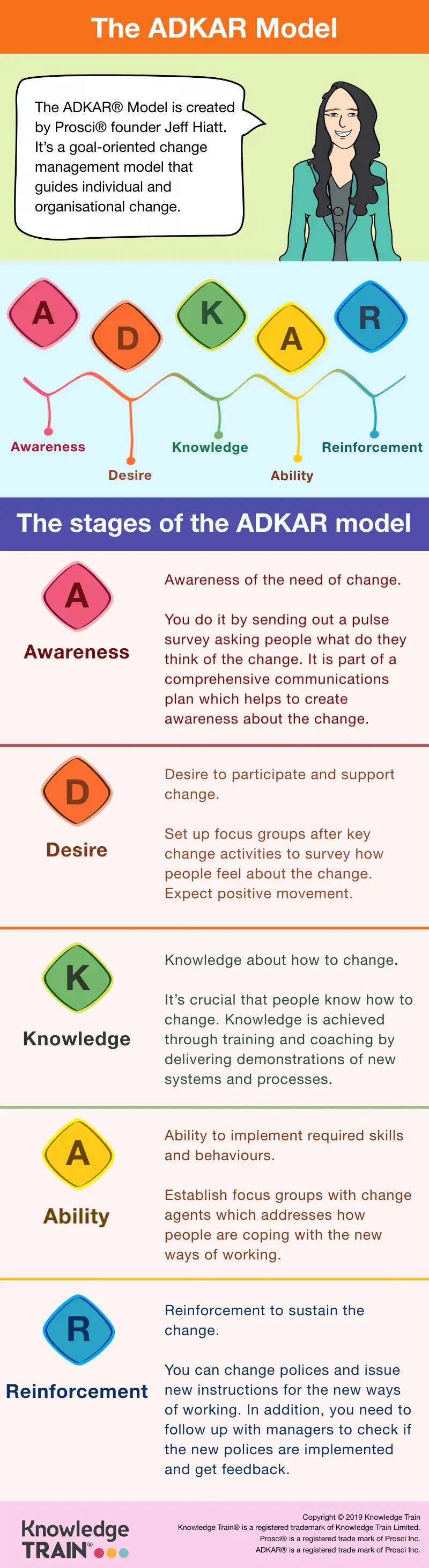
InfographicGuiding your team through change using the Satir change model
The ADKAR change management model is summarised in this colourful infographic.