
Effective change management blends clear planning with sustained support for adoption.
Use structured frameworks such as Kotter, Lewin, or ADKAR to sequence activities and maintain momentum.
- Visible leadership sponsorship and consistent communication reduce uncertainty and resistance.
- Engage stakeholders early, using influence and impact mapping to target effort where it matters most.
- Integrate change work with project delivery so training, readiness, risks, and benefits stay aligned.
- Measure adoption with KPIs and feedback, then reinforce new behaviours through governance, coaching, and policy.
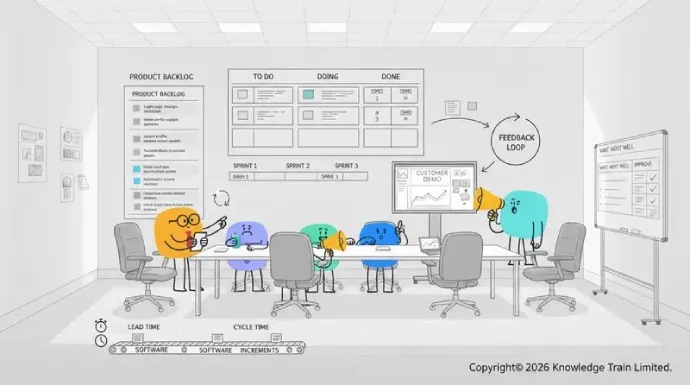
Engaging people with the change processA key part of
managing change
- in an organisation is to engage those people affected by a change initiative. Staff will be involved in the change process eventually, therefore communicating and engaging with staff about a change plan early helps lay the groundwork for its later success.
- Preparing for organisational transition
- Change managers
- are often appointed to make organisational change go smoothly. They use
change management frameworks
to make changes such as:
- Restructuring job roles.
- Restructuring business processes.
- Implementing new technologies.
- Decreasing resistance to a change initiative
- Resistance is inevitable in any change initiative because people often find it unsettling being asked to work in new and different ways. So, change managers can often expect a denial reaction from staff. It takes time to overcome those reactions. When change managers are transparent from day one, the less resistance they are likely to face.
- Improving performance and productivity
- When an organisation adapts improved ways of working, it tends to increase productivity. At the same time, it encourages innovation. As a result, it guarantees improved performance and places an organisation in a healthier environment better able to succeed.
- Reducing costs
- Continuous feedback and adaptation: Monitor outcomes and adjust strategies where necessary.
- Change management processesIdentify the need for change
- : Recognise drivers such as technological advancements, market shifts, or process inefficiencies.Define the vision and objectives
- : Set clear goals for what the change will achieve.Engage stakeholders
- : Involve key groups early to build support and address concerns.
SELF-PACED ONLINE TRAINING COURSES
Self-paced online training courses (e-learning) include:
Certification exam(s) where applicableAccredited training course materials
Support from expert, experienced trainers
Latest educational technology. BUSINESS SOLUTIONS
TO HELP ORGANISATIONS IMPROVEWe offer solutions to help improve team performance including:
Consultancy services
Staff developmentCompliance trainingApprenticeship trainingCustom e-Learning development