
The project manager works with the homeowner and architect to develop detailed blueprints for the renovation project. They also navigate the permit application process, ensuring that all necessary permits are obtained before work begins.Lean
- Main focus:Contractor coordination Elimination of waste, maximising value, continuous improvementThe project manager sources and manages contractors for the renovation project. They vet potential contractors, negotiate contracts, and coordinate their schedules to ensure that the renovation stays on track.
- Core elements:Budget and schedule management Value stream mapping, optimised flow, customer focusThe project manager tracks the renovation project’s budget and timeline. They manage cash flow, handle payments, and adjust the timeline as needed to keep the project on track and within budget.
- Advantages:3. Process improvement innovation Improved efficiency, reduced delays, enhanced qualityMarket research and consumer feedback
Extreme Programming (XP)The
- Main focus:project manager Technical excellence, frequent releases, customer involvement conducts market research to understand the current market landscape and identify potential opportunities for innovation and improvement. They also gather consumer feedback through surveys, focus groups, and other channels to understand their needs and pain points.
- Core practices:Solution brainstorming Pair programming, test-driven development, continuous integration, The project manager leads cross-functional teams in brainstorming and idea generation sessions. They facilitate discussions, help evaluate potential solutions, and narrow down the options based on their feasibility, impact, and alignment with the company’s goals.user storiesImplementation planning
- Advantages:Once a solution has been selected, the project manager develops an implementation plan. They oversee the process, manage resources, and ensure that the new process or product is effectively integrated into the company’s operations. Rapid feedback, high product quality, adaptability to change4. Business office consolidation
Comparison: Scrum, Kanban, Lean, XPFacility selection and preparation
| FrameworkThe project manager assesses the available options for the new office location, considering factors such as size, cost, and location. They coordinate with the facilities team to prepare the chosen location for the move, including any necessary renovations or installations. | Main focusIT infrastructure management | Key practiceThe project manager coordinates the move of IT equipment and data, working with the IT department to plan and execute the transfer. They ensure that all necessary equipment is installed and functional in the new location and that data is safely and securely transferred. | Team structureChange management and communication | Best use caseThe project manager manages the human side of the office consolidation, developing a communication plan to keep all employees informed of the move’s progress. They address any concerns, manage expectations, and work with human resources and other teams to facilitate a smooth transition for all staff. |
|---|---|---|---|---|
| Scrum5. Website development | Time-boxed iterations (Sprints)Team coordination (designers, developers, stakeholders) | Predefined roles and eventsThe project manager assembles and coordinates a team of designers, developers, and stakeholders. They facilitate communication and collaboration between team members to ensure that everyone is aligned on the project goals and their specific roles and responsibilities. | Cross-functionalTimeline creation and testing | Complex projects needing structureThe project manager develops a detailed timeline for the website development process, including key milestones and deadlines. They also coordinate testing phases to ensure that any issues are identified and addressed before the website is launched. |
| KanbanContingency planning | Visual workflow & limitsThe project manager anticipates potential issues and plans for contingencies to mitigate their impact on the project. This may include budget overruns, delays in content delivery, or technical challenges. | Kanban board, WIP limits6. Construction technology innovation | Flexible rolesIdentifying industry needs | Ongoing support/operationsThe project manager researches the construction industry to identify current challenges and needs. They consult with industry professionals to understand potential areas for technological innovation. |
| LeanPrototype development | Eliminate wasteCollaborating with engineers and designers, the | Value stream mappingproject manager | ||
| XP | Technical best practicesImplementation and testing | Pair programming, TDDThe project manager coordinates on-site testing of the new technology in real construction environments. They collect data on its performance, user experience, and areas for improvement. Based on the results, they guide further refinements and modifications before full-scale implementation. | Small, tech-focused teams7. Remote working | Software projects needing qualitySoftware selection and implementation |
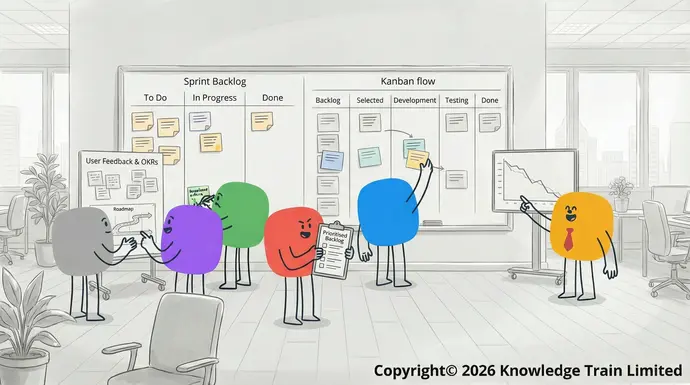
Agile vs traditional (waterfall) project managementThe project manager evaluates various collaboration and productivity tools. They select appropriate software solutions and oversee their implementation across the organisation, including training sessions for employees.
The Cost analysis and projectionswaterfall modelA detailed cost analysis is conducted, comparing the expenses associated with remote work setups to traditional office costs. The project manager creates cost-saving projections and potential productivity gains. is a sequential, plan-driven approach where phases follow one another with minimal overlap. Employee survey and communicationAgile project managementTo ensure a smooth transition to remote work, the project manager conducts surveys to understand employee needs an contrasts this with its focus on flexible planning, iterative progress, and stakeholder feedback throughout:
| Aspect | Agiled concerns. They also develop a communication strategy to keep all staff informed about the remote work plan and address any questions or issues. | Waterfall8. Deck building |
|---|---|---|
| ApproachDesign and material selection | Iterative and incrementalThe project manager collaborates with the homeowner and designers to create a deck plan that meets aesthetic and functional requirements. They research and select suitable materials, considering factors like durability, cost, and maintenance needs. | Sequential and linearPermit acquisition |
| FlexibilityNavigating local building regulations, the project manager secures all necessary permits for the deck construction. They ensure the design complies with safety standards and zoning requirements. | Highly adaptive to changeConstruction management | Change-resistantThroughout the building process, the project manager oversees the construction team. They monitor progress, manage the budget, and address any unforeseen issues that arise during construction. |
| Customer Involvement9. Product development | Continuous collaborationMarket analysis and concept development | Primarily at start/endThe project manager leads market research efforts to identify consumer needs and preferences. They guide the team through concept development, ensuring the product aligns with market demands and company capabilities. |
| Risk managementPrototype creation and testing | Early and ongoing detection | Late-stage identificationOverseeing the creation of product prototypes, the project manager coordinates testing phases. They gather feedback from potential users and stakeholders, using this information to refine the product design. |
| DeliveryProduction and launch planning | Work delivered frequentlyAs the product nears completion, the project manager develops a production strategy. They coordinate with manufacturing teams, create a launch timeline, and oversee marketing efforts to ensure a successful product introduction. | Single final delivery10. Customer loyalty programme launch |
| Suitable forProgramme design and structure | Complex, evolving The project manager works with marketing and customer service teams to design an engaging loyalty programme. They define reward structures, membership tiers, and programme rules that align with company objectives and customer preferences. |
Benefits of Agile project managementCommunication tools
- Accelerated delivery of value through iterative increments: Platforms such as Slack and Microsoft Teams enable real-time communication and collaboration.
- Improved team collaboration and transparencyDocument management systems
- Quick response to customer feedback and market changes: SharePoint and Google Drive allow for centralised storage and easy access to project documents.
- Reduced project risks and higher stakeholder satisfactionTime-tracking software
- High-quality deliverables due to continuous review: Harvest and Toggl are useful for monitoring time spent on tasks, aiding in resource allocation and billing.
Challenges and limitationsRisk management tools
- Requires experienced, self-organising teams: Assist in identifying, assessing, and mitigating potential project risks.
- Most Selecting the appropriate methodology and tools depends on the project’s nature, team dynamics, and organisational culture. Proficiency in these methodologies and tools is essential for modern Agileproject managers frameworks are designed for product delivery, not to navigate complex projects successfully.project managementEnhance your skills with our expert-led courses.
- Less suitable when requirements are fixed and well-defined
- Organisational resistance to cultural change
- Potential for scope creep without disciplined backlog managementSelf-paced
Real-world applications and use casesAPM PFQ blended online
Agile project management originated in software development but is now used in industries including marketing, education, manufacturing, and construction. Its continuous improvement£749 +vat and team collaboration principles enhance innovation, adaptiveness, and client-centric outcomes.
- ITSelf-paced/software:PRINCE2 Agile Practitioner (with Foundation) self-paced online Dynamic product requirements, regular releases, user feedback
- Marketing:£1,399 +vat Campaigns adapted based on analytics and feedback
- Construction: Early delivery of completed sections, iterative design
Authoritative standards organisations like the Self-pacedAgile Business ConsortiumAgilePM Practitioner (with Foundation) self-paced online, Agile Alliance£1,299 +vat, ConclusionScrum.orgProject management is a diverse and dynamic field that demands a wide range of skills and adaptability. In this post, we’ve examined ten real-world examples that showcase the versatility of project management across various industries. From fundraising for local schools to launching a construction technology innovation, these cases illustrate the universal applicability of the core , and principlesProject Management Institute (PMI) and practices of project management. provide resources, definitions, and For those looking to build a career in project management, focus on developing key skills such as strong leadership abilities, effective communication, technical proficiency in different methodologies and tools, and problem-solving capabilities. Work on building a comprehensive portfolio and continuously expand your knowledge and expertise.certificationsRemember, successful project management is as much about people skills as it is about technical know-how. Embrace learning opportunities, stay up-to-date with the latest industry trends, and you’ll be well on your way to a fulfilling career in the world of for Agile professionals.project management
FAQsProject Management Professional
What is the difference between Agile and waterfall project management? (PMP) certification is the most widely recognised and valued. Other popular certifications include
The main difference is that PRINCE2Agile, is iterative and flexible, allowing change at any stage, while Agile Certified Practitionerwaterfall (PMI-ACP), and Certified ScrumMaster (CSM). The best certification for you depends on your industry and career goals. follows a strict, linear process where each phase must be completed before the next begins. Agile encourages frequent feedback and continuous delivery of value, whereas waterfall often delivers only at the end.How do I handle unexpected challenges during a project?
What are the main stages of an Agile project?When faced with unexpected challenges, stay calm and assess the situation objectively. Communicate transparently with stakeholders and team members. Develop alternative solutions, evaluate their impact on project goals, and implement the most suitable option. Always document these challenges and resolutions for future reference.
Typical stages of an Agile project include vision and roadmap creation, backlog development, sprint planning, execution (iteration), review, and retrospectives. Continuous improvement occurs at every stage.What are the key metrics for measuring project success?
What are the key frameworks of Agile project management?Key project success metrics include:
Key Agile frameworks are On-time completionScrumBudget adherence, Kanban, Lean, and Extreme Programming (XP). Each offers a unique structure for managing roles, processes, and workflow.Scope fulfilment
What are the benefits and challenges of Agile project management?Quality of deliverables
Advantages include adaptability, stakeholder engagement, and high product quality. Challenges may include initial resistance, need for team discipline, and less suitability for projects with fixed, unchanging requirements.Stakeholder satisfaction
Where is Agile project management commonly used?Return On Investment (ROI).
While most common in software development, Agile is used in industries such as marketing, manufacturing, construction, and education wherever flexible, iterative approaches add value.These metrics should be established at the project’s outset and monitored throughout its lifecycle. Keep in mind that success criteria may vary depending on the project’s nature and organisational priorities.