Agile project management: Frameworks, benefits and how it works

- Programme managerIndividuals and interactions over processes and tools
- Working software (or product) over comprehensive documentationProject manager
- Customer collaboration over contract negotiationSuccess criteria
- Responding to change over following a planStrategic alignment and realised benefits
Twelve principles of AgileProject scope, time, cost, and quality
- Customer satisfaction through early and continuous deliveryMethodologies
- Welcome changing requirements, even late in developmentMSP
- Deliver working products frequently,
- Close, daily cooperation between business people and developersPMI
- Build PRINCE2projects, PMI PMBOK around motivated individualsProgramme management frameworks
- Face-to-face conversation as the best form of communicationProven
- Working product as the primary measure of progressframeworks
- Sustainable development pace and
- Continuous attention to technical excellence and good designmethodologies
- Simplicity – the art of maximising the amount of work not done – is essential bring structure and efficiency to programme management. Some of the most utilised include:
- Self-organising teams produce the best resultsMSP (
- Regular reflections for continuous improvementManaging Successful Programmes
Key Agile frameworks and methodologies):
Agile Widely used in the UK, MSP provides principles and processes for managing complex encompasses various frameworks, each with its own practices and terminology. The most widely used Agile frameworks were designed for more efficient product delivery, rather than programmesproject management. It emphasises leadership, benefits realisation, governance, and . They include risk managementScrum., Kanban, Lean, and Extreme Programming (XP):PMI (
ScrumProject Management Institute
- Main focus:) Standard for Program Management: Team roles, time-boxed sprints, and iterative delivery Globally recognised, the PMI standard focuses on aligning programme outcomes with organisational strategy, stakeholder engagement, and progressive elaboration of programme benefits.
- Core roles:PRINCE2 Product Owner, :Scrum Master While primarily for , Team Membersprojects
- Artefacts:, PRINCE2 techniques are often tailored within a programme context to ensure consistency and effective control across projects. Product backlog, sprint backlogAgile Programme Management:
- Key events: Sprint planning, daily scrum, sprint review, sprint retrospectivesAgile methods
- Advantages: enable adaptive planning, incremental delivery, and continuous improvement. Agile frameworks are often applied to outcomes-focused, rapidly changing environments. Well-defined structure, clear accountability, transparencyCertification is available for each methodology, supporting best practices and professional development for programme managers.
KanbanProgramme life cycle
- Main focus:The Visualisation of workflow, limiting work in progress, continuous flowprogramme life cycle
- Core elements: describes the distinct phases of effective programme management. These typically include: Kanban board, work-in-progress limits, cards/tasksProgramme identification:
- Advantages: Assess organisational needs, define objectives, and evaluate strategic alignment. Flexibility, real-time workflow visualisation, easy adoption without role changesProgramme definition:
Lean Develop the
- Main focus:business case Elimination of waste, maximising value, continuous improvement, programme charter, and key performance indicators. Identify stakeholders and establish governance structures.
- Core elements:Programme planning:
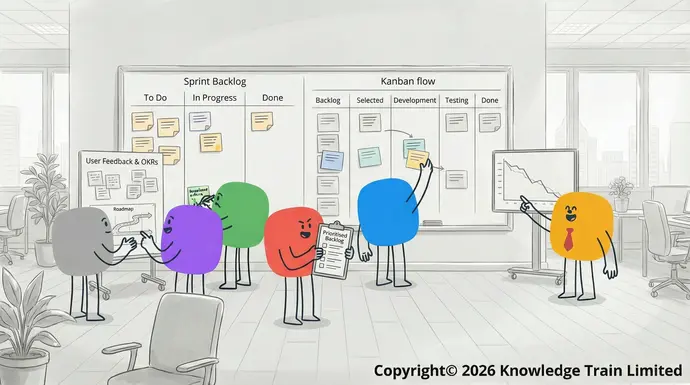
Typical stages of an Agile project include vision and roadmap creation, backlog development, sprint planning, execution (iteration), review, and retrospectives. Continuous improvement occurs at every stage.
Scrum, Kanban, Lean, and Extreme Programming (XP). Each offers a unique structure for managing roles, processes, and workflow.Simon Buehring
What are the benefits and challenges of Agile project management?19 Feb 2026
Advantages include adaptability, stakeholder engagement, and high product quality. Challenges may include initial resistance, need for team discipline, and less suitability for projects with fixed, unchanging requirements.
Where is Agile project management commonly used?Discover how MSP training and qualifications can enhance your career and contribute to successful programme design and delivery. Read on for more.
While most common in software development, Agile is used in industries such as marketing, manufacturing, construction, and education wherever flexible, iterative approaches add value.