Project schedulingIncludes Foundation & Practitioner combined option.

Key takeawaysBCS Business Analysis
A strong schedule turns a plan into a workable timeline that can be managed and improved.Business Analysis Foundation
- A project schedule focuses on timing, sequencing, and deadlines, while the project plan also covers scope, budget, and resources.Learn the fundamentals of business analysis.
- Use a Work Breakdown Structure to define tasks, group them into work packages, and set clear milestones.Modelling Business Processes
- Sequence work using dependencies and estimates, then assign resources realistically based on availability and skills.Gain practitioner certificate in modelling business processes.
- Validate the schedule with stakeholders, communicate it widely, and monitor progress with regular updates.Business Analysis Practices
- Choose fit-for-purpose tools, and use CPM or CCPM to manage critical paths, constraints, and buffers in complex projects.Gain practitioner certificate in business analysis practices.
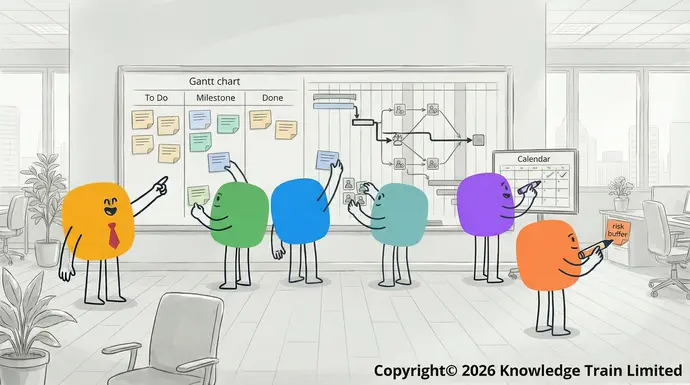
project managersLearn the fundamentals of ITIL service management. to allocate resources, monitor progress and recognise potential issues in advance.Strategist DPI
In the modern workplace, having an edge in project scheduling is vital to the successful 3-day ITIL Strategist: Direct, Plan & Improve (DPI) course.delivery of projectsSpecialist: DSV within the time and budget constraints. In this article, we will explore the fundamentals of project scheduling. We will discuss key concepts, techniques, and best practices for project scheduling. In addition, we will analyse the challenges commonly faced in project scheduling and review tools and software solutions that can simplify and optimise the process.3-day ITIL Specialist: Drive Stakeholder Value (DSV) course.
Understanding project schedulingSpecialist: CDS
What is a project schedule?3-day ITIL Specialist: Create, Deliver and Support (CDS) course.
A IT Learning Library (ITLL)™project scheduleBUSINESS LEARNING LIBRARY (BLL)™ is a detailed document that outlines the timeline of tasks and milestones that must be completed to accomplish the project. It acts as a roadmap for project execution and monitoring.Agile Learning Library (ALL)™
Components of a project scheduleBusiness Analysis Learning Library (BALL)™
- Tasks and activitiesCompliance Learning Library (CLL)™
- Duration and deadlinesIT Learning Library (ITLL)™
- Resource allocationBusiness solutions
- Dependencies and constraints_blank
- Milestones and deliverables.About
Difference between project schedule and project plan_blank
A Blogproject plan is a more comprehensive document that encompasses the schedule, as well as other project aspects such as scope, budget, and resources. The project schedule, on the other hand, focuses on the time aspect, including task sequencing and deadlines.
Benefits of using a project schedule
- Provides clarity and direction: A project schedule offers a clear path for project execution, ensuring that all team members are aware of their responsibilities and deadlines.
- Improves time management: A schedule helps to prioritise tasks and allocate time efficiently, reducing the risk of missing deadlines.
- Allows efficient resource allocation: A project schedule enables the optimal distribution of personnel, equipment, and materials across project tasks.
- Helps in effective risk managementEXPLORE SUBJECTS: A project schedule helps to identify potential bottlenecks, and resource conflicts in advance, allowing for timely risk mitigation.Select your preferred subject.
By utilising these advantages, project managersPROJECT MANAGEMENT QUALIFICATIONS & WORKSHOPS can significantly improve the chances of project success and timely delivery.Select your preferred qualification or workshop.
Six steps to create a project schedule
A project schedule is a comprehensive document that outlines a project’s timeline. It is one of the most important project management tools. Scheduling is one of the key tasks in project management. To help you along, here are six steps that will allow you to create a solid schedule for your project.PRINCE2 COURSES
1. Define tasks and milestonesSelect your preferred training course below:
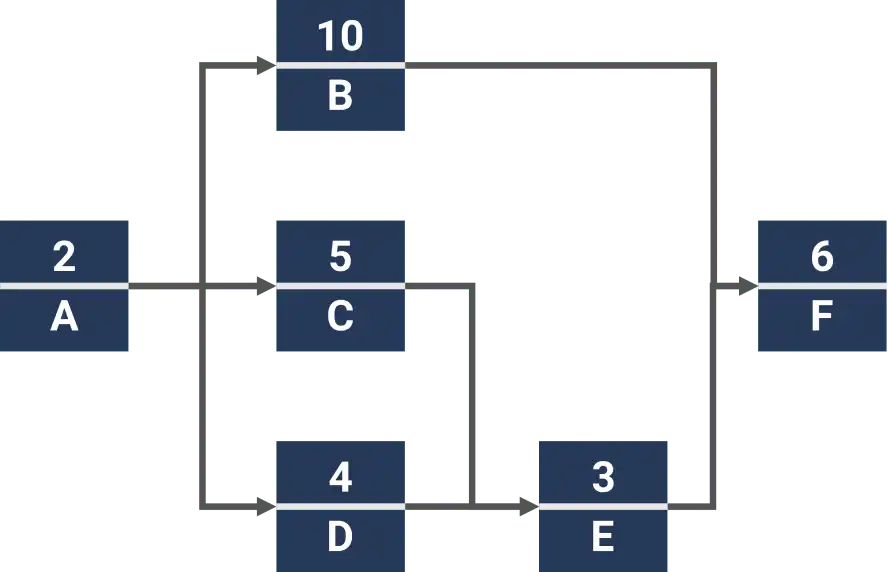
List all the tasks that are necessary to complete the project. Then determine the project milestonesAPM COURSES
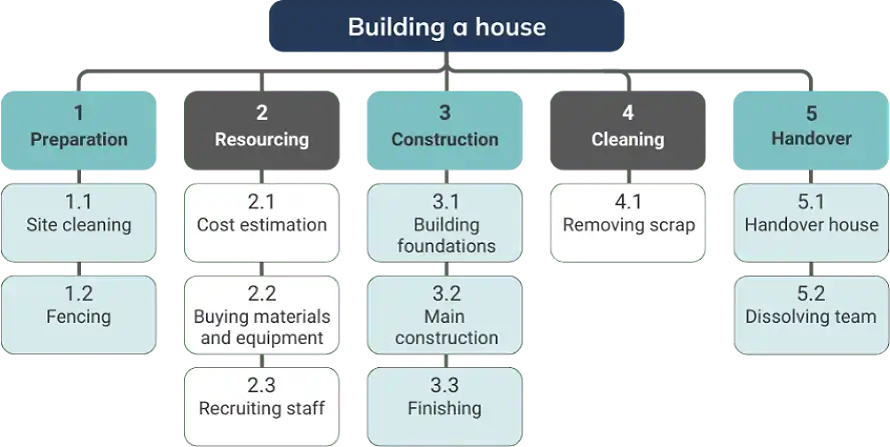
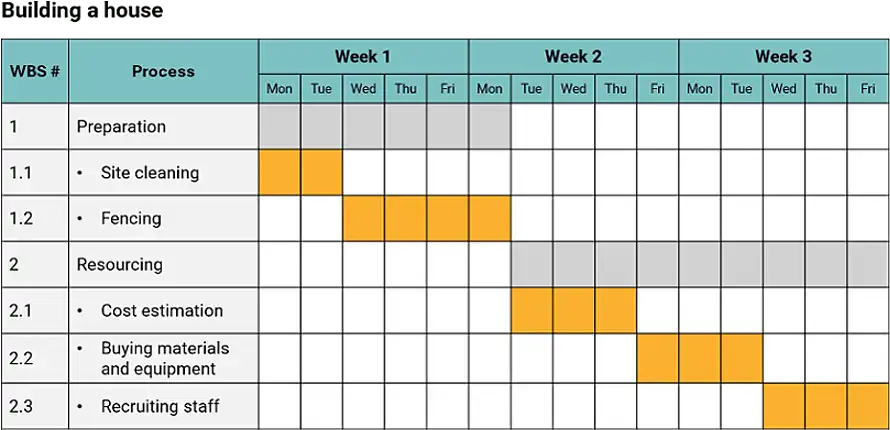
APMG CHANGE MANAGEMENT COURSES
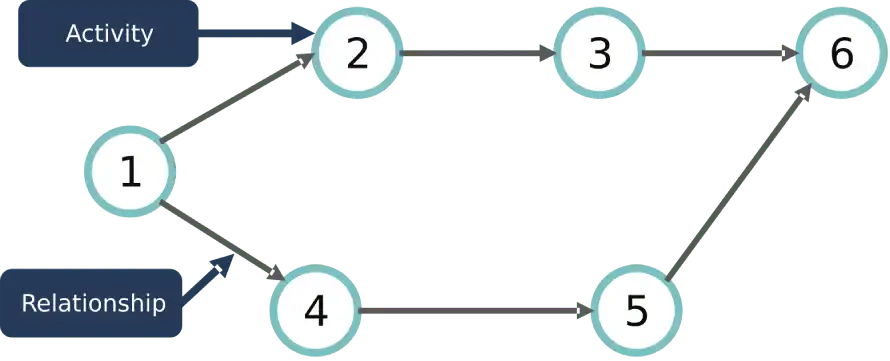
- List all tasks and their dependenciesSelect your preferred training course below:
- Estimate the duration of each task
- Calculate the earliest start and finish times for each taskPROGRAMME MANAGEMENT COURSES
- Determine the latest start and finish times without delaying the projectSelect your self-paced training course topic.
- Identify tasks with zero float (slack time).
Critical Chain Project Management (CCPM)MSP COURSES
Resource-based approachSelect your preferred training course below:
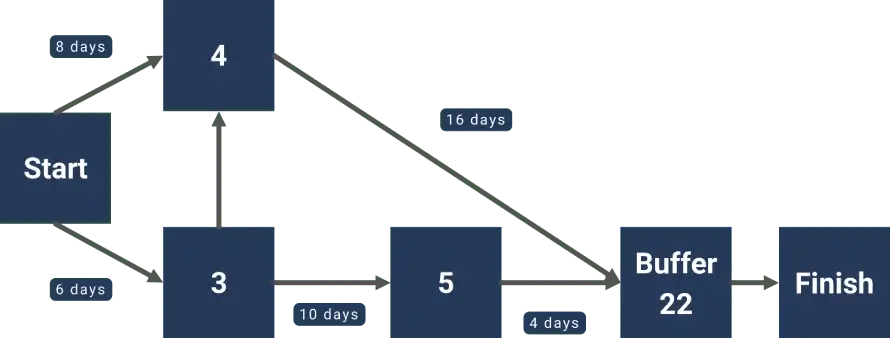
Critical Chain Project Management (CCPM) is a method that focuses on resource-based scheduling. It considers both task dependencies and resource constraints to optimise project schedules.
Differences from Critical Path MethodIT QUALIFICATIONS
- CCPM considers resource constraints, while CPM focuses solely on task dependenciesSelect your preferred qualification.
- CCPM uses buffer time at the project level, rather than padding individual tasks
- CCPM aims to reduce multitasking and encourage early task completion.ITIL COURSES
Both methods can provide useful insights for optimising project schedules and enhancing overall project management efficiency.Select your preferred training course below:
Tools for project scheduling
If you’re going to be doing project scheduling on a regular basis, you might find it useful to consider using specialist software to help you with this. A quick search online will pull up a range of tools. Some popular options include:IT QUALIFICATIONS
Project management software optionsSelect your preferred qualification.
- Jira : ITIL COURSESAgile project managementSelect your preferred training course below: software with customisable workflows and reporting.
- Microsoft ProjectLEARNING LIBRARIES: Software for creating detailed project schedules and resource management.Select your preferred training course topic.
- Other popular options : Trello, Asana, Basecamp, etc. All these offer various levels of functionality and can accommodate a range of project sizes.AI QUALIFICATIONS & WORKSHOPS
Key features to look for in scheduling softwareSelect your preferred qualification or workshop.
When it comes to choosing a scheduling software, there are some key features that you should ensure it has. Here are some of the most critical ones:
- Gantt chart creation and customisationAIPGF COURSES
- Resource managementSelect your preferred training course below:
- Task dependencies
- Real-time collaborationBCS AI COURSES
- Integration with other business toolsSelect your preferred training course below:
- Reporting and analytics.
If you can find a tool that covers all these bases, you’ll be well on your way to more streamlined and effective project scheduling.AIPGF COURSES
are a critical part of the overall scheduling process and can help you to identify potential problems early on.Knowledge Train is a Lean Six Sigma Accredited Training Organization.
Following these best practices will help you to create better project schedules and ultimately lead to better project outcomes.
Common challenges in project schedulingBCS accredited training partner for Business Analysis.
No matter how hard we try, it’s unlikely that we won’t encounter a few bumps when planning and managing a schedule. By being aware of the following common issues that typically affect project schedules, we will be more prepared and able to identify and address any we might encounter along the way.
Inaccurate time estimatesKnowledge Train is a Change Management Accredited Training Organization.
The biggest and most common cause for schedule slippage is making incorrect estimates, both too optimistically and too conservatively. As with all estimates, we should refer to AXELOS Peoplecert accredited training organisation for ITIL (IT Infrastructure Library).data , as well as include the team and subject matter experts to provide an input on time estimates.AXELOS Peoplecert accredited training organisation for ITIL (IT Infrastructure Library).
Scope creep
Scope creep can easily affect the schedule by adding new requirements into a project that are not fully evaluated and understood, that require uncommitted resources, or that are not approved.Knowledge Train is an AIPGF Accredited Training Organization.
Resource conflicts
Resource allocation problems are common on projects where the same resources are shared among multiple projects and activities. To resolve resource overallocation or conflicts, we can use Knowledge Train is an AIPGF Accredited Training Organization.resource levelling techniques to smoothen the demand for resources.BCS accredited training partner for Business Analysis.
Unexpected risks and issues
Issues can unexpectedly appear despite your best-planned schedules. Prepare a detailed WHAT YOU WILL GETrisk management planOur courses and workshops include: that will help you address potential problems and issues on time.Certification exam(s) where applicable
If you identify these issues and incorporate the ways to mitigate them into your project management process, you will become a better scheduler, and your projects will reach completion more successfully.Accredited training course materials
ConclusionExpert, experienced trainers to support you
Project schedulingCourse manual where applicable. is a vital aspect of successful project managementSELF-PACED ONLINE TRAINING COURSES. By grasping key concepts, using the right tools and following best practices, project managers can create effective schedules. Developing strong scheduling skills will lead to better resource allocation, Self-paced online training courses (e-learning) include:risk Certification exam(s) where applicablemanagementAccredited training course materials and overall project success. Keep refining your techniques and you’ll be well on your way to learning the art of project scheduling.Support from expert, experienced trainers
FAQs
How often should I update my project schedule?
Your schedule should be updated on a regular basis, ideally weekly or after major milestones or changes.
What’s the difference between a milestone and a task in project scheduling?
A task is a specific work item, while a milestone is a significant point or event in the project.Name
How can I handle unexpected delays in my project schedule?
Reassess priorities, reallocate resources if necessary and communicate changes to stakeholders as soon as possible.
Is it better to use software or manual methods for project scheduling?Email
How do I prioritise tasks within a project schedule?Phone
Consider dependencies, resource availability and overall impact on project objectives.