
4. Assign resources
Identify the resources needed for each task, then assign them to the relevant tasks. Be sure to consider team members’ skills and experience, availability and current workloads.
5. Finalise the schedule
Confirm the draft schedule with the stakeholders and finalise it. Be sure that the schedule is realistic and it meets the project’s objectives and constraints and use the scheduling software to create a SearchGantt chart (or another visual representation).
Project scheduling techniquesHome
There are several techniques available for the effective creation and management of project schedules. Some of these techniques include Gantt charts, task lists, and calendars. This knowledge train will cover the definition and purpose of each of these techniques, the advantages and limitations of using each, when it is appropriate to use each, and benefits for smaller projects. The knowledge train aims to provide a comprehensive understanding of project scheduling techniques to help project managers make informed decisions about which techniques to use for their projects.Certification
Gantt charts
Definition and purpose
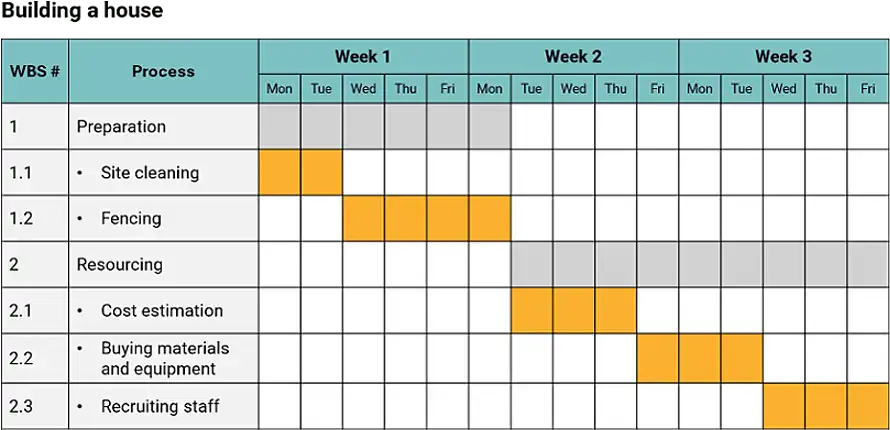
A Certification: Definition, Types, Process and StandardsGantt chart is a type of bar chart that is commonly used in project management to visually represent a project schedule. It shows the start and end dates of project tasks, as well as their duration, as horizontal bars along a timeline. Gantt charts can also be used to display the dependencies between tasks.Knowledge Train
Advantages and limitations23 Apr 2026
Advantages
- Provides a visual representation of task dependencies
- Simplifies the identification of the critical path
- Capable of showing progress against the planned schedule.
Limitations
- Can become cluttered and difficult to read for larger projects with many tasks
- Can be time-consuming to create and maintain
- Limited ability to show detailed task dependencies and resource allocation.
Task lists
When to use task lists
Task lists are often used in project management as a basic tool for organising and tracking project activities. They can be useful in the early stages of a project, or as a supplement to more advanced scheduling techniques. Task lists are appropriate to use when the project is relatively simple, and the team members are familiar with the tasks.
Benefits for small projects
- Simple to develop and maintain
- Facilitate clear communication of responsibilities
- Allow quick changes and revisions.
Calendars
Uses in project scheduling
Calendars are often used in project management to help visualise and plan the timeline of a project. They can be used to track important project dates, such as milestones, deadlines, and deliverables. Calendars can also be used to provide an overall view of the project’s timeline.
Limitations of calendar-based scheduling
- Inadequate representation of task dependencies
- May lack necessary detail for more intricate projects
- Challenges in depicting tasks with varying durations.Copied!
Project scheduling techniques are an essential aspect of project management and choosing the right technique can greatly impact the success of a project. By understanding the advantages and limitations of each technique, as well as when and where to use them, Key takeawaysproject managersCertification works best when it is accredited, well assessed, and tied to real job needs. can effectively create and manage project schedules. Combining multiple techniques, such as using a Gantt chart to track progress and a calendar to visualise the timeline, can also be a useful strategy for managing project schedules.Certification provides formal validation of skills against defined standards and improves credibility with employers and customers.
Advanced scheduling conceptsThe typical route is eligibility checks, application, exam or assessment, verified issuance, and periodic renewal.
The more complex the Accreditation and independent oversight increase trust and protect candidate outcomes through audits and quality assurance.projectOnline and blended learning widen access, but candidates should confirm technical requirements and support before enrolling., the more benefit can be gained from advanced scheduling techniques. CPM and CCPM are methods to take your project planning to the next level.Employers gain clearer competency frameworks and can measure ROI through productivity, retention, and progression metrics.
Critical Path Method (CPM)
Definition and importance
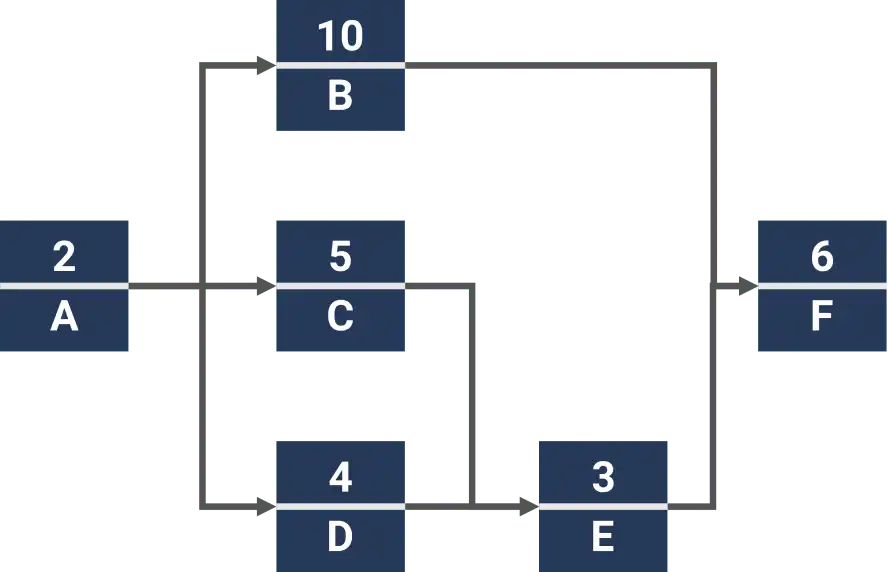
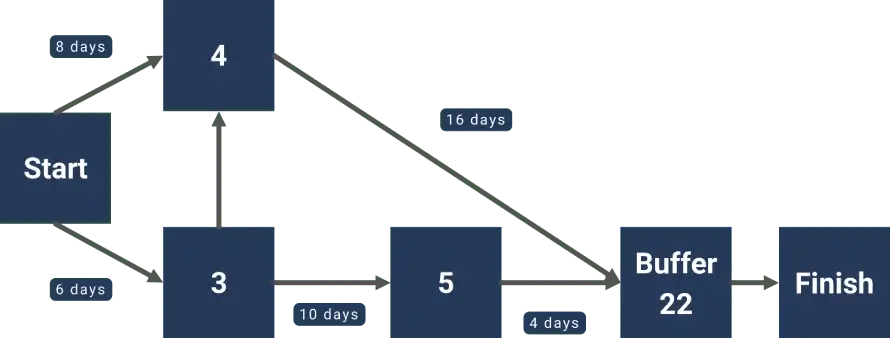
The Critical Path MethodContents (CPM) is a project management technique used to identify the longest path of dependent tasks in a project schedule. The critical path determines the minimum project duration.
Best practices for effective project scheduling or
As with all things, there are several best practices you can follow that will help you improve the quality of your project scheduling. Here are some of the most important ones:ANSI
Collaborate with team members certification).
Get your team involved in the scheduling process. Their input can be invaluable in terms of providing more accurate estimates for task durations and helping you to identify potential issues. This approach can also be helpful in terms of getting your team to Employability:buy-in Enhances job prospects and professional reputation. to the schedule.Professional development:
Break large tasks into smaller, manageable pieces Supports career progression and commitment to lifelong learning through
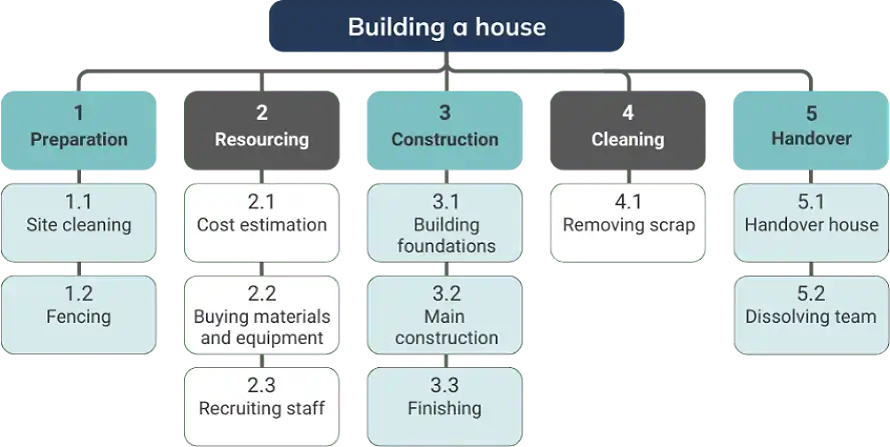
Break complex tasks into smaller and more manageable subtasks. This method, called continuing educationWork Breakdown Structure. (WBS), makes it easier to estimate the time, track progress, and allocate resources.Recognition:
Consider dependencies and constraints Recognised by employers, customers, and peers as evidence of capability.
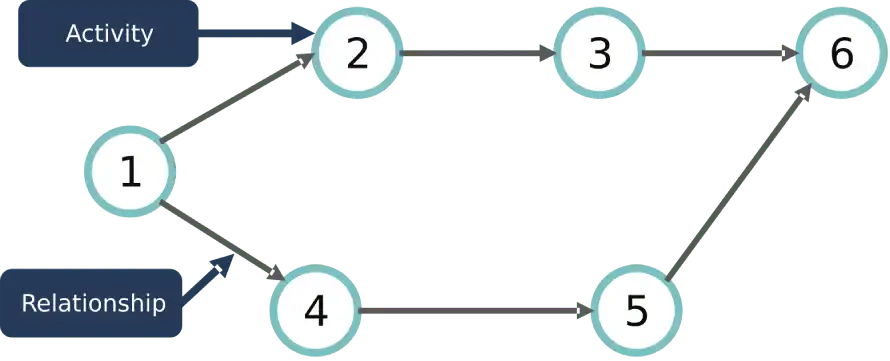
Identify and document all task dependencies and project constraints. This will help you to avoid scheduling conflicts and ensure that activities are logically sequenced.Types of certifications
Build in buffer time for unexpected delaysProfessional certification:
Include Awarded by professional bodies or organisations in fields such as buffer timeproject management in your schedule to account for potential delays and unforeseen events. This will give you more flexibility in your schedule and help to avoid missed deadlines., finance,
Regularly update and communicate schedule changesIT
Update your schedule regularly and communicate any changes to stakeholders. Schedule , or healthcare. Examples include certifications from reviewsANSI are a critical part of the overall scheduling process and can help you to identify potential problems early on. or
Following these best practices will help you to create better project schedules and ultimately lead to better project outcomes.state boards
Common challenges in project scheduling.
No matter how hard we try, it’s unlikely that we won’t encounter a few bumps when planning and managing a schedule. By being aware of the following common issues that typically affect project schedules, we will be more prepared and able to identify and address any we might encounter along the way.Academic certification:
The biggest and most common cause for schedule slippage is making incorrect estimates, both too optimistically and too conservatively. As with all estimates, we should refer to historic data, as well as include the team and subject matter experts to provide an input on time estimates.
FAQs Project management certificate, occupational Health & Safety certification, IT professional certificate.
How often should I update my project schedule?Process:
Your schedule should be updated on a regular basis, ideally weekly or after major milestones or changes. Eligibility -> Application -> Exam/Assessment -> Validation -> Renewal.
What’s the difference between a milestone and a task in project scheduling?Duration:
A task is a specific work item, while a milestone is a significant point or event in the project. Validity typically ranges from 1 to 5 years, with renewal processes in place.
How can I handle unexpected delays in my project schedule?Top certifying organisations:
Reassess priorities, reallocate resources if necessary and communicate changes to stakeholders as soon as possible. ANSI, ISO, various state boards, and leading professional organisations.
Is it better to use software or manual methods for project scheduling?FAQs
Software is usually more efficient and accurate, particularly for complex projects.What is a certification?
How do I prioritise tasks within a project schedule?A certification is formal recognition awarded by an independent certifying body, confirming that an individual has met specific knowledge and skill standards through assessment or an exam.
Consider dependencies, resource availability and overall impact on project objectives.How do you get certified?