Project scheduling

Key takeawaysHere are some reasons why change management is important.
A strong schedule turns a plan into a workable timeline that can be managed and improved.External factors
- A project schedule focuses on timing, sequencing, and deadlines, while the project plan also covers scope, budget, and resources.External factors play a big role in
- Use a Work Breakdown Structure to define tasks, group them into work packages, and set clear milestones.organisational change
- Sequence work using dependencies and estimates, then assign resources realistically based on availability and skills.. Globalisation and the rapid developments in new digital solutions are forcing organisations to respond. Ignoring such external factors is likely to jeopardise your organisation’s success.
- Validate the schedule with stakeholders, communicate it widely, and monitor progress with regular updates.Nokia was once the biggest mobile phone company in the world, but it almost went out of business. That’s because it didn’t keep up with changes in mobile technologies. As a result, Nokia’s products didn’t appeal to consumers, and its market share rapidly declined.
- Choose fit-for-purpose tools, and use CPM or CCPM to manage critical paths, constraints, and buffers in complex projects.Making ideas succeed
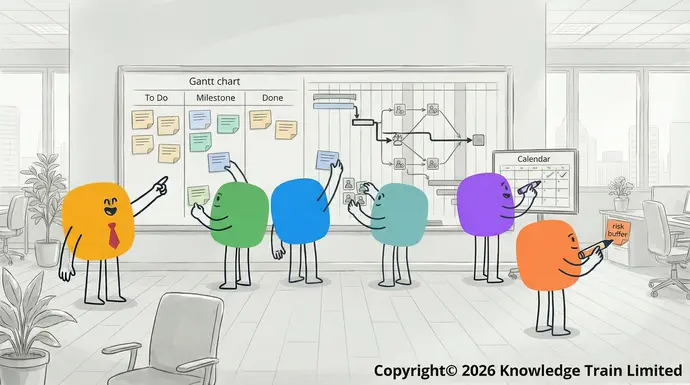
- Duration and deadlinesContinuous feedback and adaptation
- Resource allocation: Monitor outcomes and adjust strategies where necessary.
- Dependencies and constraintsChange management processes
- Milestones and deliverables.Identify the need for change
Difference between project schedule and project plan: Recognise drivers such as technological advancements, market shifts, or process inefficiencies.
A Define the vision and objectivesproject: Set clear goals for what the change will achieve. Engage stakeholdersplan: Involve key groups early to build support and address concerns. is a more comprehensive document that encompasses the schedule, as well as other project aspects such as scope, budget, and resources. The project schedule, on the other hand, focuses on the time aspect, including task sequencing and deadlines.Develop a change management plan
Benefits of using a project schedule: Outline actions, timelines, resources, and communication strategies.
- Provides clarity and directionImplement the change: A project schedule offers a clear path for project execution, ensuring that all team members are aware of their responsibilities and deadlines.: Launch the initiative, ensuring leadership guidance and active support from
- Improves time managementchange agents: A schedule helps to prioritise tasks and allocate time efficiently, reducing the risk of missing deadlines..
- Allows efficient resource allocationManage resistance to change: A project schedule enables the optimal distribution of personnel, equipment, and materials across project tasks.: Identify the sources of resistance and address them through communication and support.
- Helps in effective risk managementMonitor progress and reinforce: A project schedule helps to identify potential bottlenecks, and resource conflicts in advance, allowing for timely risk mitigation.: Use metrics to track success and celebrate milestones.
By utilising these advantages, Sustain changeproject managers: Embed new ways of working into culture and practices for lasting results. can significantly improve the chances of project success and timely delivery.Change management frameworks
Six steps to create a project scheduleSeveral
A project schedule is a comprehensive document that outlines a project’s timeline. It is one of the most important project management tools. Scheduling is one of the key tasks in project management. To help you along, here are six steps that will allow you to create a solid schedule for your project.change management frameworks
1. Define tasks and milestones guide organisations through transitions. The most prominent include:
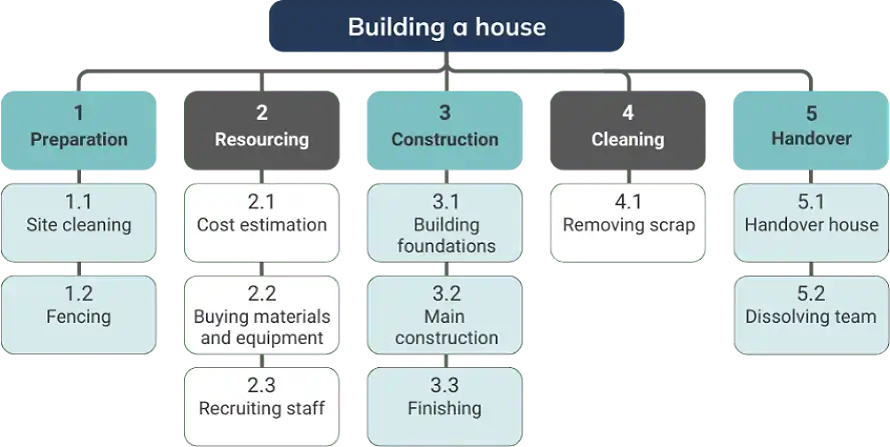
List all the tasks that are necessary to complete the project. Then determine the Kotter’s 8-Step Processproject milestonesLewin’s Change Framework, and group tasks that make up each milestone into work packages. The process of preparing a comprehensive list of project tasks is known as ADKAR framework
Generate short-term wins
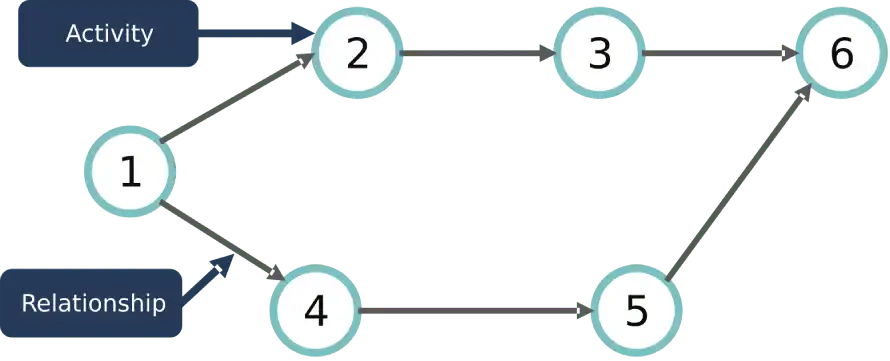
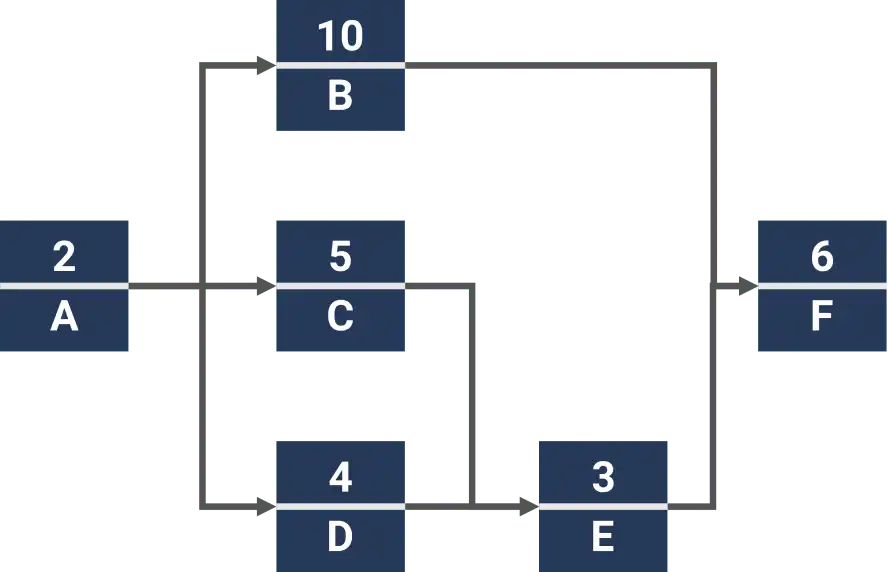
Sequence the tasks, establishing the order in which the work will be performed. Use a Consolidate gains and produce more changenetwork diagramAnchor new approaches in the culture to visualise the dependencies and the critical path.Example: A retailer launching a new digital platform began with urgency around changing customer expectations, formed a cross-functional team, communicated a compelling vision, and celebrated early improvements to build momentum.
3. Estimate task durationsLewin’s Change Model
Estimate the time required for each task, then assign the estimates to each task. For more accurate results, ask your team members to help, and make use of the historical data for tasks of a similar nature to the ones in the current project. As a rule of thumb, provide Unfreezethree-point estimates: Prepare the organisation to accept change by challenging the status quo.:Change
- Optimistic estimate: Transition through adoption of new behaviours and processes.
- Most likely estimateRefreeze
- Pessimistic estimate.: Stabilise the organisation by embedding changes into everyday practice.
4. Assign resourcesExample: A manufacturer seeking to improve quality first destabilised old habits, implemented new protocols, then reinforced behaviours through training and recognition.
Identify the resources needed for each task, then assign them to the relevant tasks. Be sure to consider team members’ skills and experience, availability and current workloads.ADKAR model
5. Finalise the scheduleAwareness
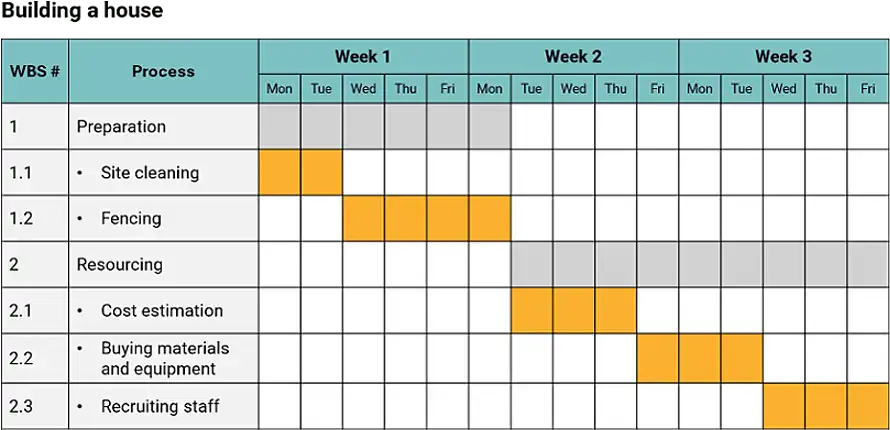
Confirm the draft schedule with the stakeholders and finalise it. Be sure that the schedule is realistic and it meets the project’s objectives and constraints and use the scheduling software to create a of the need for change
- How do you overcome resistance to change?: Agile project managementOvercome resistance by communicating benefits clearly, involving stakeholders, offering support and training, addressing concerns promptly, and recognising employee contributions throughout the transition. software with customisable workflows and reporting.What role do leaders play in change management?
- Microsoft ProjectLeaders set the direction, communicate the vision, build trust, allocate resources, and provide motivation and support to drive successful change.: Software for creating detailed project schedules and resource management.How can employees be engaged during change initiatives?
- Other popular optionsEngage employees by involving them early, asking for input, addressing worries, providing training, celebrating successes, and continuously seeking feedback to make improvements.: Trello, Asana, Basecamp, etc. All these offer various levels of functionality and can accommodate a range of project sizes.Subscribe to our exclusive offers and promotions
Key features to look for in scheduling software
When it comes to choosing a scheduling software, there are some key features that you should ensure it has. Here are some of the most critical ones:Subscribe now
- Gantt chart creation and customisation
- Resource management
- Task dependencies{"@context":"https://schema.org","@type":"WebPage","name":"Change Management: Models, Steps & Best Practices [2024 Guide]","url":"https://www.knowledgetrain.co.uk/change-management","description":"Learn what change management is, key models, steps, challenges, and best practices. A comprehensive 2024 guide for effective organisational change.","significantLink":"https://www.knowledgetrain.co.uk/change-management","mainEntity":[{"@type":"Article","headline":"Change management: models, steps, and best practices","about":[{"@type":"DefinedTerm","name":"change management","sameAs":["https://en.wikipedia.org/wiki/Change_management","https://www.google.com/search?&kgmid=/m/02rxbq1","https://www.wikidata.org/wiki/Q507232"]},{"@type":"DefinedTerm","name":"Kotter's 8-Step Process","sameAs":["https://en.wikipedia.org/wiki/John_Kotter#8-Step_Process_for_Leading_Change","https://www.google.com/search?&kgmid=/g/122ylnch","https://www.wikidata.org/wiki/Q56490748"]},{"@type":"DefinedTerm","name":"Lewin's Change Model","sameAs":["https://en.wikipedia.org/wiki/Kurt_Lewin#Three-Stage_Theory_of_Change","https://www.google.com/search?&kgmid=/g/11b6d4bthh","https://www.wikidata.org/wiki/Q111595438"]},{"@type":"DefinedTerm","name":"ADKAR model","sameAs":["https://en.wikipedia.org/wiki/ADKAR_model","https://www.google.com/search?&kgmid=/g/11c2633t9v","https://www.wikidata.org/wiki/Q24538064"]},{"@type":"DefinedTerm","name":"resistance to change","sameAs":["https://en.wikipedia.org/wiki/Resistance_to_change","https://www.google.com/search?&kgmid=/m/012f2z","https://www.wikidata.org/wiki/Q2163579"]},{"@type":"DefinedTerm","name":"stakeholders","sameAs":["https://en.wikipedia.org/wiki/Stakeholder_(corporate)","https://www.google.com/search?&kgmid=/m/06zl3","https://www.wikidata.org/wiki/Q1152283"]},{"@type":"DefinedTerm","name":"leadership","sameAs":["https://en.wikipedia.org/wiki/Leadership","https://www.google.com/search?&kgmid=/m/04t1k","https://www.wikidata.org/wiki/Q650112"]},{"@type":"DefinedTerm","name":"employee engagement","sameAs":["https://en.wikipedia.org/wiki/Employee_engagement","https://www.google.com/search?&kgmid=/m/0c3v","https://www.wikidata.org/wiki/Q537366"]},{"@type":"DefinedTerm","name":"communication","sameAs":["https://en.wikipedia.org/wiki/Communication","https://www.google.com/search?&kgmid=/m/01n7q","https://www.wikidata.org/wiki/Q11024"]},{"@type":"DefinedTerm","name":"change agent","sameAs":["https://en.wikipedia.org/wiki/Change_agent","https://www.google.com/search?&kgmid=/m/02z7g_","https://www.wikidata.org/wiki/Q507244"]},{"@type":"DefinedTerm","name":"process improvement","sameAs":["https://en.wikipedia.org/wiki/Process_improvement","https://www.google.com/search?&kgmid=/g/11bc61m3_5","https://www.wikidata.org/wiki/Q1530963"]},{"@type":"DefinedTerm","name":"implementation","sameAs":["https://en.wikipedia.org/wiki/Implementation","https://www.google.com/search?&kgmid=/m/035_q","https://www.wikidata.org/wiki/Q181876"]},{"@type":"DefinedTerm","name":"culture change","sameAs":["https://en.wikipedia.org/wiki/Organizational_culture#Change","https://www.google.com/search?&kgmid=/m/02jpz","https://www.wikidata.org/wiki/Q1286925"]},{"@type":"DefinedTerm","name":"organisational development","sameAs":["https://en.wikipedia.org/wiki/Organizational_development","https://www.google.com/search?&kgmid=/m/01534t","https://www.wikidata.org/wiki/Q1261513"]},{"@type":"DefinedTerm","name":"best practices","sameAs":["https://en.wikipedia.org/wiki/Best_practice","https://www.google.com/search?&kgmid=/m/04nsmj","https://www.wikidata.org/wiki/Q48283"]},{"@type":"DefinedTerm","name":"project management","sameAs":["https://en.wikipedia.org/wiki/Project_management","https://www.google.com/search?&kgmid=/m/06n8c","https://www.wikidata.org/wiki/Q171119"]},{"@type":"DefinedTerm","name":"business transformation","sameAs":["https://en.wikipedia.org/wiki/Business_transformation","https://www.google.com/search?&kgmid=/g/11b7wsy5xh","https://www.wikidata.org/wiki/Q28960900"]},{"@type":"DefinedTerm","name":"stakeholder engagement","sameAs":["https://en.wikipedia.org/wiki/Stakeholder_engagement","https://www.google.com/search?&kgmid=/g/11g7dk8pxm","https://www.wikidata.org/wiki/Q7566812"]},{"@type":"DefinedTerm","name":"transition","sameAs":["https://en.wikipedia.org/wiki/Transition_management","https://www.google.com/search?&kgmid=/g/11bzw6dtz0","https://www.wikidata.org/wiki/Q1131930"]},{"@type":"DefinedTerm","name":"risk management","sameAs":["https://en.wikipedia.org/wiki/Risk_management","https://www.google.com/search?&kgmid=/m/06tbh","https://www.wikidata.org/wiki/Q211119"]}],"mentions":[{"@type":"DefinedTerm","name":"change management","sameAs":["https://en.wikipedia.org/wiki/Change_management","https://www.google.com/search?&kgmid=/m/02rxbq1","https://www.wikidata.org/wiki/Q507232"]},{"@type":"DefinedTerm","name":"organisational change","sameAs":["https://en.wikipedia.org/wiki/Organizational_change","https://www.google.com/search?&kgmid=/m/03x62k","https://www.wikidata.org/wiki/Q11943131"]},{"@type":"DefinedTerm","name":"leadership","sameAs":["https://en.wikipedia.org/wiki/Leadership","https://www.google.com/search?&kgmid=/m/04t1k","https://www.wikidata.org/wiki/Q650112"]},{"@type":"DefinedTerm","name":"employee engagement","sameAs":["https://en.wikipedia.org/wiki/Employee_engagement","https://www.google.com/search?&kgmid=/m/0c3v","https://www.wikidata.org/wiki/Q537366"]},{"@type":"DefinedTerm","name":"communication","sameAs":["https://en.wikipedia.org/wiki/Communication","https://www.google.com/search?&kgmid=/m/01n7q","https://www.wikidata.org/wiki/Q11024"]},{"@type":"DefinedTerm","name":"change agent","sameAs":["https://en.wikipedia.org/wiki/Change_agent","https://www.google.com/search?&kgmid=/m/02z7g_","https://www.wikidata.org/wiki/Q507244"]},{"@type":"DefinedTerm","name":"process improvement","sameAs":["https://en.wikipedia.org/wiki/Process_improvement","https://www.google.com/search?&kgmid=/g/11bc61m3_5","https://www.wikidata.org/wiki/Q1530963"]},{"@type":"DefinedTerm","name":"implementation","sameAs":["https://en.wikipedia.org/wiki/Implementation","https://www.google.com/search?&kgmid=/m/035_q","https://www.wikidata.org/wiki/Q181876"]},{"@type":"DefinedTerm","name":"culture change","sameAs":["https://en.wikipedia.org/wiki/Organizational_culture#Change","https://www.google.com/search?&kgmid=/m/02jpz","https://www.wikidata.org/wiki/Q1286925"]},{"@type":"DefinedTerm","name":"project management","sameAs":["https://en.wikipedia.org/wiki/Project_management","https://www.google.com/search?&kgmid=/m/06n8c","https://www.wikidata.org/wiki/Q171119"]}]},{"@type":"FAQPage","mainEntity":[{"@type":"Question","name":"What is change management and why is it important?","acceptedAnswer":{"@type":"Answer","text":"Change management is the process of guiding organisations, individuals, or teams through transitions. It is important because it enables smoother implementation of change, reduces resistance, and ensures that strategic objectives are achieved efficiently."}},{"@type":"Question","name":"What are common change management models?","acceptedAnswer":{"@type":"Answer","text":"The most common models are Kotter’s 8-Step Process, Lewin’s Change Model, and the ADKAR model. Each provides a structured approach to planning and implementing change."}},{"@type":"Question","name":"How do you overcome resistance to change?","acceptedAnswer":{"@type":"Answer","text":"Overcome resistance by communicating benefits clearly, involving stakeholders, offering support and training, addressing concerns promptly, and recognising employee contributions throughout the transition."}},{"@type":"Question","name":"What role do leaders play in change management?","acceptedAnswer":{"@type":"Answer","text":"Leaders set the direction, communicate the vision, build trust, allocate resources, and provide motivation and support to drive successful change."}},{"@type":"Question","name":"How can employees be engaged during change initiatives?","acceptedAnswer":{"@type":"Answer","text":"Engage employees by involving them early, asking for input, addressing worries, providing training, celebrating successes, and continuously seeking feedback to make improvements."}}]}]}
- Real-time collaboration
- Integration with other business toolsRelated articles
- Reporting and analytics.
If you can find a tool that covers all these bases, you’ll be well on your way to more streamlined and effective project scheduling.
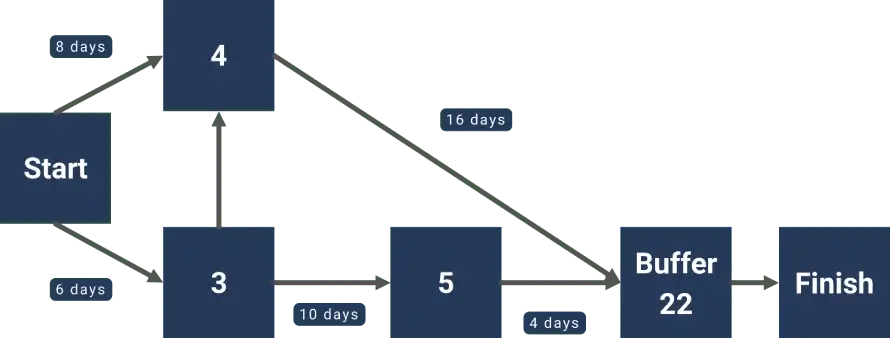
Include buffer time in your schedule to account for potential delays and unforeseen events. This will give you more flexibility in your schedule and help to avoid missed deadlines.
Regularly update and communicate schedule changes
Update your schedule regularly and communicate any changes to stakeholders. Schedule Thriving in Change – Webinar with Luz Flores Leereviews are a critical part of the overall scheduling process and can help you to identify potential problems early on.Sevcan Yasa
Following these best practices will help you to create better project schedules and ultimately lead to better project outcomes.19 Feb 2026
Common challenges in project scheduling
No matter how hard we try, it’s unlikely that we won’t encounter a few bumps when planning and managing a schedule. By being aware of the following common issues that typically affect project schedules, we will be more prepared and able to identify and address any we might encounter along the way.Watch this insightful webinar with Luz Flores Lee to master Agile strategies for navigating change in your career. Scroll down to enhance your skills and advance your professional journey.
Inaccurate time estimates
The biggest and most common cause for schedule slippage is making incorrect estimates, both too optimistically and too conservatively. As with all estimates, we should refer to historic data , as well as include the team and subject matter experts to provide an input on time estimates.
Scope creep
Scope creep can easily affect the schedule by adding new requirements into a project that are not fully evaluated and understood, that require uncommitted resources, or that are not approved.Is change management a good career choice?
Resource conflicts
Resource allocation problems are common on projects where the same resources are shared among multiple projects and activities. To resolve resource overallocation or conflicts, we can use Simon Buehringresource levelling19 Feb 2026 techniques to smoothen the demand for resources.
Unexpected risks and issuesConsidering a career in change management? Read this article to understand why it's a growing field and how to get started.
Issues can unexpectedly appear despite your best-planned schedules. Prepare a detailed risk management plan that will help you address potential problems and issues on time.
If you identify these issues and incorporate the ways to mitigate them into your project management process, you will become a better scheduler, and your projects will reach completion more successfully.
Conclusion
Project scheduling is a vital aspect of successful project managementHow ADKAR can revolutionise your change management strategy. By grasping key concepts, using the right tools and following best practices, project managers can create effective schedules. Developing strong scheduling skills will lead to better resource allocation, risk Simon Buehringmanagement23 Feb 2026 and overall project success. Keep refining your techniques and you’ll be well on your way to learning the art of project scheduling.
FAQs
How often should I update my project schedule?Simon Buehring
Your schedule should be updated on a regular basis, ideally weekly or after major milestones or changes.19 Feb 2026
What’s the difference between a milestone and a task in project scheduling?
A task is a specific work item, while a milestone is a significant point or event in the project.Discover how the change curve can assist in managing transitions effectively. Gain insights and strategies to navigate change smoothly. Scroll down to explore more.
How can I handle unexpected delays in my project schedule?
Reassess priorities, reallocate resources if necessary and communicate changes to stakeholders as soon as possible.
Is it better to use software or manual methods for project scheduling?
Software is usually more efficient and accurate, particularly for complex projects.
How do I prioritise tasks within a project schedule?
Consider dependencies, resource availability and overall impact on project objectives.