
Project scheduling techniquesPreferencesopportunity cost
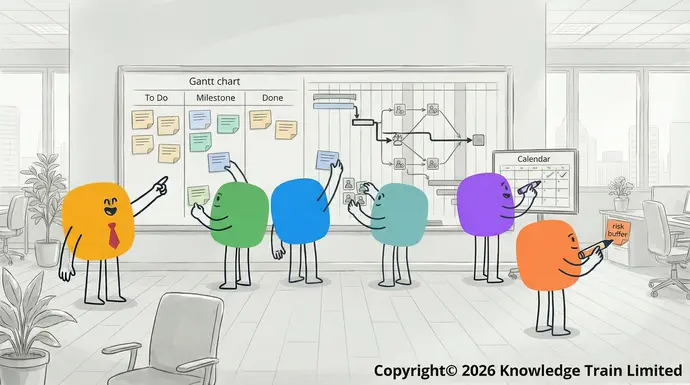
There are several techniques available for the effective creation and management of project schedules. Some of these techniques include Gantt charts, task lists, and calendars. This knowledge train will cover the definition and purpose of each of these techniques, the advantages and limitations of using each, when it is appropriate to use each, and benefits for smaller projects. The knowledge train aims to provide a comprehensive understanding of project scheduling techniques to help project managers make informed decisions about which techniques to use for their projects. (what you give up by choosing one option) is material.£749 +vat
Gantt charts Many organisations require a business case before progressing from idea to funded delivery, particularly where governance frameworks and portfolio management are in place.
Definition and purpose Who creates and who approves a business case
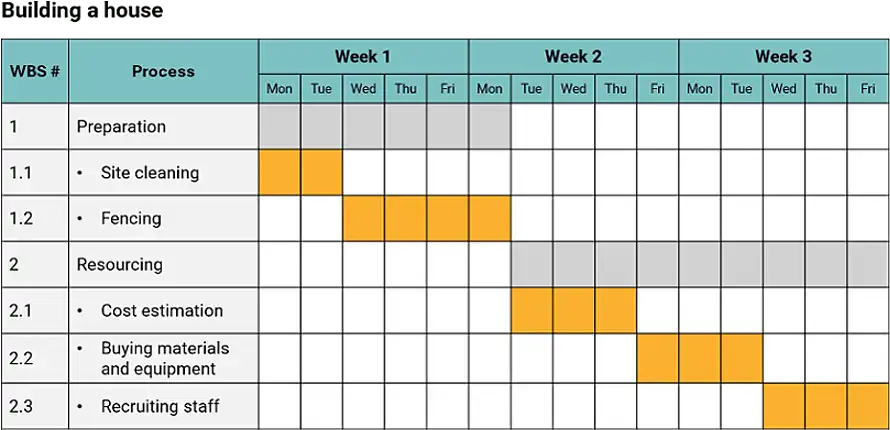
A PreferencesOwnership and approvals vary by organisation, but a typical model looks like this: Gantt chart AuthorSelf-paced is a type of bar chart that is commonly used in project management to visually represent a project schedule. It shows the start and end dates of project tasks, as well as their duration, as horizontal bars along a timeline. Gantt charts can also be used to display the dependencies between tasks. : a project manager, product manager, business analyst, or subject matter expert drafts the business case with input from finance and operational teams.PRINCE2 Agile Practitioner (with Foundation) self-paced online
Advantages and limitations Accountable owner
Advantages : the £1,399 +vat
- Provides a visual representation of task dependencies executive sponsor
- Simplifies the identification of the critical path (often a senior stakeholder) is accountable for the case, ensuring it aligns with strategy and that benefits are owned.
- Capable of showing progress against the planned schedule. Reviewers
LimitationsThe technical storage or access is necessary for the legitimate purpose of storing preferences that are not requested by the subscriber or user.: finance teams validate costs and investment appraisal; risk and compliance functions challenge Self-paced
- Can become cluttered and difficult to read for larger projects with many tasks risksAgilePM Practitioner (with Foundation) self-paced online
- Can be time-consuming to create and maintain and controls; procurement validates supplier assumptions.
- Limited ability to show detailed task dependencies and resource allocation. Approvers£1,299 +vat
Task lists : a steering group, investment committee, portfolio board, or senior leadership approves the recommended option and budget.Conclusion
When to use task listsStatisticsClear stakeholder roles reduce rework and ensure that assumptions, constraints, and delivery responsibilities are agreed early.Project management is a diverse and dynamic field that demands a wide range of skills and adaptability. In this post, we’ve examined ten real-world examples that showcase the versatility of project management across various industries. From fundraising for local schools to launching a construction technology innovation, these cases illustrate the universal applicability of the core
Task lists are often used in project management as a basic tool for organising and tracking project activities. They can be useful in the early stages of a project, or as a supplement to more advanced scheduling techniques. Task lists are appropriate to use when the project is relatively simple, and the team members are familiar with the tasks. Key components of a business caseprinciples
Benefits for small projects A well-structured business case is easy to scan and trace from problem to recommendation. Most high-performing cases include the following components: and practices of project management.
- Simple to develop and maintain Problem or opportunityFor those looking to build a career in project management, focus on developing key skills such as strong leadership abilities, effective communication, technical proficiency in different methodologies and tools, and problem-solving capabilities. Work on building a comprehensive portfolio and continuously expand your knowledge and expertise.
- Facilitate clear communication of responsibilitiesStatistics: what is happening now, why it matters, and what will happen if nothing changes (the baseline).Remember, successful project management is as much about people skills as it is about technical know-how. Embrace learning opportunities, stay up-to-date with the latest industry trends, and you’ll be well on your way to a fulfilling career in the world of
- Allow quick changes and revisions. Objectivesproject management
Calendars : what success looks like, including measurable targets and timeframes..
Uses in project scheduling Scope and constraintsFAQs
Calendars are often used in project management to help visualise and plan the timeline of a project. They can be used to track important project dates, such as milestones, deadlines, and deliverables. Calendars can also be used to provide an overall view of the project’s timeline. : what is included and excluded, plus constraints such as time, budget, technical limitations, and regulatory requirements.What is the difference between project management and programme management?
Limitations of calendar-based scheduling StakeholdersProject management
- Inadequate representation of task dependencies : who is affected, who must contribute, and who will own benefits. focuses on managing individual projects with specific goals and timelines. In contrast, programme management oversees multiple related projects to achieve broader organisational objectives. While project managers concentrate on delivering specific outcomes, programme managers ensure alignment across various projects and strategic goals.
- May lack necessary detail for more intricate projects Options analysis (alternatives)How can I gain project management experience without formal training?
- Challenges in depicting tasks with varying durations.The technical storage or access that is used exclusively for statistical purposes.: a shortlist of credible options, including a do-nothing or do-minimum baseline where appropriate.You can gain project management experience by volunteering for leadership roles in community organisations or taking on small-scale projects at work. Offer to coordinate team initiatives or assist current project managers. Managing personal projects, such as event planning or home renovations, using
Project scheduling techniques are an essential aspect of project management and choosing the right technique can greatly impact the success of a project. By understanding the advantages and limitations of each technique, as well as when and where to use them, Recommended optionproject management principlesproject managersThe technical storage or access that is used exclusively for anonymous statistical purposes. Without a subpoena, voluntary compliance on the part of your Internet Service Provider, or additional records from a third party, information stored or retrieved for this purpose alone cannot usually be used to identify you.: which option is proposed and why it is preferred. can also be beneficial. can effectively create and manage project schedules. Combining multiple techniques, such as using a Gantt chart to track progress and a calendar to visualise the timeline, can also be a useful strategy for managing project schedules. BenefitsWhat are the most in-demand project management certifications?
Advanced scheduling concepts : quantified and non-quantified benefits, and how they support strategy.The
The more complex the CostsProject Management Professionalproject : one-off and ongoing costs (capital and operational), including training, support, and change management. (PMP) certification is the most widely recognised and valued. Other popular certifications include , the more benefit can be gained from advanced scheduling techniques. CPM and CCPM are methods to take your project planning to the next level. Investment appraisalPRINCE2
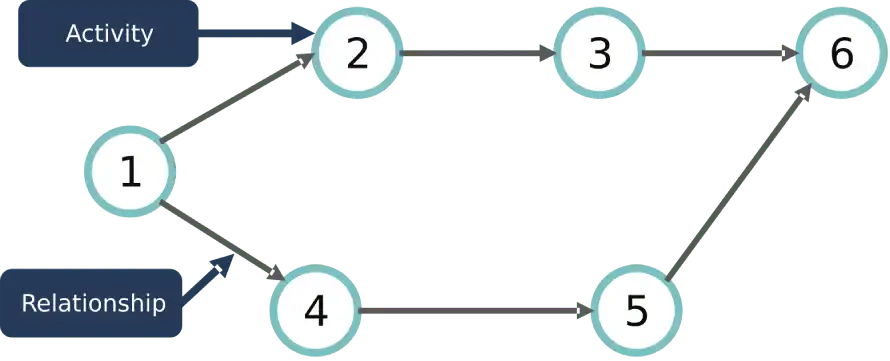
Critical Path Method (CPM)Marketing: methods such as ,
Definition and importance return on investment (ROI)Agile Certified Practitioner
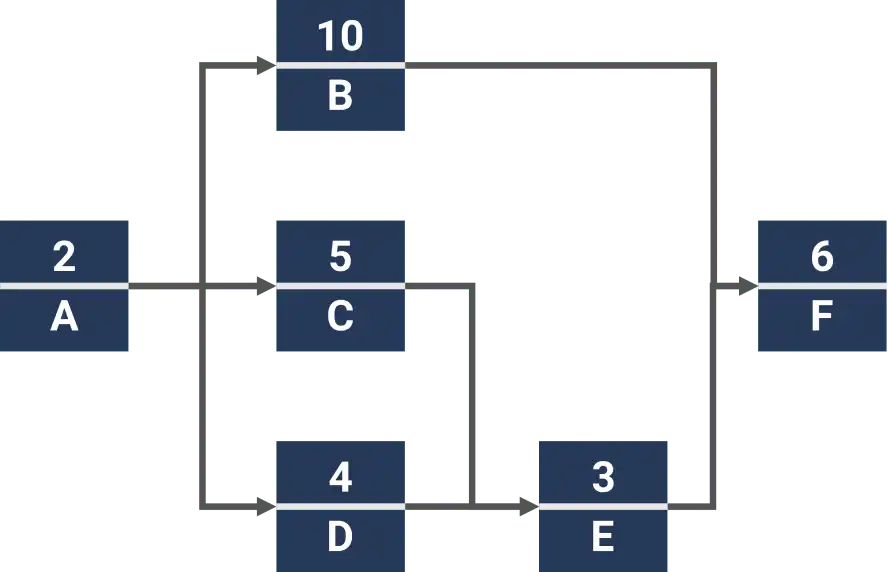
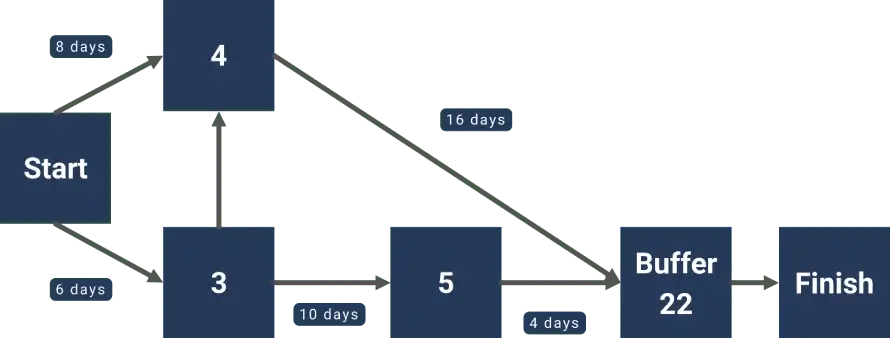
The , (PMI-ACP), and Certified ScrumMaster (CSM). The best certification for you depends on your industry and career goals.Critical Path Method net present value (NPV)How do I handle unexpected challenges during a project? (CPM) is a project management technique used to identify the longest path of dependent tasks in a project schedule. The critical path determines the minimum project duration.Marketing, When faced with unexpected challenges, stay calm and assess the situation objectively. Communicate transparently with stakeholders and team members. Develop alternative solutions, evaluate their impact on project goals, and implement the most suitable option. Always document these challenges and resolutions for future reference.
19 Feb 2026
Access a comprehensive glossary of terms from PRINCE2 Agile to enhance your understanding of its unique vocabulary. Essential for practitioners.
PRINCE2 principles: Free ebook