Project scheduling

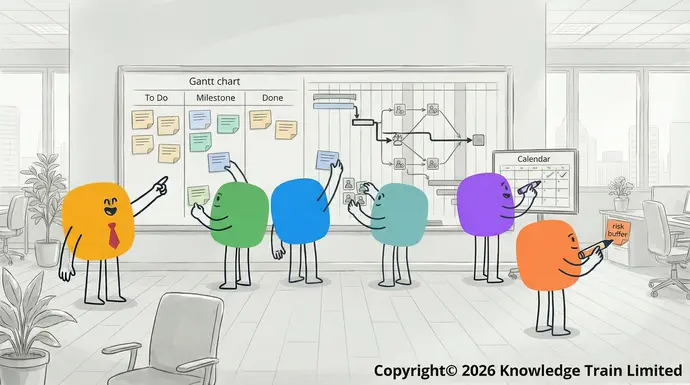
By utilising these advantages, project managers can significantly improve the chances of project success and timely delivery.
Six steps to create a project schedule
A project schedule is a comprehensive document that outlines a project’s timeline. It is one of the most important project management tools. Scheduling is one of the key tasks in project management. To help you along, here are six steps that will allow you to create a solid schedule for your project.
1. Define tasks and milestones
List all the tasks that are necessary to complete the project. Then determine the project milestones , and group tasks that make up each milestone into work packages. The process of preparing a comprehensive list of project tasks is known as Work Breakdown Structure (WBS).
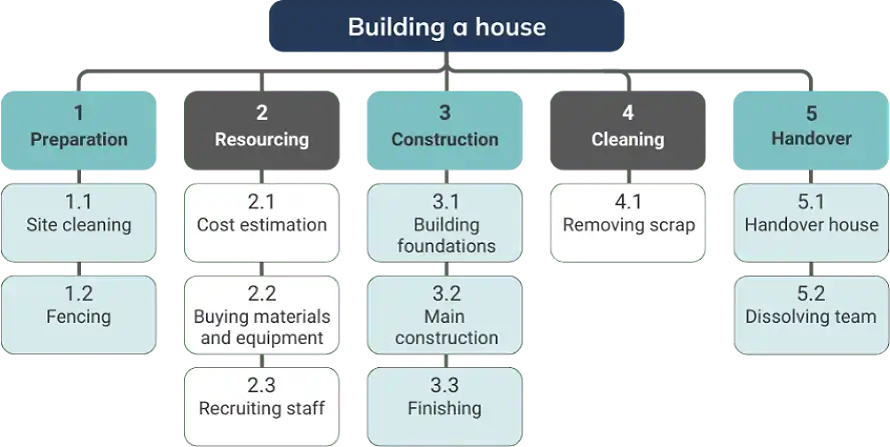
- List all required tasks
- Determine project milestones
- Group related tasks into work packages.
2. Sequence activities
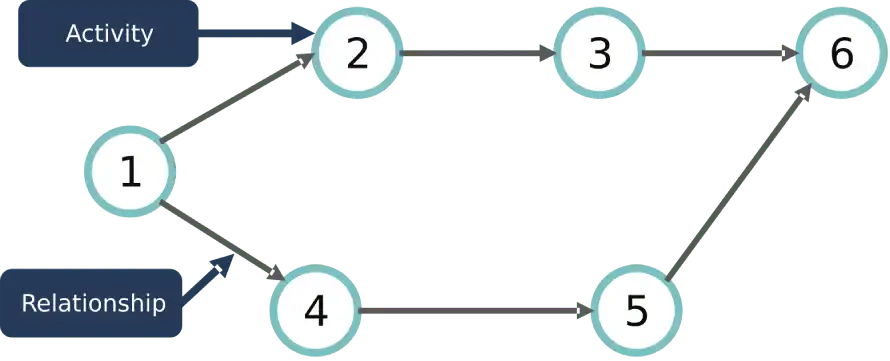
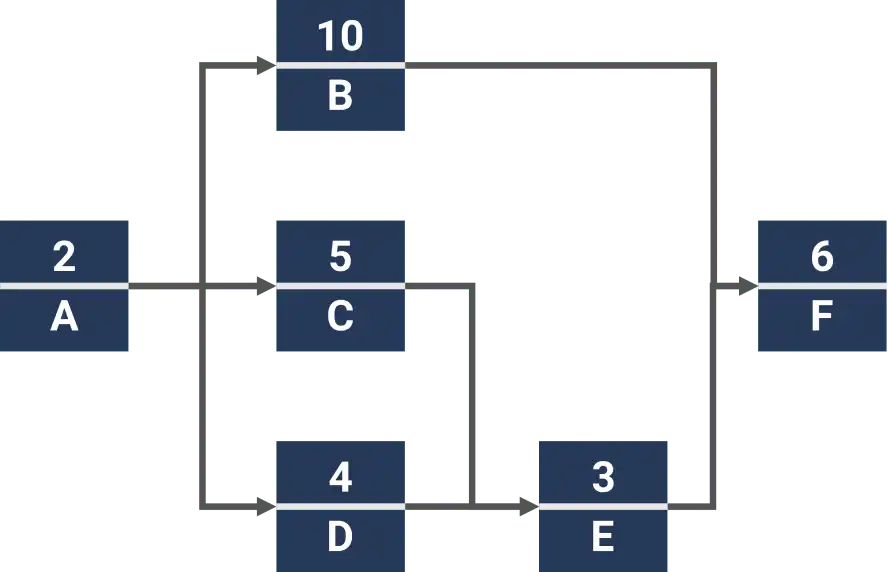
Sequence the tasks, establishing the order in which the work will be performed. Use a network diagram to visualise the dependencies and the critical path.
3. Estimate task durations
Project scheduling techniquesBetter Business Cases
There are several techniques available for the effective creation and management of project schedules. Some of these techniques include Gantt charts, task lists, and calendars. This knowledge train will cover the definition and purpose of each of these techniques, the advantages and limitations of using each, when it is appropriate to use each, and benefits for smaller projects. The knowledge train aims to provide a comprehensive understanding of project scheduling techniques to help project managers make informed decisions about which techniques to use for their projects.™
Gantt chartsFoundation
Definition and purposeLearn the fundamentals of Better Business cases.
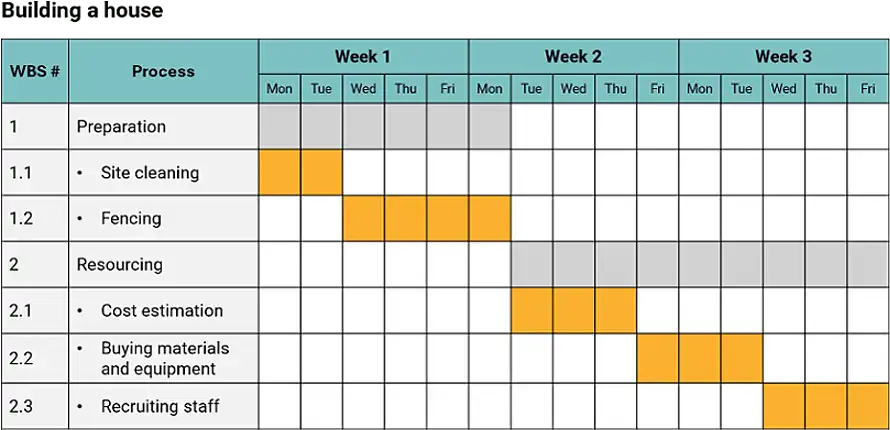
A Practitioner Gantt chartIncludes Foundation & Practitioner combined option. is a type of bar chart that is commonly used in project management to visually represent a project schedule. It shows the start and end dates of project tasks, as well as their duration, as horizontal bars along a timeline. Gantt charts can also be used to display the dependencies between tasks.
Includes Foundation & Practitioner combined option.Project scheduling techniques are an essential aspect of project management and choosing the right technique can greatly impact the success of a project. By understanding the advantages and limitations of each technique, as well as when and where to use them, project managersWorkshops can effectively create and manage project schedules. Combining multiple techniques, such as using a Gantt chart to track progress and a calendar to visualise the timeline, can also be a useful strategy for managing project schedules.AI in Project Management
Advanced scheduling conceptsLearn how to use AI tools in everyday project work.
The more complex the AGILEprojectAgilePM, the more benefit can be gained from advanced scheduling techniques. CPM and CCPM are methods to take your project planning to the next level.®
Critical Path Method (CPM) – Agile Project Management
Definition and importanceFoundation
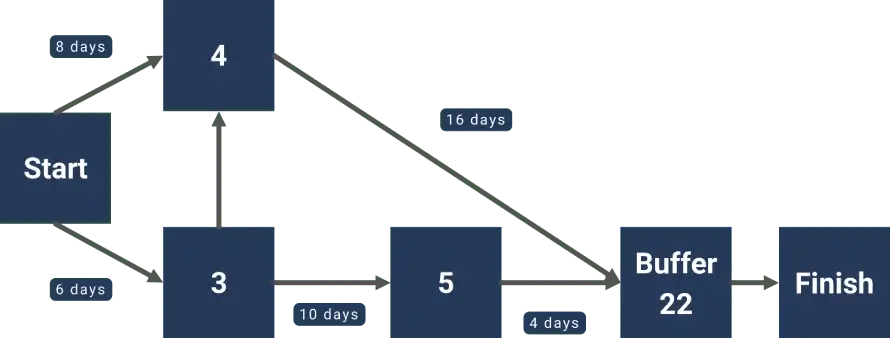
The Learn the key principles of Agile Project Management.Critical Path MethodPractitioner (CPM) is a project management technique used to identify the longest path of dependent tasks in a project schedule. The critical path determines the minimum project duration.Includes Foundation & Practitioner combined option.
Includes Foundation & Practitioner combined option.
Collaborate with team membersPROGRAMME MANAGEMENT
Get your team involved in the scheduling process. Their input can be invaluable in terms of providing more accurate estimates for task durations and helping you to identify potential issues. This approach can also be helpful in terms of getting your team to MSPbuy-in® to the schedule.Foundation
Break large tasks into smaller, manageable piecesLearn the fundamentals of programme management.
Break complex tasks into smaller and more manageable subtasks. This method, called Practitioner Work Breakdown StructureIncludes Foundation & Practitioner combined option. (WBS), makes it easier to estimate the time, track progress, and allocate resources.INFORMATION TECHNOLOGY (IT)
Consider dependencies and constraints
Identify and document all task dependencies and project constraints. This will help you to avoid scheduling conflicts and ensure that activities are logically sequenced.
Build in buffer time for unexpected delays
Include
Project scheduling is a vital aspect of successful PRINCE2 COURSES project managementSelect your preferred training course below: . By grasping key concepts, using the right tools and following best practices, project managers can create effective schedules. Developing strong scheduling skills will lead to better resource allocation, risk APM COURSES management and overall project success. Keep refining your techniques and you’ll be well on your way to learning the art of project scheduling.
PRINCE2 AGILE COURSES
Select your preferred training course below:
SCRUM COURSES
Select your preferred training course below:
AGILE BUSINESS ANALYSIS COURSES
Select your preferred training course below:
BUSINESS ANALYSIS QUALIFICATIONS