
Challenges and best practices
- Measuring the impact of lessons learned
- Conclusion
- FAQs
When to capture lessons learned
Capturing lessons learned is most effective when done at the following times:End of project
: Conducting a comprehensive review at the conclusion of the project allows for a holistic evaluation of the entire project life cycle. This timing can provide valuable insights into overall project performance and outcomes.
End of each phase
: Reviews at the end of each project phase enable teams to capture fresh insights and lessons while the information is still clear in everyone’s minds.Real-time learning: Encouraging the ongoing capture of lessons as they occur can help prevent valuable insights from being lost due to time lapses or fading memories.
By adhering to this structured approach and capturing lessons at these strategic moments, project teams can establish a robust knowledge base. This resource will be invaluable for improving project management practices, enhancing decision-making, and increasing the likelihood of project success.
Remember, the lessons learned process is not a one-time event but a continuous cycle of improvement. Regularly practising and refining this process can lead to substantial advancements in
project management capabilities
and overall organisational performance.Identifying lessons learnedEffective identification of lessons learned is a crucial step in capitalising on the value of project experiences. This process requires careful preparation and skilled facilitation of lessons learned sessions.Preparing for lessons learned sessionsProject surveysBefore the session, team members should be asked to complete project surveys
. These surveys are designed to encourage reflection on project experiences and gather initial thoughts on successes, challenges, and other aspects of the project. They will also provide a foundation for more in-depth conversations during the lessons learned session.
Categorising lessons learnedLessons should be organised into specific categories to help with analysis and future retrieval. Common lesson categories include:Project management processes
Technical challenges
CommunicationResource allocationRisk management
.
Self-pacedA
Project managersAPM PFQ blended onlinestakeholder register are primarily focused on execution and delivery. They drive the implementation of specific projects and are responsible for managing the team to deliver project goals within constraints. Project managers focus on getting the job done. is a document that contains all key information about project stakeholders, such as contact information, level of influence, communication preferences and engagement strategy.
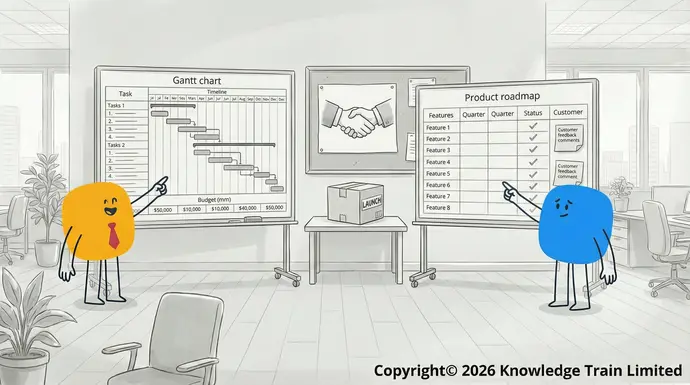
Product managers£749 +vatProject manager’s role, on the other hand, are responsible for strategy and vision. They are tasked with defining what should be built and why, shaping the product roadmap and ensuring alignment with business objectives. In essence, product managers think about the product’s life cycle and market position, while project managers are more concerned with the day-to-day activities. The role of a project manager is diverse and critical for project success.
Timeline and lifecycle involvementKey responsibilities
Project managersPlanning and scheduling work within defined start and end dates, whereas product managers are involved in a product’s lifecycle indefinitely. A project manager guides a project from initiation to closure and then transitions to the next project or opportunity. On the other hand, a product manager’s responsibilities continue as long as the product exists in the market. They manage updates, improvements and adapt to market needs, so their involvement is ongoing.Resource allocationSelf-paced
Decision-making authorityRisk managementPRINCE2 Agile Practitioner (with Foundation) self-paced online
Project managers are tactical decision-makers, operating within project constraints. They are responsible for decisions about task prioritisation, resource allocation, and risk management, but they typically don’t have authority to make decisions about the overall project’s scope or direction. In contrast, product managers have strategic decision-making power. They decide what features the product should have, how it should be positioned in the market, and when to pivot based on customer feedback or market changes. Product managers make decisions that have long-term implications for the product.Budget oversight
Stakeholder managementQuality assurance.£1,399 +vat
Project managers primarily work with internal teams and stakeholders directly involved in project execution. They coordinate between team members, manage project-related communication, and report to project sponsors or department heads. Product managers interact with a wider range of stakeholders. This includes not only internal teams like engineering, design, marketing and sales but also external ones. They gather insights from customers, understand market trends and work with multiple departments to ensure product-market fit.Leadership and communication skills
These differences in roles, responsibilities and operational focus highlight the unique contributions of both project managers and product managers to an organisation. While project managers are essential for executing specific initiatives, product managers play a pivotal role in setting strategic direction, thus guiding the overall product development and market success.Successful project managers often exhibit:
Skills and qualificationsClear and concise communication skills
Project manager skillsConflict resolution capabilitiesSelf-paced
Project managersMotivational techniquesAgilePM Practitioner (with Foundation) self-paced online need to possess a range of skills to lead Adaptability to change projectsStrategic thinking.£1,299 +vat effectively. Some of the key skills include:Clearly defined roles and accountability improve the overall efficiency and effectiveness of a project team.Documenting lessons learned
- Planning and schedulingEnhance your skills with our expert-led coursesEffective documentation is critical for capturing and sharing lessons learned. This section focuses on methods for producing well-structured reports and utilising tools for efficient documentation.: Project managers should be skilled in developing realistic timelines, managing project milestones, and keeping projects on track. Creating effective lessons learned reports
- Risk management Detailed reports: Identifying and proactively addressing potential risks and developing strategies to mitigate them. Detailed reports offer an in-depth look at lessons learned. Ensure these reports include:
- Resource allocationSelf-pacedProject overview and background: Ensuring optimal use of team members, budget, and materials throughout the project.APM PFQ blended onlineLessons gathering methodology
- Communication and leadership Categorised lessons learned: Project managers should be able to clearly communicate project goals, delegate tasks, and motivate team members to achieve objectives. These skills also help with stakeholder management and reporting.£749 +vatRoot cause analysis
Product manager skills Recommendations for future
Product managers projects, on the other hand, require a different skill set to guide product development and strategy. Key skills for product managers include: .
- Market research and analysisSelf-pacedThese reports should be well-organised, concise, and easily searchable.: Product managers should be able to conduct thorough market research, identify customer needs, and understand market trends.PRINCE2 Agile Practitioner (with Foundation) self-paced onlineExecutive summaries
- Strategic thinking Executive summaries provide a concise overview of key lessons. They should highlight significant findings, present actionable recommendations, and be tailored to the needs of senior management and decision-makers.: Developing product roadmaps, making informed decisions, and prioritising features based on market demands and business goals.£1,399 +vatTools for documenting lessons learned
- User experience and customer focus Lessons learned input forms: Product managers need to have a strong understanding of their target audience and create products that resonate with them. Input forms
- Technical understanding help standardise lessons collection. Design a form that captures:: While coding skills may not be essential, product managers should have a basic understanding of technology and development processes to communicate effectively with development teams and make informed product decisions.Self-pacedProject name and date
Overlapping skills for both rolesAgilePM Practitioner (with Foundation) self-paced onlineCategory of the lesson
In addition to the distinct skills mentioned above, there are also skills that are important for both project and product managers. These skills include: Description of the situation or issue
- Problem-solving£1,299 +vatImpact on the project: Both roles often involve solving complex problems, whether during project execution or product development.Managing project scope and changesRecommendations for future reference.
- Stakeholder managementManaging project scope and change carefully helps you to manage change within your project.Templates and checklists: Navigating complex organisational structures and maintaining support for initiatives.Scope creep preventionTemplates and checklists ensure consistency in documentation across projects. Provide team members with a template for the detailed report structure, a checklist of key areas to cover during lessons learned sessions, and a standardised format for documenting recommendations.
- CommunicationDefining project boundariesBy implementing these tools and techniques, you can develop a streamlined approach to documenting lessons learned. This system will help you capture valuable insights effectively and ensure they can be easily accessed and applied to future : The ability to convey complex information clearly, facilitate collaboration, and present ideas persuasively to various stakeholders is crucial for both project and product managers.It is important to clearly define project boundaries to avoid scope creep. To do this, one must document specific project deliverables, explicitly identify exclusions and set measurable acceptance criteria.projects
The contexts in which these skills are applied might be different between project and product management, but those skills are useful and necessary in both roles. If you are working as a professional in either of these areas, the skills required might form part of a pathway to moving from one to another.Change management processes.
Tools and methodologiesRobust Remember, the key is to create documentation that is both comprehensive and user-friendly to facilitate knowledge transfer throughout your organisation.
Project management tools and frameworkschange control
Project managersAnalysing lessons learned processes should be implemented, including: use a variety of tools and frameworks to plan, execute, and monitor projects effectively. Some common tools and frameworks include:Analysis involves transforming lessons learned data into insights. It includes examining the information, identifying patterns, and formulating recommendations for future use.Formal change request submissions