19 Feb 2026

DefinitionAgile principlesCertification exam(s) where applicable>The significance of
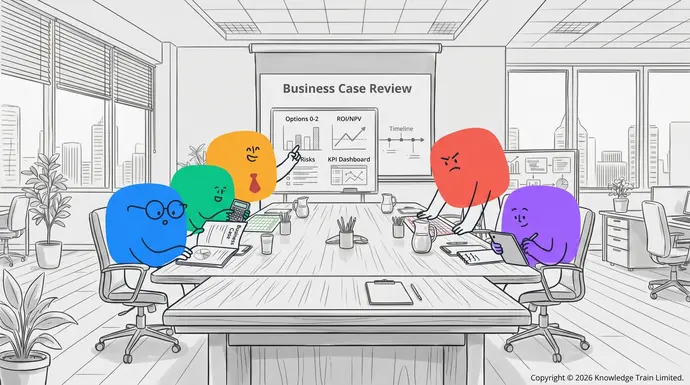
In project and investment contexts, a business case is a documented rationale for undertaking a course of action. It typically sets out the emphasise close communication, incremental progress, and regular feedback cycles to enhance quality and meet customer needs.Accredited training course materialsli>project managementproblemThe Agile Manifesto: Values and principlesSupport from expert, experienced trainersspan>The roles and responsibilities within an Agile project and correctly determine the appropriate personnel to fulfil these roles in any organisation or initiative cannot be overstated. Effective or The Latest educational technology.>project managementopportunityAgile Manifesto > allows for better control over resources, minimisation of risks and uncertainties, improved communication among stakeholders, and the timely delivery of projects., defines measurable objectives, evaluates underpins Agile project management, defining four core values and twelve guiding principles. These foster a culture of collaboration, adaptability, and response to change.BUSINESS SOLUTIONSli>At the core of effective project management are five distinct phases:options analysis (alternatives)Agile Manifesto core values span>The mechanisms for control of an Agile Project which are specific to an Agile projectInitiation, and recommends a preferred option supported by evidence. It is commonly used to obtain approval for resources and funding and to establish a baseline for Individuals and interactions over processes and tools >Planningbenefits realisationWorking software (or product) over comprehensive documentationTO HELP ORGANISATIONS IMPROVE>Execution and performance measurement using Customer collaboration over contract negotiationWe offer solutions to help improve team performance including:li>Monitoring and controllingkey performance indicators (KPIs)Responding to change over following a planConsultancy servicesspan>How to test, estimate and measure progress in an Agile projectClosing.Twelve principles of AgileStaff development>Each of these phases plays a crucial role in a project’s lifecycle and contributes to its overall success. Understanding the purpose and activities associated with each phase is fundamental for
For a general definition and background, see the reference overview of the concept of a business case on Customer satisfaction through early and continuous deliveryCompliance training>project managersWikipediaWelcome changing requirements, even late in developmentApprenticeship trainingli> and their teams to navigate challenges and lead their projects to fruition. In this comprehensive article, we will delve into each project management phase, providing insights and best practices to ensure effective and efficient project management..Deliver working products frequentlyCustom e-Learning developmentspan>The Agile approach to managing requirements and identify action to rectify problems with requirements within an Agile projectThe five phases of project management
When to use a business caseClose, daily cooperation between business people and developers >The project lifecycle is essential in project management. The five phases of the
A business case is most useful when there is a meaningful decision to be made and competing ways to allocate limited resources. Common situations include:Build >project lifecycle
- New investmentsprojectsFind out moreli> provide a framework for organising and executing such as software, equipment, facilities, or hiring. around motivated individuals span>What is needed to pass the AgilePM Practitioner exam.projects
- Change initiativesFace-to-face conversation as the best form of communication > from start to finish. such as process improvement, automation, or organisational redesign.Working product as the primary measure of progress >Brief overview of each phase
- Project approvalSustainable development pace >","learningResourceType":"presentation","teaches":"Initiation when funding depends on demonstrating value and feasibility.Continuous attention to technical excellence and good design h3>Curriculum: Identify the project’s goals, scope, and feasibility. Document them in a project charter and identify key stakeholders.
- Regulatory or risk-driven workSimplicity – the art of maximising the amount of work not done – is essentialCONTACT US3>Planning where costs are clear but benefits are mainly risk reduction.Self-organising teams produce the best results h4>AgilePM Practitioner (with Foundation):
- Competing prioritiesRegular reflections for continuous improvement 4>Plan the project where Key Agile frameworks and methodologies p>Agile PM Practitioner (with Foundation) training covers the following topics: in detail, including the timeline, budget, and resources needed. Communication and risk management strategies should also be developed.opportunity costAgile >Execution (what you give up by choosing one option) is material. encompasses various frameworks, each with its own practices and terminology. The most widely used Agile frameworks were designed for more efficient product delivery, rather than ul>: Execute the project plan, manage team workflows, and ensure effective communication among stakeholders.
Many organisations require a business case before progressing from idea to funded delivery, particularly where governance frameworks and portfolio management are in place.project managementNameli>What is Agile?Monitoring and controlling
Who creates and who approves a business case. They include >: Measure and track project progress, performance, and quality to ensure they align with the plan. Adjust as necessary to keep the project on track.
Ownership and approvals vary by organisation, but a typical model looks like this:Scrum li>Choosing an appropriate agile approachClosing
- Author, Kanban, Lean, and Extreme Programming (XP):Email>: Deliver the final product or service, conduct a project review, document : a project manager, product manager, business analyst, or subject matter expert drafts the business case with input from finance and operational teams.Scrum li>DSDM philosophy, principles, and project variableslessons learned
- Accountable ownerMain focus: >, and archive project documents.: the Team roles, time-boxed sprints, and iterative deliveryPhoneli>DSDM roles and responsibilities on agile projectsImportance of understanding the project lifecycleexecutive sponsorCore roles: >Understanding the project lifecycle can help project managers to: (often a senior stakeholder) is accountable for the case, ensuring it aligns with strategy and that benefits are owned. Product Owner, li>DSDM agile project management processesPlan for potential problems and stay one step ahead
- ReviewersScrum MasterHow can we help?>Manage resources effectively during the project: finance teams validate costs and investment appraisal; risk and compliance functions challenge , Team Members li>DSDM productsKeep stakeholders informed throughout the projectrisksArtefacts: >Respond to changes in the project without losing control and controls; procurement validates supplier assumptions. Product backlog, sprint backlogSubmitli>Practices: prioritization, time-boxing, facilitated workshops, modelling, iterative developmentUphold quality standards throughout the project.
- ApproversKey events: >Project managers can do all these things when they become familiar with the phases in the project lifecycle.: a steering group, investment committee, portfolio board, or senior leadership approves the recommended option and budget. Sprint planning, daily scrum, sprint review, sprint retrospectives li>Estimating, planning and control on agile projectsEnhance your skills with our expert-led courses
Clear stakeholder roles reduce rework and ensure that assumptions, constraints, and delivery responsibilities are agreed early.Advantages:OUR VALUES>
Key components of a business case Well-defined structure, clear accountability, transparencyOur 6 core values are everything we do. They include:li>AgilePM Foundation exam preparation
A well-structured business case is easy to scan and trace from problem to recommendation. Most high-performing cases include the following components:KanbanIntegrity>
- Problem or opportunityMain focus:Diversityli>Everything listed under Practitioner below.Self-paced: what is happening now, why it matters, and what will happen if nothing changes (the baseline). Visualisation of workflow, limiting work in progress, continuous flowFairness>APM PFQ blended online
- ObjectivesCore elements:Quality> : what success looks like, including measurable targets and timeframes. Kanban board, work-in-progress limits, cards/tasksInnovationh4>AgilePM Practitioner£749 +vat
- Scope and constraintsAdvantages:Social responsibility4> : what is included and excluded, plus constraints such as time, budget, technical limitations, and regulatory requirements. Flexibility, real-time workflow visualisation, easy adoption without role changes p>Agile PM Practitioner training focuses on tailoring the DSDM agile project framework learned at Foundation level.
- StakeholdersLeanSOCIAL RESPONSIBILITY> : who is affected, who must contribute, and who will own benefits.Main focus:Some of the charities we have helped over the years:p>Agile Project Management Practitioner training covers the following topics:Self-paced
- Options analysis (alternatives) Elimination of waste, maximising value, continuous improvement >PRINCE2 Agile Practitioner (with Foundation) self-paced online: a shortlist of credible options, including a do-nothing or do-minimum baseline where appropriate.Core elements: ul>
- Recommended option Value stream mapping, optimised flow, customer focus li>The project manager’s view£1,399 +vat: which option is proposed and why it is preferred.Advantages: >
- Benefits Improved efficiency, reduced delays, enhanced quality li>Agile project management through the life cycle : quantified and non-quantified benefits, and how they support strategy.Extreme Programming (XP) >
- CostsMain focus:AWARDSli>Effectively using productsSelf-paced: one-off and ongoing costs (capital and operational), including training, support, and change management. Technical excellence, frequent releases, customer involvementWe don’t go seeking awards, but here are two of the awards we have received for our training.>AgilePM Practitioner (with Foundation) self-paced online
- Investment appraisalCore practices: li>Delivering on time using MoSCoW prioritization and time-boxing : methods such as Pair programming, test-driven development, continuous integration, >£1,299 +vatreturn on investment (ROI)user stories Request a quoteli>People, teams, and interactions1. Project initiation, Advantages: >Project initiation phase is important for the success of a project. During this stage, the ideas start to take shape, and the vision and purpose of the project are established.net present value (NPV) Rapid feedback, high product quality, adaptability to change li>Requirements and user storiesDeveloping a business case, Comparison: Scrum, Kanban, Lean, XP >The internal rate of return (IRR)Framework li>Estimating – how and whenbusiness case, and Main focus+44 (0)207 148 5985> is a justification for a project and a description of the benefits the project will bring. To develop a payback periodKey practice li>Project planningbusiness case.Team structure[email protected]>:
- RisksBest use case li>Never compromise qualityIdentify the problem/opportunity the project is solving: key risks, mitigations, and residual risk.Scrum >Consider different solutions and evaluate their feasibility
- Assumptions and dependenciesTime-boxed iterations (Sprints) li>Risk managementCalculate the cost, benefit and return on investment: what must be true for the case to succeed and what it relies on (for example, data quality or supplier delivery).Predefined roles and events >List the risks and mitigation measures.
- Implementation planCross-functional li>Tailoring the approachDefining project goals and scope: phases, milestones, resourcing approach, and indicative timeline.Complex projects needing structure >Project goals
- Metrics and KPIsKanban li>AgilePM Practitioner exam preparation. and : how progress and outcomes will be measured, including benefits tracking.Visual workflow & limitsUnited Kingdom>scope
- Governance and approvalKanban board, WIP limits >","about":"AgilePM Practitioner online exam course","abstract":" need to be well-defined to have a successful project. To define the goals and the scope:: decision points, review cadence, and post-implementation review plan.Flexible roles p>AgilePM Practitioner self-paced online course with 12 months access, exam and certificationSet SMART (Specific, Measurable, Achievable, Relevant, Time-bound) goals
How to write a business caseOngoing support/operations >","courseCode":"AgPMPEO","coursePrerequisites":"AgilePM Foundation","educationalCredentialAwarded":"AgilePM Practitioner certificate","audience":{"@type":"Audience","name":"List the deliverables and the project boundaries
- Define the decision to be madeLean p>Identify constraints and assumptions.: state what approval is requested (funding, people, procurement authority) and by when.Eliminate waste strong>AgilePM PractitionerCreating a project charter
- Describe the current state and baselineValue stream mapping > is for students already holding an AgilePM Foundation qualification. You learn to flex projects to quickly deliver to customer’s needs.The : quantify today’s performance, costs, cycle times, or risks so improvement can be measured.AnySearch>project charter
- Set objectives and success criteriaProcess improvement, efficiency p>The combined serves as the project’s formal authorisation document. It should include:: define outcomes and KPIs, including benefits ownership and expected timing.XP strong>AgilePM Practitioner (with Foundation)Key Elements
- Identify feasible optionsTechnical best practices > is for students without an existing AgilePM Foundation qualification. Learn the core principles of the Agile Project Management framework and how to flex projects to deliver quickly to customer’s needs.Description: include at least a baseline option and 1 to 3 credible alternatives; capture key constraints.Pair programming, TDD >"},"aggregateRating":{"@type":"AggregateRating","ratingValue":"4.8","reviewCount":"227"},"offers":{"@type":"Offer","url":"https://www.knowledgetrain.co.uk/agile/agile-project-management/agilepm-exam","price":"395","priceCurrency":"GBP","availability":"http://schema.org/InStock","category":"Paid","validFrom":"2026-06-04"},"hasCourseInstance":{"@type":"CourseInstance","name":"AgilePM Practitioner online exam","description":"AgilePM Practitioner online exam","url":"https://www.knowledgetrain.co.uk/agile/agile-project-management/agilepm-exam","image":"https://www.knowledgetrain.co.uk/training-courses/axelos-peoplecert-prince2-agile-accredited-training-organisation-logo.svg","courseMode":"Online","courseWorkload":"PT20H"}}Project purpose
- Estimate benefitsSmall, tech-focused teams Clear statement of the project’s objectives: quantify savings, revenue uplift, risk reduction, or service improvements; link to benefits realisation plans.Software projects needing qualityUnited Kingdom{"@context":"https://schema.org/","@type":"Product","sku":"AgPMPEO","productID":"AgPMPEO","image":"https://www.knowledgetrain.co.uk/training-courses/axelos-peoplecert-prince2-agile-accredited-training-organisation-logo.svg","url":"https://www.knowledgetrain.co.uk/agile/agile-project-management/agilepm-exam","name":"AgilePM Practitioner online Scope
- Estimate full costsAgile vs traditional (waterfall) project managementexam","description":"Complete online at your own pace (Self-paced)","brand":{"@type":"Brand","name":"Knowledge Train"},"keywords":["AgilePM Practitioner online course","AgilePM Practitioner self-paced online training"],"logo":"https://www.knowledgetrain.co.uk/training-courses/axelos-peoplecert-prince2-agile-accredited-training-organisation-logo.svg","offers":{"@type":"Offer","url":"https://www.knowledgetrain.co.uk/agile/agile-project-management/agilepm-exam","price":"395","priceCurrency":"GBP","availability":"http://schema.org/InStock","category":"Paid","validFrom":"2026-06-04","priceValidUntil":"2027-06-04","hasMerchantReturnPolicy":{"@type":"MerchantReturnPolicy","applicableCountry":["GB","US","NZ","EU","CA","ZA"],"returnPolicyCategory":"https://schema.org/MerchantReturnFiniteReturnWindow","merchantReturnDays":7,"returnMethod":"https://schema.org/ReturnInStore","returnFees":"https://schema.org/FreeReturn"},"shippingDetails":{"@type":"OfferShippingDetails","shippingRate":{"@type":"MonetaryAmount","value":0,"AustriaHigh-level description of what’s included and excludedBelgiumTimelines
- BulgariaEstimated start and end datesCroatiaBudget
- CyprusInitial cost estimatesCzech RepublicKey stakeholders
- DenmarkList of individuals or groups with vested interestEstoniaIdentifying key stakeholders
- FinlandStakeholder identificationFrance is an important part of the successful project. To manage your stakeholders, first make a stakeholder register of all the parties involved and then map out their interests, influence, and impact on the project. Lastly, create a communication strategy for each stakeholder.
GermanyWhen each of these components has been properly considered during the initiation phase, a project manager has set the stage for the rest of the project lifecycle.Greece2. Project planningIrelandThe planning process is vital in ensuring that a project will be successful. It involves the development of a
Italyproject plan
Latvia.
- LithuaniaThe Luxemburgproject plan
- Malta elaborates on the project charter. It includes the following major components: the technical requirements, the Netherlandswork breakdown structure
- Poland (which outlines the work to be performed), the resource management plan, and the schedule for the work and major milestones.PortugalDefining technical requirements
- RomaniaTechnical requirementsSlovakia clearly define the characteristics of the project’s deliverables in terms of functions, features, and technical aspects. To define and document technical requirements effectively:
SloveniaInvolve stakeholders and collaborate with them to gather requirementsSpainPrioritise requirements based on their importance and feasibilitySwedenEnsure the requirements are stated clearly and unambiguouslyOther countriesValidate the requirements with relevant experts and end-users.HomeDeveloping a detailed project schedule Creating an effective Change Managementproject schedule
is crucial for meeting project deadlines. The steps involved are as follows:
| Change management coursesWork Breakdown Structure | APMG Change Management course ( | WBS |
|---|---|---|
| {"@context":"http://schema.org","@type":"BreadcrumbList","itemListElement":[{"@type":"ListItem","position":1,"name":"Home","item":"https://www.knowledgetrain.co.uk/"},{"@type":"ListItem","position":2,"name":" Change Management","item":"https://www.knowledgetrain.co.uk/change-management"},{"@type":"ListItem","position":3,"name":" Change management courses","item":"https://www.knowledgetrain.co.uk/change-management/change-management-courses"},{"@type":"ListItem","position":4,"name":"APMG Change Management courses","item":"https://www.knowledgetrain.co.uk/change-management/change-management-courses/apmg-change-management-course"}]}) | : Break down the project into manageable tasks | Labour cost reduction, avoided rework, revenue uplift, avoided penaltiesUser stories< Task Duration |
| Costs: | Licences, implementation, training, change management, support Short, simple descriptions of a feature told from the perspective of the user< Task Dependencies | Quotes, internal day rates, vendor contracts, total cost of ownershipBacklog: |
Opportunity cost Ordered list of project tasks and features| Delay to another project, diverted staff timeSprint/Iteration: | Estimate value of displaced work and include in narrative or sensitivity Short, time-boxed development cycles< Milestones | |
Risks, assumptions, constraints and dependenciesStakeholders:< : Define significant points of progress or project phases to be achieved.
Decision-makers need to understand what could undermine delivery or benefits. Good business cases separate: Individuals or groups with interests in project outcomes< Setting SMART and CLEAR goals
- AssumptionsRetrospectives:: statements treated as true for planning (for example, adoption rates or volume growth). Regular meetings to assess and improve processes
- ConstraintsDeliverables:
: fixed limits (for example, deadlines, budget caps, mandated technology). Outputs produced at the end of each iteration< CLEAR - DependenciesContinuous Improvement:: external items required for success (for example, data migration readiness, vendor delivery, approvals). Commitment to reflect and implement enhanced ways of working
- RisksBenefits of Agile project management
: uncertain events that could harm outcomes (for example, low user adoption, security gaps, scope creep).Accelerated delivery of value through iterative increments< APMG Change Management courses - RisksBenefits of Agile project management
Risks and mitigations (example)Improved team collaboration and transparencyRiskQuick response to customer feedback and market changes ImpactReduced project risks and higher stakeholder satisfaction MitigationHigh-quality deliverables due to continuous review< is vital for project success. A comprehensive plan should: Challenges and limitations Requires experienced, self-organising teamsMost Agile< frameworks are designed for product delivery, not project management< . Less suitable when requirements are fixed and well-defined< Organisational resistance to cultural change< Potential for scope creep without disciplined backlog management Real-world applications and use cases< Agile project management originated in software development but is now used in industries including marketing, education, manufacturing, and construction. Its continuous improvement<
| RiskQuick response to customer feedback and market changes | ImpactReduced project risks and higher stakeholder satisfaction | MitigationHigh-quality deliverables due to continuous review< is vital for project success. A comprehensive plan should: | Challenges and limitations |
|---|---|---|---|
Requires experienced, self-organising teams| Most | Agile< | frameworks are designed for product delivery, not | |
| project management< | . | Less suitable when requirements are fixed and well-defined< | Organisational resistance to cultural change< |
| Potential for scope creep without disciplined backlog management | Real-world applications and use cases< | Agile project management originated in software development but is now used in industries including marketing, education, manufacturing, and construction. Its | continuous improvement< |
and
team collaboration< principles enhance innovation, adaptiveness, and client-centric outcomes.
IT<
- /software:
- Dynamic product requirements, regular releases, user feedback<
- Marketing:
- Campaigns adapted based on analytics and feedback<
- Construction:
- Early delivery of completed sections, iterative design<
Authoritative standards organisations like the Agile Business Consortium< , Agile Alliance , < Scrum.org , and < Project Management Institute (PMI) provide resources, definitions, and < certifications
- Project Scheduling | Knowledge Train
| Agile Business Consortium< | , | Agile Alliance |
|---|---|---|
| , < | Scrum.org | , and < |
| Project Management Institute (PMI) | provide resources, definitions, and < | certifications |
- Self-paced
AgilePM Practitioner (with Foundation) self-paced online
- £1,299 +vat
- 4. Project monitoring and controlling
- Monitoring and controlling involves keeping a check on all activities that are being executed to ensure that they are following the project plan.
Tracking progress against goals
- Effective
- progress tracking
- involves:
- Regularly compare actual performance to planned objectives
Identify variances and their causes
- Take corrective action to address any deviations from the plan
- Update stakeholders on the project’s status and any major changes.
Establishing Critical Success Factors (CSF) and Key Performance Indicators (KPI)
- CSFs
- and
- KPIs
- Project closing is the phase that formally completes the
- project
. It’s when you finalise project deliverables, review performance, and document learnings for future reference.
Delivering final project outcomes
Final delivery
| involves: | Validating that all project deliverables meet the agreed-upon specifications |
|---|---|
| Seeking formal acceptance from stakeholders | Transferring project outputs to the relevant teams or clients |
| Closing any remaining contracts or agreements. | Conducting project review meetings |