
- Sweden
- End each sprint with a review that demos only completed work and captures feedback to refine the backlog.Other countries
- Run retrospectives to decide what to start, stop, and continue, then apply improvements in the next sprint.Home
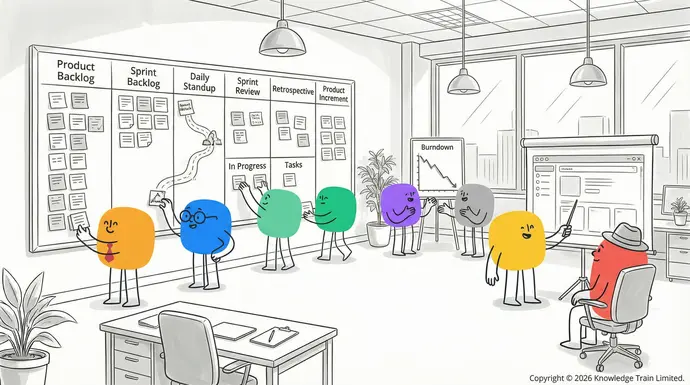
Introduction
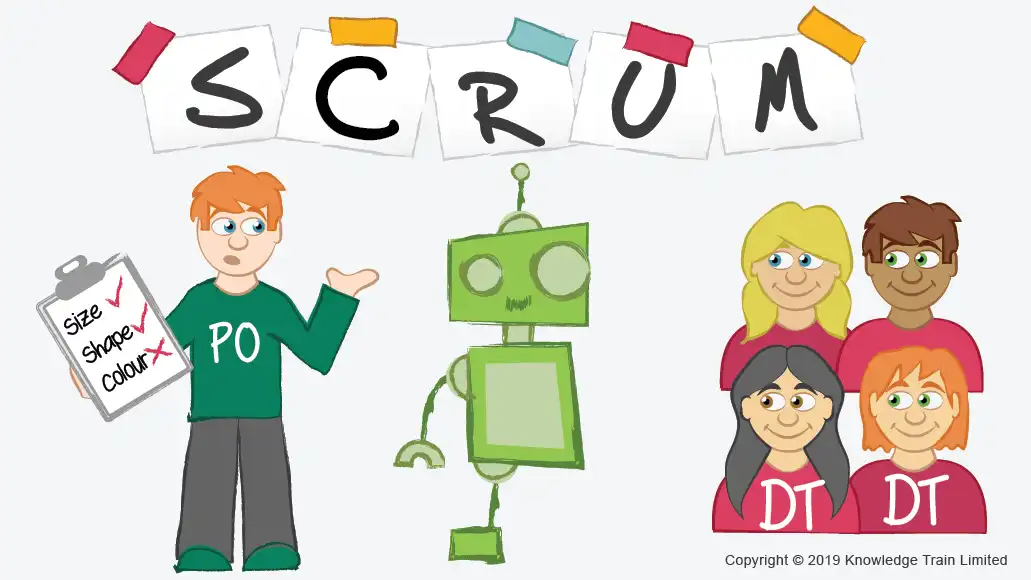
What is Scrum?
Scrum is probably the most popular agile development framework used for managing product development. Like all other agile frameworks, Scrum boasts flexibility, team collaboration and iterative delivery. This helps teams adapt to changes easily, especially when customers change their minds about what they want.
Follow this visual guide to Scrum and find out how it works (click the image to view it on full screen). You can also download a PDFCopied! of this graphic ready for printing. If you’re looking for Key takeawaysScrum trainingChoose a project approach that fits the work, the team, and the organisation. such as Waterfall suits stable requirements and benefits from clear phases, documentation, and predictable planning.Scrum Master certificationAgile methods prioritise rapid, iterative delivery, close collaboration, and frequent feedback to handle change., then you can find those from the main menu.Lean improves delivery by maximising customer value and removing waste, and Lean Six Sigma adds data-driven quality control.
The graphic was created to help you learn about Scrum. If you like it, please show your appreciation by linking back to this page.Hybrid approaches like Scrumban blend structure and flow to cope with shifting priorities and unexpected work.
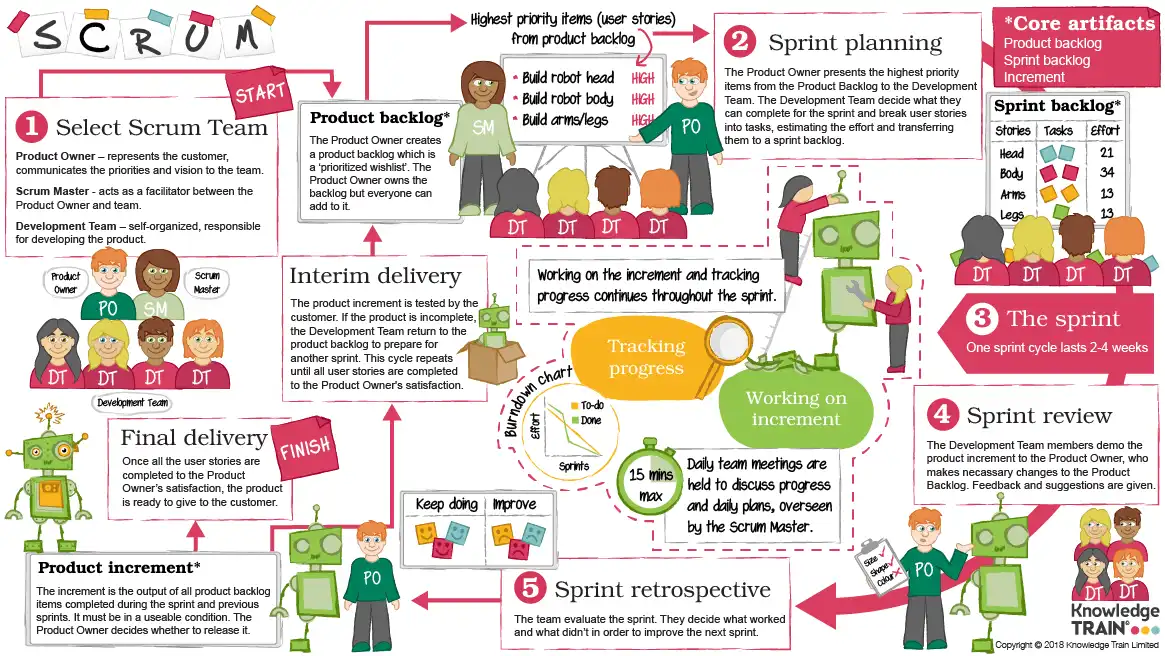
1) Select Scrum teamFAQs
One of the most difficult parts when creating a project is figuring out roles and responsibilities. Begin by identifying the roles people will take for the project.
The three roles on a Scrum team are:Infographic
Product OwnerIntroduction
The Running a modern business requires that certain tasks are coordinated in a way that increases chances of getting results. Product OwnerProject management should be someone with authority, availability and vision. They represent the customer and continuously communicate the priorities and vision to the team. methodology is a set of rules and processes that are implemented by teams in order to plan, develop, and deliver project outcomes. In this way, business people can make the most of the project to achieve business goals.
Scrum MasterChoosing the right one is important for several reasons: the methodology should be applicable to your teams’ strong suits and their project needs it should also be helpful in communication and collaboration it needs to improve the process of resource allocation and
The risk managementScrum Master and, finally, it is likely to increase the chances of project success. acts as a facilitator between the Product Owner and the Development Team. The Scrum Master will also work to remove impediments that may inhibit the Development Team reaching the sprint goal. The person does not, however, provide day-to-day directions or give instructions to the Development Team.This comprehensive guide will look at the most relevant
Development Teamproject management methodologies
The Development Team are self-organized and responsible for developing the product., including:
DoTraditional approaches like
- Force anyone to take on the role of the waterfallScrum MasterAgile methodologies. This role is important to the entire Scrum process and an unwilling person might not give enough dedication to the project such as
Top TipScrum
- Pick a strong Scrum Master. The Scrum Master plays a highly important role in the Scrum process. They ensure that the entire team are focused and have everything they need to get the work done. The Scrum Master is also responsible for removing obstacles that might keep the group from performing optimally or from reaching the deadline. Overall, the Scrum Master determines the success of the whole team. and Kanban
2) Sprint PlanningLean project management principles
Once the roles have been identified, it’s time to start planning the sprint. The whole team decide on a sprint length together, overseen by Hybrid and adaptive frameworks.the Scrum MasterWe will review the strengths and weaknesses of each project management method, enabling you to select the most appropriate one for your next endeavor. Gain a better understanding of these methods, and it will be easier for you to lead your team to victory.. Sprints are typically 2-4 weekly cycles.<
span style="display: inline-block; width: 0px; overflow: hidden; line-height: 0;" data-mce-type="bookmark" class="mce_SELRES_start">Product backlog
Project management methodologies creates a product backlog which is essentially a ‘prioritized wish list’. The backlog is owned by the Product Owner, but everyone can add to it. The product backlog contains a list of user stories. may be classified into two broad categories, based on their fundamental philosophies. These are
User storieslinear
User stories and serve as a guide for the team to show why they are working on something. They speak from the end user perspective and can look something like this:iterative
| As a. It’s important to be aware of these core strategies when choosing the best approach for your project. | I wantLinear (Waterfall) approach | so thatDescription and key principles |
|---|---|---|
| Music loverThe | uninterrupted music streaming from my deviceWaterfall | it doesn’t use up storage space while letting me play music on the go strategy is a linear approach where a project is broken down into distinct phases, and each phase is completed before progressing to the next. Core tenets of this approach include detailed upfront planning, comprehensive documentation at each phase, rigorous change control processes, and a strong emphasis on following the planned path. |
| Music streaming app userAdvantages and disadvantages | to receive recommendations based upon my current playlistsAdvantages: | I can hear new bands that are suited to my tasteClear structure and defined milestones |
Sprint backlogWell-defined deliverables
The Product Owner presents the highest priority user stories from the product backlog to the Development Team.Easier costs and timelines estimation.
The Development Team decide on what they are able complete for the sprint and break Disadvantages:user storiesLimited flexibility to accommodate changes into tasks, estimating the effort and transferring them to a sprint backlog.Late identification of issues or misalignments
Definition of “done”Potentially longer development cycles.
It is essential that the Iterative (Agile) approachScrum MasterDescription and key principles and Product Owner provide a set of acceptance criteria for each user story. Acceptance criteria is what determines whether the Agileuser story methodologies, on the other hand, emphasise flexibility, collaboration, and the rapid delivery of working products. Core tenets of Agile approaches include iterative development cycles (known as sprints), continuous feedback and adaptation, close collaboration with stakeholders, and a focus on delivering value early and frequently. is complete. It can also be referred to as the definition of “done”.Advantages and disadvantages
The table below shows two user stories with two sets of acceptance criteria.Advantages:
| As aAdaptability to changing requirements | I wantEarly and frequent delivery of usable products | so thatIncreased stakeholder satisfaction | Acceptance criteriaQuicker identification and resolution of issues. |
|---|---|---|---|
| Music loverDisadvantages: | A small-sized streaming app with no advertsRisk of scope creep | it doesn’t use up storage space and interrupt my listening experienceChallenges in estimating overall project timelines | 1. App allows user to stream music without downloadingRequires highly skilled and self-motivated team members. 2. App size is 60MB or underIt’s worth noting that choosing between linear and iterative strategies depends on several factors, such as project complexity, stakeholder involvement, and the team’s capabilities. Additionally, some 3. App offers premium subscription with no adsprojects |
| Music streaming app user may benefit from a hybrid approach that combines elements of both strategies to leverage their respective strengths. |