
costs
USD $555 for non-PMI members and USD $405 for PMI members. Additional expenses may include PMI membership, training courses, and study resources.What is the difference between AgilePM and PMP?The main difference between AgilePM
and
PMP®
lies in their approach. AgilePM focuses on adaptability and iterative delivery, whereas PMP® follows PMI’s structured, process-driven framework. Both certifications complement each other and are valuable in hybrid project environments.
What is the difference between PMP and PMBOK?
The
PMP® certification
is an exam-based credential demonstrating mastery of
project management principles, whereas the PMBOK® Guide
is a reference book that outlines PMI’s standard framework of best practices and terminology.
The
PMP® exam
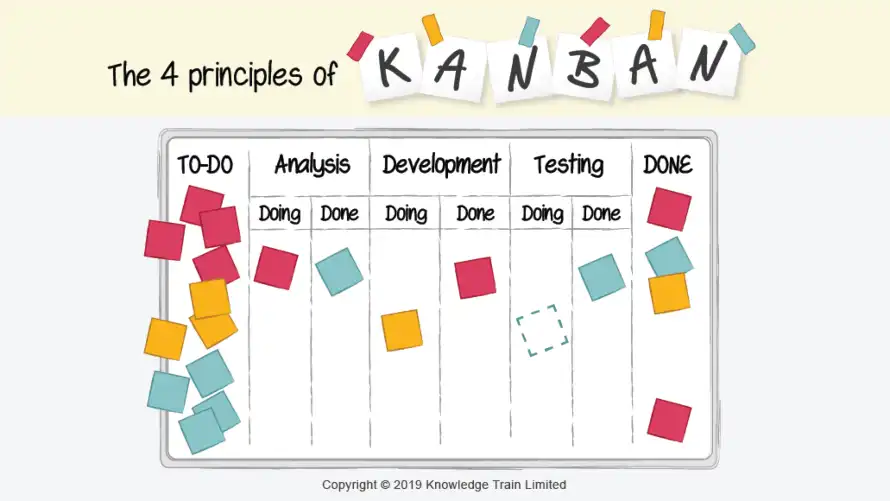
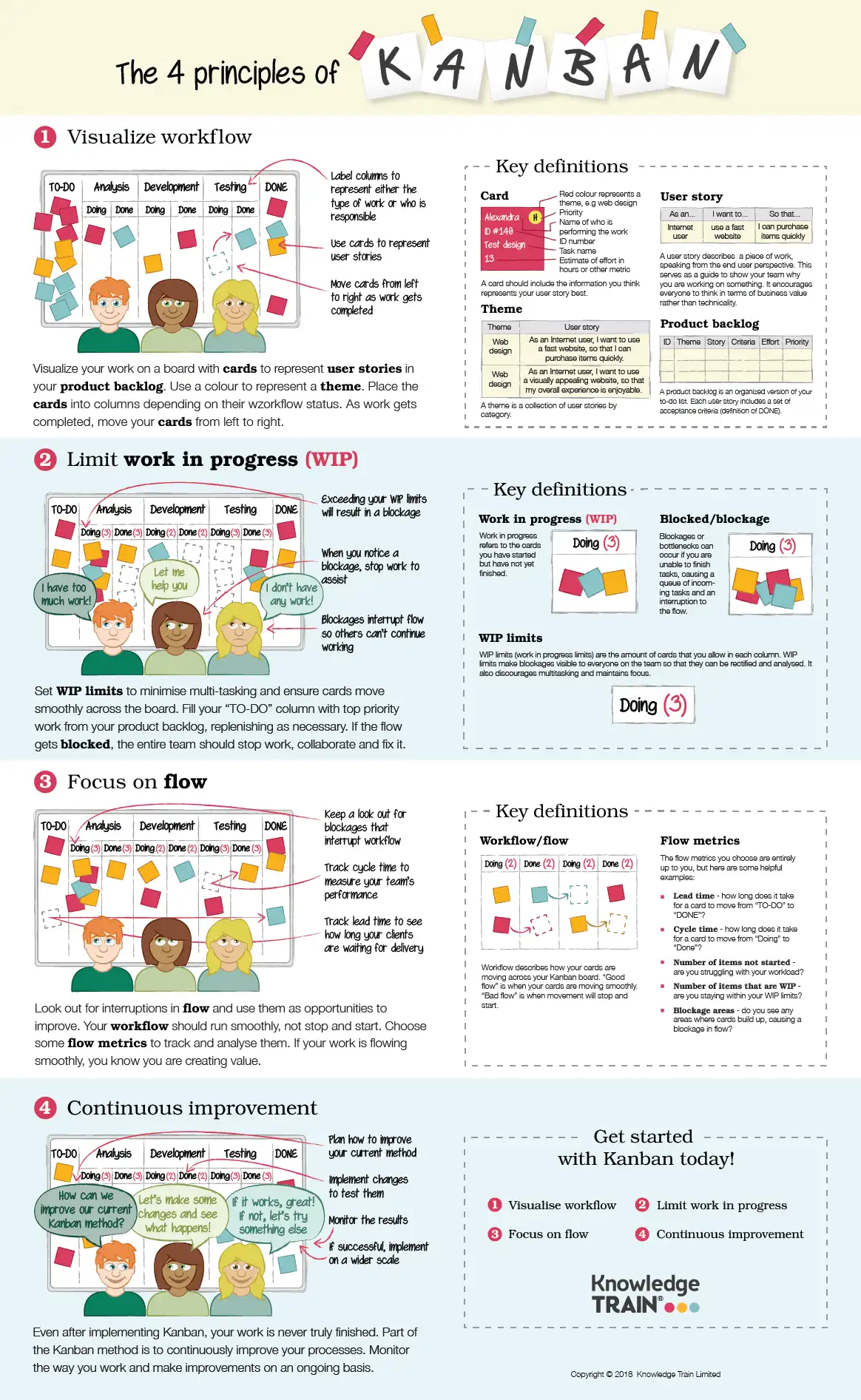
content is split approximately 50% . For a simple Kanban board, label one column “TO-DO” and another “DONE”. Label columns in between “TO-DO” and “DONE” to represent either the type of work or whoever is responsible for undertaking it. Split these columns into two and label “Doing” and “Done”. Place the cards into columns depending on their workflow status. Doing this enables the whole team to view work in progress, work that has been completed and work to be started next. As work gets completed, move your cards from left to right.Agile approaches. Understanding both methodologies is critical to success.
Top tip: and hybridWhere can I find official PMP resources and guidance?Keep your column labels simple and intuitive. methods and Authoritative
2. Limit work in progress (WIP)50% traditional (PMP® resources
Set a limit on how much work can be in progress at one time in each column. In other words, how many cards can be in each column at a given time. This ensures that cards are moving smoothly across the board as and when the team are ready for them.waterfall are available on
Do the top priority work first)PMI.org
Your “TO-DO” column should be filled with top priority work from your product backlog. When you have a space in your “TO-DO” column, you can fill it with another approaches. Understanding both methodologies is critical to success.. These include:user storyWhere can I find official PMP resources and guidance?The from your product backlog.Authoritative PMBOK® Guide
By setting work in progress limits (WIP limits), the entire team can quickly see if there is a blockage and collaborate to fix it. Setting WIP limits eliminates multi-tasking, which is the ultimate productivity killer.PMP® resources (latest edition)
Top tip: are available on PMI’s Teams can assist other teams when bottlenecks are identified, regardless of expertise.PMI.orgAuthorised Training Partners (ATPs)
3. Focus on flow. These include:Practice exams and exam content outlines
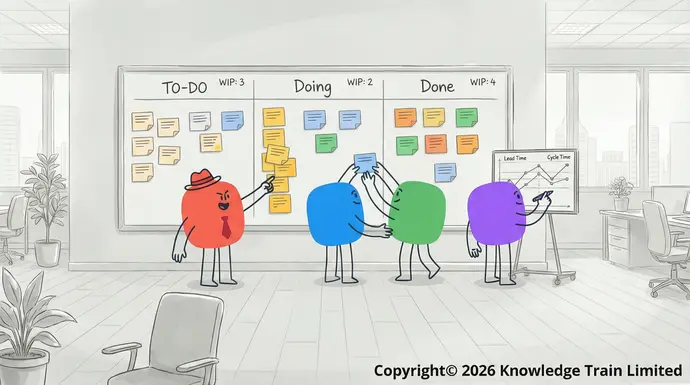
By now, your work should flow freely through the Kanban system. It might even feel very easy! Make sure that you keep a lookout for any interruptions in flow and use these as opportunities for improvement. Workflow should run smoothly and not stop and start. Choose some flow metrics to track and analyse them. Which ones you choose are entirely up to you, but here are some helpful examples:The These official materials are the best way to prepare effectively and stay up-to-date with PMI’s standards.
- Lead time PMBOK® GuideSubscribe to our exclusive offers and promotions
<
To obtain a PMP® certification, you must meet specific eligibility requirements set by the Project Management Institute (PMI)®. Candidates with a four-year degree need at least 36 months of project management experience and 35 hours of project management education or a CAPM certification. Those with a secondary degree require 60 months of experience plus the same 35 contact hours.4. Continuous improvementp>That said, familiarising yourself with its terminology and structure can enhance your understanding of PMI’s framework and increase your confidence on exam day.
Remember that even after implementing Kanban, the work is never truly finished. Part of the Kanban method is to continuously improve your processes. Monitor your Kanban system and make improvements on an ongoing basis.>"}},{"@type":"Question","name":"Can I self-study for PMP certification?","acceptedAnswer":{"@type":"Answer","text":"<These prerequisites ensure candidates have both the theoretical knowledge and practical project leadership experience necessary for the PMP® exam.p>No, self-study alone does not fulfil the 35 contact hour requirement for PMP® certification. You must complete either classroom or online training from a recognised provider to meet this criterion. However, many candidates find self-study useful to reinforce topics learned in formal courses.Conclusion
>"}},{"@type":"Question","name":"Can I pass PMP without reading PMBOK?","acceptedAnswer":{"@type":"Answer","text":">"}},{"@type":"Question","name":"How difficult is the PMP exam?","acceptedAnswer":{"@type":"Answer","text":"By following these 4 principles, you should have enough of an overview to get yourself started with a Kanban board and some cards to represent your <<p>Yes, you can pass the PMP® exam without reading the PMBOK® Guide. Many successful candidates rely on authorised training courses and exam preparation materials instead. While the PMBOK® Guide remains a valuable reference, it is not mandatory reading for passing the exam.p>The PMP® exam is widely considered challenging. It requires mastery of project management principles, terminology, and real-world application. The average pass rate is estimated between user stories>strong>60% and 70%.< p>That said, familiarising yourself with its terminology and structure can enhance your understanding of PMI’s framework and increase your confidence on exam day.>, reflecting the need for rigorous study and practice.For some teams, Kanban may be all they need to effectively manage their day to day development. Kanban ensures that there is a seamless flow to your production line regardless of the type of work you do. However, you might like to use Kanban alongside a good >"}},{"@type":"Question","name":"Can I self-study for PMP certification?","acceptedAnswer":{"@type":"Answer","text":">Scrum framework<<